
In the increasingly interconnected digital landscape, where our online presence is an extension of ourselves, the concept of “shade” has emerged as a critical, albeit sometimes subtle, element of personal branding. Far from being a negative connotation, in the realm of branding, “shade” refers to the strategic cultivation of an image, personality, and narrative that resonates with a target audience. It’s the careful calibration of how one is perceived, ensuring that the desired message is not only communicated but also felt and internalized. This article delves into the multifaceted nature of digital shade, exploring its significance in building a compelling personal brand and navigating the complexities of online perception.
The Foundations of Digital Shade: Authenticity and Intent
At its core, effective digital shade is built upon a bedrock of authenticity, tempered by a clear understanding of intent. It’s not about creating a persona that is entirely fabricated, but rather about highlighting specific facets of one’s true self and presenting them in a manner that aligns with branding goals. This requires a deep self-awareness and a strategic approach to self-representation.
Authenticity as the Unseen Architect
Many mistake “shade” for deception or artifice. However, in the context of personal branding, true shade is rooted in authenticity. The most potent and sustainable brands are those that feel genuine. This means identifying your core values, your unique strengths, and your genuine passions. Instead of inventing a personality, shade involves selectively showcasing these authentic elements. Think of it as a skilled photographer choosing the best lighting and angle to capture the most flattering and representative portrait. The subject is still the same person, but the presentation amplifies their best qualities.
For professionals, this authenticity translates to consistently demonstrating expertise, sharing genuine insights, and engaging in conversations that reflect their true interests and knowledge base. For entrepreneurs, it means conveying their vision and passion for their venture with sincerity. Without this underlying authenticity, any attempts at crafting a digital persona will likely feel hollow and unsustainable, eventually eroding trust.
The Guiding Light of Intent
While authenticity provides the substance, intent provides the direction. Every piece of content shared, every interaction, and every platform choice should be guided by a clear branding objective. What do you want to achieve with your online presence? Are you seeking to establish thought leadership, attract clients, build a community, or secure career opportunities?
Understanding your intent allows you to curate your shade strategically. For instance, if your intent is to be perceived as an innovator, your shade might involve highlighting forward-thinking projects, engaging with emerging technologies, and sharing perspectives on future trends. Conversely, if your intent is to be seen as a reliable and trustworthy expert, your shade might lean towards consistent delivery of valuable information, showcasing client testimonials, and maintaining a polished and professional demeanor. Without clear intent, your digital shade can become unfocused and dilute your brand’s impact.
Crafting Your Digital Canvas: The Art of Presentation
Once the foundations of authenticity and intent are laid, the next crucial step is the art of presentation. This involves the deliberate choices made in how you visually and verbally communicate your brand. It’s about creating a cohesive and compelling narrative that captures attention and leaves a lasting impression.
Visual Resonance: The First Impression
In the digital space, visual elements often form the initial point of contact with an audience. This includes profile pictures, banners, website design, and the aesthetic of your social media feeds. The “shade” here lies in ensuring these visuals are not only aesthetically pleasing but also convey the appropriate mood and professional identity.
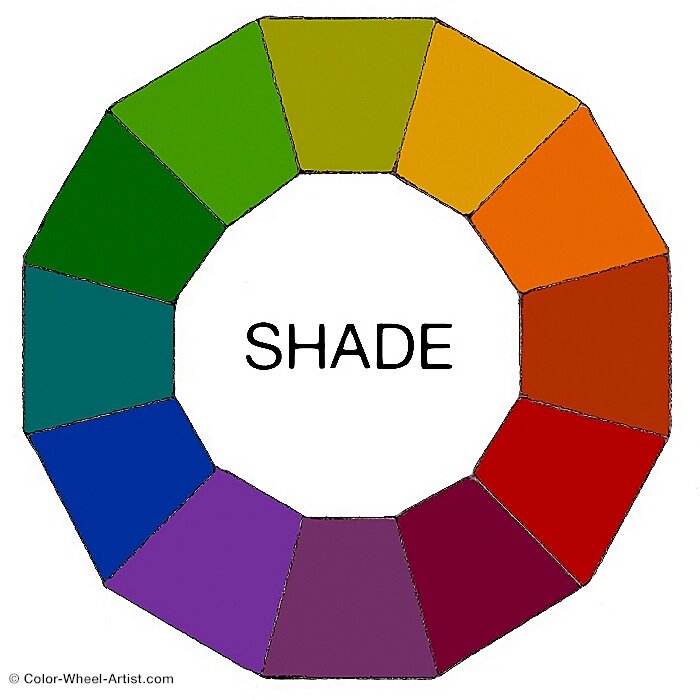
A professional headshot, for example, should align with the desired brand perception. Is it formal and authoritative, or approachable and creative? The color palette of a website or social media profile can evoke specific emotions and associations. Blues often convey trust and stability, while greens might suggest growth and nature. The consistency of these visual elements across all platforms reinforces brand recognition and builds a recognizable identity. This deliberate visual language is a powerful form of unspoken communication, contributing significantly to how your brand is perceived.
Verbal Dexterity: The Power of Language
Beyond visuals, the words you use – your captions, your blog posts, your comments, and your responses – are instrumental in shaping your digital shade. This is where your brand voice comes to life. Is it witty and engaging, or serious and informative? Is it concise and direct, or eloquent and detailed?
The chosen vocabulary, sentence structure, and overall tone of your communication all contribute to your brand’s personality. For example, a tech blogger aiming to be seen as a cutting-edge expert might use technical jargon, discuss complex concepts, and adopt a confident, authoritative tone. A lifestyle influencer might use more casual language, incorporate emojis, and adopt a friendly, conversational style. The key is to maintain a consistent voice that aligns with your brand’s intended perception and resonates with your target audience. This verbal dexterity ensures that your message is not only understood but also experienced in a way that reinforces your brand identity.
Navigating the Nuances: The Strategic Application of Shade
Understanding what constitutes digital shade is only the first step. The true mastery lies in its strategic application. This involves being mindful of your audience, understanding the context of different platforms, and adapting your approach to achieve specific branding objectives without compromising authenticity.
Audience-Centric Shading: Connecting with Your Tribe
Effective digital shade is never created in a vacuum. It is always in dialogue with the intended audience. Understanding who you are trying to reach – their demographics, their interests, their pain points, and their aspirations – is paramount. This knowledge informs every decision, from the type of content you create to the language you use.
For instance, if you are a financial advisor targeting young professionals, your shade might involve creating relatable content about saving for a down payment or investing in their first stocks, using accessible language and perhaps even humor. If you are a B2B software provider aiming for enterprise clients, your shade would likely be more formal, focusing on ROI, efficiency, and case studies, employing professional industry jargon. By tailoring your shade to your audience, you create a stronger connection, build trust, and increase the likelihood of achieving your branding goals.
Platform-Specific Strategies: Where to Deploy Your Hue
The digital landscape is a vast and varied terrain, with each platform offering unique opportunities and challenges for brand expression. Your digital shade needs to be adapted to suit the nuances of each environment. What works on LinkedIn might not translate well to TikTok, and vice versa.
On professional networking sites like LinkedIn, your shade might be focused on showcasing expertise, sharing industry insights, and building professional connections. This often involves longer-form content, thought leadership articles, and a polished, professional demeanor. On visually driven platforms like Instagram, your shade might be more about aesthetic appeal, behind-the-scenes glimpses, and personal storytelling, using high-quality imagery and concise captions. On platforms like Twitter, brevity and real-time engagement are key, requiring a more spontaneous and conversational shade. Understanding these platform-specific expectations allows you to deploy your digital shade effectively, maximizing its impact and ensuring it resonates with the audience on each channel.
The Evolution of Shade: Adapting and Thriving in the Digital Age
The digital world is in constant flux, and so too must be the art of digital shade. What is effective today may be obsolete tomorrow. Therefore, continuous learning, adaptation, and a willingness to evolve are essential for maintaining a relevant and impactful personal brand.
Embracing Feedback and Iteration
The beauty of the digital realm is its inherent measurability. Through analytics, engagement metrics, and direct feedback, you can gain invaluable insights into how your digital shade is being perceived. This feedback loop is crucial for refinement. Are your posts resonating? Is your message landing as intended? Are there areas where your brand perception is misaligned with your goals?
Embracing this feedback, even when it’s critical, is a sign of a mature and evolving brand. It allows for iterative adjustments to your strategy. This might involve tweaking your content topics, refining your visual style, or adjusting your brand voice. This process of continuous improvement ensures that your digital shade remains effective and continues to attract and engage your target audience over time.

The Long Game: Building Trust Through Consistent Shade
Ultimately, effective digital shade is not about quick wins or fleeting trends. It’s about playing the long game, consistently projecting an authentic and compelling brand narrative that builds trust and loyalty over time. It’s the accumulated effect of countless thoughtful interactions, well-curated content, and a consistent presentation of self.
By understanding and strategically applying the principles of digital shade – focusing on authenticity, clarity of intent, thoughtful presentation, and audience-centric adaptation – individuals and organizations can cultivate powerful and enduring personal brands. In a crowded digital landscape, mastering the art of shade is not just an advantage; it’s a necessity for standing out, making meaningful connections, and achieving lasting success.
aViewFromTheCave is a participant in the Amazon Services LLC Associates Program, an affiliate advertising program designed to provide a means for sites to earn advertising fees by advertising and linking to Amazon.com. Amazon, the Amazon logo, AmazonSupply, and the AmazonSupply logo are trademarks of Amazon.com, Inc. or its affiliates. As an Amazon Associate we earn affiliate commissions from qualifying purchases.