
Buying a car is one of the most significant financial decisions an individual will make, often second only to purchasing a home. However, because a vehicle is a depreciating asset, the approach must be fundamentally different from real estate. To navigate this process successfully, one must move beyond the emotional appeal of a new vehicle and focus on the cold, hard mathematics of personal finance.
In this guide, we will explore the strategic financial steps required to buy a car, ensuring that your purchase supports your long-term wealth rather than draining it. From budgeting frameworks to the nuances of interest rates and total cost of ownership, this is your blueprint for a fiscally responsible car acquisition.
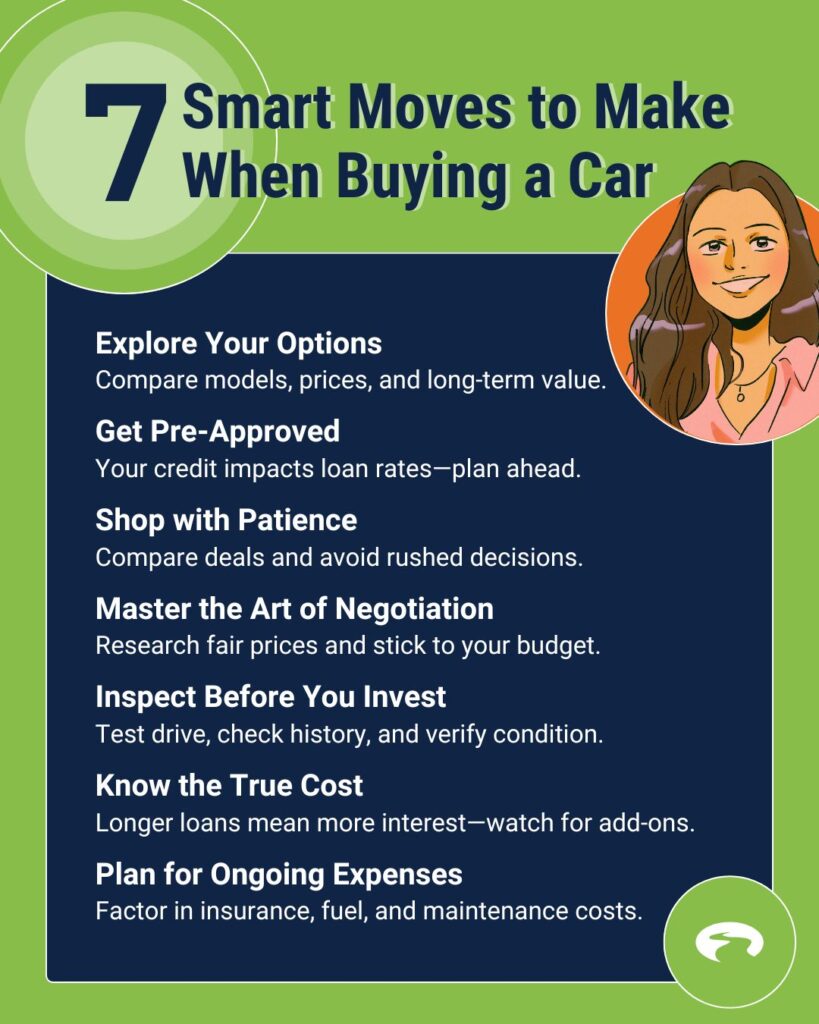
1. Assessing Your Financial Readiness and Budgeting
Before you ever step foot on a dealership lot or browse an online marketplace, you must establish a rigid financial framework. Most buyers fall into the trap of shopping based on a “monthly payment” that feels affordable, but this is a dangerous path that often leads to over-extending one’s debt-to-income ratio.
The 20/4/10 Rule for Car Buying
A gold standard in personal finance for car purchasing is the 20/4/10 rule. This framework provides a safety net to ensure your vehicle doesn’t cannibalize your ability to save for retirement or emergencies:
- 20% Down Payment: You should aim to put at least 20% down. This protects you from “negative equity” (being underwater on your loan) the moment you drive off the lot.
- 4-Year Term: While 72-month or even 84-month loans are becoming common, they are a sign that the car is too expensive for the buyer. Limiting the loan to 48 months (4 years) ensures you aren’t paying for a vehicle long after its reliability begins to fade.
- 10% of Monthly Income: Your total transportation costs—including the loan payment, insurance, and fuel—should not exceed 10% of your gross monthly income.
Factoring in the Total Cost of Ownership (TCO)
The “sticker price” is only the beginning. A truly savvy financial move involves calculating the Total Cost of Ownership (TCO). This includes:
- Depreciation: This is the largest hidden cost. Some brands retain 60% of their value after five years, while others retain only 30%.
- Insurance Premiums: High-performance or luxury vehicles carry significantly higher insurance costs. Always get a quote from your provider before finalizing a purchase.
- Maintenance and Repairs: European luxury cars often have higher specialized labor rates and parts costs compared to domestic or Japanese economy brands.
- Fuel Economy: If you have a long commute, a difference of 10 MPG can equate to thousands of dollars over the life of the loan.
2. Navigating the Financing Landscape: Cash vs. Loans
How you pay for a car is just as important as what you pay. In the world of personal finance, liquidity and interest rates dictate the “true” price of the vehicle.
The Power of Buying with Cash
From a pure wealth-building perspective, buying a car with cash is almost always the superior choice. By paying cash, you avoid interest charges and the “sunk cost” of financing a depreciating asset. Furthermore, owning the car outright provides a psychological sense of security and eliminates a monthly obligation, freeing up cash flow for investing in the stock market or high-yield savings accounts.
Understanding Interest Rates and Credit Scores
If financing is necessary, your credit score is your most valuable asset. A “Prime” borrower (720+ score) might secure an interest rate of 4–6%, while a “Subprime” borrower might face rates exceeding 15–20%. Over a four-year loan, this difference can amount to thousands of dollars in interest.
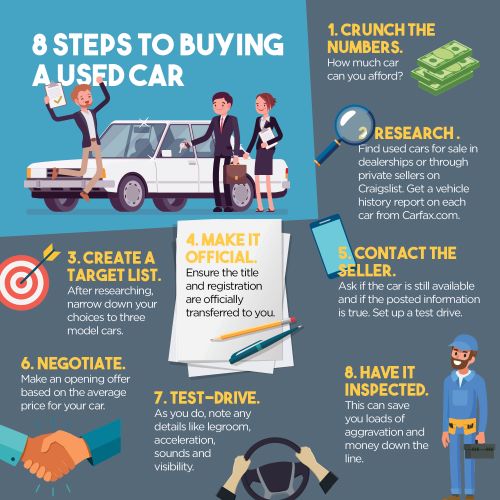
Before shopping for a car, pull your credit report and rectify any errors. Additionally, always seek “pre-approval” from a credit union or local bank before visiting a dealership. Dealerships often add a “markup” to the interest rates provided by their partner lenders; having a pre-approval in hand gives you the leverage to demand a lower rate.
Secured vs. Unsecured Auto Loans
Most car loans are secured, meaning the vehicle serves as collateral. If you fail to pay, the lender repossesses the car. However, some buyers with high net worth might use an unsecured personal loan or a line of credit. While this keeps the car title clear, the interest rates are generally higher because there is no collateral for the bank. For the average consumer, a traditional secured auto loan with a significant down payment remains the most balanced financial approach.
3. Strategic Purchasing: New, Used, or Certified Pre-Owned?
The decision of whether to buy new or used is primarily a debate about depreciation and risk management.
The Depreciation Curve of New Vehicles
A new car typically loses about 20% of its value in the first year and roughly 60% of its value over the first five years. Financially, buying a brand-new car is a luxury, not an investment. If you choose to buy new, do so with the intention of driving the vehicle for at least a decade to spread that initial depreciation hit over a longer period.
Finding Value in the Used Market
The “sweet spot” for car buying is often a vehicle that is 3 to 5 years old. By this point, the original owner has absorbed the steepest part of the depreciation curve, yet the vehicle likely still has modern safety features and many years of life remaining. When buying used, the primary financial risk is mechanical failure. It is imperative to allocate funds for a Pre-Purchase Inspection (PPI) by an independent mechanic to ensure you aren’t buying a “lemon” that will require immediate capital infusion.
The Middle Ground: Certified Pre-Owned (CPO)
For those who want the peace of mind of a new car warranty but the lower price of a used car, Certified Pre-Owned (CPO) vehicles are an excellent financial middle ground. These cars undergo rigorous inspections and come with manufacturer-backed warranties. While they cost more than a standard used car, the reduction in financial risk regarding major repairs can make them a wise choice for the risk-averse buyer.
4. The Art of Negotiation and Finalizing the Deal
Once you have your budget, your financing, and your target vehicle type, the final step is the transaction itself. This is where many buyers lose the financial gains they’ve made in the planning phase.
Leveraging Market Research and Valuation Tools
Information is your greatest leverage in negotiation. Use tools like Kelly Blue Book (KBB), Edmunds, and J.D. Power to find the “fair market value” of the car you are eyeing. Don’t negotiate based on what you want to pay; negotiate based on what the market data suggests the car is worth. If a dealer is asking $25,000 for a car that has a market value of $22,000, you have a $3,000 data-backed argument for a price reduction.
Dealing with Add-ons and Dealership Fees
The “F&I” (Finance and Insurance) office is where dealerships make a significant portion of their profit. You will likely be offered extended warranties, gap insurance, paint protection, and VIN etching.
- Extended Warranties: Usually overpriced; you are often better off “self-insuring” by putting that money into a dedicated emergency fund.
- Gap Insurance: If you put 20% down, you likely don’t need this. Gap insurance covers the difference between the car’s value and the loan balance if the car is totaled.
- Documentation Fees: Some fees are fixed by state law, but others are “fluff.” Always ask for an itemized “Out-the-Door” (OTD) price before agreeing to anything.

Tax Implications and Sinking Funds
Finally, remember the tax man. Depending on your jurisdiction, sales tax can add 5–10% to the total purchase price. Furthermore, once you have purchased the car, the financial journey doesn’t end. Smart personal finance involves setting up a “sinking fund”—a dedicated savings account where you deposit a set amount each month to cover future tires, brakes, and eventually, the down payment for your next car.
By treating a car purchase as a structured financial operation rather than an emotional event, you protect your net worth. The goal is not just to “buy a car,” but to acquire reliable transportation that fits seamlessly into a broader strategy of financial independence and wealth accumulation.
aViewFromTheCave is a participant in the Amazon Services LLC Associates Program, an affiliate advertising program designed to provide a means for sites to earn advertising fees by advertising and linking to Amazon.com. Amazon, the Amazon logo, AmazonSupply, and the AmazonSupply logo are trademarks of Amazon.com, Inc. or its affiliates. As an Amazon Associate we earn affiliate commissions from qualifying purchases.