
The seemingly simple question of “what’s the record for most flags in an NFL game?” delves into a surprising territory of statistical anomalies, officiating challenges, and the intricate dance between aggressive play and the adherence to rules. While the casual fan might associate a flurry of yellow flags with a chaotic or poorly officiated game, the reality is often more nuanced. Understanding these records isn’t just about trivia; it offers a glimpse into the evolving nature of the game, the pressures on officials, and how certain stylistic approaches can lead to a more penalty-laden contest. This exploration will go beyond the raw numbers to understand the contributing factors and the implications for teams and the sport itself.
Understanding the Landscape: Penalties and Their Impact
Before diving into record-breaking figures, it’s crucial to establish a baseline understanding of what constitutes a “flag” in the NFL and why they are significant. Penalties are the mechanisms by which the league enforces its rules, ensuring fair play, player safety, and the integrity of the game. They are called by a crew of officials who are tasked with observing every snap from multiple vantage points.
The Spectrum of Infractions
The NFL rulebook is extensive, covering a wide array of potential infractions. These can be broadly categorized into several key areas:
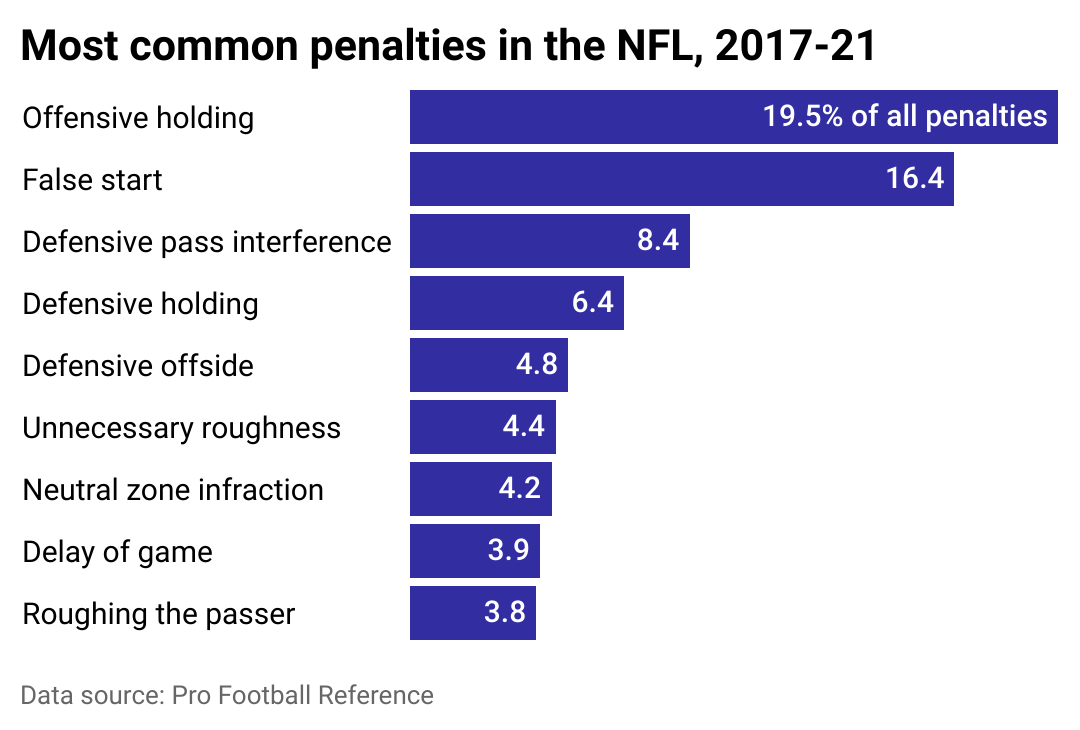
- Pre-snap Penalties: These occur before the ball is snapped, such as false starts, illegal formations, or delay of game. These often indicate a lack of discipline, poor communication, or an attempt to gain an unfair advantage.
- During-the-Play Penalties: These are called during the course of action on the field. Examples include holding, pass interference, illegal contact, and unnecessary roughness. These can significantly impact the momentum of a play and the outcome of a drive.
- Post-play Penalties: These happen after the whistle blows, such as taunting, unsportsmanlike conduct, or unnecessary roughness that occurs after the play is dead. These often speak to the emotional intensity of the game and the players’ conduct.
- Procedural Penalties: These are technical violations of game rules, like too many men on the field or illegal substitutions.
Each penalty carries a yardage consequence, and some also result in an automatic first down for the opposing team. The cumulative effect of multiple penalties can drastically alter field position, extend drives, and even swing the momentum of an entire game.
The Human Element: Officiating and Interpretation
It’s essential to acknowledge that officiating in the NFL is an incredibly demanding job. Officials must make split-second decisions in a high-speed, physical environment. Their interpretations of the rules are based on their training and experience, and there will always be a degree of subjectivity involved. Factors like the speed of the game, the proximity of players, and the angle of observation can all influence whether a penalty is called.
Furthermore, the emphasis placed on certain penalties can shift over time. For instance, the league has historically made efforts to protect offensive players and quarterbacks, leading to increased enforcement of penalties related to illegal contact or roughing the passer. This dynamic interpretation by the officiating crews can contribute to variations in penalty totals from game to game and season to season.
The Hunt for the Record: Identifying the Highest Penalty Counts
Pinpointing the absolute record for the most flags thrown in a single NFL game requires delving into historical data and statistical databases. While official league records are meticulously kept, there can be discrepancies or variations in how certain minor infractions are categorized or counted across different eras. However, by examining available records, we can identify games that stand out for their unusually high penalty counts.
The Most Infamous Contenders
Over the decades, numerous games have been marked by an abundance of yellow flags. These contests often become memorable not for their offensive fireworks or defensive brilliance, but for their stop-and-start nature and the constant disruption caused by penalties. Some of the most frequently cited games in the discussion of high penalty counts include:
- December 10, 1972: Pittsburgh Steelers vs. Oakland Raiders: This game is often mentioned as one of the most penalty-filled in NFL history. The highly physical and often contentious rivalry between these two teams, coupled with the aggressive play styles of both squads, led to a significant number of flags. While exact figures can vary depending on the source, this game is consistently cited as a benchmark for penalty accumulation. The sheer physicality of the era, combined with the intensity of the rivalry, created a perfect storm for numerous infractions.
- November 23, 2014: San Francisco 49ers vs. New York Giants: This game saw a remarkably high number of penalties, impacting the flow of play and frustrating both teams. The conditions and the nature of the play during this particular matchup contributed to the elevated flag count. This game exemplifies how a confluence of factors, including aggressive play and potentially challenging officiating interpretations, can lead to a record-setting day for penalties.
- Other Notable High-Penalty Games: Beyond these prominent examples, many other games have seen penalty totals exceeding 20 or even 25. These often involve teams with particularly aggressive defensive schemes, offensive lines that struggle with discipline, or games played in adverse weather conditions that can exacerbate certain types of infractions.
It’s important to note that pinpointing a single definitive “record holder” can be challenging due to the evolution of rule interpretations and record-keeping. However, the games mentioned above are consistently recognized as being among the most penalized in NFL history.
The Cumulative Impact: More Than Just Numbers
The significance of a high penalty count extends beyond mere statistical curiosity. When a game features an excessive number of flags, it fundamentally alters the experience for players, coaches, and fans.
- Disruption of Flow and Momentum: Constant stoppages break the rhythm of the game, making it difficult for either team to establish a consistent offensive or defensive flow. This can lead to a disjointed and frustrating viewing experience.
- Impact on Strategy and Play Calling: Coaches may become more conservative in their play-calling, opting for less risky options to avoid further penalties. Conversely, aggressive teams might find their strategies stifled.
- Player Frustration and Fatigue: Players can become demoralized and fatigued by the constant interruptions and the feeling that their efforts are being negated by penalties.
- The Officiating Challenge: An unusually high number of flags can also raise questions about the officiating crew’s consistency and interpretation of the rules. While officials strive for accuracy, extremely high penalty counts can sometimes lead to scrutiny.
Factors Contributing to High Penalty Games
Several elements can converge to create an NFL game where the yellow flags are as prevalent as the yellow football. Understanding these contributing factors provides a deeper insight into why certain matchups or situations lead to an abundance of penalties.
Aggressive Play Styles and Rivalries
The most straightforward contributor to a high penalty count is the inherent physicality and aggression of the sport itself. When two teams known for their hard-hitting, physical styles of play meet, the likelihood of infractions increases.
- Defensive Schemes: Defenses designed to be aggressive and apply pressure, such as blitz-heavy schemes or those that rely on press-man coverage, naturally create more opportunities for penalties like holding, pass interference, or unnecessary roughness.
- Rivalry Games: Games between fierce rivals often carry an elevated emotional intensity. This passion can sometimes spill over into undisciplined play, leading to more personal fouls and unsportsmanlike conduct penalties. The 1972 Steelers-Raiders game is a prime example, where the animosity between the teams was palpable and contributed to a chaotic atmosphere.
- Player Personalities: Certain players are known for their aggressive tendencies and sometimes fine line with discipline. When these players are on the field in large numbers or facing off against each other, the penalty flag count can rise.
Coaching Philosophies and Discipline
The emphasis (or lack thereof) on discipline from coaching staffs plays a crucial role in a team’s penalty tendencies.
- Coaching Emphasis on Discipline: Coaches who prioritize discipline and teach their players to play aggressively while staying within the rules will generally have lower penalty counts. This involves extensive practice on proper technique, understanding situational awareness, and reinforcing the importance of minimizing infractions.
- “Playing Through the Whistle” Mentality: While often a positive trait, an extreme interpretation of “playing through the whistle” can sometimes lead to post-play penalties if players continue contact or engage in celebrations that are deemed unsportsmanlike.
- Offensive Line Discipline: Offensive lines are particularly susceptible to holding calls. A lack of proper technique, over-extension, or an inability to adjust to defensive stunts can lead to a steady stream of flags against the unit.
Game Situations and External Factors
Beyond player and coaching tendencies, specific game circumstances and external elements can also contribute to a high penalty count.
- Close Games and High Stakes: In tightly contested games, particularly those with playoff implications, the pressure can mount. Players might resort to more desperate measures, leading to penalties like pass interference or holding to prevent big plays.
- Adverse Weather Conditions: Wind, rain, or snow can make ball handling and accurate throwing more difficult. This can lead to fumbles, tipped passes, and increased physicality as players fight for possession, potentially resulting in more holding or unnecessary roughness calls.
- Officiating Consistency and Interpretation: While officials strive for fairness, there can be periods within a game where a particular type of infraction is called more frequently. This might be due to a specific emphasis by the officiating crew or a perceived trend in the play on the field. However, significant and consistent disparities in officiating can lead to player and fan frustration.
The Modern NFL: Evolving Rules and Penalty Trends
The NFL is a dynamic league, and its rules are constantly being reviewed and adjusted to enhance player safety, improve the game’s flow, and maintain its popularity. These changes inevitably impact penalty trends and can influence what constitutes a “record.”
Player Safety Initiatives and Their Impact
In recent decades, the NFL has placed a significant emphasis on player safety, particularly regarding concussions and injuries to defenseless players. This has led to the introduction and stricter enforcement of rules designed to protect players.
- Targeting and Roughing the Passer: Rules against “targeting” and “roughing the passer” have become more stringent. This means that hits that might have been considered part of the game in previous eras are now flagged, leading to an increase in these specific types of penalties.
- Helmet-to-Helmet Contact: Penalties for helmet-to-helmet contact have also been heavily enforced to reduce the risk of concussions. This requires players to be more aware of their technique and the position of their opponents.
- Defenseless Receiver Rules: Rules protecting defenseless receivers in the act of catching a pass have also been refined, leading to more pass interference calls when defenders make contact before the ball arrives.
These safety-focused rules, while beneficial for player well-being, undoubtedly contribute to a higher potential for flags, especially in games where offensive players are running routes over the middle or quarterbacks are holding the ball longer.
Rule Changes and Their Ripple Effects
Beyond safety, other rule changes have been implemented to address specific aspects of the game, which can indirectly affect penalty totals.
- Pass Interference Reviews: The brief experiment with pass interference reviews, while ultimately abandoned, highlighted the subjective nature of these calls and the difficulty officials faced in consistently applying the rule.
- Challenging the Catch Rule: Modifications to the “catch rule” have also aimed to clarify what constitutes a completed reception. While not directly a penalty, it can influence how aggressively defenders can contest passes.
- Emphasis on Defensive Holding: Over the years, there have been periodic emphases on calling defensive holding. This can lead to a surge in these penalties during certain seasons.
The Statistical Snapshot: A Look at Modern Game Totals
While the historical record for the absolute highest number of flags might remain from earlier eras when the game was played with different interpretations of contact, modern NFL games, particularly those with a high degree of intensity and physicality, often see totals in the range of 15-25 penalties. Games exceeding this mark are considered notable and often become talking points for their disruptive nature. The challenge for officials is to balance the enforcement of these evolving rules with the natural physicality and flow of the game, a task that is perpetually complex and contributes to the ongoing discussion around what constitutes a “penalty-filled” game.
The quest for the record of most flags in an NFL game is more than just a statistical curiosity. It’s a reflection of the game’s evolution, the unwavering commitment to player safety, and the inherent challenges of officiating a sport as dynamic and physically demanding as American football. While the specific numbers might shift with new rules and interpretations, the underlying themes of aggression, discipline, and the pursuit of fair play will continue to shape the penalty landscape of the NFL.
aViewFromTheCave is a participant in the Amazon Services LLC Associates Program, an affiliate advertising program designed to provide a means for sites to earn advertising fees by advertising and linking to Amazon.com. Amazon, the Amazon logo, AmazonSupply, and the AmazonSupply logo are trademarks of Amazon.com, Inc. or its affiliates. As an Amazon Associate we earn affiliate commissions from qualifying purchases.