
When delving into the world of baking and cooking, two ingredients often emerge as staples for achieving flaky pastries, tender cakes, and perfectly crisped fried foods: lard and shortening. While both serve a similar purpose – to add richness and improve texture by interfering with gluten development – their origins, properties, and even their financial implications are distinct. Understanding these differences is crucial for any home cook or professional chef aiming to achieve optimal results and make informed purchasing decisions. This article will explore the fundamental distinctions between lard and shortening, examining their composition, culinary applications, and the economic factors that influence their use.

The Molecular Architecture: Unpacking the Fat Composition
At their core, both lard and shortening are fats, but the specific types of fats and their molecular structures dictate their behavior in cooking and baking. This distinction is fundamental to their performance and ultimately influences their suitability for various applications.
Lard: The Animal Fat Foundation
Lard is derived from the fatty tissue of a pig. Traditionally rendered from the back fat, it is a natural product with a unique fat profile. Its composition is primarily monounsaturated and saturated fats, with a lower proportion of polyunsaturated fats compared to many vegetable oils. The specific ratio of these fats can vary depending on the part of the pig the fat is sourced from and the rendering process. For instance, leaf lard, rendered from the fat surrounding the pig’s kidneys, is considered the finest grade due to its purity and neutral flavor, making it highly prized for delicate pastries.
The crystalline structure of lard, influenced by its saturated and monounsaturated fat content, allows it to create distinct layers when used in doughs. When heated, these fat crystals melt, leaving behind air pockets that contribute to the characteristic flakiness of pie crusts and biscuits. The presence of some protein and other impurities, particularly in less refined lard, can impart a subtle flavor, which can be desirable in some savory applications but may be less so in sweet baked goods where a neutral fat is preferred. The rendering process itself plays a significant role in the final product. Traditional rendering involves slow heating to melt the fat, followed by straining to remove solids. Modern commercial production often involves more controlled processes to ensure purity and consistency.
Shortening: The Engineered Emulsifier
Shortening, on the other hand, is a highly processed product, traditionally made from animal fats but now almost exclusively derived from vegetable oils. Its key characteristic is its solid state at room temperature, achieved through a process called hydrogenation. Hydrogenation involves adding hydrogen atoms to the unsaturated fat molecules in vegetable oils, making them more saturated and thus solid. This process also affects the molecular structure, creating what are known as trans fats. While modern shortening formulations have significantly reduced or eliminated artificial trans fats through methods like interesterification, the principle of solidifying liquid oils remains.
The primary goal of creating shortening is to achieve a neutral flavor and a consistent, solid texture that can be easily creamed with sugar for cakes and cookies, or used to create flaky layers in pastries. Its high percentage of saturated and trans fats (historically) contributes to its plasticity – its ability to be molded and shaped without melting. This plasticity is what allows it to coat flour particles effectively, inhibiting gluten development and resulting in a tender crumb. The consistency of shortening is meticulously controlled during manufacturing to ensure predictable performance across different recipes and temperatures. Because it is typically flavorless, it is an ideal choice when the flavor of other ingredients should be allowed to shine.
Culinary Canvas: Applications and Performance in the Kitchen
The distinct compositions of lard and shortening translate directly into how they perform in various culinary applications. Understanding these differences allows cooks to make informed choices that will yield the desired textures and flavors.
The Art of Flakiness: Pie Crusts and Pastries
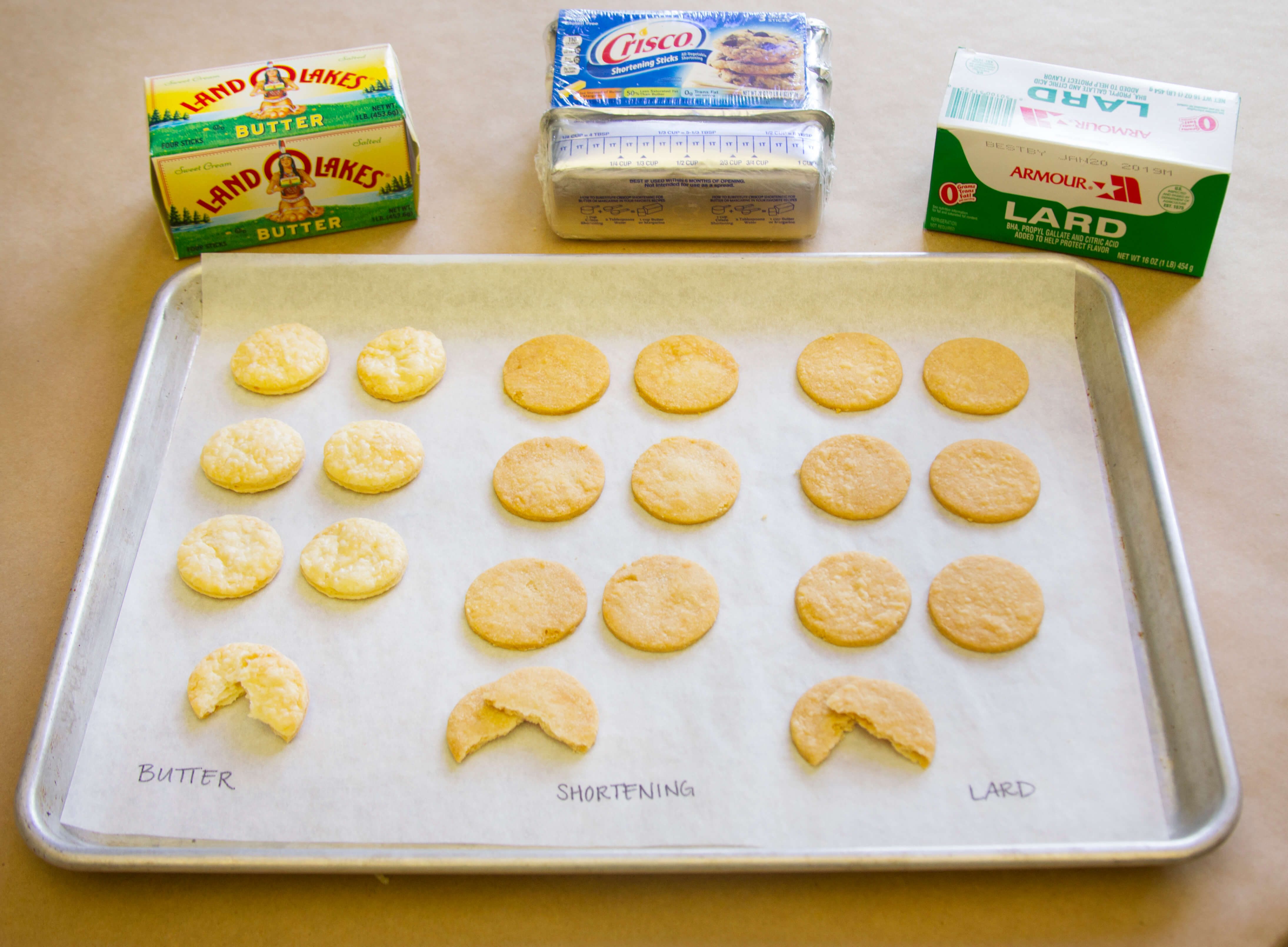
Both lard and shortening are celebrated for their ability to create flaky baked goods. However, the type of flakiness they impart can differ. Lard, particularly high-quality leaf lard, is often considered the gold standard for pie crusts. Its fat crystals create distinct, large pockets of steam and air as the dough bakes, resulting in exceptionally tender and flaky layers. The slight richness it can contribute can also enhance the overall flavor of a pastry. When working with lard, it’s essential to keep it cold, just like with shortening, to maintain its structure until it hits the heat of the oven. Overworking the dough is detrimental to flakiness with both fats, as it can develop the gluten structure too much.

Shortening, with its consistent plasticity, also excels at creating flaky pastries. Its ability to coat flour evenly and inhibit gluten formation leads to a tender, melt-in-your-mouth texture. For many bakers, shortening offers a more predictable and consistent result, especially for those new to baking. It’s less susceptible to temperature fluctuations during handling than lard, making it a more forgiving option. While some argue that shortening-based pastries can sometimes have a slightly drier or more crumbly texture compared to those made with lard, its neutrality ensures that the flavor of the fruit filling or other additions remains the star.
Tenderizing Touch: Cakes, Cookies, and Biscuits
Beyond pastries, lard and shortening play vital roles in achieving tenderness in a broader range of baked goods. In cakes, the ability of these fats to be creamed with sugar is paramount. Creaming incorporates air into the fat-sugar mixture, which then expands in the oven, contributing to the cake’s leavening and light texture. Lard, when rendered to a very fine consistency, can be creamed effectively, imparting a subtle richness. However, its flavor profile might not be universally desired in all cake recipes.
Shortening’s consistent plasticity makes it an exceptional creaming agent. It readily incorporates air, leading to a lighter and more voluminous cake. Its neutral flavor is particularly advantageous in cakes, allowing the delicate flavors of vanilla, chocolate, or fruit to dominate. In cookies, both fats contribute to tenderness by interfering with gluten development. Shortening often results in cookies that spread less and maintain their shape, while lard can yield a crisper, more tender cookie, depending on its specific rendering and use. For biscuits, the flakiness is paramount, and both ingredients can deliver. Lard often produces a richer, more flavorful biscuit, while shortening provides reliable flakiness and tenderness.
The Economic Equation: Cost, Availability, and Consumer Choice
The choice between lard and shortening is not solely dictated by culinary performance; economic factors play a significant role in their widespread use and consumer perception. The cost, availability, and evolving health trends all influence which fat finds its way into our kitchens.
Market Dynamics: Sourcing and Production Costs
Historically, lard was a readily available and inexpensive byproduct of the pork industry, making it a staple fat. Its cost was often lower than other fats. However, as dietary trends shifted and concerns arose about saturated fat and cholesterol, the demand for lard decreased in many Western markets. This led to a decline in its widespread commercial production and availability in mainstream supermarkets, often relegated to specialty or ethnic food sections. The cost of high-quality, refined lard can sometimes be comparable to or even exceed that of shortening, especially when considering specific grades like leaf lard.
Shortening, largely produced from abundant vegetable oils, has generally benefited from economies of scale in its manufacturing. The industrial processes involved in hydrogenation and other modifications allow for consistent production at a competitive price point. While the cost of vegetable oils themselves can fluctuate based on agricultural yields and global commodity markets, shortening has remained a widely accessible and affordable option for consumers and commercial bakers alike. The development of trans-fat-free shortening has also involved new processing techniques and ingredient sourcing, which can influence its price, but generally, it remains a cost-effective choice.
Health Perceptions and Labeling: A Shifting Landscape
The health landscape surrounding fats has been a significant driver of consumer choice. For decades, saturated fats and cholesterol, prominently found in lard, were demonized. This led to a sharp decline in lard consumption and a surge in the popularity of vegetable-based shortenings, despite the presence of trans fats in many early formulations. The discovery of the adverse health effects of artificial trans fats, however, marked a turning point. This spurred a renewed interest in naturally occurring saturated fats like those found in lard, as they do not carry the same cardiovascular risks as artificial trans fats.
Current labeling regulations in many regions require the disclosure of trans fat content, leading manufacturers to reformulate shortenings to be trans fat-free. This has made shortening a healthier option than it once was, but it has also sometimes led to a perception that lard, as a “natural” fat, might be a healthier alternative to processed vegetable shortenings. However, it’s important to note that both lard and shortening are calorie-dense fats. Moderation remains key regardless of the source. Consumer education and evolving dietary guidelines continue to shape the perception and market demand for both lard and shortening, making it a dynamic and interesting space for culinary and financial consideration.
Conclusion: Informed Choices for Culinary Success
The difference between lard and shortening is multifaceted, extending beyond their mere definitions. From their fundamental fat compositions and molecular structures to their nuanced performance in a variety of culinary applications, each offers unique advantages. Lard, with its animal origin, provides a distinct richness and is often lauded for its superior flakiness in traditional pastries. Shortening, a product of modern food engineering, offers unparalleled consistency, neutrality, and predictability, making it a reliable choice for a wide array of baked goods.
Furthermore, the economic landscape surrounding these fats is constantly shifting. Historically abundant and inexpensive, lard’s market presence has evolved with changing dietary trends and production methods. Shortening, on the other hand, has benefited from large-scale production and accessibility. As consumers become more discerning about ingredients, health implications, and the provenance of their food, understanding the differences between lard and shortening empowers them to make informed choices. Whether seeking the ultimate flaky pie crust, the tenderest cake, or a cost-effective baking staple, a thorough appreciation of these two fundamental fats is key to achieving culinary excellence and navigating the economic realities of the modern kitchen.
aViewFromTheCave is a participant in the Amazon Services LLC Associates Program, an affiliate advertising program designed to provide a means for sites to earn advertising fees by advertising and linking to Amazon.com. Amazon, the Amazon logo, AmazonSupply, and the AmazonSupply logo are trademarks of Amazon.com, Inc. or its affiliates. As an Amazon Associate we earn affiliate commissions from qualifying purchases.