
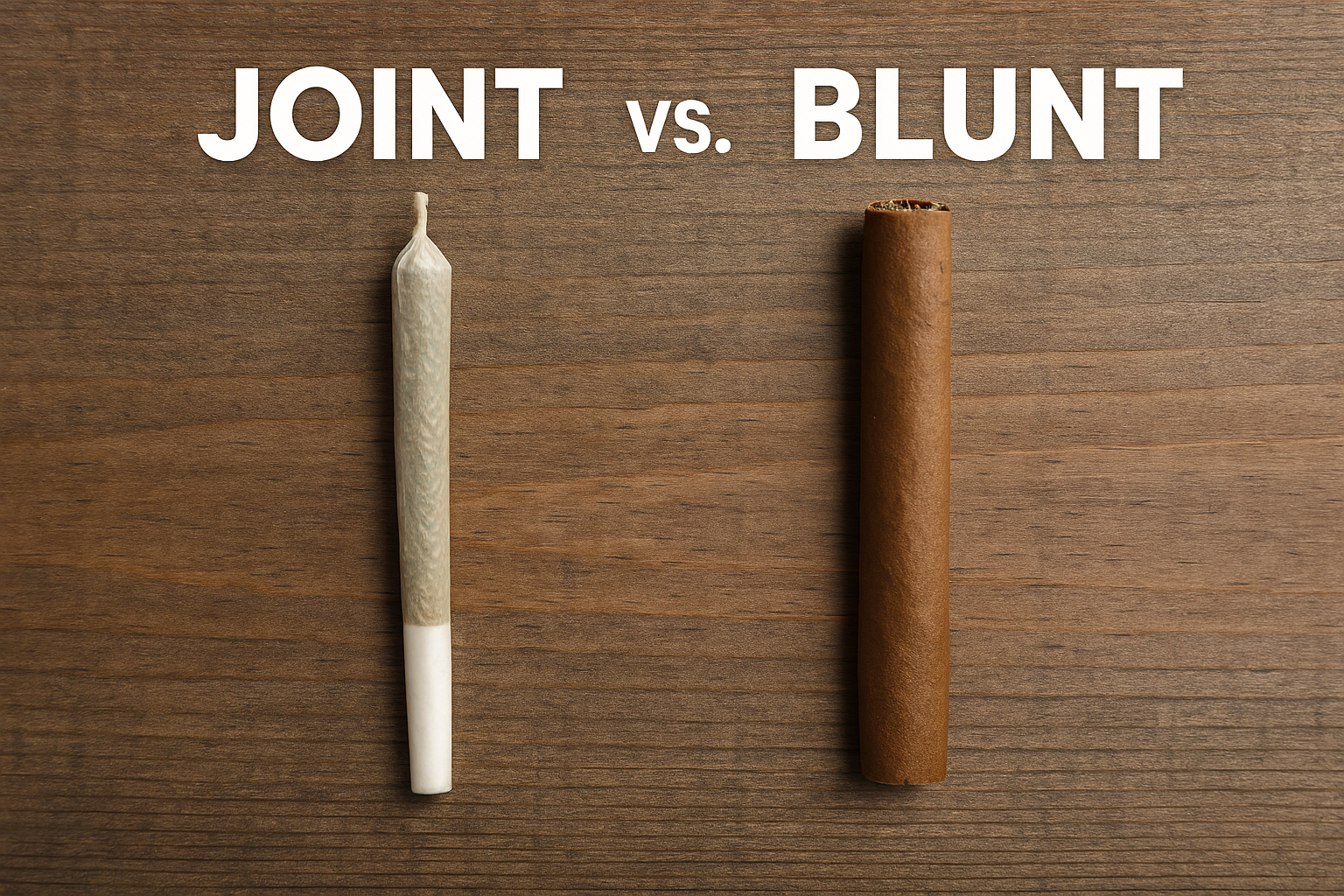
In the ever-evolving landscape of personal consumption, the distinction between seemingly simple methods can often be overlooked. While the fundamental act of preparing and partaking in plant material might appear straightforward, the nuanced differences between joints and blunts, when viewed through a technological lens, reveal a fascinating interplay of material science, design innovation, and even digital integration. This exploration delves beyond mere terminology to dissect the technological underpinnings that differentiate these two popular methods, examining the evolution of their components, the manufacturing processes, and the impact of modern technology on their preparation and consumption.

The Material Science of Rolling Papers and Wrappers: A Technological Foundation
At the core of both joints and blunts lies the fundamental technology of containment – the material used to wrap the plant matter. While seemingly basic, the development and selection of these materials have undergone significant technological advancements, impacting everything from burn rate and flavor profile to structural integrity and user experience.
Rolling Papers: Engineering for Optimal Combustion
Joints are traditionally rolled using papers made from a variety of cellulose-based materials, including rice, hemp, and flax. The technological evolution of rolling papers is a story of controlled combustion and material engineering. Manufacturers invest heavily in understanding the cellulose fiber structure, ensuring consistent porosity and controlled burning.
Cellulose Innovation and Paper Chemistry
The choice of cellulose source significantly impacts the paper’s properties. Rice paper, for instance, is known for its slow burn, achieved through specific processing that minimizes mineral content and creates a fine, even texture. Hemp paper, on the other hand, benefits from the natural strength and resilience of hemp fibers, often resulting in a more robust and less prone-to-tearing product. The chemical treatments applied during the manufacturing process are also crucial. Additives, often natural gums derived from acacia or other plants, are used as adhesives, requiring precise application and formulation to ensure a clean, even seal without imparting unwanted flavors or significantly altering the burn rate. Furthermore, the “blurring” technology, the intentional creation of a slightly rougher texture on the paper’s surface, enhances adhesion, allowing for a secure seal and a more manageable rolling experience.
The Science of Thinness and Porosity
The thinness of rolling papers is a critical design parameter. Ultra-thin papers, often referred to as “rice papers” (even if not exclusively made from rice), are engineered to minimize the amount of paper burned, allowing the plant material to be the primary contributor to the smoke. This requires sophisticated papermaking machinery capable of producing incredibly uniform and thin sheets. Porosity – the measure of how easily air can pass through the paper – is another key technological consideration. Controlled porosity ensures an even draw and prevents the joint from going out or burning too quickly. Manufacturers achieve this through precise control over pulp density, fiber alignment, and the use of specific additives that can either increase or decrease porosity.
Blunt Wrappers: Tobacco Leaf Technology and Beyond
Blunts, in contrast, typically utilize the dried leaves of the tobacco plant as their wrapper. This introduces a different set of material science considerations, centered around the natural properties of the tobacco leaf and the innovative alternatives that have emerged.
The Natural Tobacco Leaf: A Biological Wrapper
The traditional blunt wrapper leverages the inherent flexibility, durability, and flavor profile of cured tobacco leaves. The curing process itself is a complex technological undertaking, involving carefully controlled fermentation and drying techniques that break down chlorophyll, develop specific aromatic compounds, and achieve the desired pliability. The natural oils present in the tobacco leaf also contribute to its ability to hold together and burn evenly. Different species and grades of tobacco leaves are chosen for their specific characteristics, with some offering a richer, earthier flavor, while others provide a milder taste and a smoother burn.
Innovations in Tobacco-Free Wrappers: Material Science Evolution
The growing demand for tobacco-free alternatives has spurred significant technological innovation in blunt wrapper development. These modern wrappers often utilize a blend of plant-based materials, such as palm leaves, banana leaves, or even specialized cellulose blends, engineered to mimic the performance of tobacco leaves.
Palm Leaf Wrappers: Harvesting and Processing
Palm leaf wrappers, a popular tobacco-free option, involve a sophisticated process of harvesting and preparing the leaves. The leaves are typically harvested at a specific stage of maturity, then meticulously cleaned, sterilized, and sometimes infused with natural flavorings. The natural waxes and oils present in palm leaves provide a degree of moisture and pliability, but manufacturers often employ techniques to ensure consistent texture and prevent cracking during the rolling process. This can involve controlled humidity environments during storage and packaging.
Engineered Cellulose and Plant Fiber Blends
More advanced tobacco-free wrappers are created through the sophisticated blending of various plant fibers, such as hemp, tea leaves, and even fruit-derived pulp. These blends are then processed using advanced papermaking or extrusion technologies to create a wrapper with specific burn characteristics, texture, and flavor retention. The aim is to replicate the tactile experience and burning properties of tobacco without the inherent drawbacks. This often involves precise control over fiber length, particle size, and the use of natural binders and humectants to achieve optimal pliability and a slow, even burn.
The Art and Science of Preparation: Technological Aids and Techniques
Beyond the materials themselves, the methods employed in preparing joints and blunts have also been influenced by technological advancements, moving from purely manual dexterity to the integration of precision tools and accessories.
Rolling Aids: From Manual Dexterity to Automated Precision
The traditional act of rolling a joint or blunt by hand requires significant skill and practice. However, technology has introduced a range of tools designed to assist and even automate this process, making it more accessible and consistent.
Rolling Machines and Papers: Mechanized Rolling
Manual rolling machines, often made from plastic or metal, utilize a system of rollers and guides to create a uniform cylinder. These devices mechanically assist the user in tucking and rolling the paper around the plant material, reducing the learning curve and often resulting in more consistently shaped rolls. The engineering of these machines focuses on precise tolerances and efficient movement to achieve a smooth and effective rolling action.
The Rise of Pre-Rolled Cones: Manufacturing Precision
The advent of pre-rolled cones represents a significant leap in automated manufacturing within this niche. These cones are produced on an industrial scale using highly sophisticated machinery that precisely folds and shapes the rolling paper or wrapper into a perfectly formed cone. This process ensures consistent size, shape, and pack density, offering convenience and a reliable smoking experience for the end-user. The technology involved includes high-speed paper feeders, intricate folding mechanisms, and quality control systems that monitor for defects.
Grinding and Packing: Optimizing Material Consistency
The particle size and density of the plant material within a joint or blunt significantly impact its burn rate and flavor delivery. Technological advancements in grinders and packing tools aim to optimize these factors.
Grinding Technology: From Hand-Crank to Electric
The evolution of grinders has moved from simple two-piece hand-crank mechanisms to sophisticated electric grinders. These devices employ sharp, precisely engineered teeth (often made from durable alloys) and powerful motors to efficiently and uniformly break down plant material to a desired consistency. The design of the teeth, the chamber size, and the motor speed are all critical technological considerations that influence the final particle size and the absence of overly fine dust. Advanced grinders also incorporate kief catchers, utilizing fine mesh screens to collect trichomes, demonstrating an understanding of material separation.
Packing Tools: Ensuring Optimal Airflow
While often overlooked, packing tools play a role in ensuring consistent density and airflow. While simple wooden or plastic packing sticks are common, more advanced designs might incorporate weighted elements or textured surfaces for better grip and control. The goal is to achieve a firm, yet not overly compressed, pack that allows for an even burn without restricting airflow.
The Digital Integration: Information, Community, and Accessory Tech
The technological influence extends beyond the physical preparation and consumption of joints and blunts to the digital realm, where information is shared, communities are formed, and innovative accessories are developed and marketed.
Online Resources and Educational Platforms: Disseminating Knowledge
The internet has become a primary source of information for those seeking to understand the differences between joints and blunts, along with the myriad techniques and variations. Websites, forums, and video platforms host extensive content detailing rolling methods, material comparisons, and best practices. This digital dissemination of knowledge is itself a technological function, facilitated by web development, content management systems, and search engine optimization.
Informational Hubs and Comparative Analysis
Online resources often provide detailed breakdowns of the materials used, including their origins, chemical properties (where applicable), and how they influence the smoking experience. This includes comparative analyses of burn rates, flavor profiles, and the ease of use, drawing on user reviews and expert opinions. The organization and accessibility of this information are hallmarks of effective digital platforms.
Tutorial Videos and Visual Learning
The visual medium of video has revolutionized the learning process for rolling techniques. High-definition cameras, editing software, and streaming platforms allow for clear, step-by-step demonstrations of how to roll both joints and blunts, catering to different skill levels. This visual learning approach leverages sophisticated digital media technology.
Community Building and Shared Experiences: The Power of Digital Networks
Online communities, often built on forums, social media groups, and dedicated platforms, connect individuals with shared interests in cannabis culture. These digital networks facilitate the exchange of information, personal experiences, and even technological recommendations for accessories and preparation methods.
Forum Discussions and Knowledge Exchange
Forums dedicated to cannabis consumption provide a space for users to ask questions, share their experiences, and discuss the nuances of joints and blunts. These discussions often touch upon the performance of different rolling papers, wrappers, and accessories, providing valuable crowdsourced data and insights.
Social Media Engagement and Trend Spotting
Social media platforms serve as dynamic hubs for sharing visual content related to joints and blunts, from aesthetically pleasing rolls to reviews of new products. This engagement allows for rapid trend spotting and the identification of emerging technological innovations in the accessories and preparation methods.
The Evolution of Accessories: Smart Tech and Beyond
The market for smoking accessories has seen a surge in technological integration, moving beyond simple functional items to incorporate smart features and advanced materials.
Advanced Grinders and Storage Solutions
Beyond basic grinders, the market now features devices with integrated scales, humidity control for storage, and even self-cleaning mechanisms, all driven by advancements in miniaturized electronics and material science.

Vaporizers and Alternative Consumption Technologies
While not directly addressing joints and blunts, the rise of vaporizers represents a significant technological shift in how plant material is consumed, offering a more controlled and potentially healthier alternative. The technology behind these devices, involving precise temperature control, battery management, and airflow optimization, showcases the broader technological advancements influencing consumption methods. The principles of controlled heat and material interaction developed for vaporizers are indirectly influencing the design and understanding of traditional consumption methods.
In conclusion, the seemingly simple distinction between joints and blunts dissolves into a complex tapestry of technological innovation when examined closely. From the fundamental material science of cellulose papers and cured tobacco leaves to the engineered blends of modern wrappers, and further to the automated precision of rolling machines and the digital dissemination of knowledge, technology has profoundly shaped both the creation and consumption of these methods. Understanding these differences, through a technological lens, offers a deeper appreciation for the science, engineering, and ongoing evolution within this fascinating niche.
aViewFromTheCave is a participant in the Amazon Services LLC Associates Program, an affiliate advertising program designed to provide a means for sites to earn advertising fees by advertising and linking to Amazon.com. Amazon, the Amazon logo, AmazonSupply, and the AmazonSupply logo are trademarks of Amazon.com, Inc. or its affiliates. As an Amazon Associate we earn affiliate commissions from qualifying purchases.