
In the realm of facility operations and maintenance, the terms “janitor” and “custodian” are often used interchangeably. While both roles are integral to ensuring a clean, safe, and functional environment, a closer examination reveals subtle yet significant differences in their scope of responsibilities, historical context, and often, the level of autonomy and training involved. Understanding these distinctions is not just an academic exercise; it can impact hiring decisions, operational efficiency, and even career pathing within the broader facilities management sector. This article delves into the core differences between janitorial and custodial services, exploring their evolving roles and the value they bring to organizations.

The Historical Evolution and Core Responsibilities
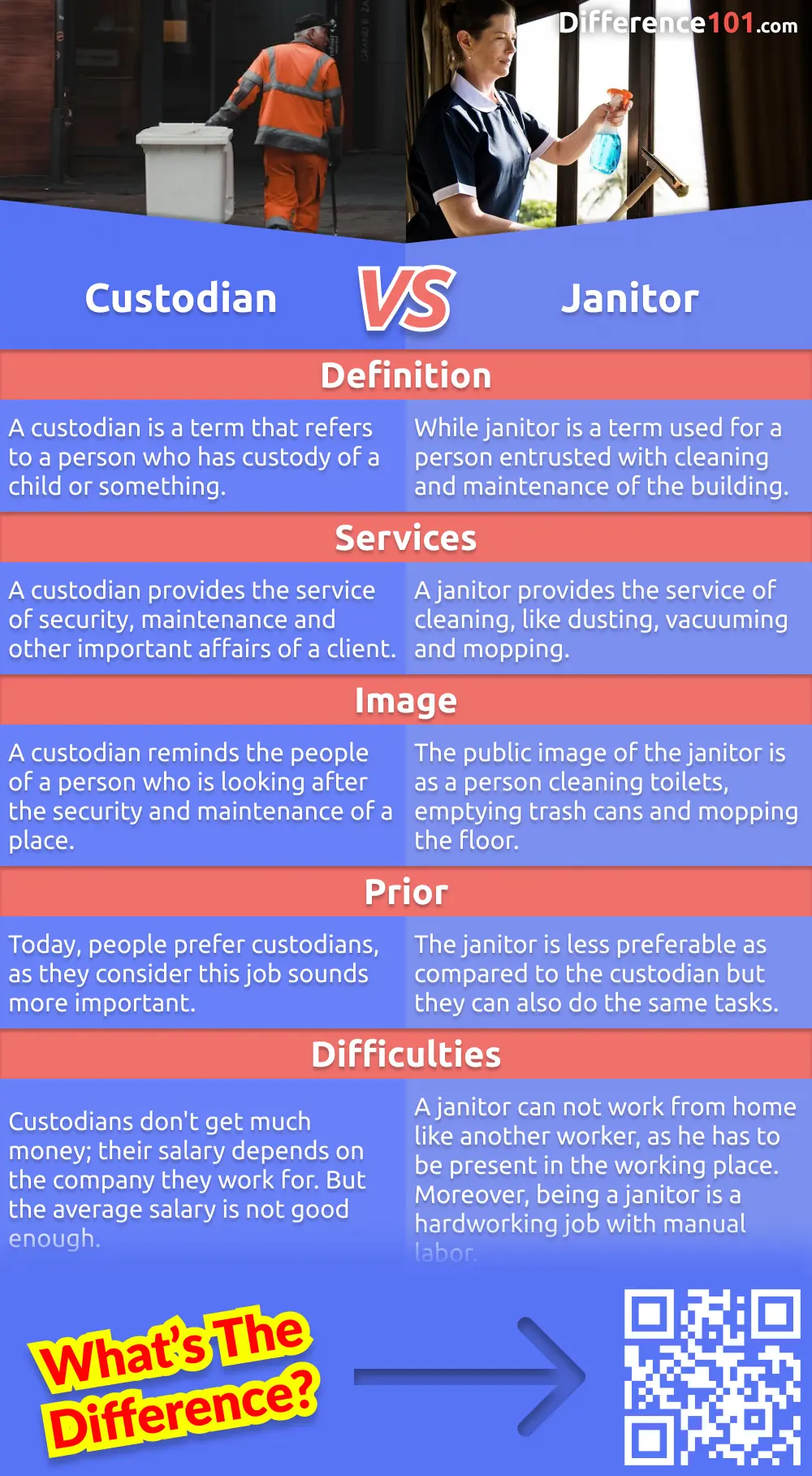
The very origins of these terms offer a glimpse into their differing connotations. “Janitor,” derived from the Roman god Janus, who presided over doorways and beginnings, historically referred to a doorkeeper or a person responsible for a building’s basic upkeep. This often implied a more singular focus on cleanliness and minor repairs. “Custodian,” on the other hand, carries a more custodial, or trust-based, implication. A custodian is seen as a guardian or keeper of a property, suggesting a broader responsibility for its overall well-being and preservation.
Janitorial Services: The Foundation of Cleanliness
At its most fundamental level, janitorial work is about maintaining a state of cleanliness. This typically encompasses a defined set of tasks, often performed on a daily or scheduled basis.
Routine Cleaning and Sanitation
The bedrock of janitorial services lies in the execution of routine cleaning protocols. This includes:
- Flooring Maintenance: Sweeping, mopping, vacuuming, and sometimes buffing or waxing floors in common areas, restrooms, offices, and hallways.
- Waste Management: Emptying trash receptacles, replacing liners, and transporting waste to designated disposal areas. This also includes recycling management.
- Restroom Sanitization: Cleaning and disinfecting toilets, urinals, sinks, countertops, and mirrors. Restocking toilet paper, paper towels, and soap dispensers is also a key function.
- Surface Cleaning: Wiping down surfaces such as desks, tables, doorknobs, light switches, and common touchpoints to reduce the spread of germs.
- Dusting: Removing dust from furniture, fixtures, and ledges.
Minor Repairs and Upkeep
Beyond basic cleaning, janitors may also be responsible for minor, immediate repairs that don’t require specialized trades. This can include:
- Replacing Light Bulbs: Ensuring all lighting fixtures are functional.
- Tightening Loose Fixtures: Addressing minor issues with door handles, cabinet hinges, or screws.
- Reporting Larger Issues: Identifying and reporting more significant problems, such as leaks, broken equipment, or structural damage, to management for further action.
Day-to-Day Operational Support
Janitors often act as the “eyes and ears” of a facility during their shifts. They are frequently the first to notice an issue or a potential safety hazard. Their proactive identification and reporting of problems contribute significantly to the smooth day-to-day operation of a building.
Custodial Services: A Broader Stewardship
Custodial services, while encompassing all janitorial duties, extend to a more comprehensive and proactive approach to facility management. The role of a custodian often implies a greater degree of responsibility, decision-making authority, and a holistic view of the building’s condition and functionality.
Comprehensive Facility Upkeep
Custodians are typically involved in more than just daily cleaning. Their responsibilities can include:
- Preventative Maintenance: Implementing and following schedules for more in-depth maintenance tasks, such as cleaning HVAC vents, lubricating machinery, or performing seasonal tasks like gutter cleaning.
- Supervision and Training: In larger facilities, custodians may supervise janitorial staff, providing training on proper cleaning techniques, safety procedures, and the use of specialized equipment.
- Inventory Management: Ordering and managing cleaning supplies, equipment, and other consumables, ensuring adequate stock levels and cost-effectiveness.
- Safety and Security: Actively participating in maintaining a safe and secure environment. This might involve ensuring emergency exits are clear, monitoring security systems (in some contexts), and responding to minor emergencies.
- Minor Landscaping and Exterior Upkeep: Depending on the facility, custodians might be responsible for tasks like sweeping walkways, ensuring entrances are clear of debris, or even basic landscaping.
Specialized Cleaning and Equipment Operation
Custodians often operate more advanced cleaning equipment and perform specialized cleaning tasks. This can include:
- Carpet Cleaning: Operating industrial carpet cleaners and performing stain removal.
- Floor Stripping and Waxing: Executing more intensive floor care that goes beyond routine mopping.
- Window Washing: Cleaning windows, both interior and exterior, using specialized tools and techniques.
- Specialized Equipment Use: Operating floor buffers, scrubbers, and other machinery that requires specific training and certification.
Project-Based Work and Problem Solving
A custodian is often tasked with tackling specific projects or addressing complex issues that arise within the facility. This might involve:

- Post-Construction Cleanup: Managing the cleaning of a building after renovation or construction projects.
- Event Setup and Cleanup: Preparing spaces for events and then restoring them to their original state.
- Troubleshooting Building Issues: Investigating and resolving minor plumbing, electrical, or HVAC problems that don’t necessarily require a licensed professional.
Key Differentiating Factors
While the lines can blur, several key factors often distinguish a janitor from a custodian, reflecting differences in organizational structure, operational scale, and the inherent nature of the roles.
Scope of Responsibility
The most significant difference lies in the breadth of responsibility. A janitor’s role is primarily focused on the direct execution of cleaning tasks. A custodian, while performing these tasks, is often entrusted with a broader stewardship of the facility. This means they might be involved in planning, scheduling, inventory, and even directing the work of others. The custodian’s role is generally more proactive and strategic, aiming to prevent issues and maintain the long-term integrity of the building.
Level of Autonomy and Decision-Making
Custodians typically have a higher degree of autonomy and are empowered to make more decisions regarding their work. This can involve prioritizing tasks, selecting appropriate cleaning methods or chemicals for specific situations, and managing their time effectively to meet broader facility objectives. Janitors, in contrast, often work under more direct supervision, following established routines and instructions with less room for independent decision-making.
Training and Specialization
While basic training is essential for both roles, custodians may often receive more specialized training in areas such as operating advanced equipment, understanding safety regulations (like OSHA standards), or even basic building systems. This specialized knowledge equips them to handle a wider range of tasks and to contribute more significantly to the overall maintenance strategy of an organization. Some janitorial roles might require certifications, but the breadth and depth of specialized training are often more pronounced for custodians.
Facility Size and Complexity
The distinction between janitor and custodian is often more pronounced in larger, more complex facilities. In a small office building, a single individual might perform all duties, blurring the lines. However, in a large hospital, university campus, or industrial complex, distinct janitorial teams might focus on daily cleaning, while custodians oversee broader maintenance programs, manage specialized equipment, and coordinate with other departments. The scale of operations directly influences the need for specialized roles and a more hierarchical approach to facility maintenance.
The Value Proposition: Beyond Just Cleaning
Both janitors and custodians are indispensable to the functionality and perception of any organization. Their contributions extend far beyond mere tidiness, impacting health, safety, productivity, and even brand image.
Ensuring Health and Safety Standards
In today’s world, maintaining impeccable hygiene is paramount. Custodians and janitors play a critical role in preventing the spread of illness and ensuring a safe working or living environment. Their diligent cleaning and sanitization efforts protect occupants from pathogens, allergens, and potential hazards. This is particularly crucial in environments like healthcare facilities, schools, and food service establishments.
Enhancing Productivity and Morale
A clean and well-maintained environment significantly impacts the productivity and morale of employees or residents. Cluttered, dirty, or poorly maintained spaces can lead to distractions, decreased efficiency, and a general sense of neglect. Conversely, a pristine environment fosters a sense of professionalism, respect, and well-being, contributing to a more positive and productive atmosphere.
Preserving Asset Value
Beyond the immediate occupants, the role of custodians in particular is vital for preserving the long-term value of a facility’s assets. Regular cleaning, preventative maintenance, and timely repairs, often orchestrated or performed by custodians, help to prevent deterioration, extend the lifespan of building components and equipment, and avoid costly emergency repairs. This stewardship directly contributes to the financial health of an organization by protecting its physical infrastructure.
Contributing to Brand Perception
The state of a facility is often a direct reflection of an organization’s commitment to quality and care. A clean, well-maintained building projects an image of professionalism, reliability, and attention to detail. Conversely, a neglected facility can tarnish a brand’s reputation, even if its core services are excellent. Custodians and janitors, therefore, act as frontline ambassadors, indirectly shaping how stakeholders perceive the organization.
Conclusion: A Spectrum of Essential Services
While the terms “janitor” and “custodian” may often be used interchangeably in casual conversation, a deeper understanding reveals that they represent a spectrum of essential services within facility maintenance. Janitorial work forms the critical foundation of cleanliness and immediate upkeep, ensuring day-to-day functionality. Custodial roles, building upon this foundation, encompass a broader stewardship, including preventative maintenance, specialized tasks, supervision, and a proactive approach to facility well-being.
Recognizing these distinctions allows organizations to better define roles, recruit effectively, and implement comprehensive facility management strategies. Ultimately, both janitors and custodians are vital professionals whose diligent work underpins the health, safety, productivity, and long-term value of any physical space. Their contributions, though sometimes behind the scenes, are fundamental to the success and smooth operation of virtually every institution and business.
aViewFromTheCave is a participant in the Amazon Services LLC Associates Program, an affiliate advertising program designed to provide a means for sites to earn advertising fees by advertising and linking to Amazon.com. Amazon, the Amazon logo, AmazonSupply, and the AmazonSupply logo are trademarks of Amazon.com, Inc. or its affiliates. As an Amazon Associate we earn affiliate commissions from qualifying purchases.