
Hawaii, the Aloha State, beckons with its stunning natural beauty, vibrant culture, and idyllic island lifestyle. However, beneath the surface of paradise lies a significant financial reality: Hawaii consistently ranks as one of the most expensive states in the United States. For those contemplating a move, a vacation, or simply curious about the financial implications of island life, understanding the cost of living is paramount. This article delves into the various components that contribute to Hawaii’s elevated expenses, offering insights and context for anyone navigating its economic landscape.
The Steep Price of Paradise: Housing in Hawaii
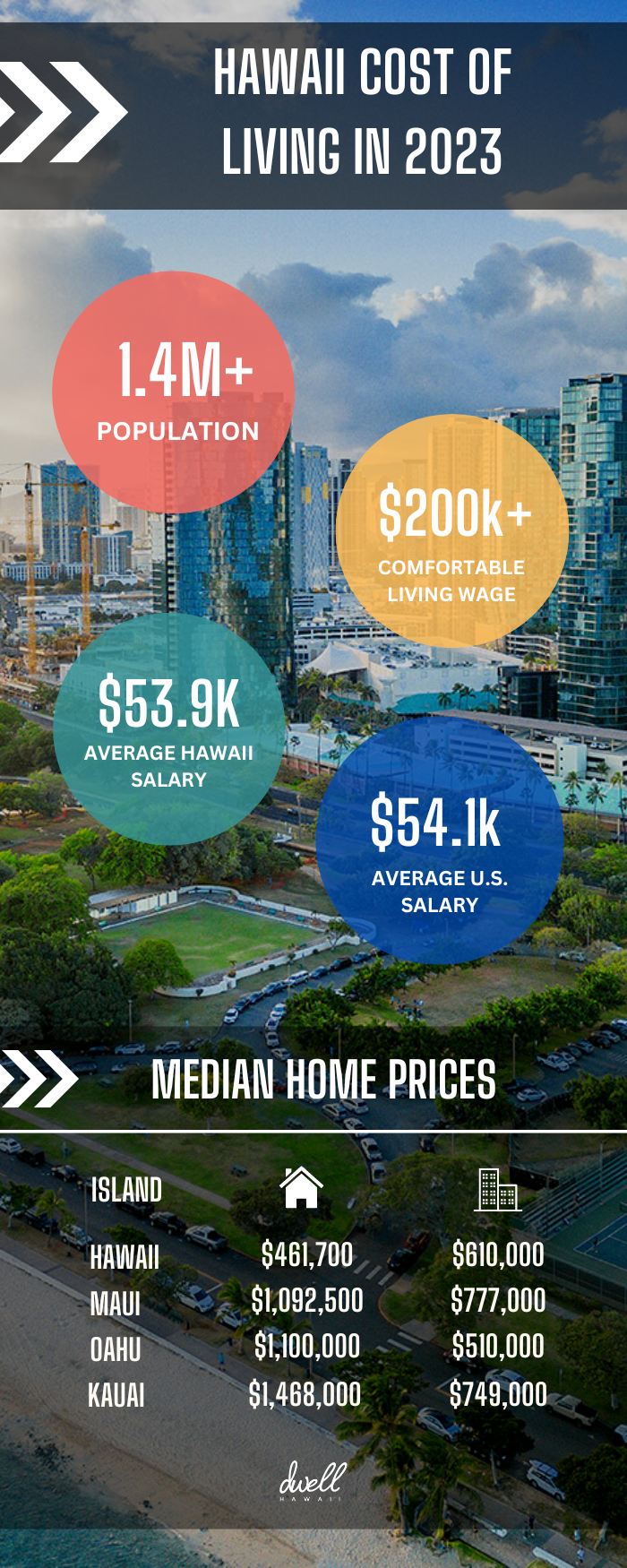
Housing is undeniably the largest single expenditure for most residents in Hawaii, significantly outpacing national averages. The islands face unique challenges that drive up property values and rental rates, including limited land availability, high demand from both residents and tourists, and the substantial cost of importing construction materials.
Rental Market Realities
Renting in Hawaii can be a substantial financial commitment. Even a modest one-bedroom apartment in Honolulu, the state capital and most populous city, can command a monthly rent well over $2,000. Two-bedroom apartments often exceed $2,500, and in desirable neighborhoods or with ocean views, these figures can climb considerably higher. Outside of Oahu, while some outer islands might offer slightly lower rates, the overall trend remains significantly above the mainland. Factors such as proximity to beaches, schools, and employment centers, as well as the overall condition and amenities of the property, will influence rental prices. For those seeking more space or a family-friendly environment, renting a house will naturally incur even greater costs, frequently reaching $3,500 or more per month.
Homeownership Hurdles
For prospective homeowners, the barrier to entry is even more formidable. The median home price in Hawaii is often double or even triple the national median. This disparity is exacerbated by the limited supply of available land and the intense competition for properties. Single-family homes, especially those with desirable features like yards or desirable locations, can easily sell for over $800,000, with prices in prime areas like Honolulu and Maui often pushing past the $1 million mark. Even condominiums, while generally more affordable than single-family homes, still represent a significant investment, with median prices frequently in the $500,000 to $600,000 range. Property taxes, while not as exorbitant as in some other high-cost states, are still a consideration, and homeowners insurance can also be more expensive due to the risk of natural disasters like hurricanes and tsunamis.
The Cost of Doing Business (and Building)
The high cost of construction materials, which must be shipped to the islands, plays a crucial role in driving up both rental and purchase prices. This logistical challenge adds a premium to every aspect of building and renovation, impacting the affordability of new developments and existing properties alike. Furthermore, the high demand for housing, fueled by a strong tourism industry and a desire for island living, consistently outstrips supply, creating a seller’s or landlord’s market.
Beyond Housing: Everyday Expenses in the Islands
While housing is the most significant cost, many other everyday expenses in Hawaii are also higher than the national average. This is largely due to the state’s geographical isolation, which necessitates importing a vast majority of goods.
Groceries and Food Costs
The cost of groceries in Hawaii is notably higher than on the mainland. Everything from fresh produce to packaged goods has to be transported across vast stretches of ocean, incurring substantial shipping fees and surcharges. This translates to higher prices at supermarkets, with staples like milk, eggs, bread, and fresh fruits and vegetables often costing 30% to 60% more than in comparable states. Even local produce, while often fresher and of excellent quality, can be more expensive than in regions where it’s grown in abundance. Eating out also reflects these elevated costs, with restaurant meals, even at casual establishments, generally costing more than what mainland diners might expect.
Transportation: The Island Commute
Transportation costs in Hawaii can be a mixed bag, depending on your location and lifestyle. On Oahu, public transportation, primarily TheBus, offers a relatively affordable way to get around Honolulu and its surrounding areas. However, for many residents, particularly those living outside major urban centers or on other islands, owning a car is a necessity. Car prices in Hawaii are typically higher than on the mainland due to shipping costs. Insurance rates can also be elevated, particularly in areas with higher traffic density and accident rates. Fuel prices have historically been higher in Hawaii, reflecting global oil prices and the added cost of transportation to the islands.
However, the absence of extensive interstate highway systems and the generally smaller geographical size of the islands can mean shorter commute distances for many. For those who can forgo car ownership, relying on public transit, cycling, or walking can significantly mitigate transportation expenses. The popularity of rideshare services also offers an alternative, though costs can add up quickly with frequent use.
Utilities: Keeping the Lights On (and the AC Running)
Utility costs in Hawaii can also be a significant drain on household budgets. Electricity prices are among the highest in the nation. This is largely due to Hawaii’s reliance on imported fossil fuels for electricity generation. While the state is making strides in renewable energy, particularly solar, the transition is ongoing, and the cost of electricity remains a substantial monthly expense for residents. Water, while generally abundant, also incurs costs for treatment and distribution. Internet and cable services are also typically more expensive in Hawaii compared to the mainland, again, a reflection of the logistical challenges of providing these services to remote islands.
Discretionary Spending and the “Hawaii Premium”
Beyond the essential costs, discretionary spending in Hawaii often carries an additional “Hawaii premium.” This refers to the increased cost of goods and services that are not directly related to basic survival but contribute to lifestyle and leisure.
Entertainment and Recreation
The allure of Hawaii lies in its natural beauty and abundant recreational opportunities. While many of these activities, such as hiking, swimming, and enjoying the beaches, are free, others come with a price tag. Popular tourist activities like luaus, boat tours, and surfing lessons can be expensive. Even local entertainment, such as concerts or sporting events, may carry higher admission fees. The cost of visiting other islands for day trips or short getaways can also add up, with inter-island flights contributing to travel expenses.
Shopping for Goods
The cost of goods beyond groceries, such as clothing, electronics, and household items, is also influenced by the “Hawaii premium.” Retailers face the same shipping costs for these items as they do for food. Consequently, consumers often find themselves paying more for the same products they could purchase at a lower price on the mainland. While online shopping offers an alternative, shipping costs for larger items can negate any savings, and some online retailers may even impose surcharges for delivery to Hawaii. This often leads residents to plan purchases carefully, take advantage of sales when available, or travel to the mainland for significant shopping trips.
The Impact on Savings and Financial Planning
The cumulative effect of these elevated costs makes saving and long-term financial planning a significant challenge for many Hawaii residents. While wages in Hawaii have historically been somewhat higher than the national average in certain sectors, they often do not fully compensate for the disproportionately higher cost of living. This can lead to a situation where individuals are working hard but struggling to build savings, pay down debt, or achieve long-term financial goals like retirement. Understanding these financial realities is crucial for anyone considering a move to Hawaii, allowing for realistic budgeting and financial preparedness.
Strategies for Navigating Hawaii’s Cost of Living
While the cost of living in Hawaii is undeniably high, it doesn’t mean that island life is out of reach for everyone. With careful planning, smart budgeting, and a willingness to adapt, residents can successfully manage their finances and enjoy the unique benefits of living in this Pacific paradise.
Budgeting and Financial Literacy
The first and most crucial step is to create a detailed budget that accurately reflects the higher costs of essential goods and services in Hawaii. This involves meticulously tracking income and expenses, identifying areas where spending can be reduced, and prioritizing financial goals. Financial literacy is key, empowering individuals to make informed decisions about their money. This includes understanding loan terms, investment options, and strategies for debt reduction.
Smart Shopping and Resourcefulness
Making informed purchasing decisions is paramount. This can involve shopping at discount grocery stores, utilizing farmers’ markets for fresh produce, and taking advantage of sales and promotions. For non-essential items, consider purchasing second-hand goods from thrift stores or online marketplaces. Many communities have robust “buy nothing” groups or swap meets where residents can exchange items, further reducing the need for new purchases. Embracing a more minimalist lifestyle and focusing on experiences over material possessions can also contribute to significant savings.
Leveraging Local Resources and Community Support
Hawaii has a strong sense of community, and leveraging local resources can be beneficial. This can include participating in community gardens, sharing resources with neighbors, and supporting local businesses that may offer more competitive pricing due to reduced shipping costs. For those looking to supplement their income, exploring local side hustles or freelancing opportunities that cater to the island economy can be a viable option.

Long-Term Financial Planning and Investment
For those with long-term aspirations in Hawaii, such as homeownership or retirement, proactive financial planning is essential. This might involve aggressive saving strategies, exploring lower-cost housing options on the periphery of more expensive areas, or considering opportunities for career advancement that offer higher earning potential. Investing wisely, even with smaller amounts, can help build wealth over time. Understanding the nuances of the Hawaiian economy and seeking advice from financial professionals who specialize in the region can also be invaluable. While the cost of living is a significant factor, with strategic financial management, the dream of living in Hawaii can become a sustainable reality.
aViewFromTheCave is a participant in the Amazon Services LLC Associates Program, an affiliate advertising program designed to provide a means for sites to earn advertising fees by advertising and linking to Amazon.com. Amazon, the Amazon logo, AmazonSupply, and the AmazonSupply logo are trademarks of Amazon.com, Inc. or its affiliates. As an Amazon Associate we earn affiliate commissions from qualifying purchases.