
The quest for the “best” Bible translation is a deeply personal and often complex journey for many. Historically, this pursuit involved poring over physical books, consulting with scholars, and engaging in lengthy discussions. However, in the digital age, technology has revolutionized how we access, compare, and understand different Bible translations. This article explores the technological advancements that have shaped the landscape of Bible translation, empowering individuals to make informed choices based on their needs and preferences, from parsing complex linguistic nuances to leveraging AI for deeper comprehension.
The Digital Reformation: Access and Accessibility in the Palm of Your Hand
The advent of the internet and the proliferation of digital devices have fundamentally altered how we interact with religious texts. What was once confined to libraries, church pews, and personal bookshelves is now instantly available, often for free, across a vast array of platforms. This unprecedented accessibility has democratized the study of scripture and, in turn, has highlighted the importance of understanding the differences between translations.
The Rise of Bible Apps and Online Platforms
The most significant technological driver in making Bible translations accessible has been the development of dedicated Bible apps and comprehensive online platforms. These digital tools have moved beyond simple text display, offering a sophisticated suite of features that cater to various user needs.
- Ubiquitous Availability: Smartphones, tablets, and computers have become the primary conduits for accessing biblical texts for a significant portion of the global population. Apps like YouVersion (Life.Church), Bible Gateway, and Logos Bible Software provide access to dozens, sometimes hundreds, of different translations, often downloadable for offline use. This allows for scripture study on the go, during commutes, or in locations where physical Bibles might be impractical.
- Multi-Translation Comparison: A core feature of modern Bible apps is the ability to view multiple translations side-by-side. This is invaluable for those seeking to grasp the nuances of a particular passage. By seeing how different translators have rendered a verse, readers can gain a deeper appreciation for the original languages and the interpretive choices made. This feature alone is a technological marvel that was practically impossible to replicate with print resources for the average individual.
- Search and Indexing: Advanced search functionalities within these platforms allow users to find specific verses, keywords, or phrases across all available translations. This significantly streamlines research and study, enabling quick retrieval of information and facilitating cross-referencing. The efficiency gained through digital indexing is a testament to how technology has amplified our ability to engage with complex texts.
- Integrated Commentaries and Dictionaries: Many digital Bible platforms go beyond mere text by integrating scholarly commentaries, theological dictionaries, and cross-references directly into the reading experience. This allows users to delve into the historical, cultural, and linguistic context of scripture with unparalleled ease, transforming a simple reading into a rich academic exploration.
E-Readers and the Digital Library
Beyond dedicated Bible apps, e-readers like Kindle and Kobo have also played a role in the dissemination of Bible translations. While their features might be less specialized, they offer a convenient way to access and read various translations in a familiar digital format. The ability to adjust font sizes, highlight passages, and add notes digitally further enhances the reading experience, making it more personalized and adaptable to individual preferences. This convergence of traditional reading devices with specialized religious content underscores the broad impact of digital publishing on religious literature.
Decoding the Nuances: Linguistic Analysis Tools and AI Assistance
Choosing the “best” translation often hinges on understanding the linguistic philosophies and methodologies employed by translators. Technology, particularly in the realm of computational linguistics and artificial intelligence, is now offering powerful tools to help users decipher these complexities.
Algorithmic Analysis and Lexical Tools
The process of Bible translation involves making decisions about how to render ancient Hebrew, Aramaic, and Greek words and phrases into modern languages. Different translations prioritize different approaches, such as literal word-for-word translation, dynamic equivalence (capturing the meaning), or thought-for-thought rendering. Technology is enabling a more objective look at these choices.

- Lexical Databases and Concordances: Advanced digital concordances and lexical databases allow users to explore the original Greek and Hebrew terms underlying English words. These tools often provide definitions, root words, and instances of usage within the biblical text and even in other ancient literature. This empowers readers to move beyond the English rendering and investigate the linguistic building blocks of scripture, facilitating a deeper understanding of specific terms and their potential interpretations.
- Statistical Analysis of Translation Patterns: While not always directly accessible to the average user, researchers and developers are using computational methods to analyze translation patterns across various versions. This can reveal trends in how specific words or grammatical structures are handled, providing insights into the underlying translation philosophy of a particular version. As these analyses become more democratized through user-friendly interfaces, they will offer powerful tools for discerning the subtle differences between translations.
- Interlinear Bibles and Reverse Interlinears: The concept of an interlinear Bible, where the original language text is presented alongside a word-for-word English translation, has been a staple for serious students of scripture. Technology has made these resources more dynamic and interactive. Reverse interlinear Bibles, which present English text with hyperlinks to the underlying original language words, are particularly powerful, allowing users to click on any English word and immediately see its Hebrew or Greek equivalent, along with contextual information.
The Emerging Role of AI in Bible Translation Understanding
Artificial Intelligence (AI) is beginning to make its mark on how we understand and interact with Bible translations, promising to unlock new levels of comprehension and personal engagement.
- AI-Powered Textual Analysis: AI algorithms are capable of analyzing vast amounts of text and identifying patterns, themes, and semantic relationships that might elude human readers. In the context of Bible translations, AI can be used to:
- Identify Translation Consistency: AI can analyze how consistently a particular word or phrase is translated across different passages within a single translation, or how it is rendered differently across multiple translations. This can help users understand the translator’s approach and potential biases.
- Summarize Complex Passages: For challenging or lengthy biblical texts, AI can generate concise summaries, highlighting key themes and theological points, making them more accessible to a broader audience.
- Contextual Explanation: AI can draw upon a vast knowledge base to provide context for specific verses, explaining historical events, cultural practices, or theological concepts that might be unfamiliar to modern readers.
- Personalized Learning Pathways: Future AI applications could potentially create personalized learning pathways based on a user’s reading habits, theological interests, and comprehension levels. This could involve recommending specific translations or study resources that best suit an individual’s journey. Imagine an AI suggesting that for a deeper dive into Pauline theology, a reader might benefit from examining how the ESV and NASB handle specific Greek conjunctions, while a reader focused on devotional reading might prefer the NLT for its readability.
- Bridging Linguistic Gaps: While still in its nascent stages, AI is also being explored for its potential in assisting with translation itself, or at least in bridging linguistic gaps for readers. This could involve real-time contextual translation of difficult terms or even AI-assisted commentary generation that is tailored to specific translation choices.
Navigating the Digital Landscape: Choosing Your “Best” Translation with Tech
With the vast array of translations and sophisticated digital tools at our disposal, the question of the “best” translation becomes less about finding a single definitive answer and more about equipping oneself with the knowledge and resources to make an informed choice. Technology empowers this discernment process.
Criteria for Selection in the Digital Age
When considering which translation best suits your needs, technology can provide the data and tools to evaluate them based on specific criteria:
- Translation Philosophy: Understanding the difference between formal equivalence (word-for-word) and dynamic equivalence (meaning-for-meaning) is crucial. Many Bible apps and websites offer clear explanations of the translation philosophy behind each version they host. By comparing how difficult passages are rendered in translations with different philosophies, you can begin to appreciate their strengths and weaknesses for your study goals.
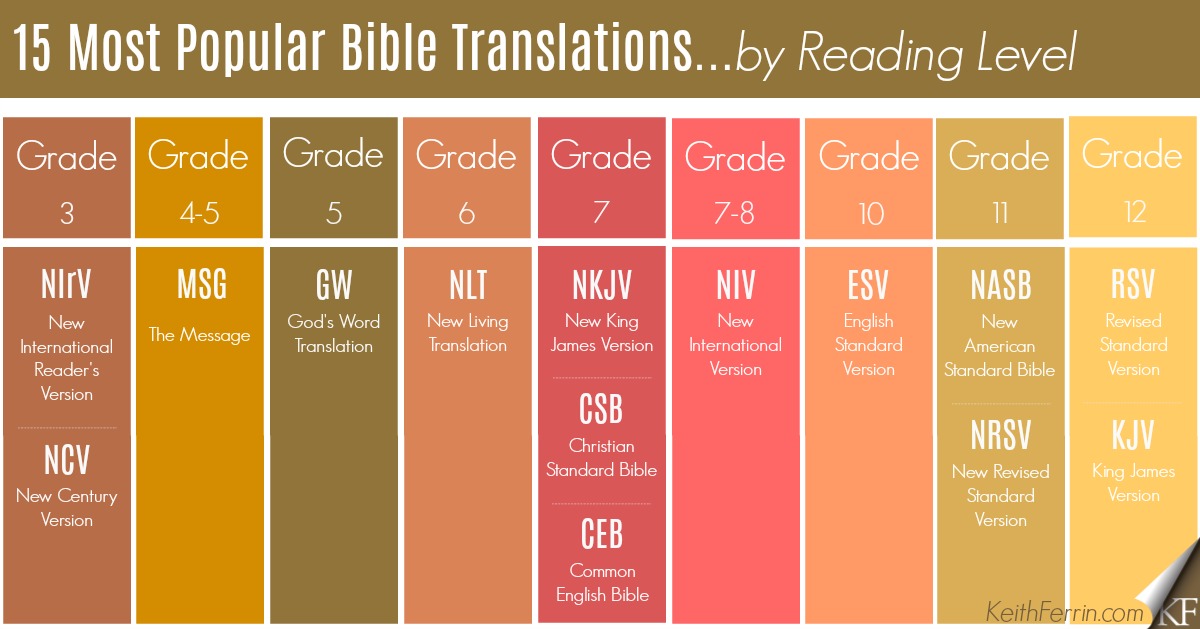
- Readability and Comprehension: While not solely a technological concern, digital tools can help assess readability. Features like adjustable font sizes and the ability to compare translations side-by-side allow you to gauge which rendering feels most natural and understandable to you for devotional reading or initial engagement with scripture.
- Target Audience and Purpose: Some translations are specifically designed for children, students, or those new to the faith. Digital platforms often categorize translations, making it easier to identify those aligned with your intended use. For academic study, translations that prioritize textual accuracy and linguistic precision, often accompanied by critical notes, will be more suitable.
- Linguistic Accuracy vs. Idiomatic Flow: This is where technology truly shines. By using interlinear Bibles, lexical tools, and multi-translation comparison features, you can directly investigate how accurately a translation reflects the original languages versus how smoothly it reads in English. A translation that is highly literal might sacrifice flow, while a highly idiomatic one might lose some nuance. Technology allows you to see both sides of this coin.

Leveraging Digital Tools for Personal Evaluation
The most effective way to find your “best” Bible translation is through active, informed engagement. Technology offers unparalleled opportunities for this:
- Interactive Comparison Tools: Utilize the side-by-side comparison features in Bible apps. Select a challenging passage and observe how different translations handle it. Note the variations in word choice, sentence structure, and even the omission or addition of phrases.
- Search for Specific Terms: If you are studying a particular theological concept or Greek/Hebrew word, use the search and lexical tools to see how different translations approach its rendering across various contexts.
- Engage with Community Features: Many digital Bible platforms incorporate social features, allowing users to share notes, insights, and even discuss translation differences. While not purely technological, these community aspects are facilitated by the digital infrastructure and can offer valuable perspectives.
- Explore Academic Resources: Many academic articles and theological blogs are now digitized and readily accessible. These resources often leverage technological tools for linguistic analysis and can provide in-depth evaluations of various Bible translations, helping you to make a more informed, tech-assisted decision.
In conclusion, while the “best” Bible translation remains a personal discovery, technology has profoundly transformed the process. From unprecedented accessibility to sophisticated analytical tools and the burgeoning potential of AI, the digital age empowers individuals to move beyond simple preference and engage in a discerning, informed quest for the translation that best illuminates the timeless truths of scripture for their lives. The journey is now more informed, more accessible, and more personalized than ever before, thanks to the ever-evolving technological landscape.
aViewFromTheCave is a participant in the Amazon Services LLC Associates Program, an affiliate advertising program designed to provide a means for sites to earn advertising fees by advertising and linking to Amazon.com. Amazon, the Amazon logo, AmazonSupply, and the AmazonSupply logo are trademarks of Amazon.com, Inc. or its affiliates. As an Amazon Associate we earn affiliate commissions from qualifying purchases.