
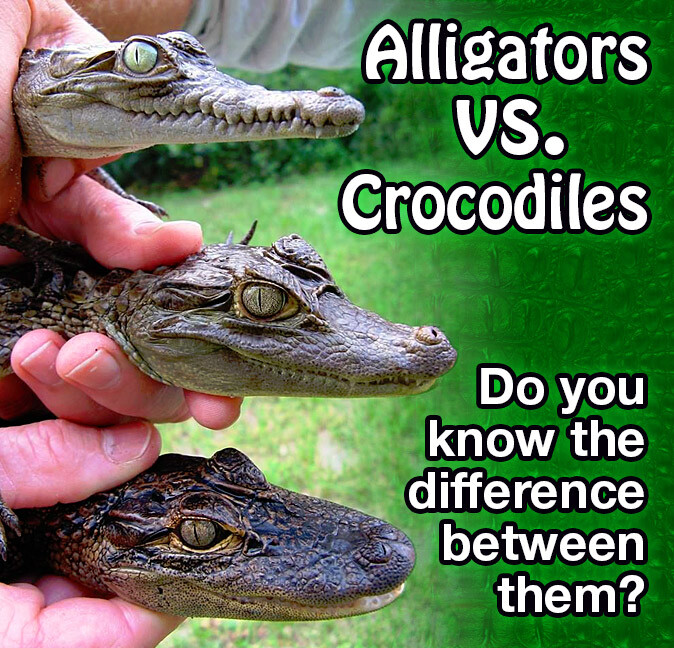
The age-old question of whether alligators or crocodiles pose a greater threat often sparks vivid imagery of primal power and predatory prowess. While the biological differences are significant and directly influence their potential danger to humans, our understanding and perception of this danger are increasingly shaped by technology. From advanced tracking systems that monitor their movements to sophisticated imaging techniques that reveal their hidden behaviors, technology plays a pivotal role in how we assess, manage, and even coexist with these formidable reptiles. This article delves into the technological advancements that allow us to quantify, predict, and potentially mitigate the risks associated with alligators and crocodiles, offering a unique perspective on their comparative dangers.
Tracking the Apex Predators: Technological Tools for Understanding Behavior
The ability to accurately track and study the movements and habits of alligators and crocodiles has been revolutionized by technology. Gone are the days of rudimentary observation; modern science employs a suite of sophisticated tools to gain unprecedented insights into their lives, which directly informs our understanding of their dangerous potential.
Satellite Telemetry and GPS Tracking
One of the most impactful technological advancements in wildlife research is the application of satellite telemetry and GPS (Global Positioning System) tracking. Small, lightweight transmitters are surgically implanted or attached to the animals, allowing researchers to monitor their location and movement patterns in real-time or with periodic data uploads.
- Alligators: For alligators, particularly those in large freshwater systems like the Everglades, GPS tracking has revealed extensive home ranges and migratory behaviors that were previously unknown. Understanding the distances they travel, their preferred habitats, and their seasonal movements helps conservationists and park managers delineate high-risk areas and develop effective public safety advisories. For instance, tracking data can show how alligators might move closer to human-populated areas during certain times of the year, perhaps for mating or seeking more abundant food sources. This granular data allows for a more precise assessment of localized danger than broad generalizations.
- Crocodiles: Crocodile research, often in more challenging marine or brackish environments, also benefits immensely from GPS technology. Tracking saltwater crocodiles, for example, has shown their remarkable ability to traverse vast oceanic distances, crossing saltwater barriers that alligators cannot tolerate. This understanding is crucial for predicting where human encounters might be more likely, especially in coastal regions or islands where human and crocodile habitats overlap. The ability to pinpoint their presence in specific waterways or coastal areas allows for targeted warnings and the implementation of preventative measures.
Acoustic Monitoring and Underwater Sensors
Beyond direct tracking, acoustic monitoring and underwater sensors provide a less invasive way to study these animals. Hydrophones, for example, can detect vocalizations, which are used for communication, territorial defense, and mating. Analyzing these sounds can provide insights into social structures and breeding patterns, indirectly contributing to our understanding of their potentially dangerous interactions.
- Vocalization Analysis: While not directly indicating “danger,” understanding when and why these animals vocalize can reveal periods of heightened territoriality or aggression. For example, male crocodiles often engage in loud bellows during the mating season, a sign of increased activity and potential for conflict if approached. Technological analysis of these sounds, often with advanced signal processing, can help identify specific individuals or social dynamics.
- Environmental Sensors: The deployment of environmental sensors in their habitats can also offer clues. Changes in water temperature, salinity, or the presence of certain prey species can be correlated with increased alligator or crocodile activity, thus indirectly highlighting periods or locations of higher risk.
Imaging and Biometric Technologies: Deconstructing the Threat
The physical characteristics and physiological responses of alligators and crocodiles are critical to understanding their danger. Technology is now allowing us to study these aspects with unprecedented detail, moving beyond visual observation to quantifiable data.
Advanced Imaging Techniques
From high-resolution aerial photography to sophisticated infrared and thermal imaging, technology provides a deeper understanding of how these animals interact with their environment and potential threats.

- Thermal Imaging: Thermal cameras can detect the body heat of alligators and crocodiles, allowing researchers to locate them in murky water or at night. This is invaluable for surveying populations, monitoring their basking behavior (which indicates metabolic activity and readiness to hunt), and even assessing their stress levels. Higher temperatures can sometimes correlate with increased metabolism and activity.
- 3D Scanning and Modeling: Techniques like 3D scanning are used to create detailed anatomical models of alligators and crocodiles. This allows for biomechanical analysis of their jaws, locomotion, and bite force without harming the animals. Understanding the sheer power of a crocodile’s bite, for instance, through detailed technological analysis, provides a more concrete and alarming picture of their danger than anecdotal accounts. These models can be used to simulate attack scenarios and understand the mechanics of injuries.
Biometric Monitoring and Physiological Data
While invasive, the study of a live animal’s physiology using technological tools can reveal crucial data about their stress responses, metabolic rates, and even their decision-making processes when encountering perceived threats.
- Implantable Sensors: In controlled research settings, implantable sensors can monitor heart rate, respiration, and blood chemistry. This data can indicate stress levels and arousal, offering insights into how these animals react to human presence or other perceived dangers. A highly stressed or agitated animal is generally considered more dangerous.
- Cranial and Jaw Biomechanics: Using advanced imaging like CT scans, researchers can create detailed 3D models of their skulls and jaws to analyze bite force and the mechanics of their feeding apparatus. Technological simulations can then quantify the immense power these animals possess, providing a scientific basis for their dangerous reputation. For crocodiles, this often reveals a significantly higher bite force capability compared to alligators, a key factor in their perceived danger.
Predictive Analytics and Artificial Intelligence: Forecasting Encounters
The ultimate goal of much of this technological endeavor is not just to understand the animals themselves, but to predict when and where dangerous encounters might occur. Artificial intelligence (AI) and advanced data analytics are at the forefront of this effort.
Machine Learning for Behavioral Prediction
By feeding vast amounts of data from tracking devices, environmental sensors, and historical encounter records into machine learning algorithms, researchers can begin to build predictive models.
- Habitat Suitability Modeling: AI can analyze environmental factors (water depth, vegetation, temperature, salinity) and correlate them with known alligator and crocodile habitats and activity patterns. This allows for the creation of detailed habitat suitability maps, highlighting areas where these animals are most likely to be found and thus where human caution is most warranted.
- Encounter Probability Forecasting: By integrating data on animal behavior, human activity patterns (e.g., recreational use of waterways), and environmental conditions, AI can generate probabilistic forecasts for dangerous encounters. This could manifest as real-time alerts for specific areas or long-term advisories based on seasonal trends. For instance, an AI system might flag a particular stretch of river as having a high probability of crocodile presence during a specific tide cycle when combined with recent tracking data and human boat traffic.
Early Warning Systems and Public Alerts
The insights derived from AI and predictive analytics can be integrated into public warning systems and smart technologies.
- Smart Signage and Mobile Alerts: As technology advances, we may see intelligent signage deployed in known alligator and crocodile territories that can dynamically update based on real-time threat assessments. Mobile applications could also provide personalized alerts to users based on their location and the current predicted risk level.
- Drone Surveillance and Monitoring: Drones equipped with thermal cameras and high-resolution sensors can provide aerial surveillance of waterways, identifying the presence of large reptiles. This can be used to temporarily close off areas, monitor nesting sites, or track animals that have strayed into populated areas, offering an immediate technological response to a potential danger. The speed and scope of drone deployment can be crucial in rapidly assessing and responding to a perceived threat.
Conclusion: Technology as the New Frontier in Understanding Danger
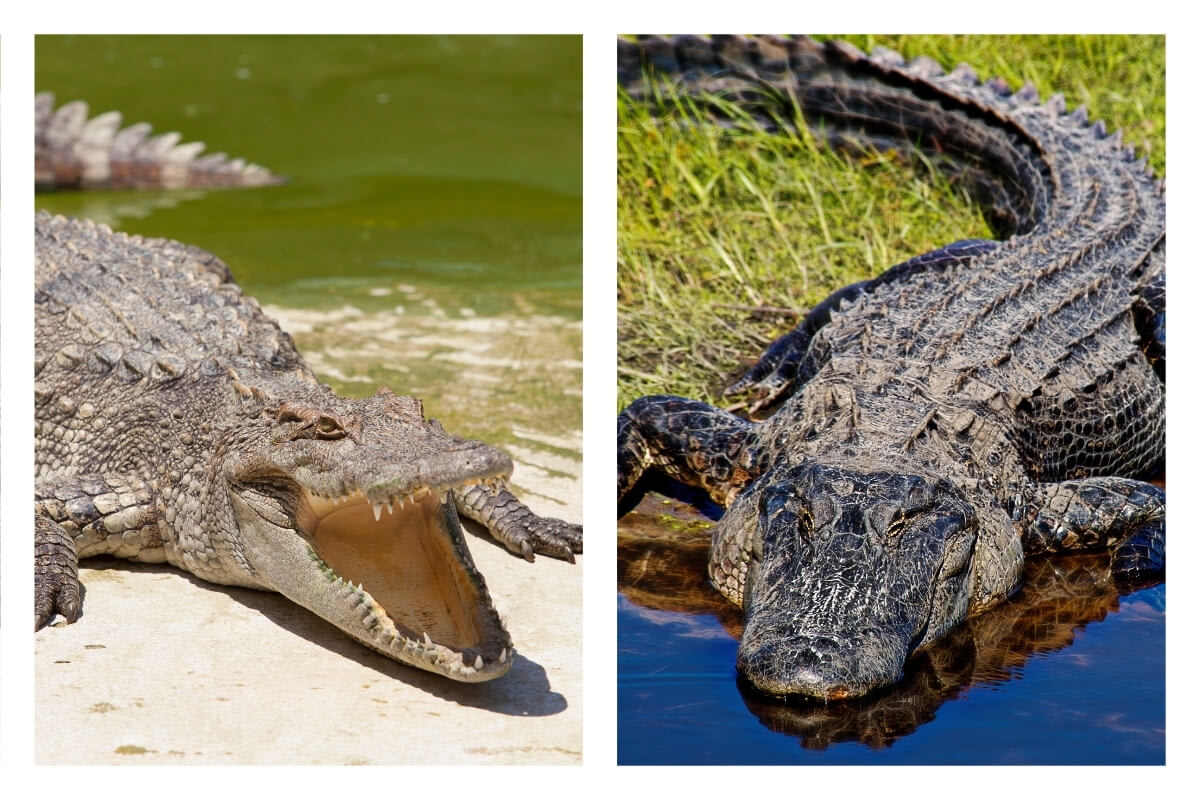
While the innate biological differences between alligators and crocodiles undoubtedly contribute to their respective levels of danger – with crocodiles generally possessing a more formidable bite, greater aggression, and tolerance for saltwater environments – our modern ability to quantify, understand, and predict that danger is entirely a product of technological innovation. From the humble GPS tracker to the sophisticated algorithms of artificial intelligence, technology is continuously refining our perception and management of these ancient predators.
The question of “what’s more dangerous” is no longer solely a matter of zoological fact but is increasingly influenced by the data we collect, the models we build, and the early warning systems we deploy. As technology continues to evolve, our capacity to coexist safely with these powerful creatures will hinge on our ability to leverage these tools to foster informed respect rather than unfounded fear. The ongoing technological revolution in wildlife monitoring and analysis is, in essence, demystifying the inherent dangers and empowering us to make safer decisions in their world.
aViewFromTheCave is a participant in the Amazon Services LLC Associates Program, an affiliate advertising program designed to provide a means for sites to earn advertising fees by advertising and linking to Amazon.com. Amazon, the Amazon logo, AmazonSupply, and the AmazonSupply logo are trademarks of Amazon.com, Inc. or its affiliates. As an Amazon Associate we earn affiliate commissions from qualifying purchases.