
The automotive landscape is a complex ecosystem of engineering, innovation, and, importantly, a significant financial investment for consumers. Beyond the initial purchase price, understanding the long-term financial implications of vehicle ownership is paramount. A cornerstone of this understanding lies in the vehicle’s warranty. For Hyundai, a globally recognized automotive brand known for its commitment to value and quality, its warranty program represents a crucial aspect of the ownership experience, directly impacting the financial peace of mind for its customers. This exploration delves into the intricacies of Hyundai’s warranty offerings, dissecting its components, outlining its significance for consumers, and providing insights into how it functions as a vital part of the overall financial calculus of owning a Hyundai vehicle.
The Pillars of Hyundai’s Comprehensive Warranty Program
Hyundai distinguishes itself in the competitive automotive market through a robust and industry-leading warranty package. This program is designed to provide owners with confidence and security, covering a wide spectrum of potential issues that may arise over the lifespan of their vehicle. Understanding the individual components of this warranty is key to appreciating its value and effectively utilizing its benefits.
The New Vehicle Limited Warranty (Bumper-to-Bumper)
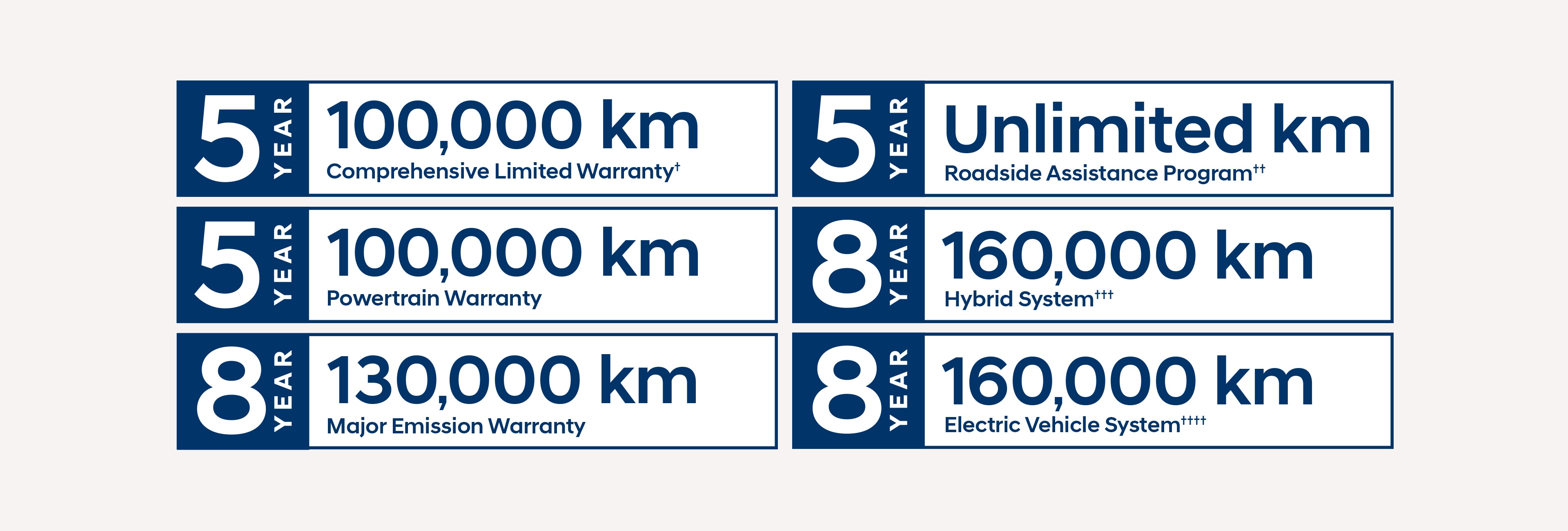
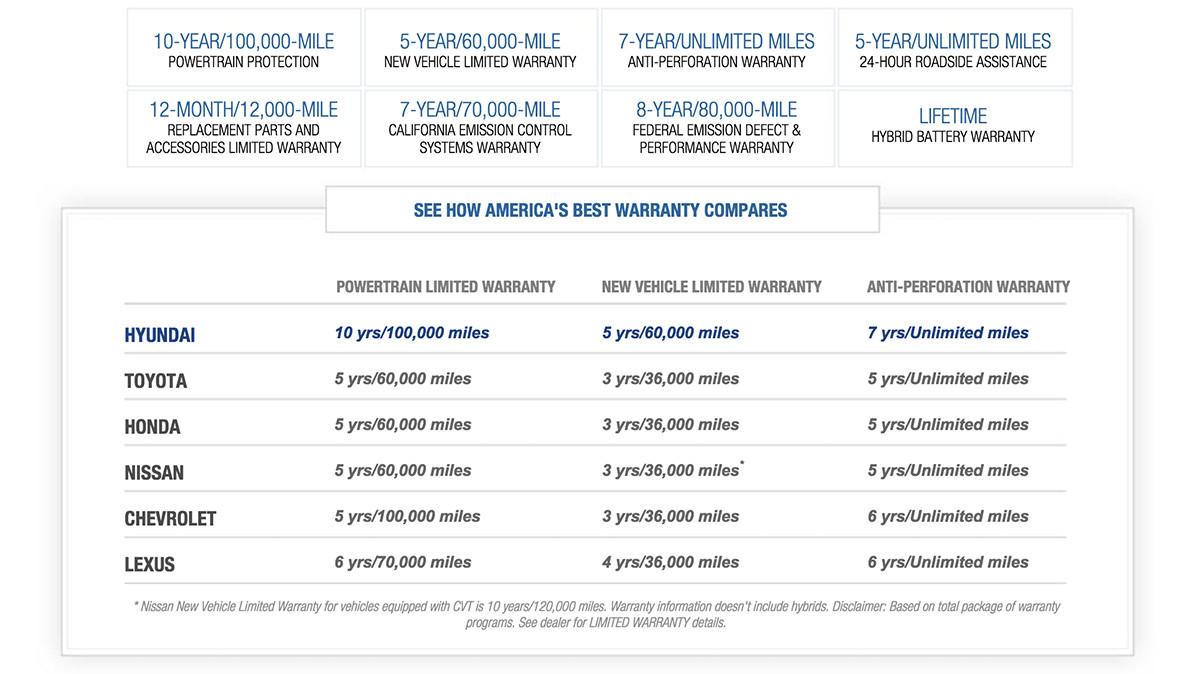
At the core of Hyundai’s protection is the New Vehicle Limited Warranty, often referred to as the “bumper-to-bumper” warranty. This comprehensive coverage extends for a significant period, typically five years or 60,000 miles, whichever comes first. This warranty is designed to cover most of the vehicle’s components, excluding wear-and-tear items like tires and brake pads, as well as certain consumables such as fluids. It is a testament to Hyundai’s confidence in the quality and durability of its manufacturing processes and the components it utilizes. The primary objective of this warranty is to safeguard owners from unexpected repair costs related to defects in materials or workmanship. This includes issues with the engine, transmission, electrical systems, and most other factory-installed parts. For a new car buyer, this extensive coverage significantly mitigates the financial risk associated with unforeseen mechanical failures, allowing for predictable budgeting and reducing the anxiety of potential large repair bills in the initial years of ownership.
The Powertrain Limited Warranty
Complementing the New Vehicle Limited Warranty is the Powertrain Limited Warranty, a critical component that provides extended protection for the most vital and expensive parts of the vehicle. Hyundai typically offers this coverage for an impressive ten years or 100,000 miles, whichever limit is reached first. This warranty is specifically focused on the engine, transmission, and drivetrain components – the heart and soul of the automobile. Given the substantial cost of repairing or replacing these major systems, the lengthy coverage provided by Hyundai’s powertrain warranty offers a remarkable layer of financial security. It underscores Hyundai’s commitment to the longevity and reliability of its vehicles, particularly for those who prioritize these aspects in their purchasing decisions. For owners who plan to keep their vehicles for an extended period, or for those who frequently travel long distances, the powertrain warranty is an invaluable financial safeguard, preventing potentially devastating repair expenses from derailing their personal or household budgets.
The Lifetime Hybrid/Electric Vehicle Battery Warranty
In an era where sustainable transportation is rapidly gaining traction, Hyundai has demonstrated a forward-thinking approach by offering a Lifetime Hybrid/Electric Vehicle Battery Warranty for its hybrid and electric models. This exceptional coverage is unique in the industry and addresses a key concern for consumers considering alternative fuel vehicles: the longevity and cost of battery replacement. This warranty, often referred to as the “Lifetime” warranty, typically covers the hybrid or electric vehicle battery for as long as the original owner possesses the vehicle. This offers unparalleled financial peace of mind, as battery replacement can be one of the most significant expenses associated with owning an EV or hybrid. It removes a considerable financial barrier for potential buyers, making Hyundai’s eco-friendly offerings more attractive and financially accessible. This commitment not only boosts consumer confidence but also aligns with Hyundai’s broader vision of sustainable mobility, reinforcing its brand as an innovative and responsible automotive manufacturer.
Other Notable Warranty Coverages
Beyond the core New Vehicle, Powertrain, and Hybrid/EV Battery warranties, Hyundai typically includes several other specialized coverages that further enhance the owner’s financial protection and ownership experience. These can include:
- Anti-Perforation Warranty: This typically covers rust-through of the vehicle’s body sheet metal from the inside out, usually for a period of five years or an unlimited mileage. This ensures the structural integrity and aesthetic appeal of the vehicle are maintained against corrosion.
- Replacement Parts Warranty: If a genuine Hyundai part is purchased and installed by an authorized dealership, it often comes with its own limited warranty. This ensures that repairs made using official parts are also protected against defects.
- Accessory Warranty: Genuine Hyundai accessories purchased and installed at the time of vehicle purchase or by a dealer often carry their own specific warranty coverage, ensuring the quality and functionality of these added features.
These additional coverages, while perhaps less prominent than the primary warranties, contribute to a holistic approach to vehicle protection. They demonstrate a commitment to quality across all aspects of the vehicle, from its core mechanical systems to its exterior shell and added features, providing a comprehensive safety net for the owner’s investment.
The Financial Significance of Hyundai’s Warranty for Consumers
The true value of a Hyundai warranty lies not just in its extensive coverage but in the tangible financial benefits it provides to consumers. In a market where vehicle repair costs can be notoriously high, Hyundai’s warranty acts as a crucial buffer, significantly impacting the overall cost of ownership and enhancing financial predictability.
Mitigating Unexpected Repair Expenses
The most immediate and impactful financial benefit of any vehicle warranty, and particularly Hyundai’s comprehensive package, is the mitigation of unexpected repair expenses. Modern vehicles are intricate machines with thousands of components. While manufacturers strive for reliability, mechanical failures can and do occur. Without a warranty, a significant engine issue, a transmission failure, or an electrical system malfunction could result in repair bills running into thousands of dollars. For many individuals and families, such an unexpected expense can be financially devastating, potentially requiring them to dip into savings, take on debt, or even compromise on essential household expenses. Hyundai’s warranty effectively transfers this financial risk from the consumer to the manufacturer. During the warranty period, covered repairs are performed by authorized Hyundai technicians using genuine Hyundai parts at no cost to the owner beyond any applicable deductible (though many of Hyundai’s core warranties are effectively “zero deductible” for the owner). This predictability allows owners to budget more effectively for their vehicle expenses, knowing that major repair bills for covered issues are largely eliminated.
Enhancing Resale Value and Transferability
A robust warranty program not only protects the original owner but can also contribute to a higher resale value for the vehicle. Many of Hyundai’s warranties, particularly the New Vehicle Limited Warranty, are transferable to subsequent owners. This means that a pre-owned Hyundai with remaining factory warranty coverage is a more attractive proposition to potential buyers. They can have greater confidence in the vehicle’s condition and are protected from unexpected repair costs, much like the original owner. This added layer of security can command a premium in the used car market, ensuring that the owner’s initial investment is better preserved over time. When selling a Hyundai that still has a significant portion of its warranty intact, it can be a compelling selling point that differentiates it from comparable vehicles from brands with less generous warranty offerings. This financial benefit accrues to the owner at the point of sale, maximizing the return on their initial vehicle purchase.
Reducing Total Cost of Ownership
When considering the long-term financial picture of owning a vehicle, the total cost of ownership (TCO) is a critical metric. TCO encompasses not just the purchase price but also fuel, insurance, maintenance, and crucially, repair costs. By significantly reducing or eliminating out-of-pocket expenses for covered repairs, Hyundai’s warranty plays a direct role in lowering the TCO for its vehicles. For many owners, the peace of mind that comes with knowing major repair bills are unlikely to materialize can be invaluable. This predictable expense structure allows for more accurate financial planning and can make vehicle ownership more accessible and sustainable. Over the lifespan of a vehicle, the savings realized through warranty coverage can be substantial, making Hyundai vehicles a financially sound choice for many consumers looking to minimize their long-term automotive expenditures.
Navigating and Maximizing Hyundai Warranty Benefits
Understanding the terms and conditions of a warranty is essential to ensuring its benefits are fully realized. For Hyundai owners, a proactive approach to warranty utilization can prevent financial surprises and maintain the optimal performance and longevity of their vehicle.
Understanding Coverage Limitations and Exclusions
While Hyundai’s warranties are extensive, it is crucial for owners to be aware of their limitations and exclusions. As mentioned, wear-and-tear items such as tires, brake pads, wiper blades, and clutch discs are typically not covered, as their replacement is a normal part of vehicle maintenance. Consumables like oil, filters, and spark plugs are also generally excluded. Furthermore, damage caused by accidents, misuse, neglect, or unauthorized modifications will void warranty coverage for the affected components. Routine maintenance, as specified in the owner’s manual, is a mandatory requirement to keep the warranty valid. Failure to adhere to the recommended service schedule can jeopardize warranty claims. Owners should carefully review their warranty documentation or consult with their local Hyundai dealership to gain a clear understanding of what is and is not covered. This knowledge empowers owners to make informed decisions about repairs and maintenance.
The Importance of Authorized Service Centers
To ensure that warranty coverage remains valid and that repairs are performed to the highest standards, it is strongly recommended that owners utilize authorized Hyundai service centers. These facilities are staffed by factory-trained technicians who have specialized knowledge of Hyundai vehicles and access to genuine Hyundai parts. Using unauthorized repair shops for warranty-covered work can potentially void the warranty on the repaired components or even the entire vehicle, leading to significant unexpected costs down the line. Furthermore, authorized service centers maintain detailed service records, which can be crucial evidence if a warranty claim is ever disputed. While independent mechanics may offer lower prices for routine maintenance, the long-term financial security provided by sticking to authorized service for warranty-related issues is often well worth the investment.
Documenting Maintenance and Repair Records
Meticulous record-keeping is a cornerstone of effective warranty management. Owners should retain all receipts for scheduled maintenance, repairs, and any other services performed on their Hyundai vehicle. This documentation serves as proof that the vehicle has been maintained according to the manufacturer’s specifications, a key requirement for most warranty claims. In the event of a dispute or a complex repair issue, a comprehensive history of maintenance and repairs can be invaluable in substantiating the owner’s case. This includes records of oil changes, tire rotations, filter replacements, and any work performed by authorized service centers. For Hyundai’s hybrid and electric vehicle batteries, which have lifetime warranties, maintaining detailed records of battery health checks and any software updates can also be important. This diligence not only protects the owner’s financial investment but also contributes to the overall longevity and reliability of the vehicle.
In conclusion, Hyundai’s warranty program represents a significant financial commitment from the manufacturer to its customers, offering a comprehensive suite of protections designed to provide long-term financial security and peace of mind. From its industry-leading powertrain coverage to its forward-thinking hybrid and EV battery warranties, Hyundai has established a reputation for backing its vehicles with exceptional support. By understanding the intricacies of these warranties, adhering to maintenance schedules, and utilizing authorized service centers, owners can effectively maximize the financial benefits of their Hyundai, ensuring a more predictable, affordable, and enjoyable ownership experience.
aViewFromTheCave is a participant in the Amazon Services LLC Associates Program, an affiliate advertising program designed to provide a means for sites to earn advertising fees by advertising and linking to Amazon.com. Amazon, the Amazon logo, AmazonSupply, and the AmazonSupply logo are trademarks of Amazon.com, Inc. or its affiliates. As an Amazon Associate we earn affiliate commissions from qualifying purchases.