
The seemingly simple choice between tampons and pads, a recurring decision for millions of individuals each month, extends far beyond personal comfort and convenience. When viewed through a financial lens, the ongoing cost of menstrual hygiene products represents a significant, often overlooked, expenditure. This article delves into the financial implications of choosing between tampons and pads, exploring how seemingly minor differences in price per unit, usage patterns, and long-term purchasing strategies can accumulate over a lifetime, impacting personal budgets and highlighting broader economic disparities. Understanding these financial nuances empowers individuals to make more informed and economically sound decisions regarding their menstrual care.

The Upfront vs. The Long Game: Analyzing Initial Costs and Ongoing Expenditures
The immediate financial consideration when purchasing menstrual products is the upfront cost. However, a truly comprehensive financial analysis requires looking beyond the initial price tag and examining the cumulative expenditure over time. This involves understanding unit pricing, the frequency of purchase, and the potential for bulk buying or subscription services.
Unit Pricing and Per-Cycle Cost Calculations
A fundamental aspect of comparing the financial impact of tampons and pads lies in dissecting their unit pricing. While a single box of pads might appear cheaper than a comparable box of tampons, the actual cost per use can vary significantly. This variability stems from factors such as absorbency levels, brand premium, and the number of products used per menstrual cycle.
For instance, a pack of 16 ultra-thin pads might cost $6, equating to approximately $0.38 per pad. If an individual uses an average of 4 pads per day for a 5-day cycle, the monthly cost for pads would be around $7.60 (4 pads/day * 5 days * $0.38/pad). Conversely, a box of 18 regular tampons might be priced at $7, resulting in roughly $0.39 per tampon. Using an average of 3 tampons per day for the same 5-day cycle brings the monthly cost for tampons to approximately $5.85 (3 tampons/day * 5 days * $0.39/tampon).
These initial calculations suggest that, in this hypothetical scenario, tampons might be slightly more cost-effective on a per-cycle basis. However, these figures are highly generalized. Actual usage can fluctuate based on individual flow intensity, lifestyle, and the desired level of protection. Some individuals may require more absorbent products, which often come at a higher unit price. Furthermore, the availability of promotional offers, store brand alternatives, and loyalty programs can significantly alter these per-cycle cost comparisons. It’s crucial for individuals to track their personal usage and calculate their own per-cycle expenses to gain an accurate understanding of their menstrual product spending.
The Illusion of “Value Packs” and Bulk Buying Strategies
The market often presents “value packs” and larger quantities of menstrual products, promising cost savings. While these can indeed offer a reduced unit price compared to smaller packages, a shrewd financial approach requires careful consideration of several factors before committing to a bulk purchase.
Firstly, storage space is a practical limitation. Large quantities of menstrual products require adequate, dry storage to maintain their integrity. Overstocking without sufficient space can lead to product degradation or an increased likelihood of running out of other essentials due to disorganized inventory.
Secondly, and perhaps more critically from a financial perspective, is the consideration of product obsolescence or a change in personal needs. If an individual’s menstrual cycle or flow intensity changes, or if they discover a preference for a different product type or brand after purchasing a large quantity, they may be left with an excess of unusable or undesirable stock. This can result in a financial loss, negating the perceived savings from the bulk purchase.
Therefore, while bulk buying can be an effective money-saving strategy, it should be approached with a degree of caution. It’s advisable to try out different brands and absorbencies in smaller quantities first to confirm suitability. Once a consistent preference is established, and assuming storage is not an issue, investing in larger, more economical packs can be a sound financial decision. For those with predictable and consistent needs, subscriptions services can also offer consistent discounts and ensure a steady supply, further streamlining the financial management of menstrual care.
Beyond the Per-Unit Price: Hidden Costs and Long-Term Financial Impact
The financial narrative of menstrual products extends beyond the immediate price of each tampon or pad. Several less obvious factors contribute to the overall financial burden, influencing long-term expenditure and highlighting potential inequalities in access to essential hygiene.
The Cost of “The Period Tax” and Accessibility Issues
Historically, menstrual hygiene products have been subject to sales tax in many regions, a phenomenon often referred to as “The Period Tax.” This tax, applied to essential items, places an additional financial burden on individuals who menstruate, making a basic need an item subject to consumer taxation. While many jurisdictions have begun to eliminate or reduce these taxes, their residual presence in some areas continues to represent an ongoing financial drain.
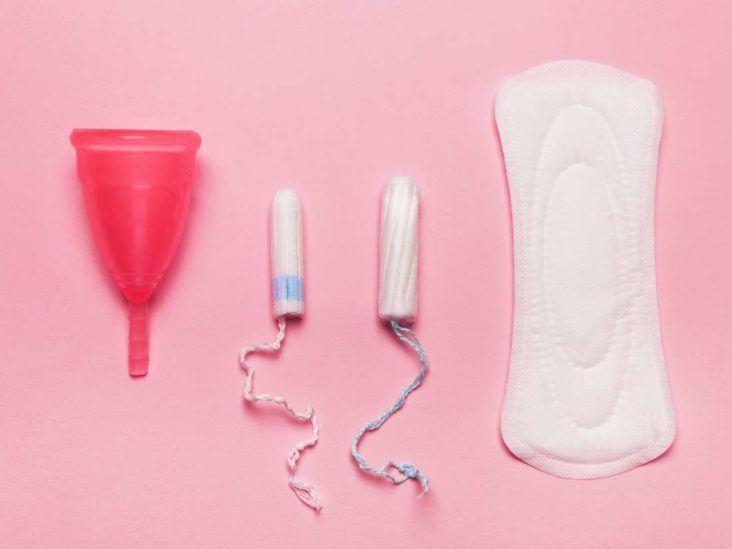
The elimination of the period tax is not just a matter of convenience; it has significant financial implications, particularly for low-income individuals. For those with limited disposable income, the added cost of taxes on menstrual products can strain already tight budgets, potentially forcing difficult choices between essential hygiene and other necessities. Advocacy for the complete removal of these taxes is therefore crucial for promoting economic equity and ensuring accessible menstrual care for all.
Furthermore, the cost of menstrual products can create significant accessibility challenges for individuals in poverty. The inability to afford a consistent supply can lead to missed school days, workdays, and social engagements, perpetuating cycles of disadvantage. This highlights the broader societal cost associated with inadequate access to menstrual hygiene, extending beyond individual spending to impact educational and economic opportunities. Initiatives that provide free or subsidized menstrual products, such as those found in some public restrooms or through charitable organizations, are vital in mitigating these financial barriers and ensuring dignity and well-being.
The Long-Term Investment: Reusable Options and Their Financial Viability
While disposable tampons and pads represent a recurring monthly expense, the emergence of reusable menstrual products offers a compelling alternative with potentially significant long-term financial benefits. Products like menstrual cups and reusable pads, though requiring a higher initial investment, can drastically reduce or even eliminate the ongoing cost of menstrual hygiene over their lifespan.
A menstrual cup, for example, can range in price from $20 to $40. With proper care, these cups can last for several years, sometimes up to 10 years. Over this decade, an individual might spend an estimated $600-$1200 on disposable products (assuming a monthly cost of $5-$10). In contrast, the single purchase of a menstrual cup could save them a substantial amount of money. Similarly, reusable cloth pads, typically priced between $5 and $15 per pad, can also last for several years. While the initial outlay for a set of reusable pads might be higher than a single box of disposables, their longevity translates into considerable savings over time.
The financial viability of reusable options is particularly attractive for individuals who experience long-term menstruation. However, it’s important to consider the initial capital outlay. For individuals with very limited financial resources, the upfront cost of reusable products can be a barrier. Therefore, access to financial assistance programs or the gradual transition to reusable options as finances allow, can be crucial. Furthermore, the learning curve associated with using menstrual cups or the washing and maintenance of reusable pads are factors that individuals should consider. Nevertheless, from a purely financial perspective, reusable menstrual products represent a significant investment that can yield substantial savings over the course of a person’s menstruating life.
Making the Smart Choice: Financial Strategies for Menstrual Product Management
Navigating the financial landscape of menstrual products requires more than just comparing prices; it involves adopting strategic approaches to purchasing and utilization. By implementing smart financial strategies, individuals can optimize their spending and ensure they are not overspending on essential hygiene.
Budgeting and Tracking for Menstrual Expenses
A fundamental principle of sound personal finance is budgeting and diligent tracking of expenditures. This applies equally to menstrual hygiene products. By incorporating menstrual product costs into a regular budget, individuals gain a clear understanding of their monthly spending in this category. This awareness is the first step towards identifying potential areas for savings.
Utilizing simple tools like spreadsheets, budgeting apps, or even a dedicated notebook can facilitate this tracking process. For each menstrual cycle, recording the type of product purchased, the quantity, the brand, and the total cost provides valuable data. Over time, this data allows for the calculation of an average monthly and annual expenditure. This information is not only insightful but also empowers individuals to set realistic spending goals for their menstrual care.
Furthermore, tracking can reveal patterns in usage that might not be immediately apparent. For example, an individual might notice that their product consumption increases during certain times of the month or that certain brands require more frequent changes. This insight can inform purchasing decisions, allowing for the procurement of more appropriate absorbencies or the exploration of alternatives that better suit their needs, ultimately leading to cost efficiencies. By treating menstrual product spending as a distinct budget line item and actively monitoring it, individuals can gain greater control over their finances and make more informed choices.

Leveraging Discounts, Loyalty Programs, and Comparison Shopping
The competitive nature of the consumer goods market means that opportunities for savings on menstrual products are abundant. Proactive individuals can significantly reduce their expenses by actively leveraging discounts, participating in loyalty programs, and engaging in consistent comparison shopping.
Many pharmacies, supermarkets, and online retailers frequently offer sales, coupons, and promotional discounts on tampons and pads. Signing up for store loyalty cards often provides access to exclusive discounts and reward points that can be redeemed on future purchases. Subscribing to email newsletters from preferred brands or retailers can also alert individuals to upcoming sales or special offers.
Comparison shopping, particularly for online purchases, is another powerful financial tool. Websites and apps that aggregate prices from various retailers can quickly highlight where a particular product is being sold at the lowest price. This diligence can prevent impulse buys at higher-priced establishments and ensure that individuals are always getting the best possible deal.
Moreover, some brands offer direct-to-consumer options or subscription services that can provide a cost advantage, especially for regularly used items. These services often come with a discount for regular delivery and the convenience of not having to remember to purchase products. By actively seeking out these savings opportunities, individuals can effectively reduce the financial burden of menstrual care without compromising on the quality or type of products they use. This strategic approach transforms a routine purchase into an opportunity for financial optimization.
aViewFromTheCave is a participant in the Amazon Services LLC Associates Program, an affiliate advertising program designed to provide a means for sites to earn advertising fees by advertising and linking to Amazon.com. Amazon, the Amazon logo, AmazonSupply, and the AmazonSupply logo are trademarks of Amazon.com, Inc. or its affiliates. As an Amazon Associate we earn affiliate commissions from qualifying purchases.