
The humble battery. It powers our essential gadgets, from the trusty remote control to the life-saving medical devices. For decades, two names have dominated the consumer battery landscape: Duracell and Energizer. They are ubiquitous, found on shelves worldwide, and often the default choices for consumers. But when it comes down to performance, longevity, and ultimately, value, which of these titans truly reigns supreme? This article delves beyond the iconic bunny and copper-top to dissect the nuances of Duracell and Energizer, exploring their technological underpinnings, brand strategies, and the economic considerations that influence consumer purchasing decisions.
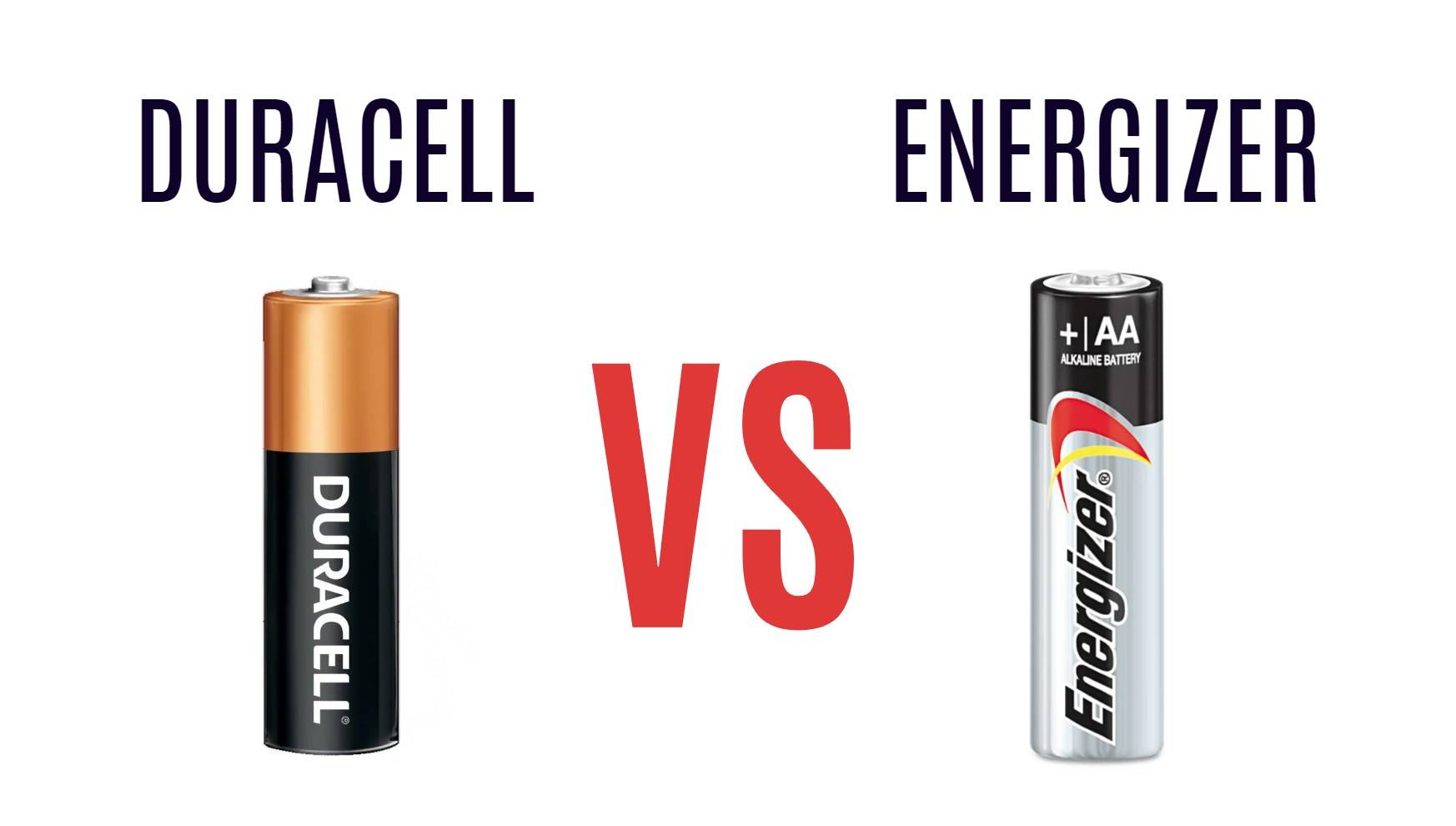
While the question of “what’s better” can seem straightforward, the answer is often multifaceted, depending on the specific application, the user’s priorities, and the evolving battery market. We’ll examine their historical development, their technological advancements, their market positioning, and provide a framework for making an informed choice in a world saturated with power-hungry devices.
The Genesis of Power: A Historical and Technological Overview
The rivalry between Duracell and Energizer isn’t just a modern marketing battle; it’s rooted in a long history of innovation and competition in the alkaline battery market. Understanding their origins and the technological evolution of their core products offers critical insights into their current capabilities.
From Mallory to Duracell: The Copper-Top Legacy
Duracell’s lineage traces back to the Mallory Battery Company, which pioneered alkaline battery technology in the 1950s. The development of the alkaline manganese dioxide battery was a significant leap forward, offering longer shelf life and higher energy density compared to the zinc-carbon batteries that preceded them. The iconic “copper-top” battery, with its distinctive brown and copper casing, became a symbol of reliability and power.
Over the years, Duracell has focused on refining its alkaline chemistry and construction. Their research and development efforts have been geared towards enhancing power output, minimizing self-discharge (the gradual loss of charge over time), and improving leak resistance. This has led to innovations such as their Duralock Power Preserve technology, which claims to keep batteries fresh for up to 10 years in storage. The company has also invested in understanding the unique power demands of different devices, leading to specialized battery lines designed for high-drain applications like digital cameras and gaming controllers.
The Energizer Bunny and the Pursuit of Endurance
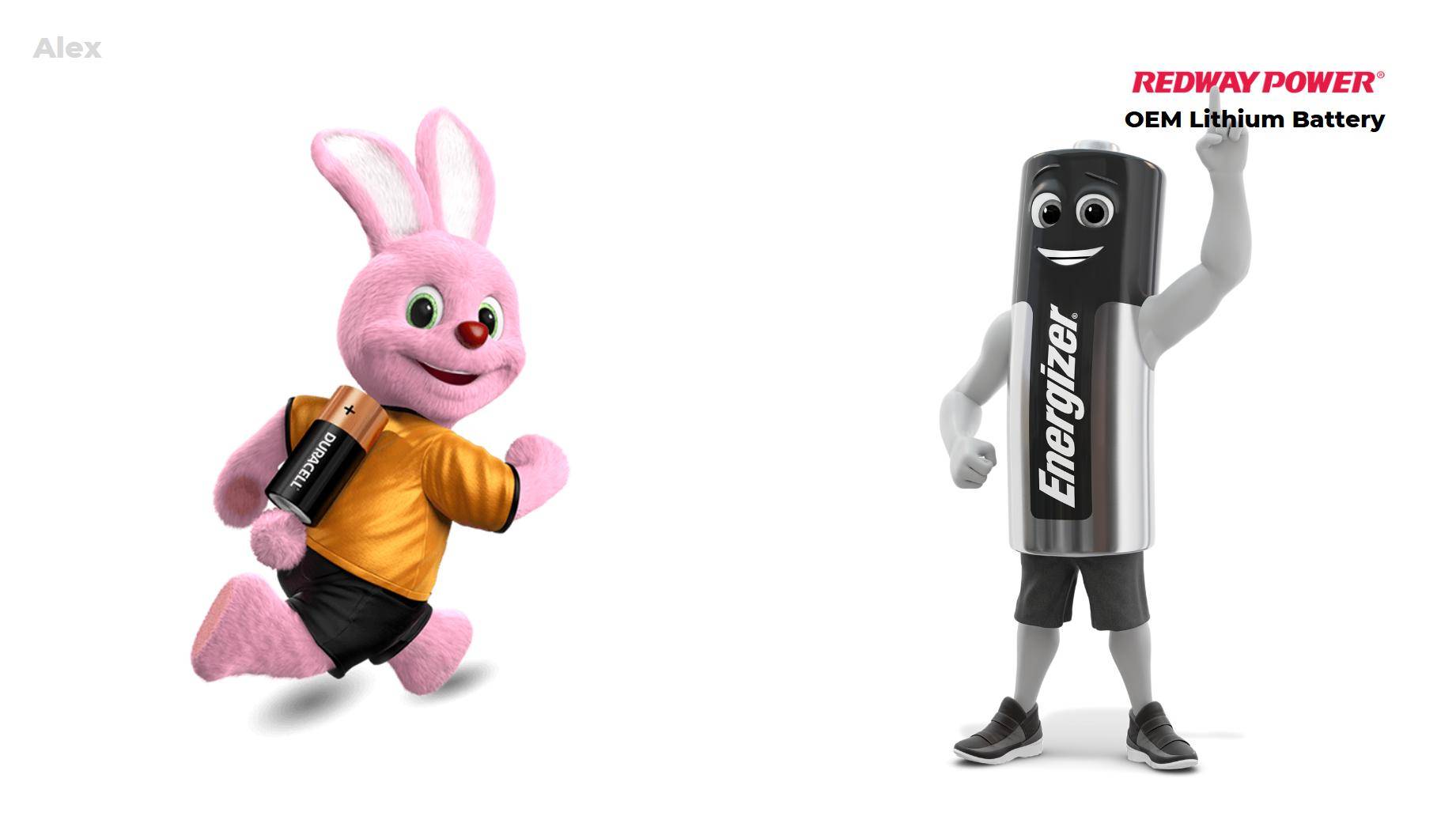
Energizer Holdings, Inc. has its own rich history, emerging from the National Carbon Company, which also played a crucial role in early battery development. Energizer quickly established itself as a formidable competitor, famously leveraging the “Energizer Bunny” mascot in its advertising to symbolize relentless power and endurance.
Energizer’s technological focus has often been on improving the operational life of their batteries in a wide range of devices. They have emphasized advancements in cathode and anode materials, as well as electrolyte formulations, to maximize energy delivery and minimize internal resistance. Their “Advanced” and “Lithium” lines, for instance, are designed to offer superior performance in demanding electronics. Energizer has also been a proponent of offering a comprehensive range of battery types, catering to virtually every portable power need, from small coin cells for key fobs to high-capacity D batteries for larger devices.
Comparing Core Technologies: Alkaline vs. Lithium
While both brands are primarily known for their alkaline offerings, it’s important to differentiate them from their more advanced lithium counterparts.
- Alkaline Batteries: These are the most common and affordable type. They utilize zinc and manganese dioxide as the active materials. Duracell and Energizer both offer robust alkaline batteries, with their respective technologies aiming for superior performance in terms of energy density and leak prevention. The primary differentiators here often lie in the specific chemical formulations and the quality of construction, which impact how well they hold their charge and deliver power under load.
- Lithium Batteries (Non-Rechargeable): Energizer, in particular, has a strong presence in the single-use lithium battery market. These batteries offer significantly higher energy density, making them lighter and longer-lasting than alkaline batteries, especially in extreme temperatures and high-drain devices. Duracell also offers lithium batteries, but Energizer’s marketing and product line have often emphasized their superiority for demanding applications. These are distinct from rechargeable lithium-ion batteries found in smartphones and laptops.
The choice between alkaline and lithium often comes down to cost versus performance and longevity. For low-drain devices or infrequent use, alkaline batteries are usually the more economical choice. For high-drain devices, critical applications, or situations where long-term power is paramount, lithium batteries can offer a significant advantage.
The Branding Battlefield: Marketing, Perception, and Consumer Trust
Beyond the raw technical specifications, the brand identities of Duracell and Energizer have played a pivotal role in shaping consumer perception and driving purchasing decisions. Their marketing strategies, though distinct, have both been remarkably successful in building strong brand equity.
Duracell: The Emblem of Reliability and Longevity
Duracell’s brand narrative has consistently revolved around dependability and long-lasting power. The “copper-top” is more than just a visual cue; it’s a symbol of a product that won’t let you down when you need it most. Their advertising often features scenarios where Duracell batteries are essential for critical moments – keeping a child’s toy alive during a long car ride, powering a vital medical device, or ensuring a flashlight works during a power outage.
This focus on reliability has fostered a deep sense of trust among consumers. When faced with a choice, many gravitate towards Duracell because of the ingrained perception that it is the more dependable option. This is particularly true for older generations who grew up with the brand and have consistently experienced its performance. Their marketing has also emphasized innovation, such as the Duralock technology, reinforcing the idea that they are continually improving their product to meet modern demands.
Energizer: The Icon of Unrelenting Power and Innovation
Energizer’s branding has taken a more dynamic and spirited approach, epitomized by the relentlessly marching Energizer Bunny. This mascot effectively communicates the brand’s core message: power that keeps going and going. Energizer has successfully positioned itself as an innovator, often highlighting its advancements in battery technology and its commitment to meeting the evolving needs of a tech-driven world.
Their marketing campaigns have often been more visually striking and energetic, appealing to a broader demographic, including younger consumers. Energizer has also been proactive in promoting its diverse product portfolio, from standard alkaline to high-performance lithium and rechargeable batteries, positioning itself as a comprehensive power solutions provider. The “toughness” and “performance” aspects are frequently emphasized, suggesting that Energizer batteries can withstand more demanding conditions and power more sophisticated devices.
The Impact of Mascots and Advertising on Choice
The enduring success of both brands highlights the power of effective branding and marketing. The Energizer Bunny has become an internationally recognized symbol of persistence, while the Duracell copper-top is synonymous with dependable power. These mascots, coupled with consistent advertising that reinforces their respective brand messages, have created strong emotional connections with consumers.
- Perceived Performance: While objective testing might reveal subtle differences, brand perception heavily influences how consumers believe a battery will perform. If a consumer has consistently had good experiences with Duracell, they are likely to assume it will perform better than Energizer, and vice-versa.
- Target Audiences: While both brands aim for broad appeal, their marketing often subtly targets different segments. Duracell might lean towards a more family-oriented, dependable image, while Energizer might court a more technologically savvy or active consumer.
- Promotional Strategies: Both brands frequently engage in promotions, discounts, and multi-pack deals. These marketing tactics, combined with their established brand identities, can sway consumer choice at the point of sale, often overriding detailed technical comparisons.
Ultimately, the branding of Duracell and Energizer has been instrumental in creating a duopoly in the consumer battery market, where familiarity and trust often outweigh detailed comparisons of chemical composition or precise energy output.
The Financial Equation: Cost, Value, and Consumer Economics
When navigating the battery aisle, the economic factors—initial cost, perceived value, and long-term economics—are often the deciding elements for consumers. While both Duracell and Energizer are premium brands, their pricing and how they deliver value can differ, influencing the final purchasing decision.
The Price of Power: Understanding Market Pricing
Generally, both Duracell and Energizer occupy the premium segment of the alkaline battery market. This means they typically command higher prices than store brands or lesser-known manufacturers. Within this premium tier, pricing can fluctuate based on:
- Battery Size: Larger batteries (e.g., D cells) will naturally be more expensive than smaller ones (e.g., AAA).
- Packaging: Multi-packs often offer a lower per-battery cost than single packs. The quantity and type of packaging can also influence price.
- Promotional Offers: Both brands frequently run sales and promotions, especially during holiday seasons, which can temporarily shift the perceived value proposition.
- Retailer Markups: Different retailers will have varying markups on these brands, leading to price discrepancies between stores.
In many direct comparisons, Duracell and Energizer prices are often very close, especially for equivalent battery sizes and pack quantities. This parity reinforces their status as direct competitors, forcing consumers to look beyond mere price tags.
Value Beyond the Price Tag: Longevity and Device Compatibility
The true economic value of a battery isn’t just its upfront cost; it’s its ability to power a device for its intended lifespan. This is where the “which is better” question becomes complex, as both brands claim superior longevity and performance.
- Longevity Claims: As discussed, both Duracell (Duralock Power Preserve) and Energizer emphasize their batteries’ ability to hold a charge for extended periods. The actual difference in shelf life or operational life in specific devices can vary and is often difficult for the average consumer to definitively measure without extensive testing.
- High-Drain vs. Low-Drain Devices: The perceived value also depends on the device being powered. For low-drain devices like remote controls or wall clocks, the difference between premium brands might be negligible, making the cost factor more prominent. However, for high-drain devices like digital cameras, gaming controllers, or portable radios, the longer operational life promised by premium batteries can translate to better value, as fewer batteries are needed over time.
- Rechargeable vs. Disposable: In the broader context of battery economics, it’s worth noting that for frequently used devices, rechargeable batteries (often from specialized brands or even Duracell and Energizer themselves) can offer the most significant long-term cost savings, despite a higher initial investment. However, this article focuses on disposable alkaline and single-use lithium batteries.

informed Consumerism: Making the Smart Choice
To make an informed decision, consumers can consider the following:
- Device Requirements: Identify the type of battery required and its power demands. For critical or high-drain devices, investing in a premium brand like Duracell or Energizer is often justifiable.
- Usage Frequency: If a device is used sparingly, the premium price might not be worth the marginal increase in longevity. For frequently used devices, the extended life of premium batteries can lead to better overall value.
- Price Comparisons: While prices are often close, actively compare prices per battery, especially when buying in multi-packs. Look for sales and promotions.
- Objective Reviews (When Available): While difficult for consumers to conduct themselves, consulting independent battery tests from reputable tech publications can provide objective data on performance metrics. These tests often compare brands like Duracell and Energizer across various device types.
- Brand Loyalty and Trust: For many, brand loyalty is a significant factor. If a consumer has had consistently positive experiences with either Duracell or Energizer, that established trust can be a powerful motivator, often outweighing marginal price differences.
In conclusion, while both Duracell and Energizer offer reliable power solutions, the economic equation is a balance of upfront cost, expected longevity, and the specific demands of the device being powered. By understanding these factors, consumers can move beyond the iconic mascots and branding to make a choice that best suits their needs and budget.
aViewFromTheCave is a participant in the Amazon Services LLC Associates Program, an affiliate advertising program designed to provide a means for sites to earn advertising fees by advertising and linking to Amazon.com. Amazon, the Amazon logo, AmazonSupply, and the AmazonSupply logo are trademarks of Amazon.com, Inc. or its affiliates. As an Amazon Associate we earn affiliate commissions from qualifying purchases.