
The term “devotional” often conjures images of quiet contemplation, spiritual texts, and personal prayer. While these are certainly core components, the concept of a devotional extends far beyond religious practice, encompassing a powerful tool for personal and professional development. In its essence, a devotional is a dedicated period of reflection, learning, and application focused on a specific area of growth or understanding. It’s about intentionally investing time and mental energy to cultivate a particular quality, skill, or perspective that will ultimately enrich one’s life and impact their effectiveness in the world.
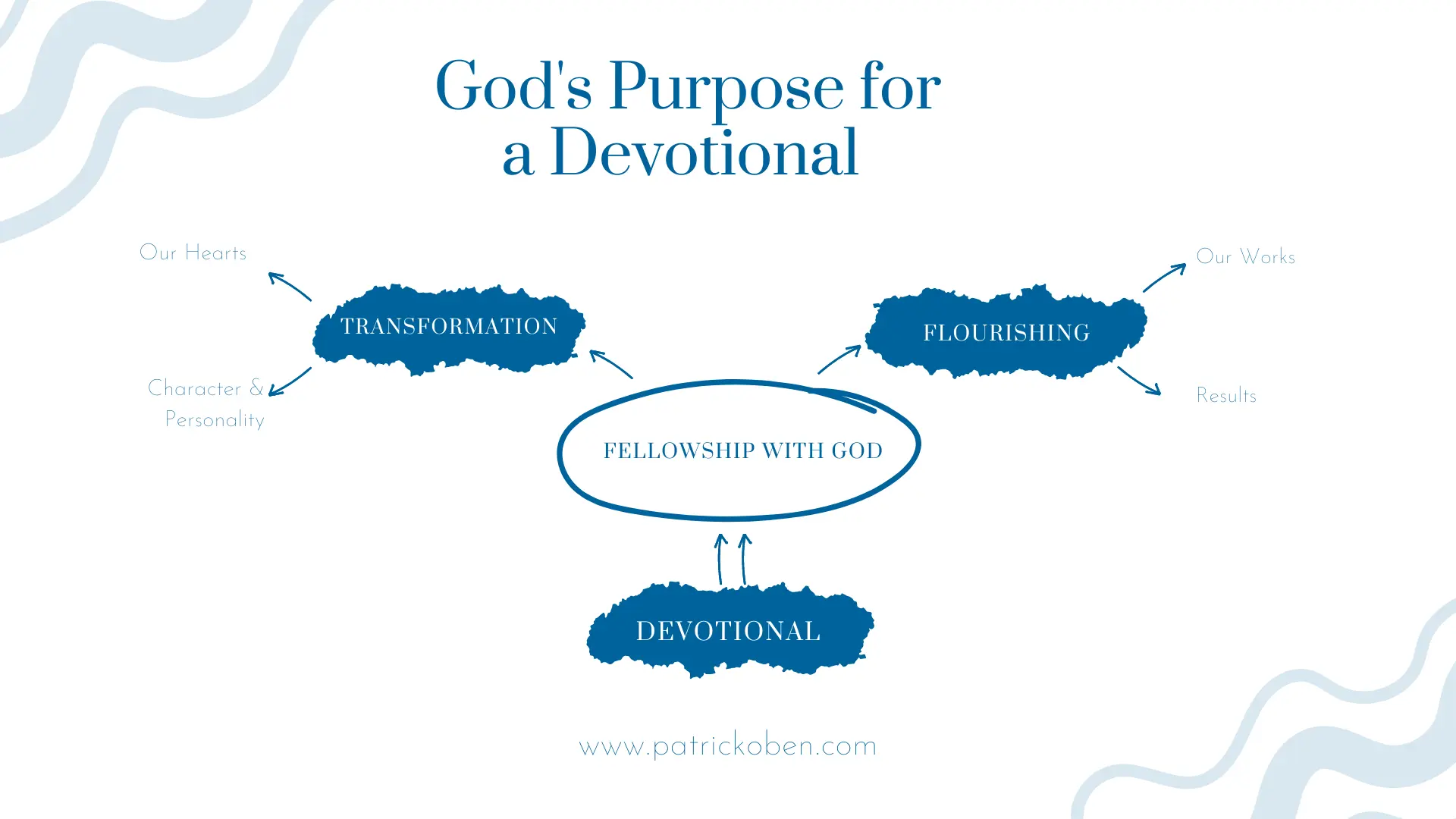
This article will explore the multifaceted nature of devotionals, moving beyond their traditional religious connotations to examine their broader applicability. We will delve into how structuring regular, focused sessions of study and introspection can lead to significant advancements in personal well-being, professional acumen, and overall life satisfaction. By understanding the principles behind effective devotionals, individuals can harness their transformative power to achieve their goals and live more purposefully.
The Foundation of Devotional Practice: Intent and Focus
At its heart, a devotional is an act of intentional dedication. It’s not simply about passively consuming information, but about actively engaging with it to foster internal change. This intentionality is the bedrock upon which all successful devotional practices are built, regardless of the specific domain. Whether one is seeking to deepen their spiritual connection, refine a professional skill, or cultivate a personal virtue, the clarity of purpose and the commitment to that purpose are paramount.
Defining Your Devotional Purpose
Before embarking on any devotional journey, the first and most crucial step is to clearly define why you are doing it. What specific outcome are you hoping to achieve? Are you seeking to:
- Enhance a specific skill: This could be anything from improving public speaking, mastering a new software program, developing better leadership qualities, or increasing your creative output.
- Cultivate a particular character trait: Examples include patience, resilience, empathy, discipline, or gratitude. These internal qualities often have a profound impact on how we interact with others and navigate challenges.
- Deepen understanding of a subject: This might involve gaining a more profound insight into a particular field of study, a historical period, or even the nuances of human psychology.
- Foster personal well-being: This could involve practices aimed at reducing stress, increasing mindfulness, improving physical health, or nurturing stronger relationships.
A well-defined purpose acts as a compass, guiding your efforts and ensuring that your devotional time is spent productively. Without this clarity, devotionals can become aimless and their potential benefits diluted. Consider journaling your purpose, articulating it in a concise statement, and revisiting it regularly to maintain focus.
The Power of Focused Attention
In today’s information-saturated world, the ability to concentrate and engage deeply with a subject is a rare and valuable commodity. Devotionals provide a structured environment to cultivate this skill. The practice involves deliberately setting aside distractions – be it digital notifications, external noise, or internal chatter – and dedicating your full cognitive resources to the task at hand.
This focused attention allows for deeper processing of information, better retention, and a more profound understanding of the material. When you are truly present and engaged, you are more likely to:
- Identify key insights: Your mind is more receptive to subtle nuances and overarching themes that might otherwise be missed.
- Make meaningful connections: You can link new information to existing knowledge, creating a richer and more integrated understanding.
- Develop critical thinking skills: Focused engagement encourages analysis, evaluation, and synthesis, leading to more informed conclusions.
- Enhance creativity: By immersing yourself in a subject without interruption, you create space for novel ideas and innovative solutions to emerge.
The act of consistently practicing focused attention through devotionals builds a mental muscle that can then be applied to all areas of your life, making you more effective and present in every endeavor.
Structuring Effective Devotional Practice: Methods and Tools
Once the intent and focus are established, the next critical aspect of devotional practice is its structure. A well-designed structure ensures consistency, progression, and a measurable impact. This involves selecting appropriate methods and leveraging available tools to support your journey towards growth and understanding.
Daily or Regular Engagement: The Cornerstone of Progress
Consistency is the key to unlocking the transformative power of devotionals. Unlike sporadic bursts of effort, regular engagement, whether daily or on a set schedule, builds momentum and fosters deep-seated change. The human brain thrives on repetition and routine. By dedicating a consistent block of time, even a short one, to your chosen devotional, you signal to your mind that this is a priority.

This regularity creates several benefits:
- Habit Formation: Consistent practice gradually transforms intentional effort into an ingrained habit, reducing the mental energy required to initiate the activity.
- Cumulative Learning: Each session builds upon the previous one, leading to a cumulative understanding and skill development that is far more profound than isolated learning episodes.
- Reinforcement of Purpose: Regular engagement serves as a constant reminder of your goals, reinforcing your commitment and keeping you motivated.
- Momentum Building: Overcoming initial inertia and establishing a rhythm allows for a steady progression, making it easier to tackle more complex aspects of your chosen subject over time.
Think of it like tending a garden. Consistent watering, weeding, and sunlight are necessary for the plants to grow and flourish. Similarly, regular devotional practice nourishes your chosen area of development, leading to robust and lasting growth.
Selecting Your Devotional Modality
The “what” of your devotional practice – the specific activities you engage in – will vary greatly depending on your defined purpose. However, the underlying principle is to choose modalities that facilitate active learning, reflection, and application. Here are some common and effective methods:
- Reading and Study: This is a classic approach. Devote time to reading relevant books, articles, research papers, or even well-crafted online content. The key is not just to skim, but to engage actively with the material. Highlight, take notes, and summarize key points.
- Reflection and Journaling: This is where deep understanding truly takes root. After learning or experiencing something, dedicate time to reflect on its implications. Journaling can take many forms:
- Gratitude Journaling: Focusing on what you are thankful for can shift your perspective and foster a more positive outlook.
- Insight Journaling: Recording “aha!” moments, new understandings, or challenges encountered.
- Action Planning Journaling: Documenting how you will apply what you’ve learned or how you will address a particular challenge.
- Practice and Application: For skill-based devotionals, direct practice is essential. This could involve:
- Deliberate practice of a physical skill: e.g., playing a musical instrument, practicing a sport.
- Applying a concept to real-world scenarios: e.g., using a new leadership technique in a team meeting, applying a marketing strategy to a personal project.
- Creative exercises: e.g., writing prompts, drawing challenges, coding exercises.
- Meditation and Mindfulness: These practices are excellent for cultivating focus, emotional regulation, and self-awareness. They can be a standalone devotional or integrated into other practices to enhance their effectiveness.
- Listening and Viewing: Podcasts, audiobooks, online lectures, and documentaries can be valuable resources. The crucial element here is to listen or watch with an active, engaged mind, taking notes and pausing for reflection.
The most effective devotional practice often integrates multiple modalities. For instance, you might read an article on effective communication, then journal about your personal communication habits, and finally, practice a new communication technique in a low-stakes interaction.
Integrating Devotional Insights into Daily Life and Work
The ultimate value of a devotional practice lies not in the time spent in isolated reflection, but in its tangible impact on your everyday actions and decisions. The insights and growth cultivated during your dedicated sessions must be consciously translated into your personal and professional spheres. This integration is what transforms passive learning into active transformation.
Bridging the Gap: From Reflection to Action
The transition from introspection to implementation is often the most challenging yet rewarding phase of devotional practice. It requires a conscious effort to bridge the gap between understanding and doing. This involves actively looking for opportunities to apply what you have learned or cultivated.
Here are strategies for effective integration:
- Identify Transferable Skills and Principles: As you learn or reflect, constantly ask yourself: “How can this be applied to my daily life? How can this improve my work? What specific actions can I take as a result?”
- Set SMART Goals Derived from Devotionals: Turn your insights into actionable goals. Use the SMART framework (Specific, Measurable, Achievable, Relevant, Time-bound) to ensure your goals are well-defined and have a clear path to success. For example, if your devotional focused on improving listening skills, a goal might be: “In my next three team meetings, I will actively paraphrase what each person says to ensure understanding, and I will time myself to ensure I am not interrupting.”
- Seek Opportunities for Application: Proactively look for situations where you can practice your newly acquired skills or embody your cultivated traits. This could be volunteering for a challenging project, initiating a difficult conversation with a colleague, or consciously responding to a stressful situation with patience.
- Seek Feedback and Iterate: After attempting to apply your learnings, actively seek feedback from trusted colleagues, mentors, or friends. This feedback loop is invaluable for identifying areas for improvement and refining your approach. Be open to constructive criticism and use it to inform your subsequent devotional practices.
- Create Accountability Mechanisms: Share your goals and intentions with someone who can hold you accountable. This could be a mentor, a peer, or a small group dedicated to mutual growth. Regular check-ins can provide encouragement and ensure you stay on track.
By actively seeking to integrate devotional insights, you create a virtuous cycle of learning, application, and refinement. This process not only solidifies your growth but also amplifies the impact of your dedicated time.

The Long-Term Impact: Personal Growth and Professional Excellence
The consistent and integrated practice of devotionals is not a fleeting trend; it is a sustainable pathway to profound personal growth and enduring professional excellence. The cumulative effect of dedicating time to focused learning, reflection, and application yields significant long-term benefits.
- Enhanced Self-Awareness: Regular introspection fosters a deeper understanding of your strengths, weaknesses, values, and motivations. This heightened self-awareness is foundational for making better decisions, managing emotions effectively, and building authentic relationships.
- Continuous Skill Development: In today’s rapidly evolving landscape, continuous learning is no longer a luxury but a necessity. Devotionals provide a structured and sustainable framework for acquiring new skills, staying relevant, and adapting to change.
- Increased Resilience and Adaptability: By cultivating qualities like patience, perseverance, and emotional regulation through devotional practice, individuals become more adept at navigating challenges, setbacks, and uncertainty. They are better equipped to bounce back from adversity and adapt to new circumstances.
- Improved Problem-Solving Abilities: Focused engagement with a subject, coupled with reflective practice, sharpens analytical and critical thinking skills. This leads to more effective problem-solving and innovation in both personal and professional contexts.
- Greater Fulfillment and Purpose: When individuals are actively engaged in their own growth and development, they often experience a deeper sense of purpose and fulfillment. They feel more in control of their lives and more capable of making a meaningful contribution to the world.
Ultimately, what’s a devotional? It’s an intentional commitment to self-improvement, a structured approach to unlocking potential, and a powerful catalyst for living a more purposeful, effective, and fulfilling life. By embracing its principles and integrating its practices, individuals can embark on a journey of continuous growth that yields dividends far beyond the time invested.
aViewFromTheCave is a participant in the Amazon Services LLC Associates Program, an affiliate advertising program designed to provide a means for sites to earn advertising fees by advertising and linking to Amazon.com. Amazon, the Amazon logo, AmazonSupply, and the AmazonSupply logo are trademarks of Amazon.com, Inc. or its affiliates. As an Amazon Associate we earn affiliate commissions from qualifying purchases.