
While the term “Biro” might evoke a sense of nostalgic simplicity for some, its journey from a revolutionary invention to a ubiquitous writing instrument is a fascinating story woven through the threads of technological innovation, clever design, and enduring brand recognition. In a world increasingly dominated by digital interfaces, the humble ballpoint pen, or “Biro,” as it’s affectionately known by many, stands as a testament to the power of accessible, functional, and thoughtfully engineered technology. This article delves into the technological underpinnings, the design evolution, and the enduring brand significance of the Biro, exploring why this seemingly simple tool continues to hold a special place in our lives and professional spheres.
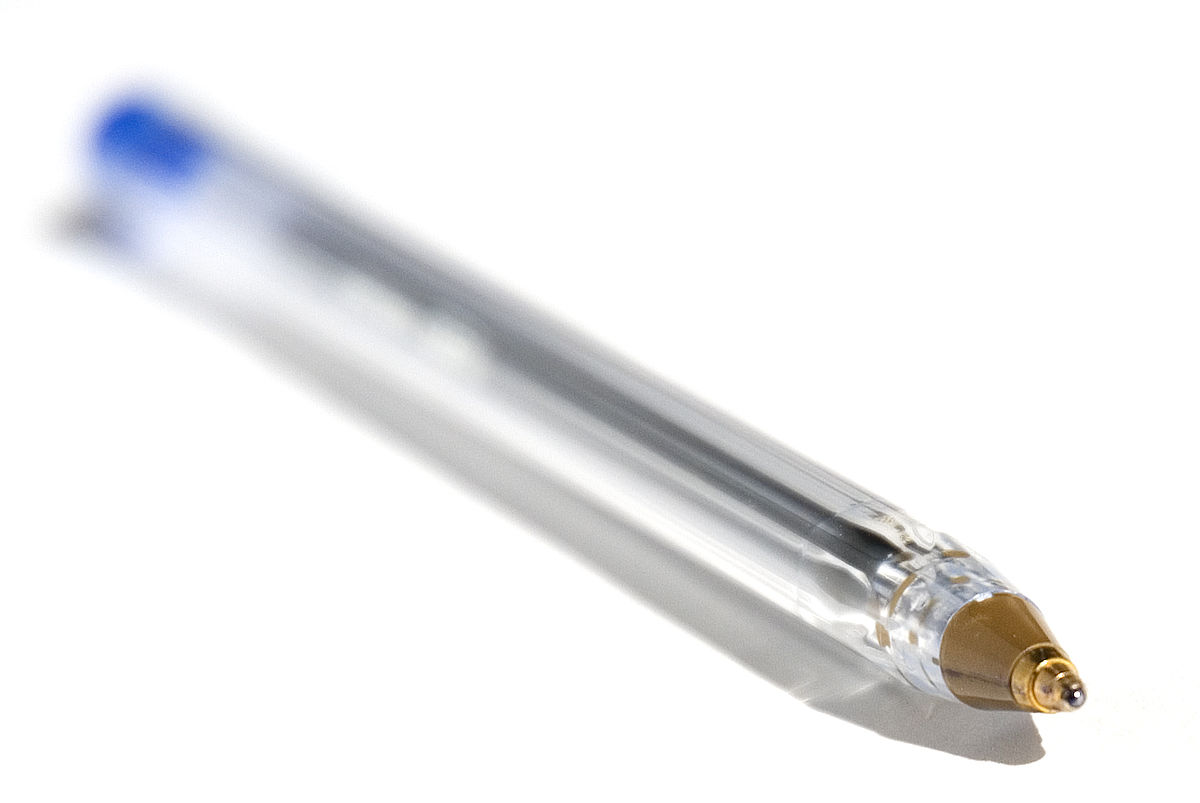
The Ingenious Engineering of the Ballpoint Pen
At its core, the Biro is a marvel of applied engineering, a testament to solving a persistent problem with elegant simplicity. Its design, though seemingly straightforward, involves a delicate balance of components working in harmony to deliver a smooth, consistent writing experience. Understanding this engineering unlocks the appreciation for why the Biro remains a viable and popular writing tool even in the digital age.
The Ink Delivery System: A Micro-Mechanics Masterpiece
The most critical component of any ballpoint pen is its ink delivery system, and the Biro excels in its execution. The system comprises a small metal ball, typically made of tungsten carbide, that rotates freely within a socket. This ball acts as a precise roller, picking up ink from a reservoir and depositing it onto the writing surface as it turns. The viscosity of the ink is paramount; it must be thick enough to cling to the ball but fluid enough to flow when the ball rotates. Early ink formulations were problematic, prone to drying out or leaking, but continuous refinement has led to sophisticated, quick-drying, and smudge-resistant inks that have become the standard.
The precision with which the ball is housed is also crucial. Too loose, and ink will leak; too tight, and it won’t rotate freely, leading to skipping or an inability to write. The engineering involved in creating these tiny, perfectly spherical balls and their sockets, often through processes like precision grinding and molding, is a significant technological achievement. This miniaturized mechanical system, executed with remarkable accuracy, is what allows for the consistent line quality we associate with a Biro.
The Reservoir and Feed: Ensuring a Steady Flow
Beneath the ballpoint mechanism lies the ink reservoir, typically a hollow tube filled with the viscous ink. The design of this reservoir and its connection to the ball socket, known as the feed, is critical for regulating ink flow. Gravity plays a role, but capillary action and surface tension are also expertly harnessed to ensure that ink is drawn down to the ball as needed. The feed system is designed to prevent ink from either drying out in the tip or flooding the writing surface. This controlled ink release is a direct result of material science and fluid dynamics applied at a micro-level, demonstrating a sophisticated understanding of how liquids behave in confined spaces. The development of reliable and leak-proof seals for the reservoir has also been a key technological advancement, preventing the mess and frustration associated with older writing instruments.
The Evolution of Design: From Functional Necessity to Aesthetic Icon
While the core technology of the ballpoint pen has remained remarkably consistent, its design has undergone significant evolution, transforming it from a purely functional tool into an object that can embody style, ergonomics, and even brand identity. The Biro, in its various iterations, exemplifies this design journey.

Ergonomics and Material Innovation
Early ballpoint pens were often simple plastic tubes. However, as manufacturing techniques advanced and consumer expectations grew, the design began to prioritize comfort and usability. The introduction of contoured grips, balanced weight distribution, and softer, more tactile materials like rubberized plastics or even metal alloys significantly enhanced the writing experience. These ergonomic considerations are rooted in human-factors engineering, aiming to reduce hand fatigue during prolonged writing sessions. The choice of materials has also been driven by factors beyond mere cost; the durability, feel, and even the visual appeal of plastics, metals, and varnishes have all been refined over time. The iconic click mechanism, a seemingly small design feature, is a prime example of how a simple mechanical innovation can profoundly improve user experience and define a product’s interaction.
Aesthetic Development and Brand Expression
The visual design of a Biro extends beyond mere functionality. Over the decades, the pen has become a canvas for aesthetic expression, influenced by prevailing design trends. From the minimalist, functional designs of early models to the more elaborate, colorful, and even luxury versions available today, the Biro has adapted. This evolution is deeply intertwined with branding. Manufacturers have learned that a pen is not just a tool; it’s an object that can convey status, personality, or corporate identity. The choice of colors, the shape of the barrel, the type of clip, and the presence of a logo all contribute to the overall aesthetic and the message the pen sends. This allows the Biro to transcend its utilitarian purpose and become a subtle, yet effective, element of personal or corporate branding.
The Enduring Brand Power of “Biro”
The term “Biro” itself has achieved a remarkable feat: it has transcended its status as a brand name to become a generic term for a ballpoint pen in many parts of the world, particularly in the UK and Australia. This linguistic phenomenon is a powerful testament to the brand’s enduring impact and recognition.
Achieving Brand Dominance Through Innovation and Marketing
The original Biro pen, invented by Hungarian journalist László Bíró, was a significant innovation that offered a cleaner, more reliable alternative to fountain pens. Bíró, along with his brother György, a chemist, developed the first commercially viable ballpoint pen, featuring quick-drying ink and a durable ball mechanism. Their patent and subsequent licensing agreements paved the way for mass production. Early marketing efforts focused on the pen’s practical advantages: its reliability, its ability to write on various surfaces, and its long-lasting ink. This emphasis on tangible benefits resonated with consumers and businesses alike, establishing the Biro as a superior writing instrument.
The brand’s success was not solely due to its functional superiority. Strategic marketing played a crucial role in embedding the “Biro” name into the public consciousness. Advertisements highlighted its ease of use and its suitability for everyday tasks, from signing important documents to jotting down quick notes. The consistent quality and performance of Biro pens over time built trust and loyalty, solidifying its reputation as a dependable choice. This consistent delivery on promises, coupled with effective communication of its benefits, allowed “Biro” to become synonymous with the product category itself.
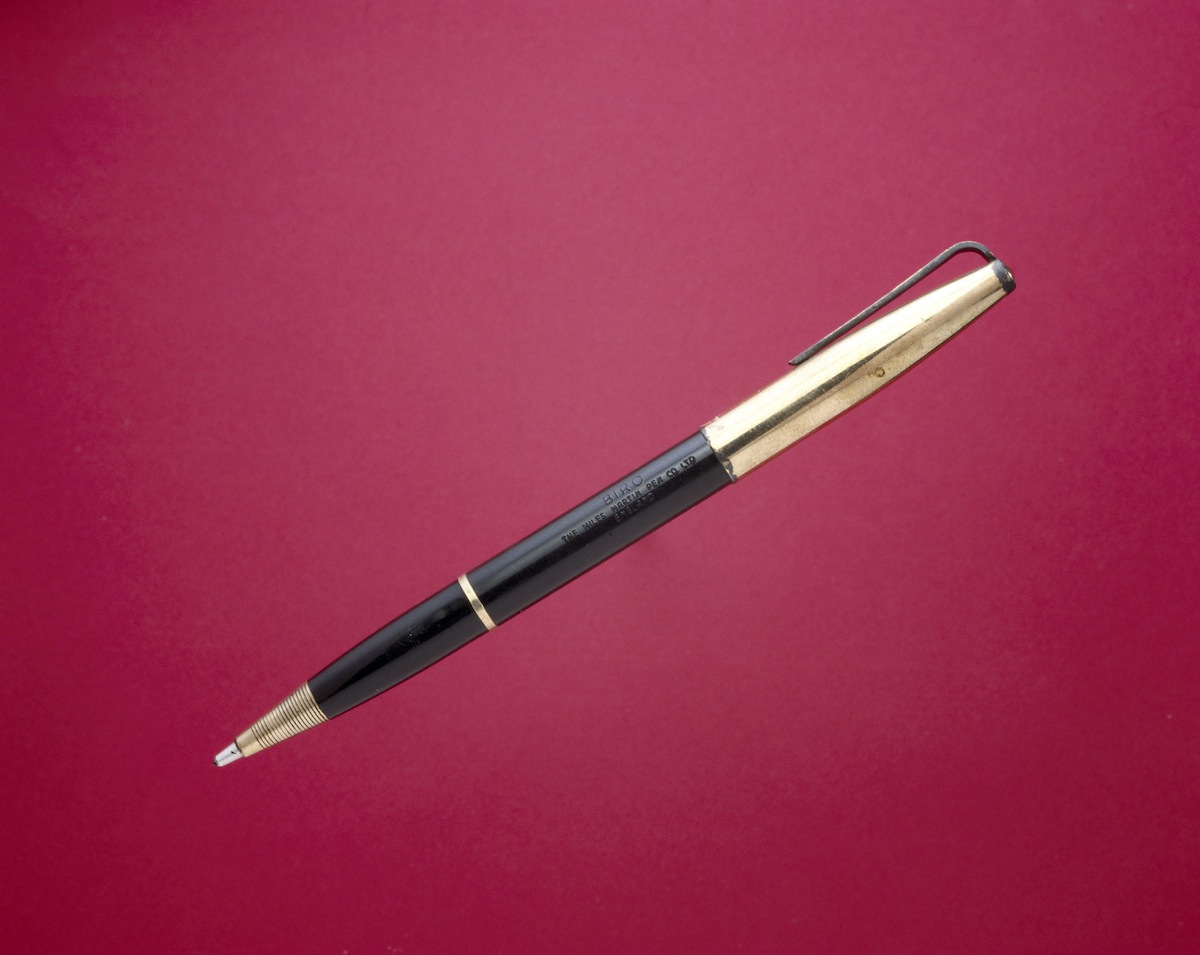
“Biro” as a Linguistic and Cultural Phenomenon
The widespread adoption of “Biro” as a generic term for a ballpoint pen is a rare and significant achievement in branding. It signifies that the brand has become so dominant that its name is used interchangeably with the product. This linguistic phenomenon, known as a generic trademark, occurs when a brand’s name becomes so popular and widely used that it loses its distinctiveness as a brand identifier and becomes the common name for the product category. While this can present legal challenges for the brand owner, it also speaks volumes about the brand’s pervasiveness and cultural penetration.
In everyday conversation, asking for a “Biro” is often understood as asking for any ballpoint pen, regardless of the manufacturer. This level of recognition is the ultimate goal for many brands, signifying a deep integration into the fabric of daily life. The Biro’s journey from a patented invention to a linguistic icon underscores the power of consistent technological excellence, thoughtful design, and effective brand building to create an object that is not only functional but also deeply ingrained in our culture and language. The humble Biro, therefore, is far more than just a pen; it’s a piece of accessible technology, a design evolution, and a brand success story that continues to write its own narrative.
aViewFromTheCave is a participant in the Amazon Services LLC Associates Program, an affiliate advertising program designed to provide a means for sites to earn advertising fees by advertising and linking to Amazon.com. Amazon, the Amazon logo, AmazonSupply, and the AmazonSupply logo are trademarks of Amazon.com, Inc. or its affiliates. As an Amazon Associate we earn affiliate commissions from qualifying purchases.