
The question “What year were coins silver?” is deceptively simple. It doesn’t point to a single, definitive moment, but rather to a long and complex evolutionary process of monetary systems, driven by economic, political, and technological forces. Understanding when coins were primarily silver involves delving into the history of coinage itself, from its ancient origins to the modern era, and exploring the reasons why silver gradually receded from its central role in everyday currency. This exploration falls squarely within the realm of Money, specifically touching upon the history of currency, the economics of precious metals, and the evolution of financial systems.

The Golden Age of Silver: From Ancient Origins to the Dawn of Modernity
For millennia, silver has held a prominent place in human civilization, not just as a store of value and a medium of exchange, but also for its aesthetic appeal. Its relative abundance, malleability, and intrinsic value made it an ideal material for early coinage.
The Genesis of Silver Coinage in Ancient Civilizations
The earliest known coins, minted in Lydia (modern-day Turkey) around the 7th century BCE, were not exclusively silver but were often electrum, a natural alloy of gold and silver. However, soon after, standardized silver coins became the dominant form of currency across many ancient civilizations.
- The Lydian Electrum Coins: These early coins, stamped with crude designs to guarantee weight and purity, were a revolutionary concept. While initially electrum, the transition to purer silver and gold coinage was swift.
- Greek City-States and the Silver Drachma: Many Greek city-states, notably Athens, minted vast quantities of silver drachmas, which became a widely accepted currency throughout the Hellenistic world. The purity and weight of these coins were meticulously maintained, fostering trust and facilitating trade. The Athenian owl tetradrachm, for example, is renowned for its high silver content and artistic merit.
- The Roman Denarius and Beyond: The Roman Republic and later the Empire relied heavily on silver coinage, with the denarius being a cornerstone of their monetary system. The silver denarius, though its purity fluctuated over centuries, was a powerful symbol of Roman economic might and a crucial lubricant for trade within the vast empire. Other silver denominations, like the quinarius and the sestertius (though often in brass or bronze, its value was pegged to silver), further illustrate silver’s centrality.
The widespread adoption of silver coinage in these foundational empires highlights its perceived value and practical suitability for daily transactions. Silver’s intrinsic worth, combined with the ability to divide it into manageable units, made it the backbone of early economies.
The Medieval Period: Silver’s Enduring Dominance
Throughout the Middle Ages, despite periods of upheaval and economic fluctuation, silver remained the primary material for coinage in Europe and much of Asia. The decline of the Roman Empire led to fragmentation, but the demand for a reliable medium of exchange persisted.
- The Carolingian Reform and the Sterling Silver Standard: Charlemagne’s monetary reforms in the late 8th century established a system that would influence European coinage for centuries. He based his system on the silver penny, with the idea that a pound of silver could be divided into 240 pence. This laid the groundwork for what would eventually evolve into the “sterling” silver standard, known for its consistent purity.
- The Flourishing of Merchant Economies: As trade routes reopened and merchant cities grew in power, the need for standardized silver currency intensified. Various kingdoms and principalities minted their own silver coins, but the underlying reliance on silver’s value remained constant. The groat, the shilling, and the pound sterling all trace their origins back to silver-based systems.
- Silver from the Mines: The discovery and exploitation of silver mines, particularly in Central Europe (e.g., in Bohemia and Saxony), significantly impacted the supply and availability of silver for coinage. Periods of increased silver production often led to more extensive minting and greater economic activity.
During these centuries, the concept of a “silver standard” wasn’t necessarily a formal, declared policy as it would be in later eras, but rather a de facto reality. The inherent value of silver, its portability, and its divisibility made it the undisputed king of everyday money.
The Gradual Transition: The Rise of Gold and the Silver Crisis
While silver reigned supreme for a long period, several factors began to challenge its absolute dominance, leading to a gradual shift in monetary practices. These factors include the rediscovery and increased availability of gold, economic developments, and the eventual emergence of bimetallism.
The Resurgence of Gold and the Bimetallic System
The economic growth of the late medieval and early Renaissance periods saw a corresponding increase in the importance of gold. Gold, being far more valuable per unit of weight, became more practical for larger transactions and for international trade where vast sums were involved.

- The Florin and the Ducat: The Power of Gold: By the 13th and 14th centuries, gold coins like the Florentine florin and the Venetian ducat gained significant international traction. Their consistent weight and purity, coupled with their high intrinsic value, made them highly desirable for long-distance commerce and for the accumulation of wealth by rulers and wealthy merchants.
- The Establishment of Bimetallism: As both gold and silver became prominent, many countries adopted bimetallic monetary systems. This meant that both gold and silver coins circulated, with a legally defined ratio between their values. For example, a certain weight of gold might be legally equivalent to a certain weight of silver. The perceived value of these metals, and therefore the official exchange rate, was crucial.
- The Debasement of Coinage: While the idea of stable coinage was important, throughout history, rulers often debased their currency – reducing the precious metal content while maintaining the nominal value. This was often done to finance wars or state expenses. While silver was also debased, the high value of gold made it a tempting target for such manipulations, leading to periods where the silver-to-gold ratio could become unstable.
The adoption of bimetallism acknowledged the utility of both metals. Silver continued to serve as the workhorse for daily transactions, while gold took on the role of higher-value currency and a reserve asset.
The Silver Discoveries and the Price of Silver
The Age of Exploration brought about a dramatic shift in the global supply of precious metals, with profound consequences for coinage.
- The Silver Boom from the Americas: The discovery of vast silver deposits in the Americas, particularly in mines like Potosí (in modern-day Bolivia) and Zacatecas (in Mexico), led to an unprecedented influx of silver into Europe. This surge in supply, starting in the 16th century, had complex economic effects.
- The Price Revolution: The sheer volume of silver entering circulation contributed to what economists call the “Price Revolution.” With more silver available, the purchasing power of silver declined, meaning prices for goods and services generally rose. This made silver less valuable relative to gold, and in some instances, could make silver coins less desirable for hoarding or international trade compared to gold.
- Shifting Ratios and Monetary Policy: The changing availability of silver forced governments to continually reassess their bimetallic ratios. When silver became relatively cheaper, there was a tendency for gold to disappear from circulation (as people would hoard the more valuable gold or melt down silver coins to sell as bullion), a phenomenon known as “Gresham’s Law” (often simplified as “bad money drives out good”).
These developments marked a turning point. While silver continued to be minted in massive quantities, its intrinsic value relative to gold, and thus its role in the broader monetary landscape, began to change.
The End of an Era: From Silver Standards to Fiat Currency
The 19th century witnessed the formal establishment of silver standards and bimetallic standards, but these systems eventually gave way to the gold standard and, subsequently, to the fiat currency systems that dominate today.
The 19th Century: Silver Standards and the Bimetallic Debate
The 19th century was a period of intense debate and experimentation regarding monetary standards.
- The Latin Monetary Union: In the mid-19th century, several European countries formed the Latin Monetary Union, attempting to standardize their silver and gold coinage. This union adopted a bimetallic system with a fixed ratio, but it struggled to maintain equilibrium due to fluctuating silver prices and the overwhelming influx of silver from the Americas.
- The Demonetization of Silver: Towards the latter half of the 19th century, many countries, particularly those that had adopted or were closely tied to the gold standard, began to demonetize silver. This involved ceasing the free coinage of silver and reducing its role as legal tender. Germany, after unifying in 1871, famously demonetized silver and adopted a gold standard. The United States also experienced significant debates and policy shifts regarding silver, including the Bland-Allison Act and the Sherman Silver Purchase Act, which aimed to increase silver coinage, followed by moves towards a gold standard.
- The Rise of the Gold Standard: The late 19th and early 20th centuries saw the ascendant global adoption of the gold standard, where currency was directly backed by gold. This offered a perceived stability and a fixed exchange rate between currencies, facilitating international trade. Silver, in this context, was largely relegated to subsidiary coinage – smaller denominations for everyday transactions, often with a token value rather than reflecting the full market price of the silver content.
The question “What year were coins silver?” becomes increasingly complex here. While silver coins were still being minted, their value was often no longer determined by their silver content in the way it had been for millennia. They became more about convenience and facilitating small transactions within a gold-backed monetary system.
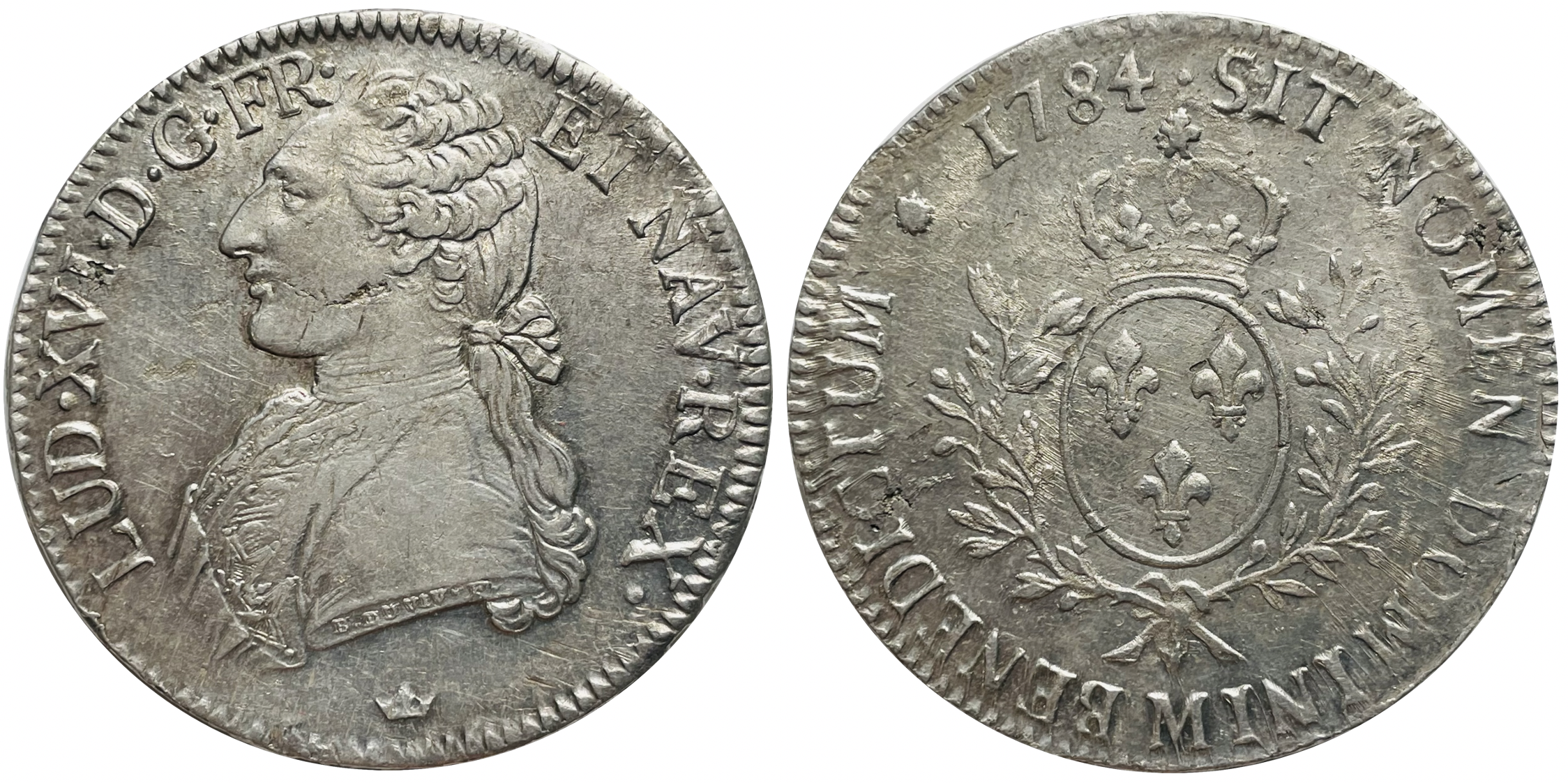
The 20th Century and Beyond: The Demise of Intrinsic Value in Coinage
The 20th century witnessed the final severing of the direct link between currency and precious metals for most nations, ushering in the era of fiat currency.
- The Collapse of the Gold Standard: World War I and the Great Depression severely strained and eventually led to the abandonment of the gold standard by many countries. The economic crises highlighted the inflexibility of a system tied to a fixed amount of gold.
- The Rise of Fiat Currency: Fiat currency is money that is not backed by a physical commodity like gold or silver, but rather by the government that issued it. Its value is based on trust and widespread acceptance within an economy. Most countries transitioned to fiat currency systems throughout the 20th century, particularly after the collapse of the Bretton Woods system in the early 1970s, which had established a link between the US dollar and gold.
- Modern Coinage: A Shift to Base Metals: Today, the vast majority of coins minted for circulation are made from base metals like copper, nickel, zinc, and alloys thereof. Their value is purely nominal – the face value printed on the coin. While some commemorative or bullion coins are still struck in silver and gold, these are primarily for collectors or investors, not for everyday commerce. The “silver” in modern circulating coins is often merely a silvery color from plating or alloy composition, not actual silver content reflecting significant intrinsic value.
Therefore, to answer “What year were coins silver?” in the most fundamental sense, one must look to the past. Coins were silver as the primary circulating medium for millennia. The gradual transition away from this involved the rise of gold, the complexities of bimetallism, the economic impact of massive silver discoveries, the eventual dominance of the gold standard, and finally, the widespread adoption of fiat currency. The year silver coins ceased to be the dominant form of currency isn’t a single date but a protracted historical process that extended well into the 20th century, with the complete shift to fiat currency marking the definitive end of an era where the metal content of a coin was its primary determinant of value for everyday use.
aViewFromTheCave is a participant in the Amazon Services LLC Associates Program, an affiliate advertising program designed to provide a means for sites to earn advertising fees by advertising and linking to Amazon.com. Amazon, the Amazon logo, AmazonSupply, and the AmazonSupply logo are trademarks of Amazon.com, Inc. or its affiliates. As an Amazon Associate we earn affiliate commissions from qualifying purchases.