
Bluetooth technology, now a ubiquitous feature in modern vehicles, has fundamentally reshaped the in-car experience. From seamless hands-free calling to wireless audio streaming, its integration has moved from a novel luxury to an essential component of automotive technology. But pinpointing the exact year Bluetooth first graced the automotive landscape requires a look back at the nascent stages of this wireless revolution and the subsequent evolution of its implementation.
The Genesis of Wireless Connectivity in Automobiles
The journey of integrating wireless communication into vehicles began long before Bluetooth became a household name. Early attempts focused on bulky, expensive car phones and satellite-based systems. However, the dream of true personal wireless connectivity within a confined space like a car was still largely in the realm of science fiction. The advent of Bluetooth, formally standardized in 1999, offered a compelling new paradigm. Its low power consumption, short-range communication capabilities, and inherent interoperability between devices made it an ideal candidate for solving the growing problem of in-car cable clutter and providing a more convenient user experience.
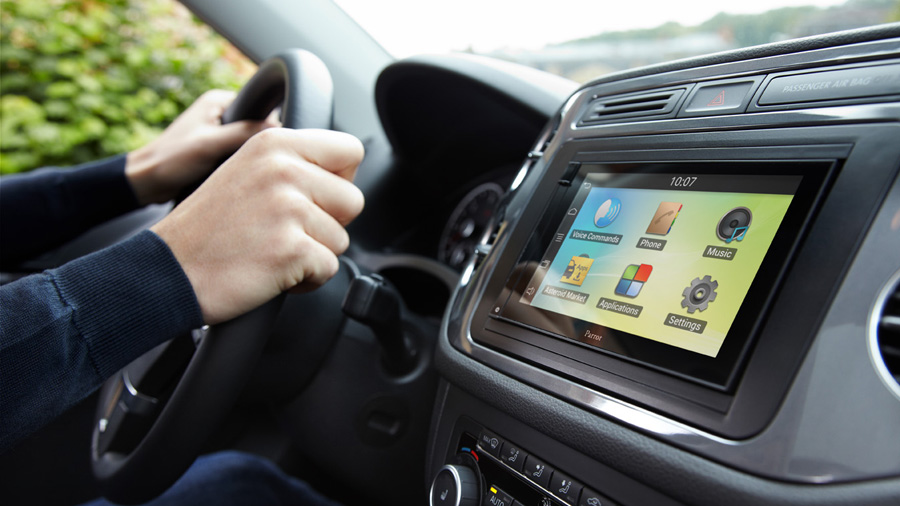
The Vision of a Connected Car
The automotive industry, ever on the lookout for innovations to enhance driver convenience and safety, recognized the potential of wireless technologies early on. The desire to eliminate cumbersome mobile phone cradles and charging cables, coupled with the growing demand for integrated infotainment systems, laid the groundwork for Bluetooth adoption. Early research and development efforts were focused on how to reliably and securely connect personal devices to the vehicle’s systems. The promise was a car that could intuitively interact with the driver’s digital life, offering access to communication, entertainment, and navigation without physical constraints.
Early Standardization and Industry Adoption
The Bluetooth Special Interest Group (SIG), formed in 1998, played a pivotal role in establishing the standards and promoting the adoption of Bluetooth technology across various industries. While the initial focus was on personal area networking (PAN) for devices like headsets and keyboards, the automotive sector quickly became a key target market. Manufacturers saw the potential for hands-free calling as a primary driver, addressing safety concerns related to mobile phone use while driving. The development of Bluetooth profiles, such as the Hands-Free Profile (HFP) and the Advanced Audio Distribution Profile (A2DP), was crucial for enabling specific functionalities within cars.
The Dawn of Bluetooth in Production Vehicles
While the technology was standardized in 1999, its introduction into mass-produced vehicles was a gradual process, marked by pioneering efforts and evolving consumer demand. The early years saw Bluetooth integration primarily in high-end luxury vehicles, where the cost of implementing new technologies was more readily absorbed.
The First Wave: Early Adopters and Premium Offerings
Pinpointing the absolute first car to feature Bluetooth is a subject of some debate and depends on the definition of “integrated” versus “optional.” However, widely recognized early examples of Bluetooth integration began to appear in the early to mid-2000s. Several premium manufacturers were at the forefront of this wave.
Some sources point to 2001 or 2002 as the earliest years where Bluetooth connectivity was offered, often as an expensive option on select models. These systems were typically rudimentary, primarily focusing on enabling basic hands-free calling. The pairing process could be cumbersome, and the audio quality might not have been as refined as what we experience today. Nevertheless, these represented significant technological leaps, allowing drivers to answer calls by pressing a button on the steering wheel or dashboard, a stark contrast to the fumbling required with older mobile phones.
2003 and 2004 saw a more substantial rollout of Bluetooth features in a wider range of vehicles, including some more mainstream luxury models. By this time, manufacturers were refining the integration, making the pairing process more intuitive and improving the audio experience. The ability to stream music wirelessly from a mobile phone began to emerge as a desirable feature, further cementing Bluetooth’s role in the automotive infotainment ecosystem.
The Turning Point: Broader Availability and Feature Expansion
As the technology matured and production costs decreased, Bluetooth began to trickle down from luxury segments into more accessible vehicles. This democratization of wireless connectivity marked a significant turning point in automotive technology.

By 2005 and 2006, Bluetooth became a more common feature, often bundled with premium trim levels or as part of an infotainment package in mid-range vehicles. The functionality also expanded beyond just calls. Drivers could now expect to see phone book synchronization, allowing them to access their contacts directly from the car’s display. The convenience of making and receiving calls without ever touching their phone became a standard expectation for many consumers.
Furthermore, the development and adoption of the A2DP profile in these years were crucial. This profile enabled the streaming of stereo audio from a Bluetooth-enabled device to the car’s sound system. Suddenly, the car stereo wasn’t just for radio; it became a gateway to a personal music library, podcasts, and audiobooks, all streamed wirelessly from a smartphone or MP3 player. This dramatically enhanced the in-car entertainment experience.
The Maturation of Bluetooth in Cars: From Novelty to Necessity
The years following the mid-2000s witnessed Bluetooth evolve from a novel convenience to an indispensable feature, deeply embedded in the automotive user experience. This period was characterized by widespread adoption, improved performance, and the integration of Bluetooth with other in-car technologies.
The Era of Ubiquitous Connectivity and Enhanced Functionality
By the late 2000s and into the early 2010s, Bluetooth integration became nearly standard across most new vehicle models, regardless of price point. The initial hurdles of clunky interfaces and limited functionality were largely overcome. Pairing devices became a quick and simple process, and the reliability of connections improved significantly.
This era also saw the integration of Bluetooth with other in-car systems, leading to more sophisticated features. Voice recognition systems, powered by Bluetooth connections to smartphones for internet access, allowed drivers to control music playback, make calls, and even send text messages using voice commands. The concept of the “connected car” began to take shape, with Bluetooth serving as a foundational element for this evolving ecosystem.
The Impact on Driver Experience and Safety
The widespread adoption of Bluetooth in cars has had a profound impact on the driver’s experience and, importantly, on road safety. The ability to keep both hands on the steering wheel and eyes on the road while managing phone calls significantly reduces distractions. This has been a major win for road safety advocates and a key selling point for manufacturers.
Beyond safety, Bluetooth has also elevated the overall comfort and enjoyment of driving. The seamless transition of music and podcasts from personal devices to the car’s superior sound system creates a more personalized and immersive environment. This convenience has become so ingrained that many drivers now consider cars without Bluetooth to be outdated and inconvenient.
The Evolution Continues: Beyond Basic Connectivity
While the question “what year did Bluetooth come out in cars” refers to its initial introduction, the story of Bluetooth in automobiles is far from over. The technology has continued to evolve, offering new possibilities and further enhancing the in-car experience.
Bluetooth 5.0 and Beyond: Faster, Further, Smarter
The introduction of newer Bluetooth versions, such as Bluetooth 5.0 (released in 2016), has brought significant improvements in speed, range, and power efficiency. These advancements have enabled more robust connections, allowing for higher quality audio streaming and the potential for greater data transfer capabilities. Future iterations of Bluetooth are expected to further enhance the intelligence and connectivity of vehicles, paving the way for more advanced features and seamless integration with the broader Internet of Things (IoT) ecosystem.
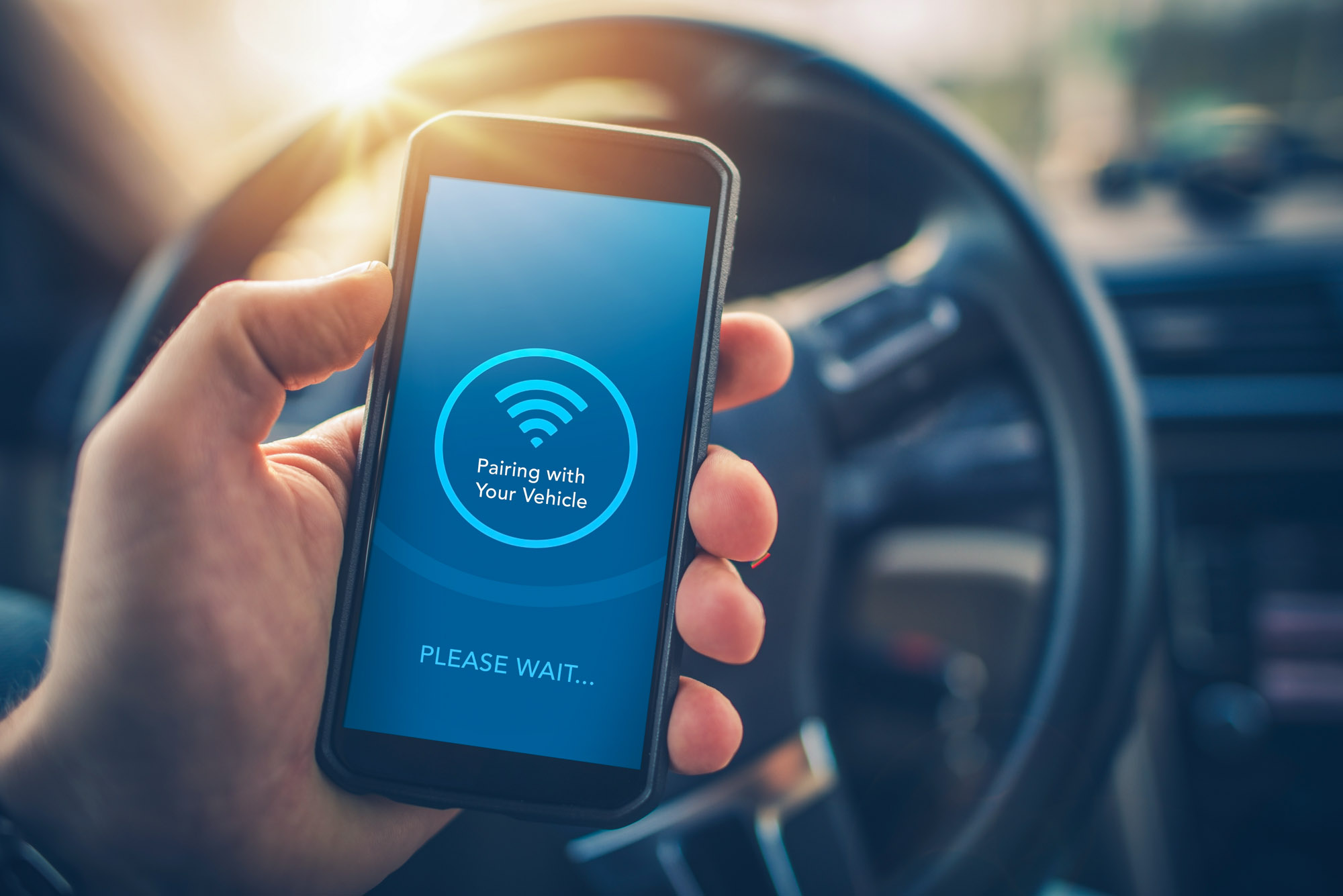
The Future of In-Car Wireless Communication
As we look ahead, Bluetooth will undoubtedly continue to play a crucial role in the automotive landscape. Its ability to connect a wide array of devices wirelessly makes it a cornerstone for future innovations in areas like advanced driver-assistance systems (ADAS), in-car payments, and seamless device synchronization. While newer wireless technologies may emerge, the established infrastructure, interoperability, and cost-effectiveness of Bluetooth ensure its continued relevance and evolution within the connected car of tomorrow. The journey from its initial tentative steps in the early 2000s to its current indispensable status is a testament to the power of wireless innovation in transforming our daily lives.
aViewFromTheCave is a participant in the Amazon Services LLC Associates Program, an affiliate advertising program designed to provide a means for sites to earn advertising fees by advertising and linking to Amazon.com. Amazon, the Amazon logo, AmazonSupply, and the AmazonSupply logo are trademarks of Amazon.com, Inc. or its affiliates. As an Amazon Associate we earn affiliate commissions from qualifying purchases.