
The Ku Klux Klan, in its various iterations throughout American history, has been a potent and persistent force, leaving an indelible mark on the nation’s social and political landscape. While often associated with acts of overt violence and terror, understanding the KKK’s ultimate objectives requires a deeper examination of their ideological underpinnings and the specific societal structures they sought to control and redefine. At its heart, the KKK’s goal was to establish and maintain a white, Protestant, and male-dominated social and political order, systematically disenfranchising and oppressing any groups perceived as a threat to this hierarchy. This ambition was meticulously crafted and propagated, akin to the strategic development and marketing of a powerful, albeit destructive, brand.

The Foundation of a Supremacist Brand: Ideology and Identity
The KKK’s brand was built upon a carefully cultivated ideology of white supremacy. This was not merely a passive belief but an active, aspirational identity that sought to define and police the boundaries of American society. Their goal was to create a unified, homogenous national identity where whiteness was not just a demographic marker but the sole determinant of power, privilege, and belonging.
Defining “True Americanism” Through Exclusion
Central to the KKK’s brand was the construction of an exclusionary definition of “true Americanism.” This narrative posited that the United States was founded by and for white Protestants, and any deviation from this perceived original intent was a corruption of the nation’s soul. This allowed them to frame their actions not as radical extremism, but as a patriotic restoration of an imagined pristine past. They meticulously crafted propaganda, symbols, and rituals designed to reinforce this narrative and foster a sense of belonging among their adherents, while simultaneously demonizing and dehumanizing targeted groups.
The Perceived Threat: Protecting a Declining Hegemony
The goals of the KKK were fundamentally rooted in a profound fear of demographic and social change. As the United States evolved, particularly after the Civil War and again in the mid-20th century, the perceived dominance of the white Protestant male demographic was challenged. The KKK’s brand was designed to counteract this by presenting themselves as the guardians of a threatened way of life. Their objectives were to:
- Re-establish White Supremacy: Following the Civil War and the abolition of slavery, the KKK’s primary goal was to terrorize newly freed African Americans and their allies, aiming to nullify the gains of Reconstruction and reinstate a system of racial subjugation that resembled slavery. This involved preventing Black Americans from voting, owning land, and participating in public life.
- Combat Perceived Moral Decay: Beyond racial targets, the KKK’s brand also sought to enforce a strict, puritanical moral code. Immigrants, Catholics, Jews, and those deemed to be of “immoral” character were also targeted. Their goal was to cleanse society of perceived corrupting influences and enforce a singular vision of religious and social purity.
- Assert Political Dominance: The KKK aimed to control political processes at local, state, and national levels. This was achieved through intimidation, violence, and the direct manipulation of elections to ensure that only candidates aligned with their white supremacist agenda were elected.
The Strategic Application of Fear: Brand Enforcement and Market Control
The KKK’s strategy for achieving its goals was not passive; it was an active and deliberate campaign of brand enforcement, designed to instill fear and exert control over specific social and economic “markets.” Their methods, while undeniably horrific, were calculated to achieve specific outcomes related to power and influence.
The Power of Symbolism and Visual Identity
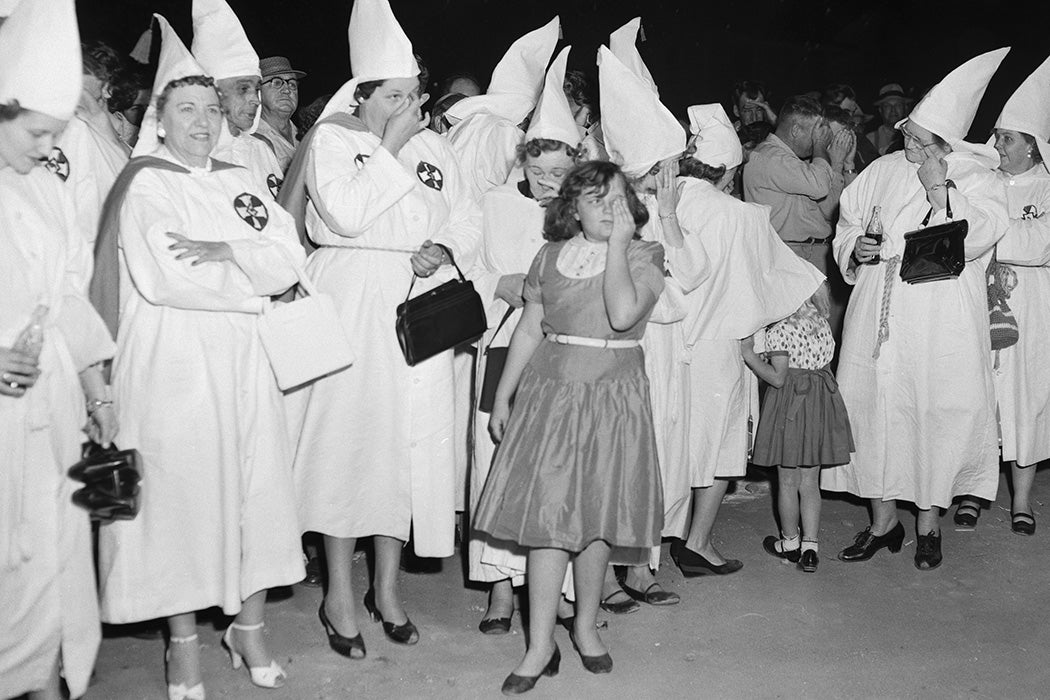
Like any successful brand, the KKK understood the power of consistent and recognizable symbolism. The white robes and hoods, the burning crosses, and the secret rituals were not mere accoutrements; they were powerful visual cues designed to intimidate, unify members, and project an image of menacing authority. This visual identity served as a constant reminder of the KKK’s presence and their willingness to enforce their agenda through terror. The goal was to create a brand that was immediately associated with retribution and fear, thus discouraging any opposition without necessarily engaging in direct confrontation in every instance.
Creating a Monopolistic Social Order
The KKK’s ambition was to create a monopolistic social order where their specific brand of white, Protestant, male hegemony was the unchallenged standard. This meant systematically dismantling any competing social, political, or economic structures that empowered marginalized groups. Their goals extended beyond mere suppression; they aimed to actively reshape institutions to reflect and perpetuate their ideology. This included:
- Economic Disenfranchisement: A key objective was to prevent Black Americans and other minority groups from acquiring economic power, thus maintaining a cheap labor force and preventing any challenge to the existing economic hierarchy. This was achieved through threats of violence, destruction of property, and the sabotage of businesses owned by non-white individuals.
- Social Segregation: The KKK actively worked to enforce strict social segregation, limiting interaction between different racial and ethnic groups and ensuring the perpetuation of their perceived racial purity. This was a crucial element in maintaining their brand’s exclusivist appeal and preventing the erosion of their defined social boundaries.
- Political Coercion: The ultimate goal was political control. By intimidating voters, assassinating political opponents, and influencing elections, the KKK sought to ensure that laws and policies supported their vision of a white supremacist society. This was the final frontier in their quest for complete market dominance in the socio-political sphere.
The Evolution and Adaptation of the KKK Brand
The KKK has not been a monolithic entity throughout history. Its goals and strategies have evolved and adapted in response to changing social, political, and economic landscapes. Each resurgence of the KKK has represented a recalibration of its brand to address new perceived threats and reassert its influence.
The “Second Klan” and the Broadening of the Brand Message
The resurgence of the KKK in the early 20th century, often referred to as the “Second Klan,” expanded its target list beyond African Americans to include Catholics, Jews, and immigrants. This broadened the brand’s appeal to a wider base of nativist and anti-immigrant sentiment. Their goals during this era were to:
- Protect Protestant Ascendancy: They aimed to counter the growing influence of Catholic and Jewish immigrant populations and preserve what they saw as the Protestant character of America.
- Enforce Moral Purity (as they defined it): The “Second Klan” actively campaigned against perceived moral looseness, advocating for Prohibition and targeting those involved in activities they deemed sinful.
- Promote Nationalism and Nativism: Their brand became heavily intertwined with extreme forms of American nationalism and anti-immigrant rhetoric, capitalizing on post-World War I anxieties.

Post-Civil Rights Era and the Shift in Tactics
The Civil Rights Movement of the mid-20th century led to the decline of the KKK’s overt power but also prompted another adaptation. While the core goal of white supremacy remained, the tactics shifted. Direct mass rallies became less frequent, and the focus turned to smaller, more clandestine groups, often seeking to exploit racial resentments and opposition to integration. Their goals in this period included:
- Resisting Desegregation: The KKK actively worked to undermine and resist the implementation of civil rights legislation, using intimidation and violence to discourage integration in schools and public spaces.
- Capitalizing on White Backlash: They sought to harness and amplify white resentment towards the Civil Rights Movement, presenting themselves as defenders of white interests against perceived radical change.
- Maintaining a Discreet but Potent Presence: While overt displays of power diminished, the goal was to maintain a network of influence and a capacity for intimidation, operating more subtly to achieve their objectives.
In conclusion, the KKK’s goal was never simply random violence. It was a systematic, albeit abhorrent, effort to construct and maintain a specific social and political order based on white supremacy and exclusionary nationalism. Their brand, built on ideology, potent symbolism, and strategic application of fear, aimed to control the narrative, define belonging, and monopolize power within American society. Understanding these underlying goals is crucial to comprehending the historical impact of the KKK and the persistent challenges of combating hate and extremism.
aViewFromTheCave is a participant in the Amazon Services LLC Associates Program, an affiliate advertising program designed to provide a means for sites to earn advertising fees by advertising and linking to Amazon.com. Amazon, the Amazon logo, AmazonSupply, and the AmazonSupply logo are trademarks of Amazon.com, Inc. or its affiliates. As an Amazon Associate we earn affiliate commissions from qualifying purchases.