
The allure of escaping to a new world, armed with unique abilities or knowledge from a previous life, has captivated audiences for decades. This is the essence of the isekai genre, a sub-category of fantasy that has exploded in popularity, particularly within the realm of anime and manga. From heroes reborn as slime monsters to ordinary students summoned to magical kingdoms, isekai stories offer wish fulfillment and explorations of different societal structures and challenges. But when did this phenomenon truly begin? Pinpointing the absolute first isekai anime is a journey through the evolution of storytelling and animation, revealing a fascinating history that predates the modern explosion of the genre.
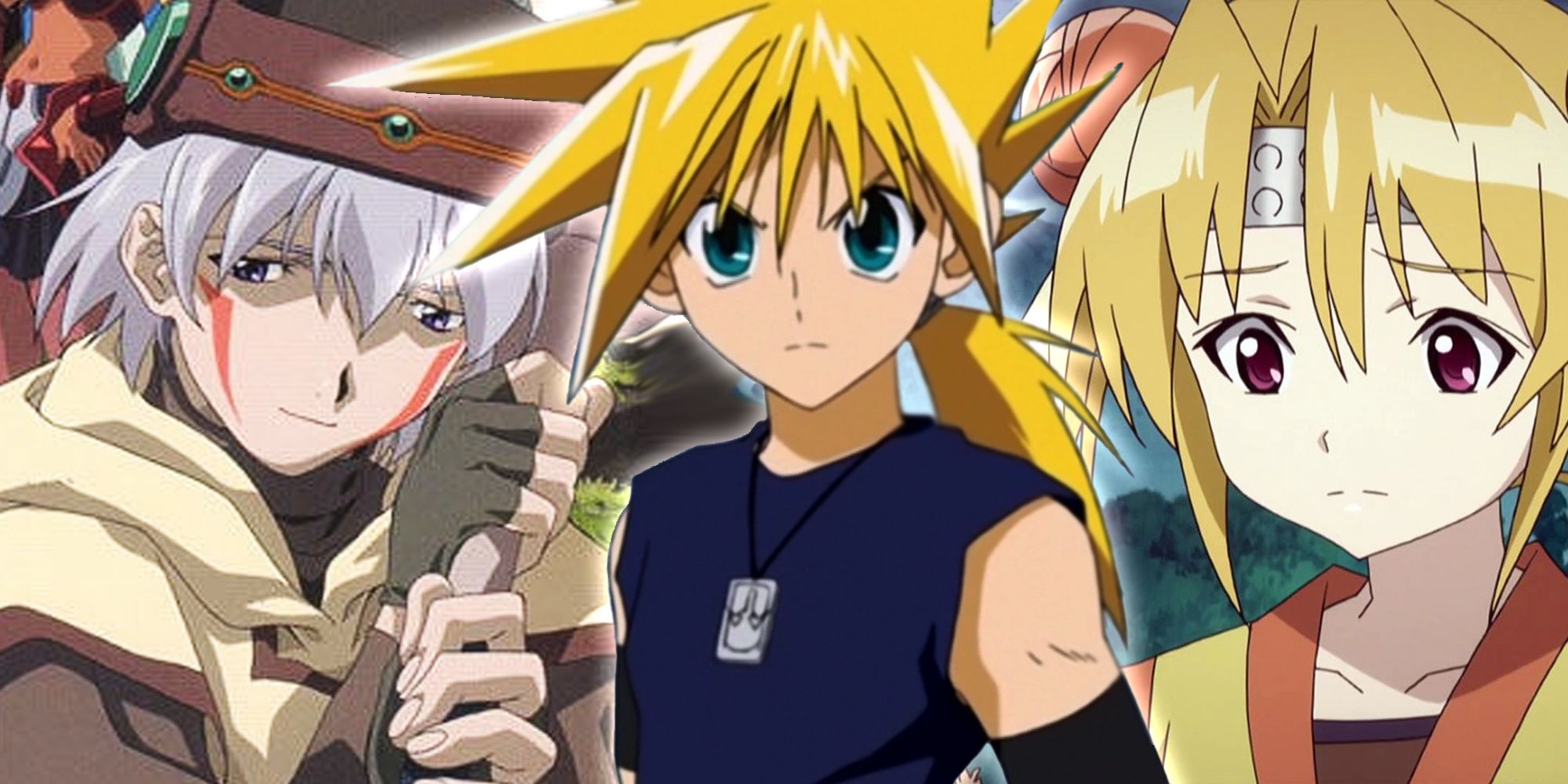
The Proto-Isekai Seeds: Precursors to the Transcendent Journey
Before the term “isekai” became a household name among anime fans, storytelling traditions were already laying the groundwork for this specific narrative structure. The concept of a protagonist being transported to another realm or dimension is a deeply ingrained human fascination, present in mythology, folklore, and early literature. These early narratives, while not strictly adhering to the modern definition of isekai, share core thematic elements that would later define the genre.
Mythological and Literary Echoes of Otherworldly Travel
Across cultures, tales of individuals venturing into spirit worlds, the land of the dead, or realms governed by different physical laws abound. Ancient Greek myths feature heroes like Orpheus venturing into the underworld. Norse mythology tells of beings traversing Bifröst to reach Asgard. In literature, works like Lewis Carroll’s Alice’s Adventures in Wonderland (1865) and L. Frank Baum’s The Wonderful Wizard of Oz (1900) presented protagonists transported to fantastical lands with their own unique rules and inhabitants. While these are not anime, they demonstrate the enduring human desire to explore the “other” and the narrative potential of such journeys. These foundational stories tapped into a universal longing for escape and the thrill of encountering the unknown.
Early Anime Explorations of Dimension-Hopping
When considering anime specifically, early examples began to flirt with isekai-esque themes, even if they didn’t explicitly label themselves as such. These shows often featured characters crossing into fantastical realms, albeit sometimes through more direct magical means rather than reincarnation or summoning. These works can be seen as the evolutionary precursors, demonstrating the visual and narrative language that would eventually solidify into the isekai we recognize today.
The Dawn of Modern Isekai: Early Anime Pioneers
As anime began to mature as a medium, certain series started to embrace more overt isekai tropes, even if the genre wasn’t yet formally defined. These were crucial stepping stones, introducing audiences to the core mechanics of the genre and establishing narrative patterns that would be replicated and refined in later productions. The distinction between a “portal fantasy” and a true “reincarnation isekai” is important here, as early examples often leaned towards the former.
Aura Battler Dunbine (1983): A Subtly Transcendent Beginning
Often cited as a significant early contender for the “first isekai anime,” Aura Battler Dunbine presents a compelling case. The protagonist, Sho Zama, is a young Japanese man who, after a motorcycle accident, finds himself transported to a parallel world called Byston Well. This world is populated by bizarre, insectoid creatures and features unique mecha called Aura Battlers, piloted by individuals who possess a special “aura.” Sho is immediately thrust into a conflict he doesn’t understand, forced to fight for survival and to uncover the mysteries of this alien land.
- Reincarnation vs. Transportation: Dunbine leans heavily on the transportation aspect, with Sho retaining his memories and consciousness from his previous life. While he doesn’t die and get reborn, he is undeniably removed from his original reality and placed into a completely foreign one.
- Survival and Conflict: A key element of isekai is the protagonist’s struggle to adapt to their new environment and often engage in conflict. Sho’s initial confusion and eventual involvement in the political and military struggles of Byston Well firmly establish this trope.
- Unique World-Building: The distinct and often unsettling designs of Byston Well and its inhabitants, along with the concept of Aura power, showcase the genre’s capacity for imaginative world-building, a hallmark of successful isekai.
While Dunbine might not have the “truck-kun” or system interfaces of modern isekai, its core premise of an ordinary individual being thrust into a fantastical conflict in another world makes it a powerful antecedent.
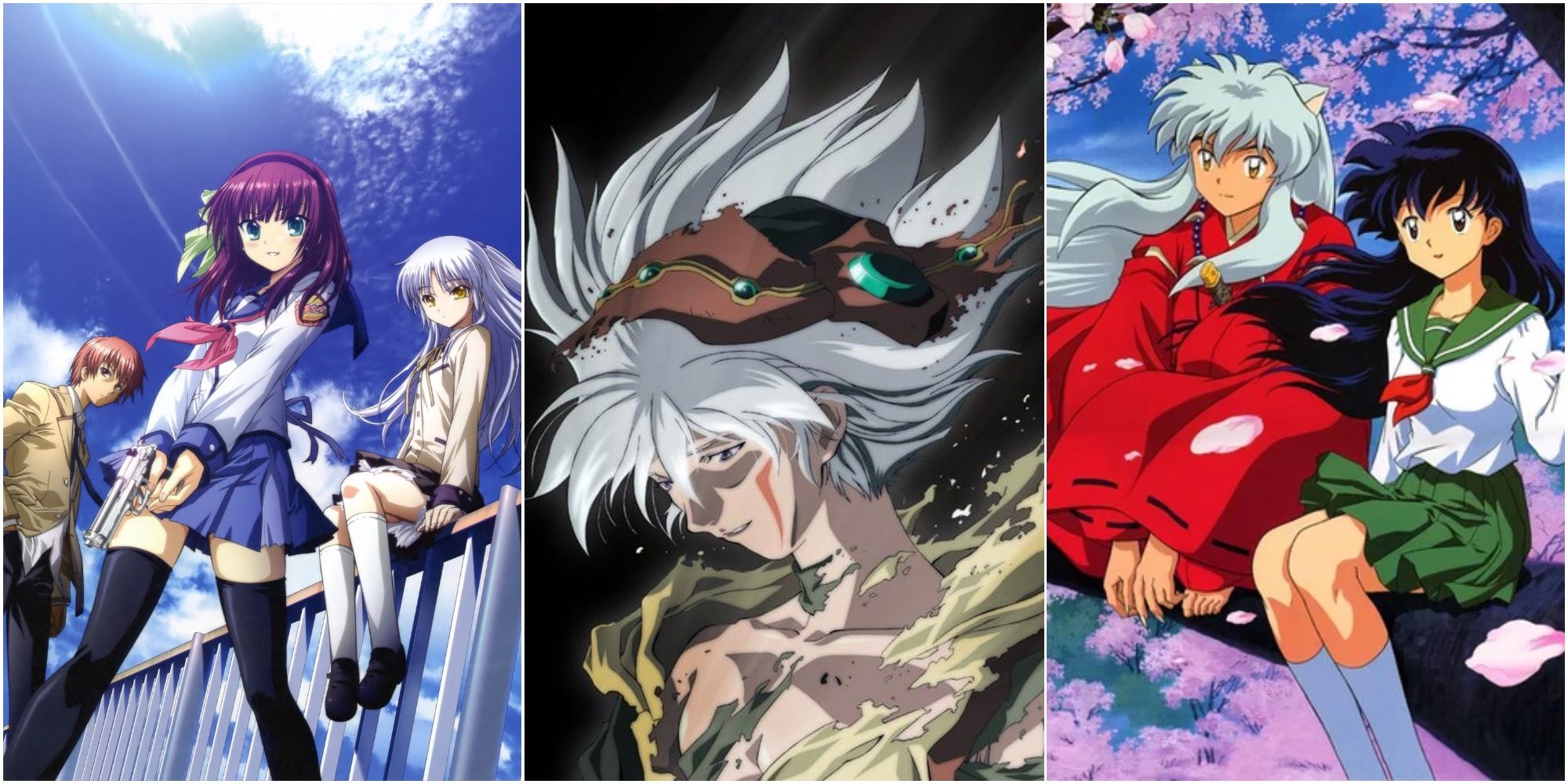
Fushigi Yûgi (1995): The Summoned Heroine’s Saga
Moving closer to the modern era, Fushigi Yûgi (also known as Mysterious Play) represents another significant milestone, particularly for its focus on a female protagonist and its deep dive into fantasy world mechanics. Yū Watase’s manga, which the anime adapts, was a major hit, and the anime brought its expansive narrative to a wider audience. The story follows Miaka Yuuki, a middle school student who discovers an ancient book in a library. Upon opening it, she and her friend Yui Hongo are transported into the book itself, a world called the “Four Gods’ Universe,” based on Chinese mythology.
- Magical Summoning: Fushigi Yûgi directly employs the “summoning” trope, where characters are drawn from our world into a magical one. This is a classic isekai setup.
- Protagonist’s Role and Power: Miaka finds herself destined to become the Priestess of Suzaku, a pivotal role that grants her immense power and responsibility. This often involves gaining unique abilities or being recognized for a special destiny within the new world.
- Romantic and Political Intrigue: Beyond the action, Fushigi Yûgi delves into complex relationships, political machinations, and romantic subplots, showcasing the genre’s versatility in storytelling beyond simple power fantasies. The emotional journeys of Miaka and the other characters are as central as the fantastical elements.
Fushigi Yûgi‘s immense popularity and its clear adoption of the summoned-to-another-world narrative solidified its place as a crucial piece in the isekai puzzle.
The Expanding Universe: Isekai Tropes Solidify and Diversify
As the genre gained traction, a set of recognizable tropes began to emerge and solidify. These conventions became shorthand for isekai storytelling, allowing creators to play with audience expectations and subvert them in innovative ways. The late 1990s and early 2000s saw a growing output of anime that, while perhaps not individually groundbreaking in the same way as Dunbine or Fushigi Yûgi, collectively contributed to the genre’s identity.
The “Death and Rebirth” Phenomenon
Perhaps the most defining characteristic of modern isekai is the protagonist’s death in their original world, followed by their rebirth in another. This mechanism allows for a complete reset, often granting the protagonist a new body, abilities, or a second chance at life. While early examples focused on transportation, the reincarnation trope became a dominant force.
- The Isekai Truck: The often darkly humorous trope of being killed by a truck (or a similar mundane accident) became a widely recognized way to initiate the reincarnation process. This trope, while often parodied, highlights the genre’s willingness to blend the absurd with the fantastical.
- Cheat Skills and Overpowered Protagonists: A common narrative device in reincarnation isekai is the bestowal of “cheat skills” or immense power upon the protagonist, allowing them to easily overcome challenges in their new world. This often taps into wish-fulfillment desires of the audience.
- System Interfaces and Game-Like Mechanics: Influenced by the rise of video games, many isekai anime incorporate game-like elements, such as status screens, skill trees, and experience points. This offers a clear framework for progression and power-up for the protagonist.
Subgenre Evolution and Diversification
The isekai genre is not a monolith. Over time, various subgenres have emerged, catering to different tastes and exploring diverse themes.
- Reverse Isekai: This subgenre flips the script, with characters from another world being transported to our own. Examples like The Devil Is a Part-Timer! showcase the comedic potential of supernatural beings navigating modern human society.
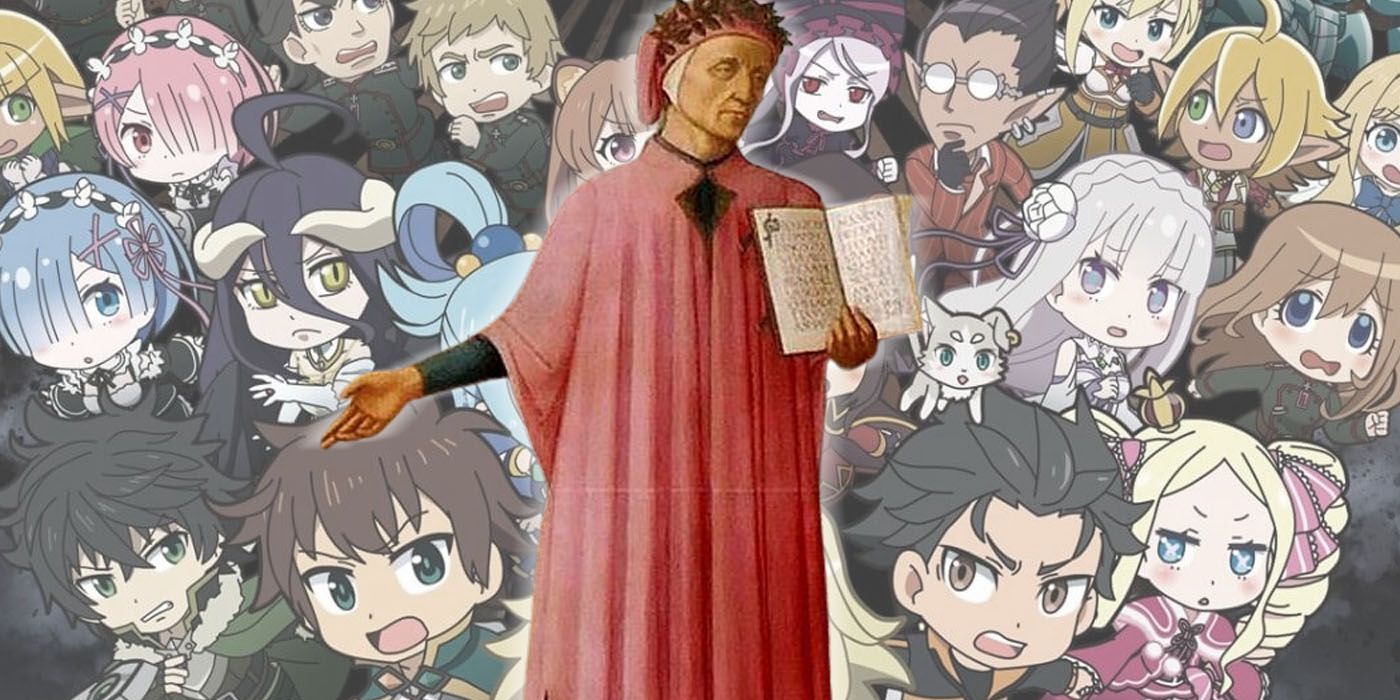
- Isekai Quartet and Parody: The proliferation of isekai has led to meta-commentary and parodies. Isekai Quartet, for instance, humorously mashes up characters from various popular isekai series, highlighting the shared tropes and conventions.
- Dark Isekai: Some series explore the darker side of being transported to another world, focusing on the psychological toll, moral ambiguity, and grim realities of survival. Re:Zero − Starting Life in Another World is a prominent example, known for its deconstruction of wish-fulfillment.
Beyond the First: The Enduring Legacy of Isekai Anime
While the quest for the absolute first isekai anime may lead to nuanced discussions about definitions and genre evolution, it’s clear that certain titles served as foundational pillars. Aura Battler Dunbine and Fushigi Yûgi, in their distinct ways, demonstrated the appeal of otherworldly journeys and established narrative frameworks that resonated with audiences.
The continued evolution of isekai anime reflects its adaptability and its capacity to tap into fundamental human desires for escape, empowerment, and the exploration of the unknown. From the early seeds of dimension-hopping to the modern explosion of reincarnation fantasies and their diverse subgenres, isekai has cemented its place as a dominant force in anime, offering endless possibilities for viewers to step into new worlds and experience extraordinary adventures. The genre’s journey, much like its protagonists, is one of continuous transformation and boundless exploration.
aViewFromTheCave is a participant in the Amazon Services LLC Associates Program, an affiliate advertising program designed to provide a means for sites to earn advertising fees by advertising and linking to Amazon.com. Amazon, the Amazon logo, AmazonSupply, and the AmazonSupply logo are trademarks of Amazon.com, Inc. or its affiliates. As an Amazon Associate we earn affiliate commissions from qualifying purchases.