
Pablo Picasso, a name synonymous with artistic innovation, revolution, and a prolific output that spanned decades, remains one of the most recognizable and influential figures in art history. His oeuvre is not characterized by a single, static aesthetic but rather by a dynamic evolution of distinct periods and stylistic breakthroughs. To understand “what was Picasso’s art style” is to delve into the very essence of his artistic branding, exploring how he consistently redefined himself and, in doing so, built an enduring legacy. His stylistic shifts were not merely aesthetic experiments; they were deliberate choices that shaped his perception, communicated profound ideas, and ultimately cemented his indelible mark on the global art market and cultural consciousness. Examining his various styles is, in essence, analyzing the strategic branding of an artistic titan.
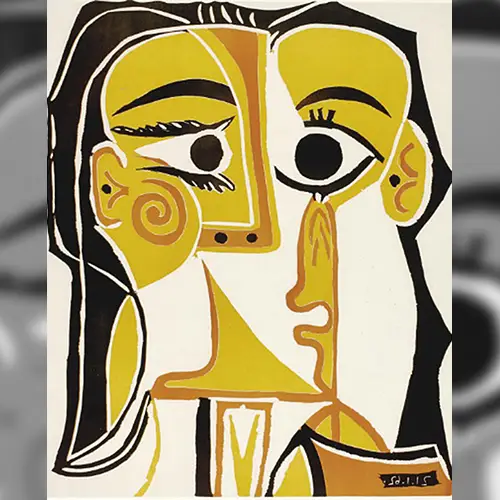
The Genesis of a Distinctive Brand: Early Explorations and the Blue Period
Before Picasso became a household name, his artistic journey began with foundational training and a deep engagement with the artistic currents of his time. The nascent stages of his career were marked by a keen observational talent and a willingness to absorb influences, laying the groundwork for the radical departures that would follow. His early work, while not yet revolutionary, established a recognizable technical skill that would later be subverted and reimagined.
The somber hues of the Blue Period (1901-1904): A Brand Defined by Melancholy and Social Commentary
Picasso’s Blue Period is perhaps his most emotionally resonant and stylistically cohesive early phase. Emerging from a period of profound personal grief following the suicide of his close friend Carles Casagemas, this period is characterized by a monochromatic palette dominated by shades of blue. The subjects are often depictions of poverty, old age, blindness, and social outcasts – figures steeped in despair and solitude. The pervasive use of blue imbues these works with a palpable sense of melancholy, creating an immediate and powerful emotional connection with the viewer.
The stylistic hallmarks of the Blue Period include elongated figures, a sense of quiet resignation, and a focus on conveying inner psychological states rather than external appearances. This deliberate stylistic choice served as a powerful branding tool, immediately identifying works from this era. It projected an image of an artist deeply empathetic to the suffering of humanity, a stark contrast to the celebratory or opulent themes often found in academic art. This period established Picasso not just as a painter, but as a commentator on the human condition, a brand narrative that resonated deeply and attracted critical attention. The consistent visual language of the Blue Period made his work instantly recognizable, contributing to the early formation of his artistic brand as one capable of profound emotional depth and social consciousness.
The Roseate Shift: The Emergence of a More Optimistic Brand Identity (1904-1906)
Following the intense introspection of the Blue Period, Picasso transitioned into what is known as the Rose Period. This shift, often attributed to his burgeoning relationship with Fernande Olivier and a move to Montmartre, marked a significant change in both his subject matter and his chromatic palette. The blues receded, replaced by warmer hues of pink, orange, and earthy tones. The subjects also evolved, featuring more circus performers, harlequins, acrobats, and nudes – figures that, while still possessing a degree of wistfulness, exuded more vitality and a sense of hopeful aspiration.
Stylistically, the Rose Period saw a softening of the sharp lines and a greater emphasis on flowing forms. The figures became more voluptuous and idealized, hinting at a more classical influence but filtered through Picasso’s unique sensibility. This stylistic evolution served as a crucial step in the diversification of his artistic brand. It demonstrated his capacity for emotional range and his ability to adapt his style to convey different moods and narratives. The Rose Period solidified his reputation as a versatile artist capable of capturing both profound sadness and graceful beauty, further enhancing the multifaceted nature of his developing brand. This period allowed him to connect with a broader audience, showcasing a more accessible and aesthetically pleasing aspect of his artistic vision, while still retaining an undercurrent of his characteristic depth.
The Revolution of Form: Cubism and the Shattering of Visual Norms
Picasso’s most significant and widely recognized contribution to the evolution of Western art lies in his co-creation of Cubism. This revolutionary movement, developed in collaboration with Georges Braque, fundamentally altered the way artists approached representation, perception, and the very nature of reality on canvas. Cubism was not a single, monolithic style but rather a series of explorations that challenged traditional perspectives and paved the way for abstract art.
Analytical Cubism (c. 1907-1912): Deconstructing the Object for Brand Recognition
Analytical Cubism marked the initial, intensely intellectual phase of the movement. Picasso and Braque began to dissect objects and figures into geometric shapes and planes, presenting multiple viewpoints simultaneously. Instead of depicting a single, fixed perspective, they fragmented the subject matter, revealing its constituent parts from various angles. The palette during this phase was typically monochromatic, often favoring muted browns, grays, and blacks, further emphasizing the structural analysis over coloristic effect.
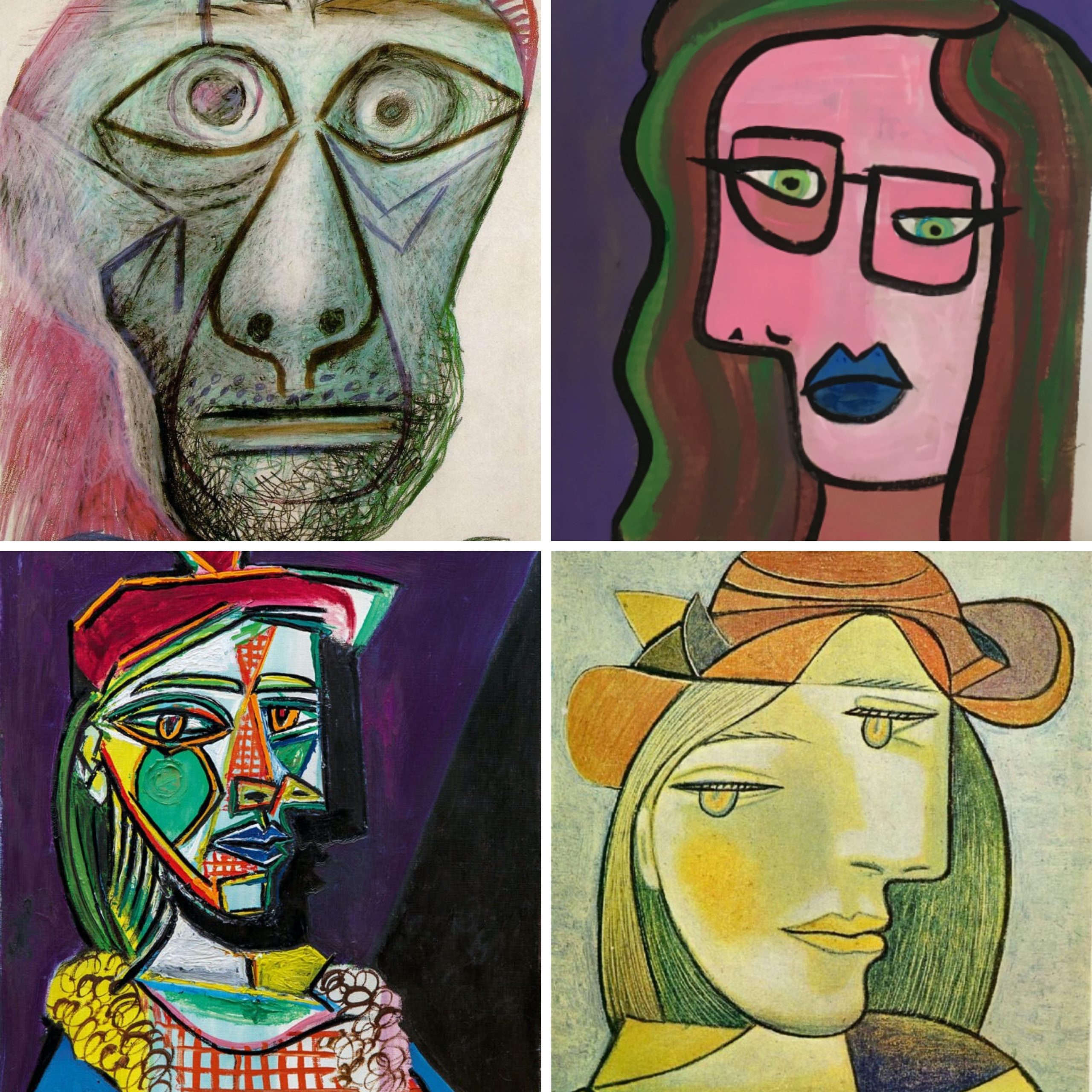
The impact of Analytical Cubism on Picasso’s brand was seismic. It positioned him as a radical innovator, a groundbreaking thinker who dared to dismantle established visual conventions. This style, though initially challenging for some viewers, became a hallmark of his artistic genius. The very act of deconstruction became a form of branding – a signal that one was engaging with art that demanded intellectual engagement and offered a new way of seeing the world. The consistent approach to fragmentation and the limited color palette within Analytical Cubism created a distinct and recognizable brand identity for this critical period, making his work instantly identifiable to those familiar with the movement’s tenets. This was a bold statement of artistic independence, a deliberate departure from the expected, which solidified his image as a vanguard artist.
Synthetic Cubism (c. 1912-1919): Building a New Visual Language for Branding
Following the intensive analysis of form, Synthetic Cubism represented a shift towards constructing new visual realities. Instead of breaking down existing forms, Picasso began to build up compositions using simpler shapes, brighter colors, and introducing collage elements like newspaper clippings, wallpaper, and other found materials. This phase saw a return of color, albeit used in flatter planes and bolder juxtapositions. The forms, while still fragmented, became more solid and decorative.
Synthetic Cubism allowed Picasso to further diversify his artistic brand by demonstrating a mastery of both deconstruction and reconstruction. The introduction of collage, in particular, was a bold move that challenged the boundaries between fine art and everyday life, further cementing his reputation as an artist who consistently pushed artistic boundaries. This style retained the intellectual rigor of Cubism but made it more accessible and visually engaging. The use of recognizable materials from the real world, incorporated into the artwork, also contributed to a unique brand element, suggesting a commentary on consumerism and the nature of representation in a modernizing world. Synthetic Cubism enabled him to showcase a different facet of his creative prowess, demonstrating that his brand encompassed not only radical innovation but also a sophisticated understanding of composition, texture, and material.
Beyond Cubism: A Brand of Constant Reinvention and Diverse Expressions
Picasso’s genius lay not in adhering to a single style but in his relentless pursuit of artistic exploration. Even after the pivotal Cubist movement, his career continued to witness significant stylistic shifts, each contributing to the multifaceted and enduring nature of his brand. He moved through Neoclassicism, Surrealism, and explored a wide array of mediums and techniques, demonstrating an unparalleled capacity for reinvention.
Neoclassical Influences and the Return to Figuration: Broadening the Brand Appeal
In the aftermath of World War I, Picasso, like many artists, experienced a resurgence of interest in classical forms and subjects. This period, often referred to as his Neoclassical phase, saw him return to more representational figures, often depicting monumental women, mythological scenes, and serene domesticity. However, this was not a simple regression; these figures retained a certain solidity and power, often imbued with a sense of gravitas and timelessness that was distinctly Picasso.
This stylistic detour was a strategic move in terms of brand management. It demonstrated that his artistic vision was not confined to radical abstraction. By engaging with classical traditions, he appealed to a broader audience and showed his versatility, proving that he could master and reinterpret established artistic languages. This phase expanded his brand’s reach, allowing him to connect with patrons and critics who might have been intimidated by the complexities of Cubism. It showcased a mature artist capable of both groundbreaking innovation and profound engagement with art history, adding layers of sophistication and breadth to his overall artistic identity.
Surrealist Echoes and Expressive Freedom: Amplifying the Brand’s Emotional Resonance
While Picasso was never formally aligned with the Surrealist movement, his work in the 1920s and 1930s often exhibited strong connections to its principles. He explored distorted figures, dreamlike imagery, and psychological intensity, particularly evident in works like “Guernica.” His engagement with themes of metamorphosis, the subconscious, and the monstrous showcased a continued exploration of the darker, more primal aspects of human experience.
The influence of Surrealism on Picasso’s brand amplified its emotional resonance and thematic depth. It allowed him to tap into universal anxieties and desires, creating art that was both intellectually stimulating and viscerally impactful. This period solidified his brand as one that could confront difficult truths and express the complexities of the human psyche with unflinching honesty. His ability to synthesize elements from various artistic movements, integrating them into his own unique visual language, underscored his position as a singular artistic force, a brand that absorbed and transformed influences rather than being defined by them.
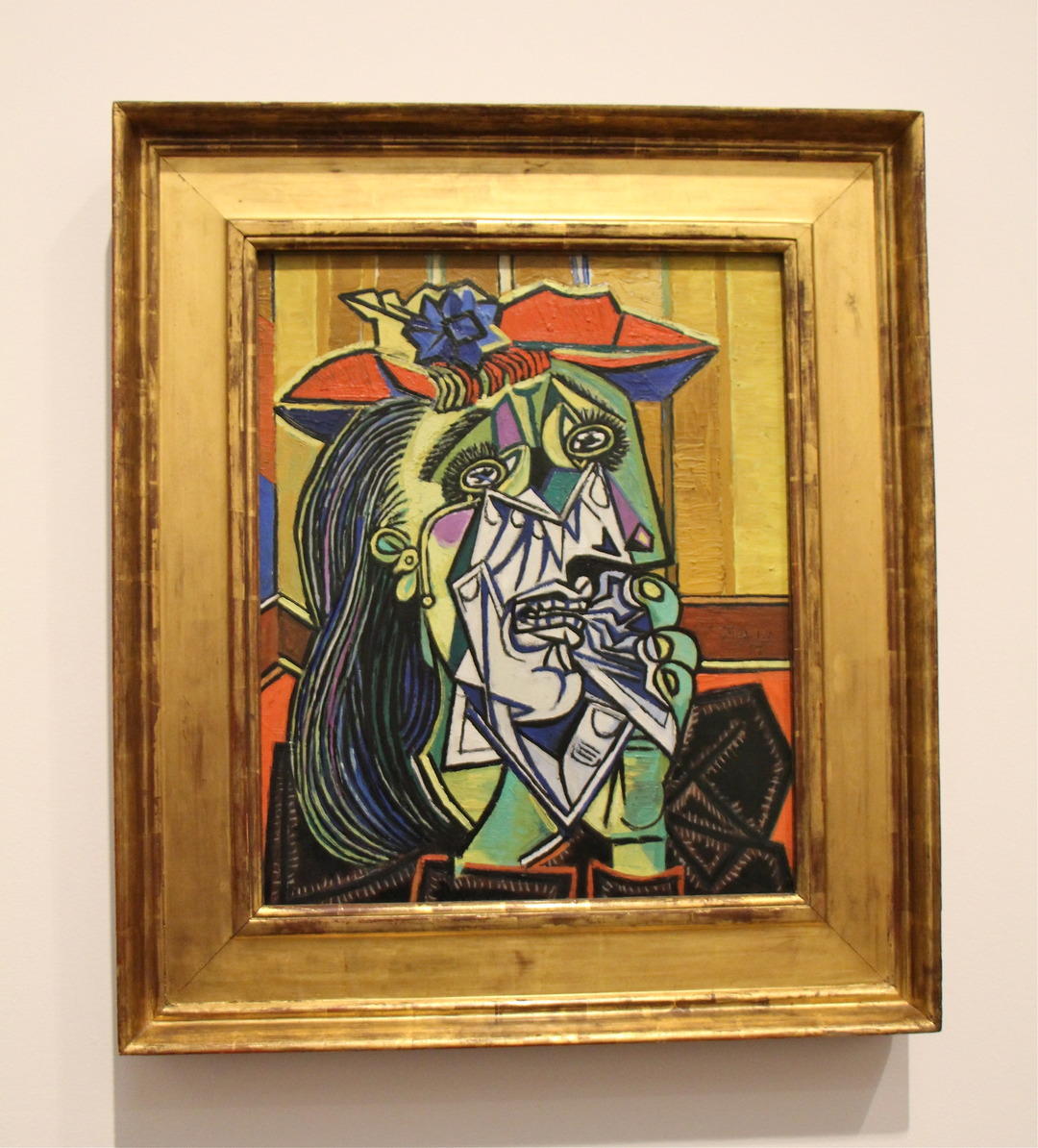
The Enduring Legacy of a Polymathic Brand
Throughout his exceptionally long career, Picasso consistently defied categorization, a testament to his restless artistic spirit and the multifaceted nature of his brand. He moved fluidly between painting, sculpture, ceramics, printmaking, and even stage design, demonstrating an unparalleled mastery across diverse mediums. This polymathic approach further solidified his brand as one of boundless creativity and innovation.
His later works, often characterized by vibrant colors and bold, expressive lines, continued to captivate audiences. Whether revisiting themes from his past or exploring new visual territories, each period contributed to the richness and enduring appeal of the Picasso brand. His consistent willingness to experiment, to push boundaries, and to redefine artistic conventions ensured that his name remained at the forefront of the art world for over seven decades. Understanding “what was Picasso’s art style” is ultimately an appreciation of a master brand strategist of the visual world, one who understood that true artistic legacy is built not on sameness, but on a continuous, courageous, and brilliant evolution. His style was not a static entity, but a dynamic, ever-changing testament to his genius, a brand that continues to inspire and fascinate generations.
aViewFromTheCave is a participant in the Amazon Services LLC Associates Program, an affiliate advertising program designed to provide a means for sites to earn advertising fees by advertising and linking to Amazon.com. Amazon, the Amazon logo, AmazonSupply, and the AmazonSupply logo are trademarks of Amazon.com, Inc. or its affiliates. As an Amazon Associate we earn affiliate commissions from qualifying purchases.