
The question of “what was Penelope weaving?” might initially evoke images of simple domestic tasks, a queen diligently passing the time while her husband was away. However, to reduce Penelope’s craft to mere needlework would be to fundamentally misunderstand its profound significance within Homer’s Odyssey and its enduring impact on literature, art, and even modern storytelling. Penelope’s weaving is not merely an action; it is a potent symbol, a strategic tool, and a narrative anchor that encapsulates themes of fidelity, resilience, ingenuity, and the very essence of identity.
The Strategic Deception: A Loom as a Weapon of Delay
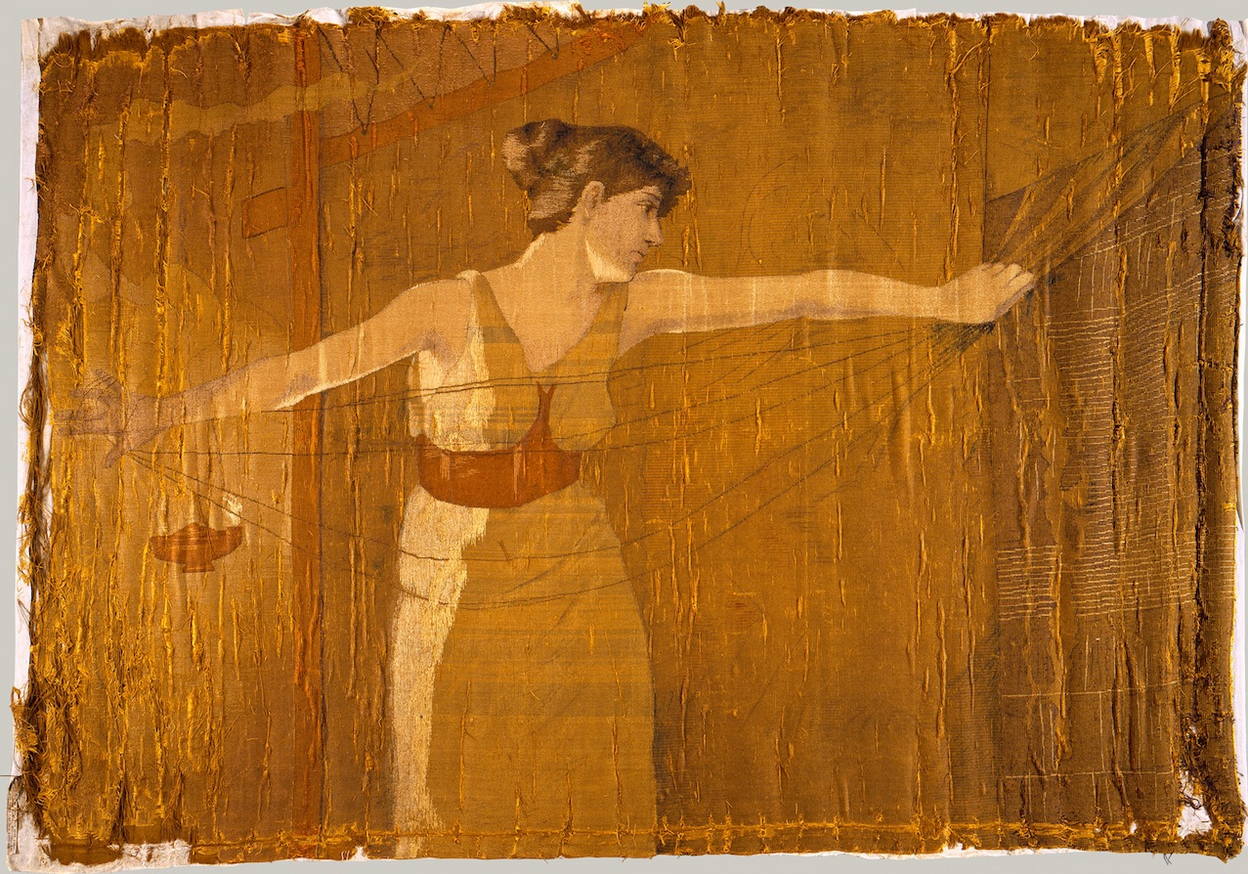
Penelope’s weaving, as presented in the Odyssey, is far from a passive pastime. It is a meticulously crafted act of deception, a shrewd strategy designed to outwit the persistent and often aggressive throng of suitors who have descended upon Ithaca in Odysseus’s prolonged absence. The core of her strategy lies in her promise to choose a new husband only after she completes a burial shroud for her father-in-law, Laertes. This task, however, is intentionally open-ended.
The Daily Work and the Nightly Unraveling
Homer details how Penelope would work diligently on the shroud during the day, her skilled hands creating intricate patterns and weaving together fine threads. The suitors, blinded by their desire for her and her kingdom’s wealth, are content to wait, seeing her labor as a sign of her eventual submission. They interpret her dedication to the task as a precursor to her choosing one of them. This interpretation, however, is a gross miscalculation. For as soon as night falls, Penelope would secretly return to her loom and unravel the very progress she had made during the day.
This nightly act of undoing is crucial. It represents a radical subversion of traditional feminine roles. While weaving was often seen as a symbol of domesticity and a woman’s contribution to the household, Penelope weaponizes it. Her “work” is not about creation but about preservation. By unmaking her progress, she prolongs the deception, keeps the suitors at bay, and crucially, buys time. Time for what? Time for Odysseus to return, time for the situation to resolve itself, or perhaps, time to devise another plan if his return proves impossible.
The Symbolism of Thread and Unraveling
The threads Penelope works with are not just inert materials; they are imbued with symbolic meaning. The act of weaving itself can represent the creation of order, the binding of a community, and the continuity of lineage. Penelope, by unmaking her weaving, is effectively holding together the fractured fabric of Ithacan society, preventing its complete disintegration under the weight of the suitors’ demands.
Conversely, the act of unraveling signifies a rejection of the imposed order. The suitors represent a chaotic force, threatening to dismantle Odysseus’s household and usurp his throne. Penelope’s nightly unweaving is an act of defiance against this imposition. It is a subtle yet powerful refusal to surrender her agency or her husband’s legacy. Each thread she pulls is a small victory, a testament to her resilience and her unwavering loyalty.
The Intangible Weave: Fidelity, Identity, and the Power of the Unseen
Beyond the literal act of manipulating threads, Penelope’s weaving extends to the intangible realms of fidelity and identity. Her loyalty to Odysseus is not a passive waiting game; it is an active, ongoing commitment. Her weaving becomes a metaphor for the strength and resilience of their marital bond, a bond that the suitors desperately seek to sever.
Maintaining the Illusion of Compliance
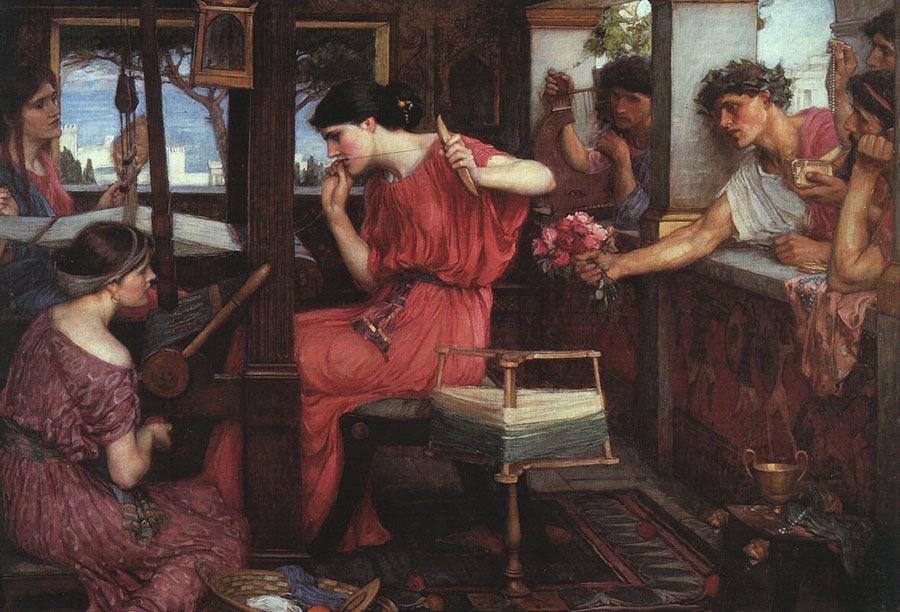
The suitors are kept at bay by the illusion of Penelope’s eventual capitulation. Her diligent weaving, even though it is undone each night, projects an image of a woman engaged in a proper, expected task. This illusion is crucial. It prevents the suitors from resorting to outright force, at least for a considerable period. They are trapped by their own assumptions and their underestimation of Penelope’s intelligence and fortitude. Her weaving, therefore, becomes a shield, protecting her and Odysseus’s household from immediate destruction.
The Preservation of Self and Legacy
In the face of relentless pressure and constant demands, Penelope must hold onto her identity as Odysseus’s wife and the queen of Ithaca. Her weaving is an assertion of her own agency and her refusal to be defined solely by the desires of others. By engaging in this protracted deception, she preserves not only her own integrity but also the legacy of Odysseus and their family. She ensures that when Odysseus does return, his home and his lineage remain intact, ready to be reclaimed. The threads she weaves, and then unweaves, are threads of hope, threads of remembrance, and threads of a future she is determined to protect.
The Narrative Anchor of the Odyssey
Penelope’s weaving serves as a crucial narrative device, anchoring the epic tale of Odysseus’s journey. While Odysseus is physically absent, Penelope’s domestic drama unfolds on Ithaca, providing a parallel narrative of endurance and strategy. Her weaving is a constant reminder of what Odysseus is fighting to return to, and it underscores the stakes of his long voyage. It adds depth and complexity to the epic, showcasing the strength and intelligence of its female protagonist, who is often overlooked in favor of the heroic exploits of her male counterparts.
Enduring Resonance: Penelope’s Weaving in Modern Interpretations and Cultural Impact
The story of Penelope’s weaving has resonated through the ages, inspiring countless interpretations and influencing artistic and literary works. Its themes of strategic deception, unwavering loyalty, and female resilience continue to hold power and relevance.
Literary and Artistic Adaptations
From classical commentaries to contemporary novels and films, Penelope’s weaving has been a fertile ground for artistic exploration. Writers and artists have often focused on the psychological toll of her deception, the subtle nuances of her interactions with the suitors, and the profound emotional weight of her prolonged wait. Many modern retellings highlight her agency and intellect, positioning her not as a passive victim but as a shrewd strategist who uses her wits to survive and protect her family.
The Metaphor of the “Unfinished” Project
The concept of Penelope’s weaving has also seeped into broader cultural understanding, often serving as a metaphor for ongoing, complex, or frustrating tasks. The idea of “working on Penelope’s shroud” can refer to any project that seems to make progress only to be undone, or any situation where one is caught in a cycle of effort without apparent resolution. It speaks to the human experience of perseverance in the face of seemingly insurmountable obstacles.

Modern Relevance: The Power of Strategic Patience and Subversion
In a world often characterized by immediate gratification and aggressive ambition, Penelope’s weaving offers a powerful counterpoint. It celebrates the virtues of strategic patience, quiet determination, and the subversion of power through intelligence rather than brute force. Her story reminds us that true strength can manifest in unexpected ways, and that the ability to hold the line, to preserve what is precious, is a vital form of heroism. Her loom, in its deceptive function, becomes a symbol of how the seemingly mundane can be a powerful tool for resistance and survival, a testament to the enduring strength of the human spirit when faced with adversity.
aViewFromTheCave is a participant in the Amazon Services LLC Associates Program, an affiliate advertising program designed to provide a means for sites to earn advertising fees by advertising and linking to Amazon.com. Amazon, the Amazon logo, AmazonSupply, and the AmazonSupply logo are trademarks of Amazon.com, Inc. or its affiliates. As an Amazon Associate we earn affiliate commissions from qualifying purchases.