
The question “What was Jesus known for?” can be approached from a multitude of angles, spanning theology, history, and cultural impact. When viewed through the lens of Brand strategy, however, we can examine the elements that contributed to Jesus’ enduring significance, the powerful narrative that cemented his identity, and the lasting “brand equity” he generated. This isn’t about commodification, but rather an analysis of the core attributes and messages that resonated so profoundly, transcending time and culture to establish a movement that has shaped civilizations. Jesus, in this context, is the original, unparalleled influencer whose story and teachings became the bedrock of one of the world’s largest and most enduring “brands” – Christianity.
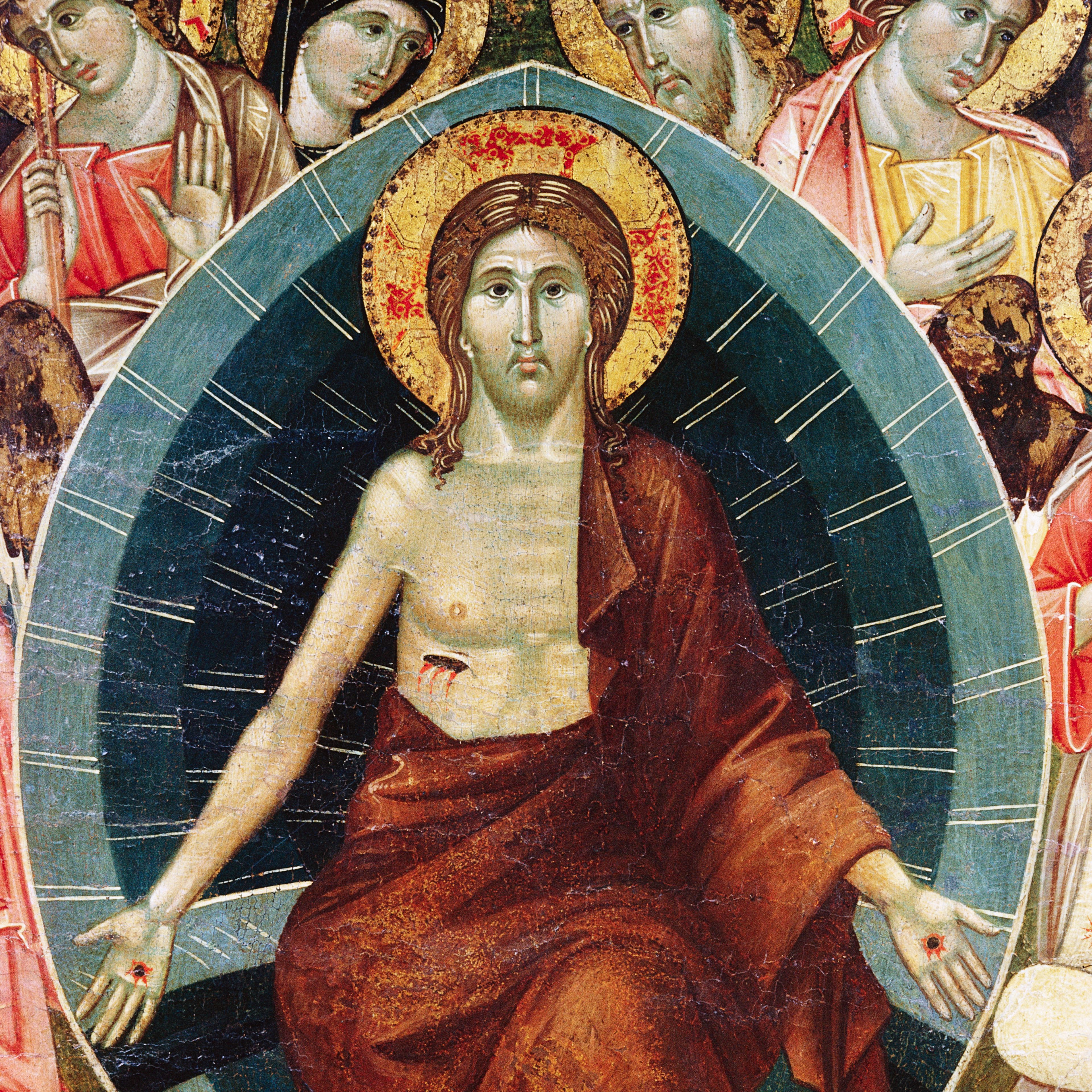
The Genesis of an Unrivaled Brand: Core Messaging and Value Proposition
At the heart of any successful brand lies a compelling value proposition and a clear set of core messages. Jesus’ teachings, delivered with unparalleled authority and authenticity, formed the cornerstone of his identity and the appeal of what would become his followers. His message was not merely a set of rules but a revolutionary reinterpretation of spiritual and ethical living, offering a profound alternative to the prevailing norms of his time.
The Kingdom of God: A Vision of Transformation
Perhaps the most central and recurring theme in Jesus’ ministry was the “Kingdom of God.” This was not an earthly empire or a political dominion, but a spiritual realm where God’s will was supreme and where justice, righteousness, and love prevailed. This vision offered a radical departure from the anxieties and injustices of the Roman-occupied world. It was a promise of hope, liberation, and a radically different way of life. For the marginalized, the oppressed, and the spiritually searching, this was an immensely attractive proposition. It provided a sense of ultimate purpose and a framework for understanding one’s place in the cosmos. The “Kingdom” concept, as articulated by Jesus, provided a powerful, aspirational narrative that continues to resonate.
Love, Compassion, and Radical Inclusivity: The Differentiators
In a society often characterized by rigid social hierarchies, ritualistic observance, and exclusion, Jesus’ emphasis on love and compassion was a radical differentiator. His interactions with those considered outcasts – tax collectors, sinners, lepers, women – challenged societal norms and demonstrated a profound commitment to inclusivity. The commandment to “love your neighbor as yourself” and to “love your enemies” was not just a lofty ideal but was embodied in his actions. This emphasis on unconditional love and selfless service offered a unique and powerful ethical framework that contrasted sharply with the often transactional nature of human relationships. This core message of agape love became a foundational pillar of his brand, setting him apart and offering a transformative path for human connection.
Miracles and Authority: Demonstrating Divine Credibility
While his teachings formed the intellectual and ethical core of his message, Jesus’ reported miracles served as powerful demonstrations of his divine authority and the efficacy of his message. Healings, exorcisms, control over nature, and even the resurrection of the dead were not presented as mere parlor tricks but as tangible manifestations of the Kingdom of God breaking into the human experience. These acts served as undeniable proof, validating his claims and bolstering the credibility of his teachings. In branding terms, these miracles were akin to powerful endorsements, providing tangible evidence of the transformative power inherent in his message and mission. They built trust and inspired awe, drawing people to him and solidifying belief in his divine nature.
Building a Lasting Identity: Symbolism, Narrative, and Early Adopters
A powerful brand is more than just a message; it is a distinct identity, built on compelling narratives and reinforced by potent symbolism. Jesus’ life and ministry were rich with both, creating a deeply memorable and easily recognizable persona that resonated with his followers and laid the groundwork for enduring appeal.
The Narrative Arc: Life, Death, and Resurrection

The story of Jesus is a masterclass in compelling narrative structure. It possesses a clear beginning, a dramatic middle, and a triumphant end that continues to captivate audiences. His humble birth, his itinerant ministry of teaching and healing, his betrayal and crucifixion, and ultimately, his resurrection, form a powerful arc of redemption and hope. This narrative provided a framework for understanding suffering, sacrifice, and ultimate victory. The crucifixion, in particular, transformed from an instrument of shame into a symbol of ultimate sacrifice and atonement, a powerful redemptive narrative that became central to the Christian brand. The resurrection, the ultimate “proof point,” cemented this narrative of victory over death and offered the promise of eternal life, a core element of the brand’s enduring appeal.
Potent Symbolism: The Cross and Beyond
Symbolism is crucial for brand recognition and emotional connection. Jesus’ life was replete with potent symbols that continue to be recognized globally. The cross, initially a symbol of execution, was transformed into the paramount symbol of Christianity, representing sacrifice, redemption, and salvation. Other symbols, such as the fish (ichthys), the lamb, and bread and wine, all carried deep theological and communal meaning, serving as visual anchors for the brand. These symbols facilitated a shared identity among early followers and provided accessible entry points into the complex theology and message. They allowed the brand to be communicated and recognized even in times of persecution, becoming visual shorthand for a deeply held faith.
The First Disciples and Early Evangelists: The Original Brand Ambassadors
No brand can succeed without its initial champions and evangelists. Jesus’ disciples, a diverse group of individuals from various backgrounds, became the first and most crucial brand ambassadors. Their personal transformation, their unwavering commitment, and their willingness to spread his message, often at great personal risk, were instrumental in the early growth of Christianity. They were not just followers; they were passionate advocates who carried the message, lived out the teachings, and bore witness to the transformative power of Jesus’ life. Their testimonies and their dedication built credibility and attracted new adherents, effectively scaling the “brand” beyond its founder. The Apostle Paul, in particular, can be seen as a master strategist who expanded the brand’s reach to a global audience, adapting its message for diverse cultural contexts.
Enduring Brand Equity: Adaptability, Community, and Universal Appeal
The longevity of Jesus’ influence speaks to a profound and inherent brand equity – a deep-seated value that transcends fleeting trends. This enduring power is rooted in the adaptability of his message, the creation of a strong community, and an appeal that speaks to fundamental human needs.
Adaptability and Cultural Integration: A Universal Message
One of the most remarkable aspects of the Christian brand, originating from Jesus, is its incredible adaptability. While the core tenets remained constant, the message has been interpreted, contextualized, and integrated into countless cultures throughout history. This ability to resonate with diverse peoples, speaking to their unique experiences and aspirations, has allowed the “Jesus brand” to thrive across continents and millennia. From its origins in the Roman Empire to its spread through Europe, Africa, Asia, and the Americas, the core message of love, redemption, and hope has found fertile ground, demonstrating an inherent universal appeal that transcends specific cultural or temporal limitations.
The Power of Community: The Church as a Brand Extension
The establishment of the early Church was a critical brand extension for Jesus. It provided a physical and spiritual community for believers, offering support, shared worship, and a platform for continued evangelism. This communal aspect provided a sense of belonging and identity, transforming individual faith into a collective experience. The Church, in its various forms, has served as the primary vehicle for transmitting Jesus’ message and values, acting as a living embodiment of the brand. The rituals, traditions, and social structures developed within the Church have further solidified its identity and provided continuous touchpoints for adherents, reinforcing the brand’s presence in their lives.
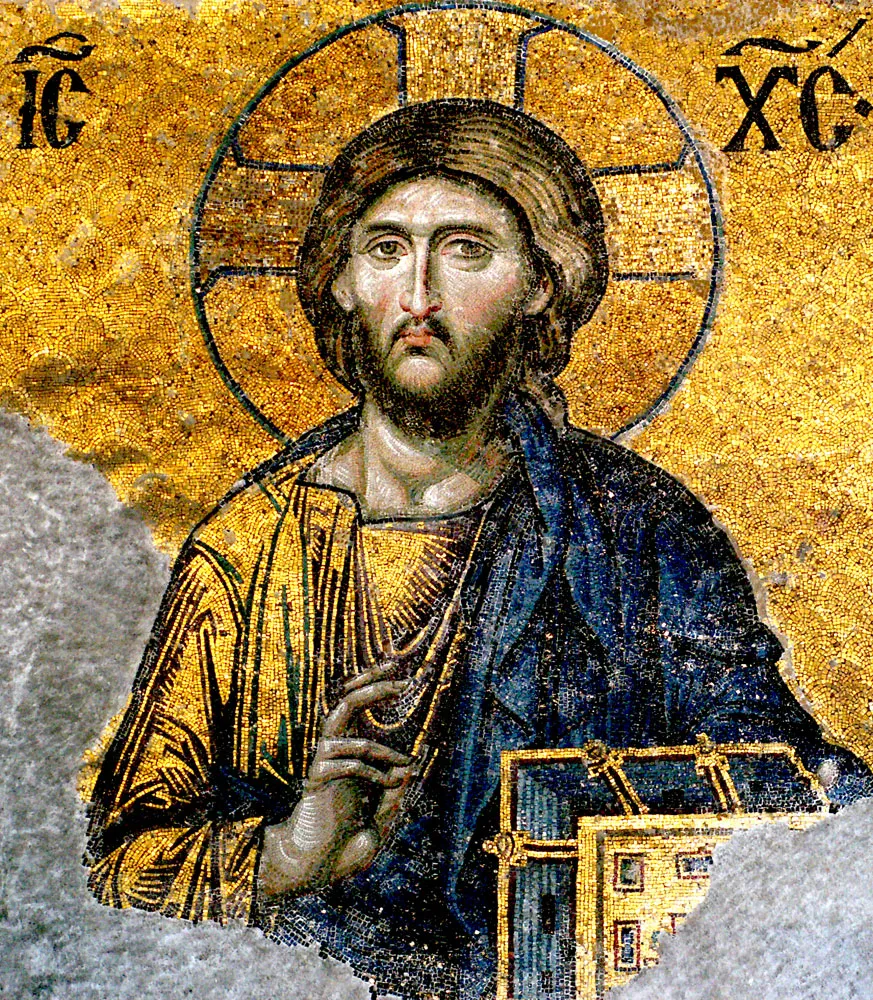
Addressing Universal Human Needs: Hope, Meaning, and Redemption
Ultimately, Jesus’ enduring renown stems from his ability to address fundamental human needs: the need for hope in the face of suffering, the search for meaning and purpose in life, and the desire for redemption and reconciliation. His message offers solace, guidance, and a pathway to spiritual fulfillment. The promise of salvation and eternal life provides a powerful counterpoint to the anxieties of mortality and the perceived injustices of the world. This deep resonance with the human condition ensures that the “Jesus brand” remains relevant, offering a timeless source of comfort, inspiration, and transformation for billions. His legacy is not just that of a historical figure, but of an idea, a movement, and a deeply ingrained cultural force that continues to shape the human experience.
aViewFromTheCave is a participant in the Amazon Services LLC Associates Program, an affiliate advertising program designed to provide a means for sites to earn advertising fees by advertising and linking to Amazon.com. Amazon, the Amazon logo, AmazonSupply, and the AmazonSupply logo are trademarks of Amazon.com, Inc. or its affiliates. As an Amazon Associate we earn affiliate commissions from qualifying purchases.