
Barbed wire, a seemingly simple invention of metal strands twisted together and punctuated with sharp points, holds a surprisingly significant place in the annals of technological innovation. While its immediate and most enduring association is with agriculture and containment, its impact and applications extend far beyond the rural landscape, influencing territorial demarcation, military strategy, and even the very fabric of urban development. To truly understand what barbed wire was used for is to explore a narrative of human ingenuity solving practical problems, often with unforeseen but profound consequences.
The Revolution in Containment: From Wooden Fences to Steel Spikes
The advent of barbed wire in the late 19th century represented a dramatic leap forward in the ability to control and manage livestock and delineate property. Before its widespread adoption, fencing was a labor-intensive and costly undertaking, relying on materials like wood, stone, or hedges. These traditional barriers were often permeable, susceptible to damage, and required constant maintenance. Barbed wire offered a revolutionary alternative: durable, relatively inexpensive, and remarkably effective.

Revolutionizing Ranching and Agriculture
The most immediate and transformative use of barbed wire was in the livestock industry. The vast, open ranges of the American West, previously managed through herding and rudimentary enclosures, were suddenly made manageable. Ranchers could now effectively fence off large pastures, preventing cattle from straying and reducing the need for constant supervision. This led to significant increases in herd sizes and facilitated the development of large-scale ranching operations.
- Preventing Straying and Theft: Barbed wire provided a physical deterrent to livestock wandering off into neighboring territories or being stolen. This significantly reduced losses for farmers and ranchers, improving their profitability and economic stability.
- Pasture Management and Rotation: The ability to divide land into smaller, fenced paddies allowed for more sophisticated pasture management. Farmers could implement rotational grazing, allowing certain areas to rest and regenerate, leading to healthier grasslands and more sustainable land use.
- Increased Land Value: The security and tractability offered by barbed wire fences increased the perceived value of land. Property owners could now confidently enclose and utilize their land without the constant threat of encroachment or livestock damage.
Establishing Property Lines and Resolving Disputes
Beyond livestock, barbed wire played a crucial role in defining and enforcing property boundaries, especially in rapidly expanding territories where land ownership was often contested. The clear, indisputable line created by a barbed wire fence served as a physical manifestation of ownership, reducing the likelihood of disputes and fostering a sense of settled land tenure.
- Delineating Private Property: In areas experiencing rapid settlement, such as the American West, barbed wire fences were instrumental in transforming open, unowned land into clearly defined private properties. This was critical for encouraging investment and agricultural development.
- Reducing Land Disputes: Prior to barbed wire, boundary disputes could be frequent and difficult to resolve. The visual and physical barrier of barbed wire provided a clear and unambiguous demarcation, significantly reducing the incidence of conflict over land.
- Facilitating Real Estate Transactions: With clearly defined boundaries, land became easier to buy, sell, and mortgage. This contributed to the growth of real estate markets and the overall economic development of regions.
Beyond the Ranch: Military Applications and Territorial Control
While its domestic applications were groundbreaking, the effectiveness of barbed wire as a barrier also made it a crucial element in military strategy, particularly during the era of trench warfare and fortified defenses. Its ability to slow down or impede enemy advances, coupled with its relatively low cost, made it an indispensable tool for defensive operations.
Trench Warfare and Defensive Fortifications
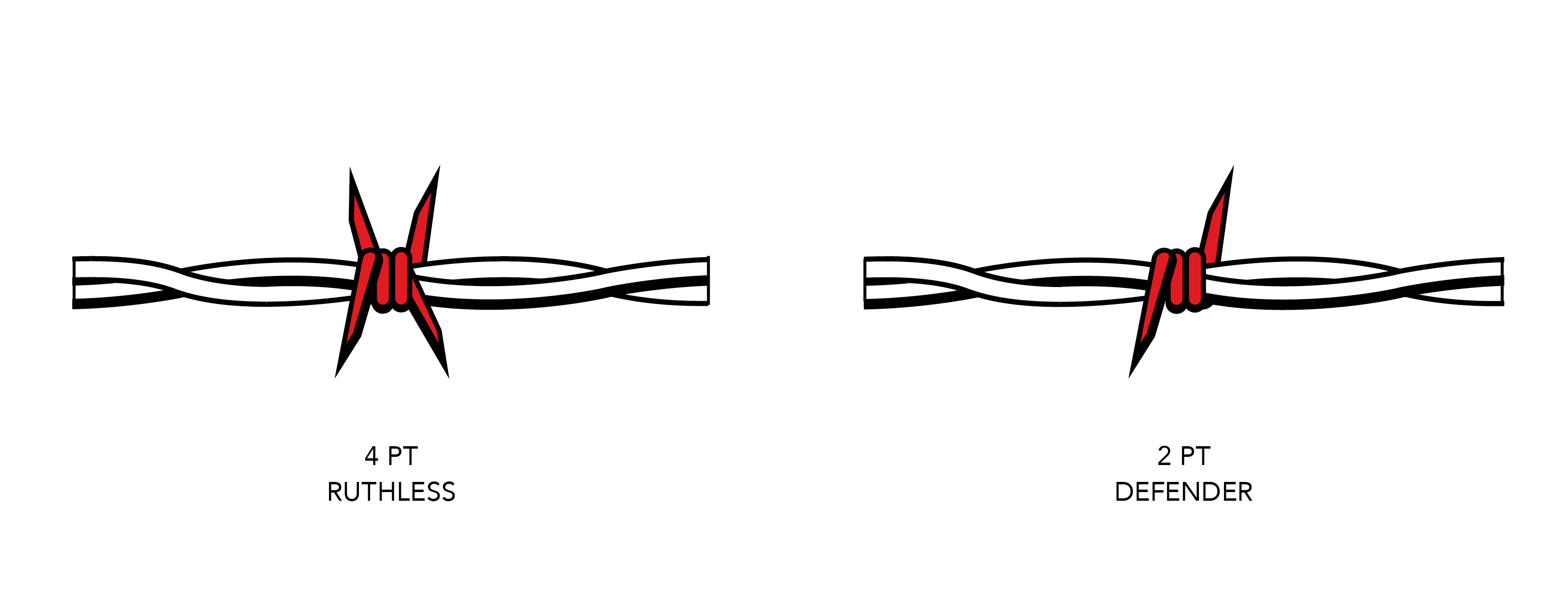
The early 20th century witnessed the widespread deployment of barbed wire in military conflicts, most notably during World War I. Entrenched armies utilized vast expanses of barbed wire to create formidable defensive obstacles, designed to channel attacking infantry into pre-sighted kill zones and disrupt enemy formations.
- Impeding Infantry Assaults: Barbed wire presented a significant physical obstacle to soldiers attempting to cross No Man’s Land. It would entangle them, slow their advance, and make them vulnerable to machine-gun fire.
- Channeling Attacks: Strategically placed barbed wire could force enemy attackers into specific, pre-determined paths, leading them directly into areas where defending forces had concentrated their firepower.
- Protecting Trenches and Positions: Barbed wire was often used in conjunction with trench systems, creating multiple layers of defense around fortified positions. This made it incredibly difficult for attackers to breach the defenses.
- Psychological Deterrent: The sight of vast, tangled fields of barbed wire also served as a powerful psychological deterrent, instilling a sense of dread and futility in attacking troops.
Border Control and Security
The concept of a physical barrier to control movement also extended to international borders and other secure areas. Barbed wire proved to be an effective and economical solution for marking and enforcing territorial integrity, preventing unauthorized crossings, and securing sensitive locations.
- Securing National Borders: Numerous countries have historically used barbed wire to demarcate and reinforce their national borders, aiming to prevent illegal immigration, smuggling, and incursions.
- Prison and Camp Security: Barbed wire became a standard feature in the construction of prisons, internment camps, and prisoner-of-war camps. Its effectiveness in preventing escapes made it a critical component of security infrastructure.
- Protecting Strategic Installations: Military bases, industrial sites, and other areas deemed critical for national security were often surrounded by barbed wire fences to deter unauthorized access and protect against sabotage.
The Legacy of Barbed Wire: Innovation and Enduring Impact
The invention and widespread adoption of barbed wire were not merely a matter of creating a new product; it was a technological leap that fundamentally altered land use, economic development, and military strategy. Its simplicity belies its profound impact, and its legacy continues to be felt today.
Economic and Social Transformation
The economic repercussions of barbed wire were immense. It unlocked the potential of vast tracts of land, particularly in frontier regions, by making them secure and manageable for agricultural and ranching purposes. This, in turn, fueled economic growth, supported population expansion, and contributed to the development of new industries.
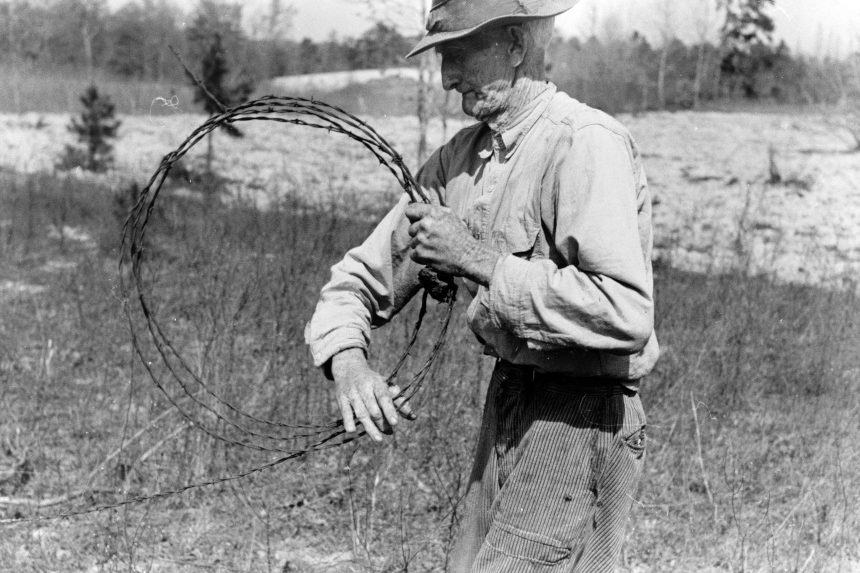
- The Opening of the West: In the United States, barbed wire is often credited with playing a pivotal role in the settlement and development of the American West. It enabled ranchers to establish large herds and farmers to cultivate land previously deemed too difficult to manage.
- Increased Agricultural Productivity: By allowing for better pasture management and protection of crops from livestock, barbed wire contributed to increased agricultural productivity and food security.
- Rural Development: The ability to enclose and manage land led to a more structured and settled rural landscape, fostering the growth of communities and supporting local economies.
Technological Evolution and Beyond
While barbed wire itself is a relatively low-tech invention by today’s standards, its development was part of a broader wave of technological innovation in the late 19th century. It spurred further advancements in metallurgy, manufacturing processes, and the efficient distribution of goods.
- Manufacturing Innovations: The mass production of barbed wire required significant advancements in wire drawing and twisting machinery, contributing to the industrialization of manufacturing.
- Logistics and Distribution: The widespread need for barbed wire necessitated the development of robust distribution networks, influencing the growth of railway and shipping industries.
- Enduring Design Principles: The fundamental design of barbed wire – a strong core wire with sharp, projecting points – has proven remarkably effective and has influenced the design of other security and containment systems. Even today, variations of this concept are employed.
In conclusion, what was barbed wire used for is a question with a multifaceted answer. It was a tool that revolutionized agriculture and ranching, secured property lines, reshaped military tactics, and facilitated territorial control. Its story is one of ingenuity, demonstrating how a simple yet effective invention can have a far-reaching and enduring impact on society, shaping landscapes, economies, and even the very concept of boundaries.
aViewFromTheCave is a participant in the Amazon Services LLC Associates Program, an affiliate advertising program designed to provide a means for sites to earn advertising fees by advertising and linking to Amazon.com. Amazon, the Amazon logo, AmazonSupply, and the AmazonSupply logo are trademarks of Amazon.com, Inc. or its affiliates. As an Amazon Associate we earn affiliate commissions from qualifying purchases.