
The holiday season, with its promise of family gatherings and feasting, often centers around the majestic roasted turkey. For many, the culinary experience is incomplete without the perfect wine pairing. However, beyond the immediate pleasure of a harmonious meal, there’s a less discussed, yet equally compelling, angle for the astute individual: the financial implications of wine selection. This isn’t merely about taste; it’s about understanding value, potential appreciation, and making informed choices that can enhance your portfolio, even in the realm of viniculture. This article explores what type of wine to consider for your turkey table, viewed through the lens of smart financial strategy, investment potential, and smart consumerism.

The Strategic Selection: Beyond the Bird, Towards Value
When considering wine for a turkey dinner, the immediate thought is often flavor profile. Does it complement the poultry? Does it cut through the richness of the gravy? From a financial perspective, however, the question becomes: what wines offer the best balance of immediate enjoyment and potential long-term value? This involves understanding not just the grapes and regions, but the market forces, production trends, and investment viability of different wine categories.
Understanding the Investment Spectrum: Everyday Drinking vs. Age-Worthy Assets
The world of wine, like any investment, can be broadly categorized. For your turkey feast, we’ll focus on wines that offer accessible quality for immediate consumption while also hinting at broader investment principles.
Everyday Drinking Wines: The Reliable Performers
These are the wines that consistently deliver a satisfying experience without breaking the bank. For a turkey meal, think of versatile, medium-bodied reds and aromatic whites.
-
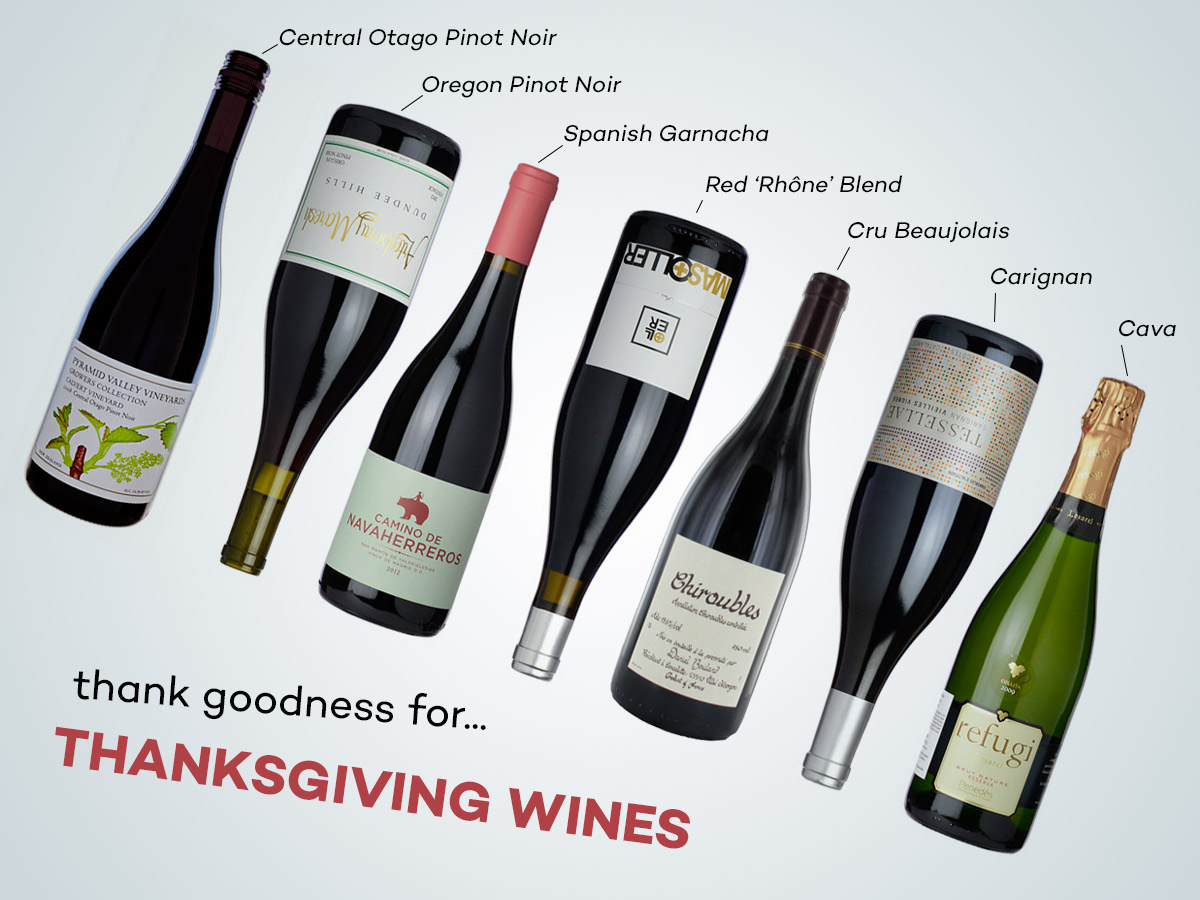
Pinot Noir: Often touted as a classic turkey pairing, Pinot Noir’s delicate fruit notes, earthy undertones, and bright acidity make it remarkably adaptable. From a financial standpoint, good quality Pinot Noir from regions like Burgundy (though potentially pricier), Oregon, or cooler parts of California can be acquired at reasonable price points for everyday enjoyment. While not typically a high-appreciation asset class on its own, a well-chosen bottle of consistently good Pinot Noir represents excellent value – a reliable performer that delivers on its promise. It’s akin to investing in a stable blue-chip stock: predictable returns in terms of enjoyment.
-
Beaujolais (Cru Beaujolais): Made from the Gamay grape, Beaujolais, especially from its Cru appellations (like Morgon, Fleurie, or Moulin-à-Vent), offers vibrant fruit, floral notes, and a lighter-bodied profile that is incredibly food-friendly. Many Cru Beaujolais can be enjoyed young, making them an accessible and affordable option for your holiday table. Their relative affordability compared to Burgundy, coupled with their increasing recognition for quality, makes them a sound choice for the discerning consumer who values both taste and smart spending. They represent an opportunity to discover quality at a lower entry point, a principle mirrored in identifying undervalued market segments.
-
Dry Riesling: For white wine lovers, a dry Riesling from Alsace, Germany (Trocken), or Austria is a revelation with turkey. Its crisp acidity, complex mineral notes, and subtle fruit flavors can handle a range of accompaniments. Dry Rieslings are often remarkably age-worthy, meaning a bottle you enjoy today could develop even more nuance if cellared. This dual nature – immediate gratification and future potential – aligns perfectly with a balanced investment strategy. Their perceived “value” can increase with age, mirroring the growth of a well-performing asset.
Exploring Niches: Wines with Growth Potential
While not every bottle destined for your Thanksgiving table needs to be a cellar investment, understanding wines with inherent growth potential can inform your purchasing decisions and even lead to unexpected returns in terms of both personal enjoyment and potential appreciation.
-
Rhône Blends (Côtes du Rhône, Gigondas): Grenache, Syrah, and Mourvèdre blends from the Southern Rhône offer a spectrum of flavors, from ripe red fruit to peppery spice and earthy notes. While many are accessible and affordable, certain producers and appellations are gaining significant traction among collectors and investors. Purchasing a well-regarded Côtes du Rhône or Gigondas from a reputable producer can offer immediate drinking pleasure and has the potential for moderate price appreciation over the medium term, especially if the producer’s reputation continues to grow. This is akin to investing in emerging markets or growth stocks – higher potential reward with a slightly more calculated risk.
-
Oregon Chardonnay: While Chardonnay from warmer climates can sometimes be heavy, Chardonnays from cooler regions like Oregon (particularly the Willamette Valley) often possess a vibrant acidity and complex minerality that pairs beautifully with richer poultry dishes. These wines are increasingly recognized for their quality and elegance, and while not yet commanding the stratospheric prices of top Burgundy, they represent a growing segment of the fine wine market. Investing in these Chardonnays, even for immediate consumption, is akin to identifying a quality asset before it reaches peak valuation.
The Financial Framework: Value, Provenance, and Risk Management
Beyond the specific grape or region, a financially astute approach to wine selection for turkey involves understanding the underlying principles that drive value and mitigate risk. This is where the analogy to financial markets becomes most pronounced.
Provenance and Producer Reputation: The Brand Equity of Wine
In wine, as in business, a strong brand and a clear history of quality are paramount.
-
Terroir and Appellation: Just as a company’s headquarters or a specific patent can define its value, a wine’s “terroir” – the unique combination of soil, climate, and topography – and its established appellation (geographical designation) significantly impact its quality and market perception. For instance, a Burgundy Pinot Noir will inherently carry a different market expectation and price point than a California Pinot Noir due to its historical reputation and stricter production regulations. When selecting wine for turkey, understanding these appellations allows you to make informed choices, recognizing where established value lies.
-
Producer’s Track Record: A winery with a long-standing reputation for excellence, consistency, and ethical practices is more likely to produce wine that is both enjoyable and holds its value. This is akin to investing in established companies with proven management and a history of profitability. Look for producers who are recognized for their quality in the regions you are considering. Their “brand equity” translates to a more reliable and enjoyable wine experience, and potentially, a more stable investment should you choose to cellar it.
Supply and Demand Dynamics: The Market Forces at Play
Like any commodity, wine prices are influenced by supply and demand.
-
Limited Production Wines: Wines from smaller, highly-regarded producers or from specific, limited-yield vineyards often command higher prices and can appreciate more significantly. While these might be more of a “collectible” than an everyday turkey wine, understanding this dynamic is key. For the investor, identifying these emerging producers or unique vineyard sites early can be very rewarding.
-
Vintage Variation: Wine quality can vary significantly from year to year due to weather patterns. A “great” vintage in a particular region will often see higher demand and prices for wines from that year. For the casual consumer, understanding which vintages are generally well-regarded can help ensure you’re purchasing a quality bottle for your meal. For the investor, knowing which vintages are poised for appreciation is crucial. This is akin to understanding market cycles and identifying opportune entry points.
Risk Management and Diversification: The Cellar as a Portfolio
Even if your primary goal is enjoyment, thinking of your wine cellar as a mini-portfolio can lead to smarter choices.
Diversifying Your “Vinous Assets”
Just as a financial portfolio benefits from diversification, so too can your wine collection.
-
Geographic Diversity: Don’t limit yourself to a single region or country. Explore wines from different parts of the world. For turkey, this means considering options from France, Italy, Spain, the United States, Australia, and beyond. Each offers unique flavor profiles and potential value propositions. This geographic diversification mirrors investing in different sectors or asset classes to spread risk.
-
Grape Diversity: Similarly, exploring a range of grape varietals and blends broadens your palate and your understanding of the market. Understanding the characteristics of Cabernet Sauvignon, Merlot, Syrah, Sangiovese, and various white grapes allows you to make more informed choices based on your meal and your investment interests.
The Importance of Proper Storage: Preserving Your Investment
If you intend to age any of your wine selections, proper storage is non-negotiable.
-
Cellaring Conditions: Wine is a perishable asset. Consistent temperature (ideally 55°F / 13°C), moderate humidity, minimal light exposure, and protection from vibrations are essential for optimal aging. Investing in a proper wine fridge or a dedicated cellar space is akin to investing in secure data storage for digital assets. Without proper care, your potential gains – both in taste and value – can be lost.
-
Understanding Aging Potential: Not all wines are built to age. While a robust Bordeaux or a fine Barolo can improve for decades, a light-bodied Beaujolais is best enjoyed within a few years. Understanding the aging potential of the wines you purchase is critical to managing expectations and maximizing both enjoyment and potential returns. This is the equivalent of understanding the lifecycle and growth potential of a stock.
Conclusion: A Toast to Informed Choices
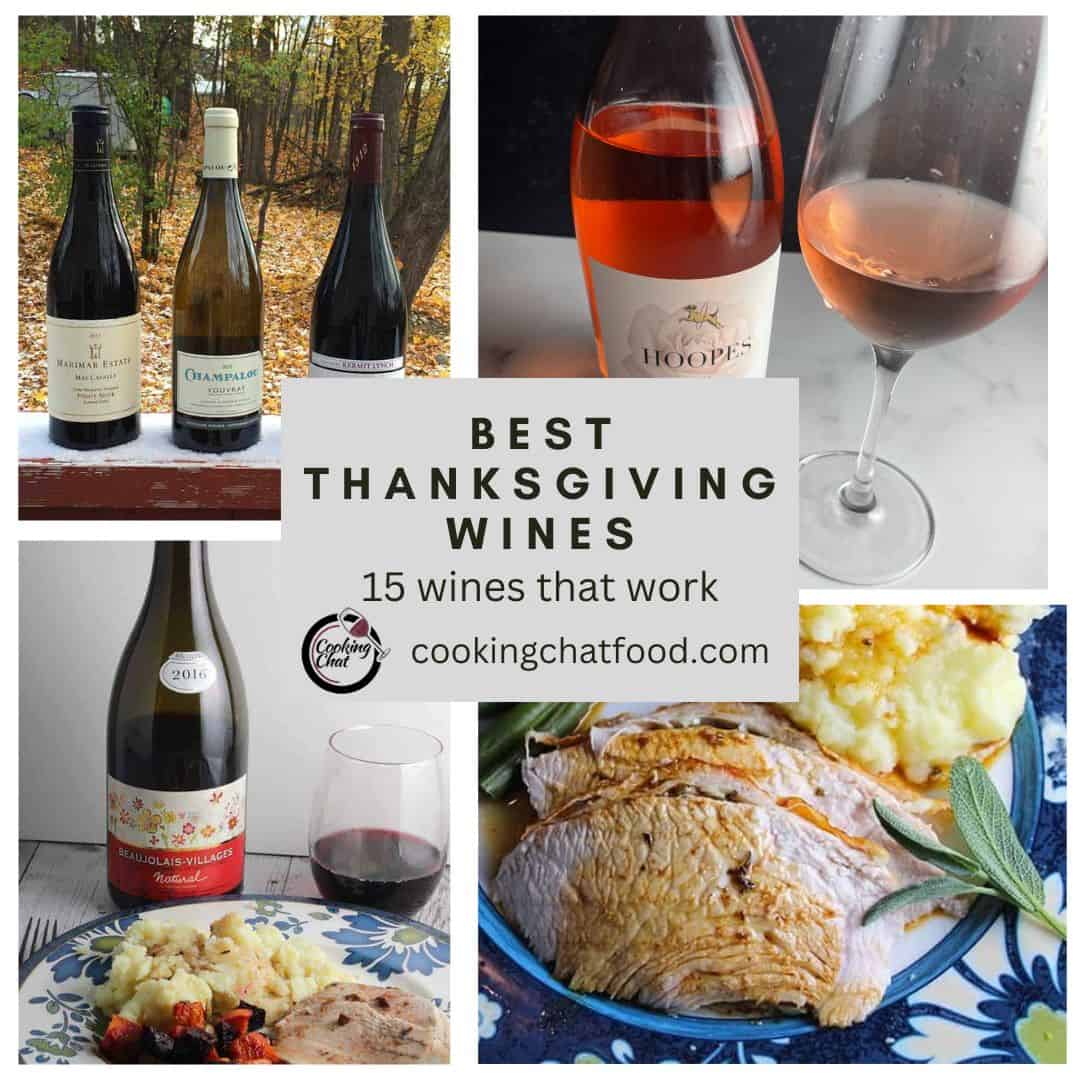
The question of “what type of wine for turkey” transcends mere culinary advice when viewed through a financially discerning lens. It’s an opportunity to practice informed consumerism, understand value, and even dabble in the fascinating world of wine as an asset class. By considering the provenance, producer reputation, market dynamics, and the principles of diversification and risk management, you can elevate your holiday gathering from a simple meal to an occasion where every sip is not just delicious, but also a testament to smart, considered choices. Whether you’re uncorking a bottle to enjoy immediately or laying down a few with future appreciation in mind, remember that the best wine pairings are those that satisfy both the palate and the pursuit of intelligent value. Cheers to a well-paired and prosperous future.
aViewFromTheCave is a participant in the Amazon Services LLC Associates Program, an affiliate advertising program designed to provide a means for sites to earn advertising fees by advertising and linking to Amazon.com. Amazon, the Amazon logo, AmazonSupply, and the AmazonSupply logo are trademarks of Amazon.com, Inc. or its affiliates. As an Amazon Associate we earn affiliate commissions from qualifying purchases.