
The Easter Vigil, a profound and sacred liturgy, marks the climax of the Easter Triduum. It’s a night of deep spiritual significance, weaving together ancient traditions with powerful symbolism. While the focus is undoubtedly on the spiritual journey, the question of appropriate attire often arises. For many, particularly those accustomed to a modern, digitally-influenced lifestyle, navigating the nuances of liturgical dress can feel like a minor puzzle. This guide aims to demystify what to wear to an Easter Vigil, focusing on the practicalities and considerations through the lens of a discerning, tech-aware individual who values both reverence and personal presentation.
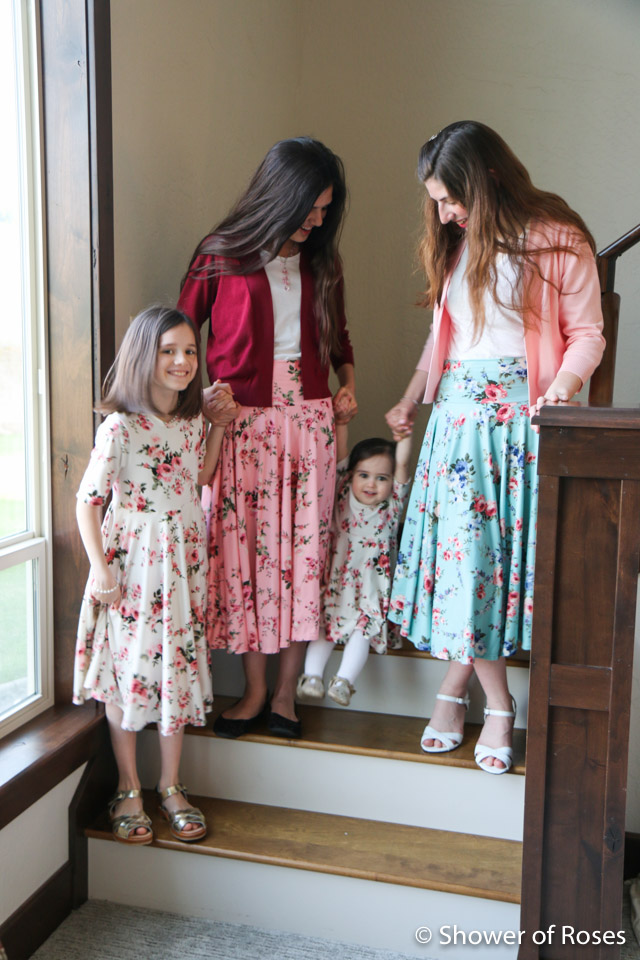
While the core principles of dressing for worship remain timeless, understanding them through a modern perspective, considering factors like comfort in varying church environments (often with climate control managed by sophisticated systems), and even how our digital presence can sometimes subtly influence our real-world choices, can be beneficial. This isn’t about trends, but about thoughtful choices that honor the solemnity of the occasion while ensuring you feel comfortable and present.
Understanding the Significance: Beyond the Fabric
Before delving into specific garment choices, it’s crucial to grasp why certain attire is traditionally encouraged for significant religious services like the Easter Vigil. This understanding transcends mere fashion; it’s about respect, humility, and participation in a communal act of worship.
The Symbolism of Reverent Dress
The practice of dressing respectfully for religious services is deeply rooted in various traditions. It signifies acknowledging the sacredness of the space and the act of worship. For the Easter Vigil, this takes on an amplified meaning. The liturgy unfolds over several hours, often beginning outdoors for the Service of Light and then moving indoors for the Liturgy of the Word, Baptism, and Eucharist. Your attire should reflect the transitions and the varying levels of solemnity throughout the night. Think of it as a visual representation of your readiness to engage fully in the spiritual journey being undertaken.
Comfort and Practicality in a Multi-Stage Service
The Easter Vigil is not a brief ceremony; it’s an extended vigil that can last well into the night. This means comfort is paramount. You’ll likely be standing for significant periods, sitting, kneeling, and potentially moving between different areas. Modern churches, with their sophisticated climate control systems, can sometimes be surprisingly cool or warm. Your clothing choices should account for these practicalities, ensuring you can focus on the liturgy rather than being distracted by discomfort. This might involve layering, choosing breathable fabrics, and selecting footwear that allows for extended periods of standing or movement.
Navigating the Nuances: Practical Considerations for Attire
When approaching the Easter Vigil, the objective is to present yourself in a way that is both respectful of the occasion and comfortable for the duration of the service. This involves understanding general guidelines and applying them to your personal style and the specific context of the Vigil.
The Foundation: Modesty and Respect
The overarching principle for liturgical attire is modesty and respect. This generally translates to clothing that covers the shoulders, avoids excessively short hemlines, and refrains from overly revealing or attention-grabbing designs. For women, this means opting for dresses or skirts that fall at or below the knee, and blouses or tops that are not low-cut. Trousers are generally acceptable if they are well-tailored and conservative in style. For men, dress trousers and a collared shirt are standard. A tie is often appropriate, though not always strictly required depending on the specific church community and the individual’s role. The emphasis is on presenting a dignified and uncluttered appearance, allowing the focus to remain on the spiritual experience.
Fabric Choices: Comfort Meets Appropriateness
The materials of your clothing play a significant role in your comfort throughout the Vigil. Consider breathable fabrics like cotton, linen blends, or lightweight wool. These materials are excellent for managing temperature, especially as the liturgy can involve both indoor and outdoor elements, and church temperatures can fluctuate. Avoid synthetic fabrics that can be stifling or lead to static cling. For a more formal occasion like the Vigil, a touch of elegance can be incorporated through the texture and drape of the fabric. For instance, a well-chosen silk blend blouse or a fine wool skirt can add a subtle sophistication without being ostentatious. The key is to select materials that feel good against your skin and allow for ease of movement.

Footwear: Sturdy and Sensible
Given the extended duration of the Easter Vigil, comfortable and supportive footwear is essential. This is not the time for brand-new, unproven heels or flimsy sandals. Opt for shoes that you can comfortably stand and walk in for several hours. For women, this might mean elegant flats, low block heels, or smart loafers. For men, polished dress shoes that are well-maintained are ideal. Consider the potential for standing on hard surfaces. If the Service of Light is held outdoors, ensure your footwear is practical for the terrain. The goal is to avoid any physical distraction that could detract from your spiritual engagement.
Layers and Accessories: Enhancing Comfort and Style
Thoughtful layering and carefully chosen accessories can elevate your attire for the Easter Vigil, ensuring both comfort and a polished appearance. These elements allow you to adapt to changing temperatures and add a personal touch that remains within the bounds of reverence.
The Power of Layering
The ability to adapt to the environment is crucial for the Easter Vigil. Layering is your most effective strategy. For women, a cardigan, a tailored blazer, or a stylish shawl can be added or removed as needed. For men, a well-fitting sport coat or a blazer over a collared shirt provides a similar function. This approach ensures you are comfortable whether the church is cooler than expected or the evening air is crisp. Consider the formality of the layers; a finely knit cardigan can offer warmth without sacrificing elegance, while a structured blazer adds a more formal silhouette.
Subtle Accessories: Adding a Touch of Personal Grace
Accessories, when chosen judiciously, can enhance your ensemble without becoming a distraction. For women, a simple necklace, elegant earrings, or a modest bracelet can add a touch of grace. A light scarf can provide warmth and a stylish accent. For men, a classic watch or understated cufflinks can add refinement. The key is to keep accessories minimal and meaningful. Avoid anything that is overly flashy, noisy, or detracts from the solemnity of the occasion. The aim is to complement your attire, not to overshadow it.
Beyond the Practical: The Heart of Attire at the Vigil
While we’ve focused on the practicalities of what to wear, it’s important to remember that the ultimate purpose of dressing for the Easter Vigil is to express a heart ready for worship and renewal. Your attire is a silent declaration of your intent to participate fully in this sacred night.
Reflecting Inner Preparation
Our external presentation often reflects our internal state. Dressing with care and intention for the Easter Vigil is an outward manifestation of your spiritual preparation. It’s a way of signaling to yourself and to the community that you are taking this solemn occasion seriously. This thoughtful approach can enhance your own sense of reverence and contribute to the overall atmosphere of contemplative worship. Consider the colors you choose; whites, creams, and pastels are often associated with Easter and new beginnings, while deeper, more subdued colors can also convey a sense of solemnity and reflection, particularly in the earlier stages of the Vigil.

Community and Belonging
Participating in a religious service is also an act of community. Your attire contributes to the collective visual tapestry of the congregation. While individual expression is natural, there’s also a sense of unity that emerges when a community gathers for worship. Dressing in a way that aligns with the general understanding of liturgical dress fosters a sense of belonging and shared purpose. It signifies your integration into the community’s act of faith.
In conclusion, what to wear to an Easter Vigil is a question that invites thoughtful consideration. By understanding the significance of the occasion, prioritizing comfort and modesty, and making wise choices regarding fabric, footwear, and accessories, you can ensure your attire is both appropriate and conducive to a deeply meaningful spiritual experience. The goal is to dress in a way that allows you to be fully present, allowing the profound beauty and transformative power of the Easter Vigil to touch your heart.
aViewFromTheCave is a participant in the Amazon Services LLC Associates Program, an affiliate advertising program designed to provide a means for sites to earn advertising fees by advertising and linking to Amazon.com. Amazon, the Amazon logo, AmazonSupply, and the AmazonSupply logo are trademarks of Amazon.com, Inc. or its affiliates. As an Amazon Associate we earn affiliate commissions from qualifying purchases.