
The world of technology is dynamic, innovative, and rapidly evolving. As a teenager looking to break into this exciting industry, whether it’s for an internship, a part-time role, or even a summer coding camp, your first impression is crucial. While your technical skills and enthusiasm are paramount, understanding the unspoken dress code for tech interviews is equally important. In the tech industry, the visual presentation often communicates a lot about your professionalism, attention to detail, and understanding of the company culture. This guide will delve into how to navigate the nuances of tech interview attire, ensuring you project confidence and competence, even before you utter your first word.

The tech landscape, while often perceived as casual, has distinct expectations when it comes to interview attire. The key is to strike a balance between professionalism and the inherent informality often associated with tech companies. It’s not about being overly formal, but about demonstrating that you take the opportunity seriously and have put thought into your appearance. This thoughtful approach subtly signals your readiness to be a contributing member of a team.
The Foundation: Understanding Tech Company Culture and Dress Codes
Before you even consider pulling out a suit, it’s vital to understand that the “tech uniform” is not monolithic. Different companies, even within the tech sector, have varying levels of formality. A startup in Silicon Valley might have a significantly different vibe than a large, established software corporation. Research is your best friend here.
Decoding the Company Culture: The Art of the Pre-Interview Reconnaissance
The first step to choosing your interview outfit is to understand the environment you’ll be entering. This involves more than just a quick glance at their website’s “About Us” page.
Website and Social Media Deep Dive: Visual Clues
Take a thorough look at the company’s website. Do they feature photos of their employees in action? What are they wearing? Are there team photos on their LinkedIn page or Instagram feed? These visual cues are invaluable. If employees are consistently seen in t-shirts and jeans in office photos, it suggests a more casual environment. Conversely, if there are photos of employees in smart casual attire or even more formal wear, it provides a different benchmark. Pay attention to the overall aesthetic – is it sleek and modern, or more relaxed and quirky?
Glassdoor and Employee Reviews: Uncovering the Unspoken Rules
Websites like Glassdoor can offer candid insights from current and former employees. While you might not find explicit “dress code” sections, reviews often mention the office environment, team dynamics, and general atmosphere. Look for comments that describe the daily work attire or how employees present themselves. This anecdotal evidence can be a more reliable indicator than carefully curated company photos.
Networking and Informational Interviews: Direct Insights
If possible, connect with someone who works at the company, even in a different department. An informational interview, even a brief virtual chat, can be an excellent opportunity to subtly ask about the company culture and typical work attire. Frame your questions professionally, for example, “I’m really excited about the possibility of interning at [Company Name]. Could you tell me a bit about the general office atmosphere and what people typically wear day-to-day?” This direct approach can provide the most accurate information.
The “Smart Casual” Spectrum: Finding Your Comfort Zone
Once you have a better understanding of the company’s culture, you can begin to define your own “smart casual” approach. This is the most common dress code in tech, but it’s a broad category that requires thoughtful interpretation. It’s about looking polished and put-together without being overly formal.
Smart Casual for Teen Boys: Polished and Approachable
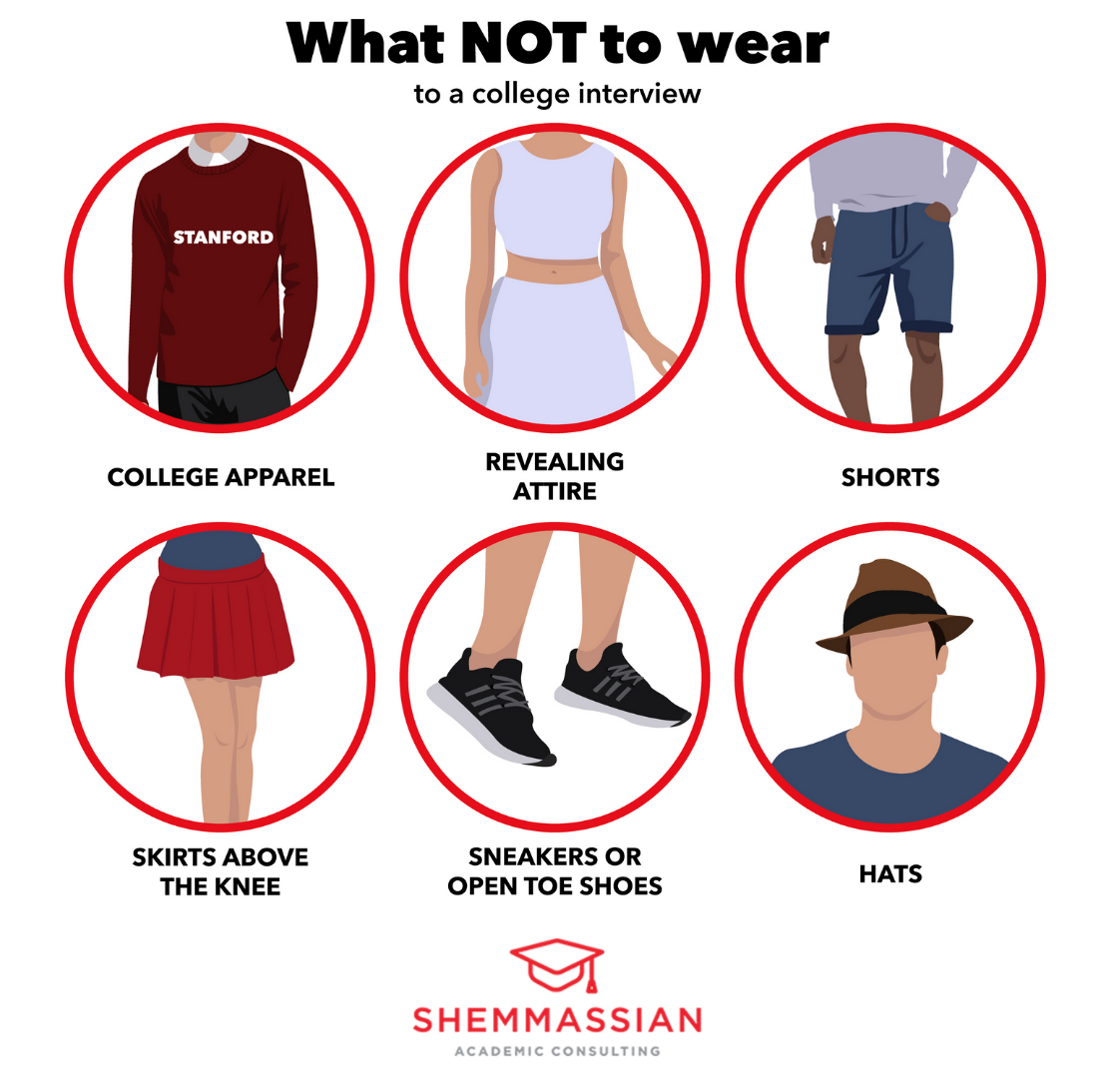
For teenage boys, smart casual typically involves a well-fitting button-down shirt or a clean, high-quality polo shirt. Avoid graphic tees or anything with loud logos. Pair this with chinos or dark-wash jeans that are free of rips or excessive distressing. A clean, stylish pair of sneakers or smart loafers can complete the look. A simple, understated watch can add a touch of sophistication. Ensure your clothes are ironed and free of wrinkles.
Smart Casual for Teen Girls: Modern and Professional
For teenage girls, smart casual can be interpreted in several ways. A crisp blouse paired with tailored trousers or a smart skirt (knee-length or slightly longer) is a great option. Alternatively, a clean, well-fitting sweater over a collared shirt or a simple, elegant dress can work. Again, avoid overly trendy or revealing clothing. For footwear, smart flats, loafers, or clean, minimalist sneakers are generally acceptable. Ensure any jewelry is subtle and professional.
The Core Elements: Building a Tech-Ready Wardrobe
Beyond understanding the company culture, there are fundamental elements that form the basis of a successful tech interview outfit. These are the pieces that exude professionalism and a keen eye for detail.
The Power of the Right Top: Clean Lines and Subtle Statements
Your top is often the most visible part of your outfit. It needs to convey professionalism without being stifling.
Button-Down Shirts and Polos: Classic Choices
A well-fitting button-down shirt in a solid color like light blue, white, or a subtle pattern is a timeless choice. Ensure it’s ironed and tucked in neatly. For a slightly more relaxed feel, a high-quality polo shirt in a neutral tone can also be appropriate, especially in very casual startup environments. Make sure the collar is crisp and the fabric is substantial, not thin or sheer.
Blouses and Simple Tops: Versatility and Polish
For teenage girls, a simple, elegant blouse in a solid color or a subtle print is ideal. Look for materials like cotton, silk blends, or rayon that drape well. A well-fitting knit top or a crew-neck sweater can also be a good option. Avoid anything too low-cut, sheer, or with excessive embellishments. The key is a clean silhouette and a polished finish.
Bottoms That Speak Volumes: Structure and Fit
The choice of bottoms plays a significant role in the overall impression of your outfit. They need to provide structure and a sense of seriousness.
Chinos and Tailored Trousers: The Go-To for a Reason
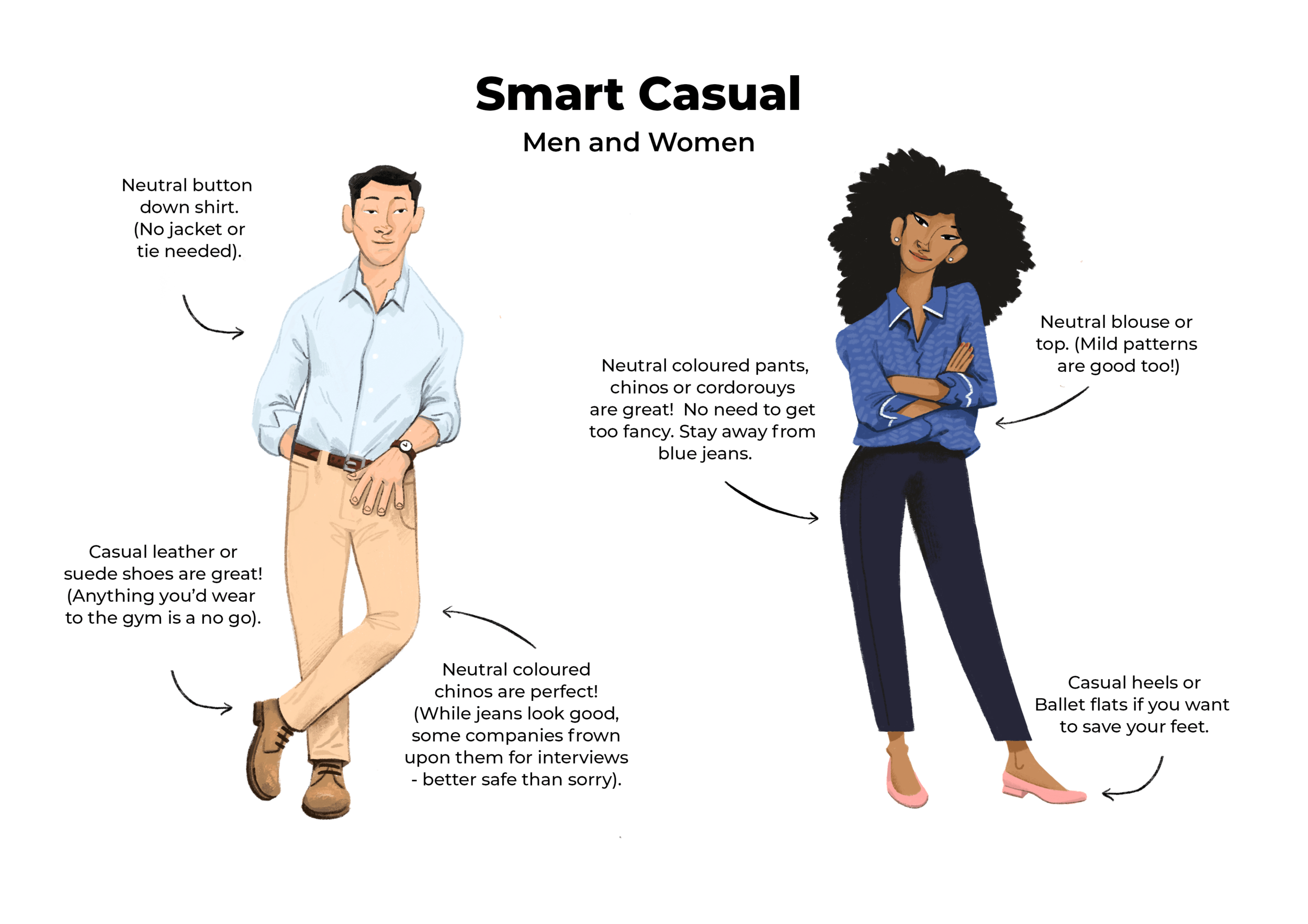
Chinos are a staple in the tech industry for a reason. They offer a step up from jeans but are still comfortable and versatile. Opt for neutral colors like khaki, navy, or gray. Ensure they fit well – not too tight or too baggy. Tailored trousers offer an even more polished look and are an excellent choice for more formal tech environments.
Dark-Wash Jeans: When the Culture Allows
In more relaxed tech settings, dark-wash, well-fitting jeans can be acceptable. The key here is dark-wash and well-fitting. Avoid any rips, tears, or fading. They should look intentional and clean, not like something you’d wear to a weekend outing. Always err on the side of caution if you’re unsure.
Footwear: The Finishing Touch that Matters
Your shoes are a crucial detail. They complete your look and can either elevate or detract from your entire outfit.
Clean Sneakers and Loafers: Modern and Practical
Clean, minimalist sneakers in white, black, or a neutral color can be perfectly acceptable in many tech interviews. Ensure they are spotless. Loafers or smart slip-on shoes also offer a polished yet comfortable option. Avoid athletic shoes or anything that looks worn-out or dirty.
Flats and Smart Shoes: Elegant and Professional
For teenage girls, smart flats, loafers, or low-heeled pumps are excellent choices. They offer a professional look without sacrificing comfort. Again, ensure they are clean and in good condition. Avoid high heels that are difficult to walk in or that might feel out of place in a tech office.
The Nuances: Details That Make a Difference
Beyond the core clothing items, several subtle details can significantly enhance your interview presentation. These are the elements that demonstrate a higher level of polish and thoughtfulness.
Grooming and Personal Presentation: The Unseen Interviewer
Your personal grooming is as important as your attire. It reflects your attention to detail and your respect for yourself and the opportunity.
Hair and Makeup: Natural and Tidy
Keep your hair neat and tidy, styled away from your face. For makeup, opt for a natural, understated look. The goal is to appear fresh and professional, not to make a bold fashion statement.
Nails and Accessories: Subtle Sophistication
Ensure your nails are clean and tidy. For accessories, less is more. A simple watch, a delicate necklace, or subtle earrings are usually appropriate. Avoid anything flashy or distracting. The aim is to complement your outfit, not to be the sole focus.
The “Third Piece” Dilemma: When to Add a Layer
The decision to add a third piece, like a blazer or a cardigan, depends heavily on the company culture and the specific role you’re interviewing for.
Blazers and Smart Jackets: Elevating the Look
In more traditional or formal tech companies, a well-fitting blazer or a smart jacket can be a great addition. It instantly elevates your look and signals professionalism. Choose neutral colors like navy, charcoal, or black. For a slightly more modern approach, a clean, well-structured cardigan can also work in a smart-casual setting.
Cardigans and Smart Outerwear: A Softer Professionalism
For less formal environments, a clean, well-fitting cardigan in a neutral color can provide a touch of polish without feeling overly stiff. If the weather necessitates outerwear, ensure it’s a clean, professional-looking coat or jacket. Avoid casual hoodies or overly worn jackets.
Bags and Portfolios: Carrying Your Essentials with Style
How you carry your essentials also contributes to your overall impression.
Messenger Bags and Backpacks: Practical and Professional
A clean, minimalist messenger bag or a professional-looking backpack can be suitable for carrying your resume, notebook, and any other necessary items. Avoid overly casual or brightly colored bags. Leather or durable fabric in neutral tones is ideal.
Portfolios and Briefcases: For More Formal Roles
For more formal roles or in companies that lean towards traditional business attire, a sleek portfolio or a slim briefcase can be the most appropriate choice. It conveys a sense of organization and preparedness.
By understanding the tech industry’s dress code, researching company culture, and focusing on well-fitting, clean, and understated pieces, teenagers can confidently navigate the interview process. The goal is to present yourself as a serious, professional, and thoughtful candidate who is ready to contribute to the innovative world of technology. Your attire is a powerful, silent communicator – make it work in your favor.
aViewFromTheCave is a participant in the Amazon Services LLC Associates Program, an affiliate advertising program designed to provide a means for sites to earn advertising fees by advertising and linking to Amazon.com. Amazon, the Amazon logo, AmazonSupply, and the AmazonSupply logo are trademarks of Amazon.com, Inc. or its affiliates. As an Amazon Associate we earn affiliate commissions from qualifying purchases.