
Navigating the landscape of personal finance requires a keen understanding of recurring expenses, and for the vast majority of households, car insurance represents one of the most significant monthly outlays. Understanding how much car insurance costs on a monthly basis is not just about looking at a single number; it is about analyzing the variables of risk, asset protection, and long-term financial stability.
On average, drivers in the United States can expect to pay anywhere from $50 to over $200 per month for vehicle coverage. However, these figures are highly localized and personalized. For the financially conscious individual, car insurance should be viewed as a tool for risk management rather than a mere regulatory burden. By deconstructing the monthly premium, we can better understand how to optimize this expense within a broader financial strategy.
Understanding the Monthly Cost of Car Insurance: The Financial Framework
To accurately budget for vehicle ownership, one must look beyond the car payment and fuel costs. Car insurance is a non-negotiable component of a healthy financial plan. The “monthly premium” is the price you pay to transfer the financial risk of an accident or theft from yourself to an insurance provider.
The National Average and Why It Matters for Your Budget
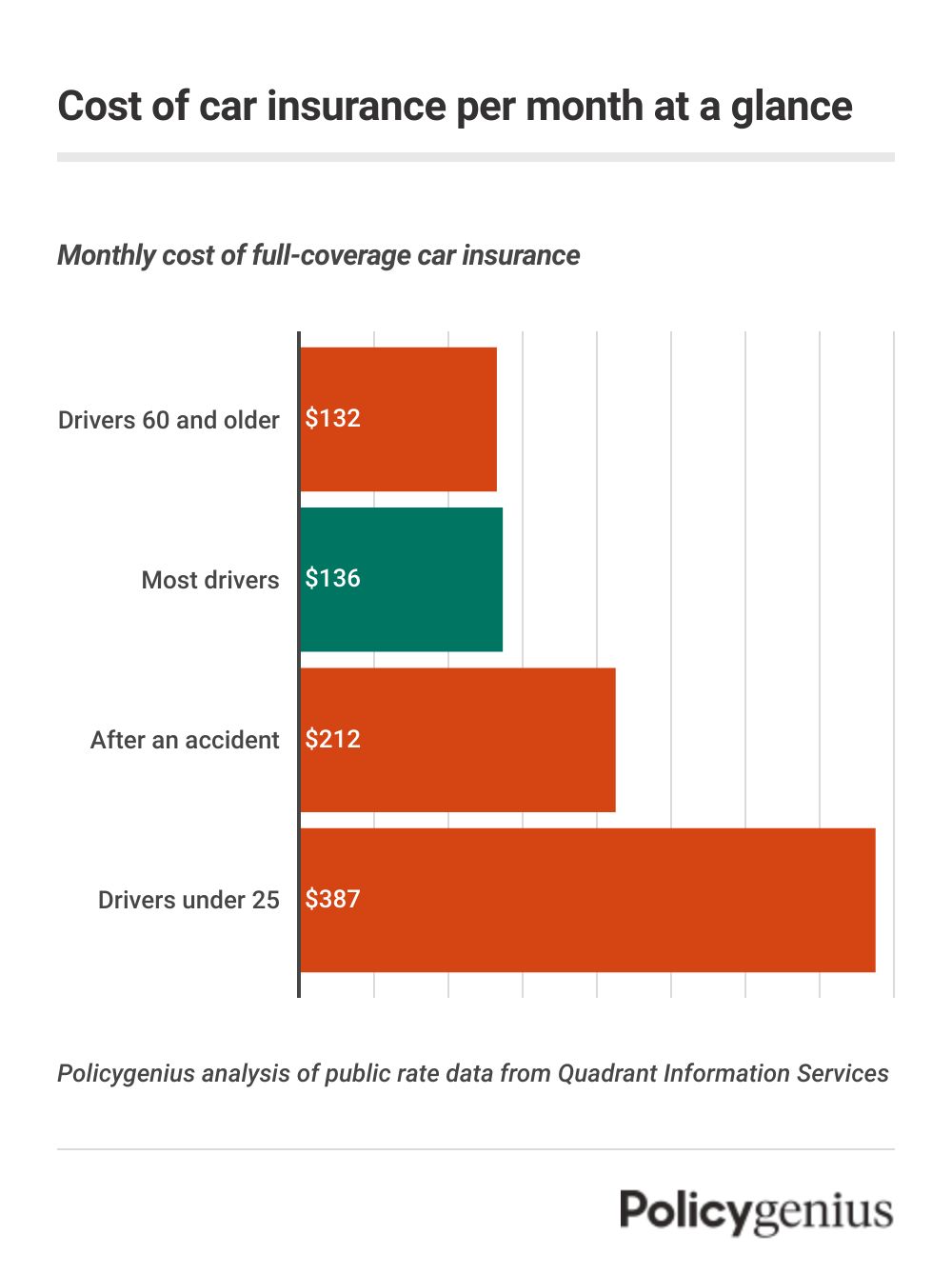
While the national average for full coverage car insurance often hovers around $1,800 to $2,000 per year—roughly $150 to $167 per month—these averages can be misleading. In personal finance, “average” is rarely “actual.” Depending on your state, your monthly bill could be significantly higher. For instance, drivers in Florida or Michigan often face monthly premiums that exceed $250 due to high litigation rates or unique state laws, whereas drivers in Maine or Idaho might pay less than $80 for the same level of protection.
Understanding these benchmarks allows you to determine if you are overpaying. If your monthly premium is significantly higher than the average for your demographic and location, it serves as a financial signal that it is time to audit your policy or shop for a new provider.
Fixed vs. Variable Costs in Personal Risk Management
Car insurance is often categorized as a fixed monthly expense, but it is actually a variable cost over the long term. Unlike a fixed-rate mortgage, insurance premiums are reassessed every six to twelve months. From a money management perspective, this means your “fixed” budget must remain flexible. Factors such as a change in your daily commute, a new credit score tier, or even the general inflation of automotive repair parts can cause your monthly premium to fluctuate. Recognizing this volatility is essential for maintaining an accurate emergency fund and monthly cash flow.
Key Factors Influencing Your Monthly Premiums
The calculation of a monthly insurance premium is an actuarial process that weighs the probability of a claim against the cost of that claim. For the policyholder, understanding these factors is the first step toward lowering the monthly bill.
Demographic Variables: Age, Location, and Credit Score
From a personal finance standpoint, your “insurability profile” is built on data points that suggest financial reliability.
- Age: Younger drivers (under 25) are statistically riskier, often resulting in monthly premiums that can double or triple the national average. Conversely, drivers in their 50s often enjoy the lowest rates.
- Location: Where you park your car at night dictates much of your cost. High-density urban areas with high rates of theft and vandalism naturally command higher monthly fees than rural areas.
- Credit Score: Perhaps the most overlooked financial factor is the credit-based insurance score. In many states, insurers use your credit history to predict the likelihood of a claim. A higher credit score often translates directly to a lower monthly premium, reinforcing the idea that good credit is a fundamental pillar of personal wealth management.
Vehicle Specifics: How Your Choice of Car Affects Your Bottom Line
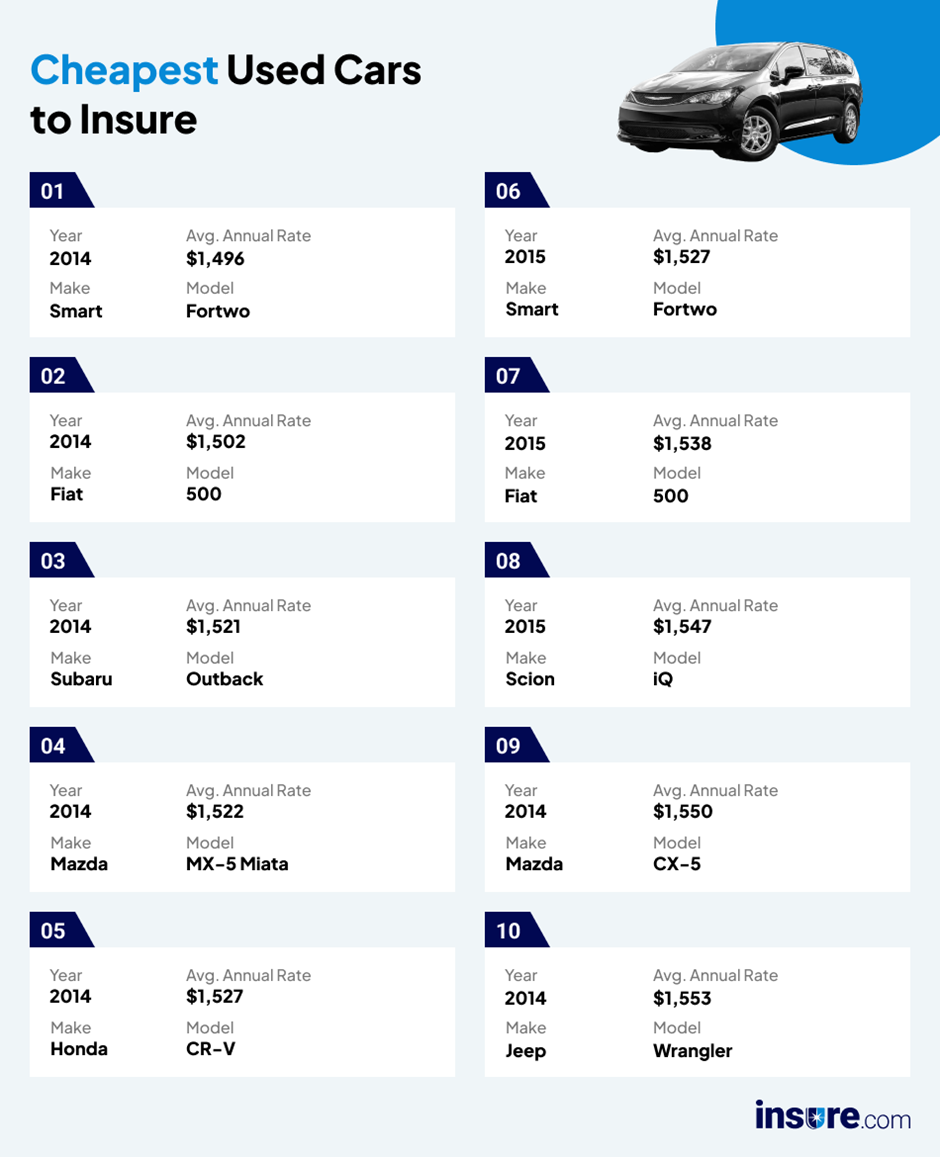
The asset you are insuring is just as important as your personal profile. A high-performance sports car costs more to insure monthly because it is more expensive to repair and more likely to be involved in a high-speed collision. On the other hand, a late-model sedan with advanced safety features may earn you a discount. When purchasing a vehicle, the “total cost of ownership” must include the projected monthly insurance premium. A “deal” on a used luxury car can quickly become a financial liability if the insurance premiums are twice what you budgeted.
Coverage Levels: Balancing Protection with Monthly Affordability
The amount of protection you choose is the primary lever you can pull to change your monthly cost.
- Liability Only: This is usually the legal minimum. It covers damage to others but not to your own vehicle. It offers the lowest monthly cost but carries the highest financial risk.
- Full Coverage: This includes collision and comprehensive insurance. While it increases the monthly premium, it protects your investment in the vehicle. For any car with a significant resale value, full coverage is generally the smarter financial move.
Strategies to Reduce Your Monthly Insurance Outlay
Optimizing your monthly expenses is a hallmark of savvy financial planning. If your car insurance feels like a burden on your cash flow, there are several strategic moves to lower the cost without sacrificing essential protection.
Leveraging Discounts and Bundling for Better Rates
Most insurance companies offer a variety of discounts that can shave 5% to 25% off your monthly bill. The most effective strategy is “bundling”—combining your auto insurance with homeowners or renters insurance under the same provider. From a money management perspective, bundling simplifies your bills and provides a multi-policy discount that is often unmatched by individual policies. Other discounts to look for include good student discounts, safe driver programs, and discounts for paying the full six-month premium upfront rather than monthly (which often incurs a small administrative fee).
The Impact of Higher Deductibles on Cash Flow
The deductible is the amount you pay out of pocket before the insurance company steps in. There is an inverse relationship between your deductible and your monthly premium. By raising your deductible from $500 to $1,000, you can often see a significant reduction in your monthly bill. However, this strategy requires a disciplined approach to personal finance: you must have the deductible amount readily available in a high-yield savings account or emergency fund to ensure that an accident doesn’t lead to a financial crisis.
Improving Your Financial Profile to Lower Long-Term Costs
Because credit scores impact insurance rates in many regions, the best long-term strategy to lower your monthly insurance is to improve your overall financial health. Reducing revolving debt and ensuring on-time payments will eventually lift your credit score, which can trigger a lower premium upon your next policy renewal. This creates a positive feedback loop: better financial habits lead to lower expenses, which leaves more room for investing and saving.
Comparing Insurance Providers: A Tool for Financial Optimization
The insurance market is highly competitive, and as a consumer, you should treat insurance as any other financial product. Loyalty to a single brand rarely pays off in the world of personal finance; instead, periodic comparison shopping is necessary to ensure you are receiving the best value.
Navigating Quotes: How to Spot Value Beyond the Price Tag
When comparing monthly costs, it is tempting to simply choose the lowest number. However, the “cheapest” insurance can be the most expensive in the long run if the claims process is difficult or if the coverage has hidden gaps. Look for companies with high financial stability ratings (such as A.M. Best ratings) and strong customer service reviews. A monthly premium of $120 with a company that pays claims quickly is a better financial investment than a $100 premium with a company that denies legitimate claims.
The Role of Technology in Modern Insurance Pricing
The rise of “InsurTech” has introduced telematics—small devices or smartphone apps that track your driving habits. For those who drive infrequently or very safely, usage-based insurance can lead to dramatic savings. If you are a low-mileage driver or someone who avoids driving late at night, opting into a telematics program can tailor your monthly premium to your actual risk level rather than a broad demographic average. This is a perfect example of using modern financial tools to achieve personalized cost savings.

Conclusion: Integrating Insurance into Your Broader Financial Strategy
Ultimately, the question of “how much is car insurance monthly” is a starting point for a deeper conversation about financial security. While the average cost may be around $150 per month, your specific number is a reflection of your location, your vehicle, and your personal financial history.
By viewing car insurance through the lens of personal finance, you move from being a passive payer to an active manager of your risks. Regularly auditing your coverage, maintaining a strong credit profile, and strategically choosing deductibles allows you to minimize your monthly outflow while maximizing your protection. In the grand scheme of wealth building, saving $50 a month on car insurance and redirecting that money into a retirement account or a side business can have a transformative impact over time. Insurance is not just a cost of driving; it is a foundational component of a secure and optimized financial life.
aViewFromTheCave is a participant in the Amazon Services LLC Associates Program, an affiliate advertising program designed to provide a means for sites to earn advertising fees by advertising and linking to Amazon.com. Amazon, the Amazon logo, AmazonSupply, and the AmazonSupply logo are trademarks of Amazon.com, Inc. or its affiliates. As an Amazon Associate we earn affiliate commissions from qualifying purchases.