
The Power of Presentation: More Than Just Clothes
In the competitive world of musical theatre, every element of your audition matters. While your vocal talent, acting chops, and dancing skills are paramount, the visual aspect of your presentation is an often-underestimated yet crucial component. What you wear to an audition is not merely about aesthetics; it’s a powerful tool that communicates your professionalism, your understanding of the role, and your ability to embody a character. This isn’t about fashion trends or making a statement that distracts from your performance. Instead, it’s about strategic dressing that subtly enhances your strengths and demonstrates respect for the casting process.

Understanding the Casting Director’s Perspective
Casting directors are looking for individuals who not only possess the raw talent but also the potential to fit seamlessly into their production. They are sifting through countless hopefuls, and their initial impression can be formed within seconds. Your attire is a significant part of that first impression. It should speak to your readiness, your seriousness, and your understanding of the industry.
- Professionalism as a Baseline: Imagine showing up to a corporate job interview in ripped jeans and a band t-shirt. The implication is clear: a lack of seriousness and a disregard for the formal environment. The same principle applies to theatre auditions. Dressing professionally signals that you take this opportunity seriously and respect the time and effort of everyone involved. This doesn’t mean a full suit for every audition, but it does mean clean, well-fitting, and appropriate attire.
- The Unspoken Language of Clothing: Our clothing communicates a myriad of unconscious messages. It can convey confidence, approachability, and even a hint of the character you might bring to life. A well-chosen outfit can subtly suggest that you are a team player, reliable, and easy to work with – qualities that are just as important as talent in a long rehearsal and performance process.
- Demonstrating Industry Savvy: Experienced performers understand that auditions are a professional arena. They dress in a way that aligns with industry standards, showing that they have done their research and understand the unspoken rules of the game. This doesn’t mean mimicking a specific style but rather adhering to a level of presentation that suggests you are already part of this professional world.
Crafting Your Audition Wardrobe: The Foundation of Success
Building a successful audition wardrobe is about creating a versatile collection of pieces that can be mixed and matched to suit various roles and styles. The key is to have a foundation of well-fitting basics that can be elevated or adapted depending on the specific demands of the audition. Think of it as a toolkit for visual communication.
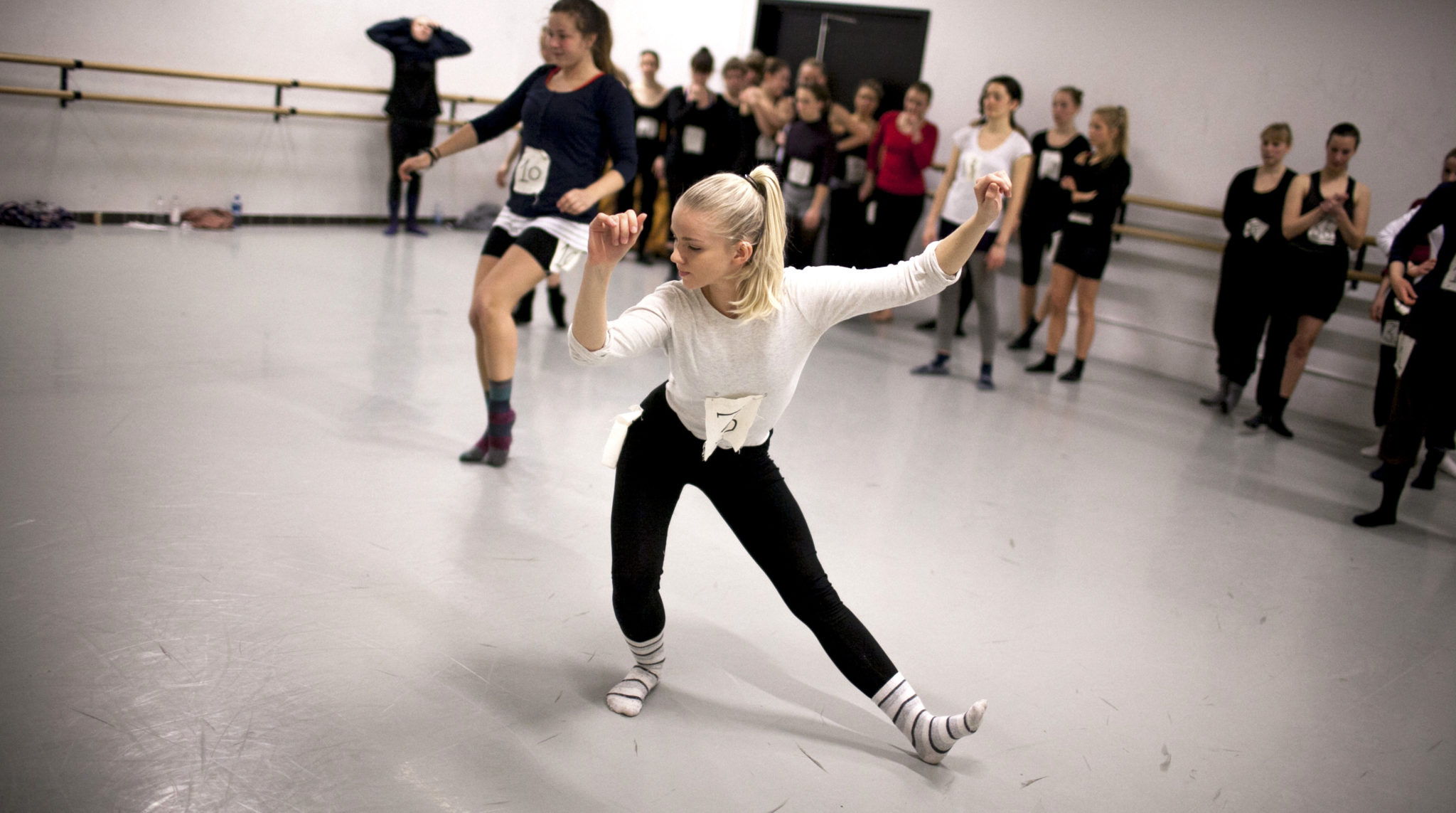
- The Importance of Fit and Comfort: The most stylish outfit in the world will fail if it doesn’t fit you properly or if it’s so restrictive that it hinders your movement. When you’re auditioning, especially if there’s a dance call, you need to be able to move freely and without distraction. Clothes that are too tight, too loose, or constantly need adjusting will pull your focus away from your performance and can be a visual annoyance to the casting team. Prioritize garments that allow for a full range of motion and feel comfortable on your skin. This comfort also translates to confidence; when you feel good in what you’re wearing, you’ll naturally exude more self-assurance.
- Versatile Basics as Building Blocks: The cornerstone of any audition wardrobe should be a collection of neutral-colored, well-fitting basics. Think of these as the canvas upon which you can build your audition look.
- Tops: A selection of solid-colored t-shirts, tank tops, or simple blouses in black, white, grey, navy, or muted tones are essential. These can be worn alone or layered. For more formal or specific character auditions, a more structured button-down shirt or a fitted polo shirt might be appropriate. Avoid busy patterns, logos, or distracting embellishments.
- Bottoms: Well-fitting dark wash jeans (without rips or excessive fading), black or charcoal trousers, or simple leggings (for dance auditions) are excellent choices. Again, comfort and the ability to move are key. If you’re auditioning for a role that requires a specific style of pant, like a skirt or a more tailored trouser, consider having a few options that fit well.
- Layering Pieces: A simple cardigan, a well-fitting blazer, or a sleek jacket can instantly elevate an outfit and provide warmth or a more polished silhouette. These are invaluable for adapting your look to different audition scenarios or personal preferences.
- Footwear: Function Meets Form: Your shoes are not an afterthought; they play a critical role in both comfort and presentation.
- Dance Shoes: For dance calls, wear the appropriate dance shoes for the style required (e.g., character shoes, jazz shoes, ballet slippers). Ensure they are clean and in good repair.
- Audition Shoes: For general auditions or when you’re unsure, clean and simple, comfortable shoes are best. This might include loafers, ballet flats, or simple, dark-colored sneakers that are not overly athletic in style. Avoid high heels unless specifically requested, as they can limit movement and may not be practical for navigating audition spaces. The goal is to look put-together and ready to work, not like you’re heading to a fashion show.
Tailoring Your Look to the Role and Genre
While universal principles of professionalism apply, the specific requirements of the musical, the role you’re auditioning for, and the genre can influence your sartorial choices. This is where strategic thinking and a touch of research come into play. It’s about subtle signaling, not costume.
- Understanding the Musical’s Aesthetic: Before you even pick out an outfit, research the musical itself. What is its time period? What is its overall tone – is it a gritty contemporary drama, a lighthearted comedy, a grand historical epic, or a fantastical adventure? A quick look at production photos or videos can provide valuable insights into the visual style of the show. While you are not dressing as the character in this initial stage, you want your attire to feel congruent with the world of the musical.
- Indicating Character Archetypes (Subtly): For specific roles, you can use your clothing to subtly hint at the character’s personality or status, without being literal or distracting.
- The Ingenue or Romantic Lead: Often associated with brighter colors, softer fabrics, or a slightly more feminine silhouette. However, keep it professional – a simple, well-fitting dress in a pastel shade or a tasteful blouse and skirt could work.
- The Leading Man or Strong Character: May benefit from a more structured look, perhaps with darker colors or a slightly more traditional silhouette. A clean, fitted button-down shirt and well-fitting trousers can convey strength and reliability.
- The Comedic or Quirky Character: Might allow for a touch more individuality, perhaps through a slightly more interesting color combination or a unique (but still appropriate) accessory. The key here is to avoid looking like you’re trying too hard to be funny; let your performance do the heavy lifting.
- Genre Considerations:
- Contemporary Musicals: Generally allow for a more relaxed yet still professional approach. Clean, modern basics often suffice.
- Classic Musicals (e.g., Golden Age): May benefit from a slightly more polished and traditional presentation. Think clean lines and classic silhouettes.
- Rock or Pop Musicals: Might allow for a bit more edge or personality, but again, professionalism is key. Avoid anything too revealing or distracting.
- The “Character Callback” Exception: It’s important to distinguish between the initial audition and a callback. For a callback, especially if you are asked to explore specific character aspects, you might be given more latitude to dress in a way that directly informs the character. However, even then, it’s a refined suggestion, not a full costume.

The Finishing Touches: Grooming and Accessories
Once you’ve selected your core outfit, the details matter. These are the elements that complete your presentation and reinforce your commitment to a polished and professional appearance. They are the exclamation points on your audition statement.
- Impeccable Grooming as a Non-Negotiable: This is arguably more important than the specific garment you choose. Cleanliness and good grooming are paramount.
- Hair: Ensure your hair is clean, neatly styled, and out of your face. It should not be a distraction during your performance. If your hair is long, consider tying it back neatly.
- Nails: Clean, trimmed nails are essential. If you wear nail polish, opt for a neutral or clear color. Avoid bright, chipped, or distracting polish.
- Hygiene: Good personal hygiene is a given. This includes fresh breath and a generally clean appearance.
- Makeup and Scars/Tattoos: If you wear makeup, keep it natural and understated. The goal is to enhance your features, not to create a mask. If you have visible tattoos or piercings that might be distracting for the role, consider how you will address them. For initial auditions, it’s often best to minimize their visibility if possible, unless they are integral to the character or the nature of the show.
- Accessorizing with Purpose: Accessories should complement your outfit and your performance, not overpower them. They are the subtle enhancements, the tasteful punctuation marks.
- Jewelry: Keep it minimal and tasteful. A simple necklace, subtle earrings, or a watch are generally acceptable. Avoid anything noisy, dangling, or excessively flashy that could distract from your singing or speaking.
- Bags and Outerwear: Carry a professional-looking bag that can hold your sheet music, headshot, resume, and essentials. Ensure your outerwear is also clean and appropriate for the weather.
- The “What If” Factor: Always be prepared for unexpected situations. Pack a small, discreet sewing kit for minor wardrobe emergencies, a lint roller, and perhaps a small bottle of stain remover. Being able to address a minor issue quickly demonstrates your preparedness and professionalism.
By understanding the underlying principles and applying them thoughtfully, your audition attire will become an asset, silently but effectively communicating your readiness, professionalism, and your potential to shine on stage. It’s an investment in your career, woven into the very fabric of your audition.
aViewFromTheCave is a participant in the Amazon Services LLC Associates Program, an affiliate advertising program designed to provide a means for sites to earn advertising fees by advertising and linking to Amazon.com. Amazon, the Amazon logo, AmazonSupply, and the AmazonSupply logo are trademarks of Amazon.com, Inc. or its affiliates. As an Amazon Associate we earn affiliate commissions from qualifying purchases.