
In today’s competitive job market, making a stellar first impression is paramount. Beyond your resume and interview skills, your attire plays a significant role in shaping how potential employers perceive your professionalism, attention to detail, and overall fit within their organization. For female professionals, navigating the nuances of interview dressing can sometimes feel like a complex puzzle. This guide aims to demystify the process, empowering you to choose an outfit that instills confidence and communicates your suitability for the role. While the core principles of professional attire remain constant, understanding how to leverage your clothing as a strategic tool for personal branding is key. This article will delve into the essential elements of interview dressing, focusing on how to build a versatile wardrobe that can be adapted to various professional settings, all while reinforcing your personal brand.

The Foundation of Professionalism: Understanding Industry Norms
Before you even begin to consider specific garments, it’s crucial to understand the sartorial landscape of the industry you’re targeting. This foundational step ensures your outfit aligns with the company culture and the expectations of your potential colleagues and superiors. A rigid, one-size-fits-all approach is rarely effective. Instead, a nuanced understanding of industry norms will allow you to present yourself appropriately and authentically.
Decoding Company Culture: Research is Your Ally
Every company, regardless of its sector, possesses a unique culture. This culture is often reflected in the daily attire of its employees. Take the time to research the organization thoroughly.
Online Reconnaissance: Websites and Social Media
Your first stop should be the company’s official website. Look for “About Us” pages, employee spotlights, or even press releases. These often feature photos of employees in their work environment. LinkedIn is another invaluable resource. Search for employees in similar roles to the one you’re applying for and observe their professional headshots. Are they wearing suits, smart casual attire, or more relaxed clothing? Pay attention to the overall aesthetic – is it modern and sleek, or traditional and conservative?
Networking and Informational Interviews
If possible, leverage your network. Connect with individuals who currently work at the company or in similar roles within the industry. An informational interview, even a brief one, can provide invaluable insights into the company’s dress code. Don’t hesitate to ask directly: “What is the typical dress code like at your company?” or “What would be considered appropriate attire for an interview?” Most professionals are happy to offer guidance.
Differentiating Between Industries: From Conservative to Creative
The spectrum of professional attire varies dramatically across industries. Recognizing these differences is vital for making an informed choice.
Corporate and Financial Sectors: The Power of Traditionalism
In traditionally conservative fields like finance, law, and certain governmental roles, a polished and formal presentation is generally expected. This often translates to a well-tailored suit in a neutral color such as navy, charcoal gray, or black. The emphasis here is on conveying seriousness, reliability, and attention to detail. Even subtle deviations from this norm can be perceived negatively.
Tech and Creative Industries: Embracing Smart Casual and Personal Expression
The technology and creative sectors often embrace a more relaxed dress code, frequently referred to as “smart casual” or “business casual.” While this offers more room for personal expression, it doesn’t mean dressing down. The goal is to appear put-together, confident, and adaptable. Think well-fitting trousers or a knee-length skirt, a smart blouse or a refined knit top, and a blazer. Clean, stylish sneakers or loafers can often be appropriate, depending on the specific company. The key is to strike a balance between comfort, professionalism, and showcasing a bit of your personality.
Healthcare and Education: Professionalism with Practicality
In fields like healthcare and education, professionalism is paramount, but so is practicality. While suits might not always be necessary, a polished and approachable appearance is key. Clean, well-fitting trousers or a skirt paired with a professional top or blouse, and perhaps a cardigan or a simple blazer, often works well. Avoid overly casual items like t-shirts or distressed denim. The focus is on conveying competence and a trustworthy demeanor.
Building Your Interview Wardrobe: Versatility and Strategic Choices
Once you’ve gauged the industry’s expectations, it’s time to assemble a core interview wardrobe. The aim is to create a collection of versatile pieces that can be mixed and matched to suit various interview scenarios, ensuring you always present a polished and cohesive image. This is where strategic investment in a few key items pays dividends.
The Power Suit: A Timeless Investment
A well-tailored suit remains a cornerstone of professional dressing for many industries. It conveys authority, seriousness, and a commitment to the role.
Tailoring is Key: Fit is Everything
The most expensive suit won’t impress if it doesn’t fit impeccably. Invest in pieces that are tailored to your body shape. This means ensuring the shoulders fit properly, sleeves are the correct length, and trousers or skirts skim your figure without being too tight or too loose. A well-fitting suit subtly communicates attention to detail and self-awareness.
Color Palette: Neutrals for Maximum Impact
When selecting suit colors, opt for versatile neutrals. Navy, charcoal gray, and black are classic choices that exude professionalism and are appropriate for most interview settings. These colors are also incredibly versatile, allowing you to pair them with a variety of tops and accessories. Avoid overly bright or distracting colors for your initial interview.
Beyond the Suit: Essential Separates for Smart Casual and Business Casual

For industries that lean towards smart casual or business casual, a carefully curated selection of separates offers flexibility and style. These pieces allow you to adapt your look while maintaining a professional edge.
The Blouse or Top: Refining Your Upper Half
The choice of blouse or top is crucial for completing your professional look. Opt for fabrics that drape well and resist wrinkling. Silk, good quality cotton blends, and refined knits are excellent choices. Solid colors or subtle, classic patterns are generally best. Think crisp button-down shirts, elegant silk blouses, or refined crewneck or V-neck tops.
Trousers and Skirts: The Backbone of Your Outfit
Well-fitting trousers or a knee-length skirt form the foundation of many professional outfits. For trousers, consider straight-leg, bootcut, or tailored wide-leg styles in neutral colors. Pencil skirts or A-line skirts are excellent skirt options. Ensure the hemline falls at or just below the knee for a professional appearance.
The Blazer: The Versatile Finishing Touch
A blazer is perhaps the most versatile piece in a professional wardrobe. It instantly elevates any outfit, adding structure and polish. A well-fitting blazer in a coordinating or contrasting neutral color can transform smart separates into a sophisticated interview ensemble. Consider a classic single-breasted blazer or a slightly more modern open-front style.
The Details Matter: Accessories and Grooming for a Polished Presentation
Once your core outfit is chosen, the details can elevate your entire presentation. Accessories and meticulous grooming are not afterthoughts; they are integral components of a strong personal brand that communicates professionalism and a commitment to excellence.
Footwear: Stepping Out with Confidence
Your shoes are a critical part of your overall look and can speak volumes about your attention to detail.
Heels and Flats: Comfort Meets Professionalism
For most professional interviews, closed-toe shoes are the standard. Classic pumps, elegant loafers, or refined block heels are excellent choices. If you opt for heels, ensure they are comfortable enough to walk in confidently and are not excessively high. If heels are not your preference or are impractical for the role or setting, stylish and well-maintained flats are perfectly acceptable. The key is that your footwear is polished, clean, and complements your outfit.
The Importance of Maintenance
Regardless of your shoe choice, ensure they are clean, scuff-free, and in good repair. Worn-out or dirty shoes can detract significantly from an otherwise polished outfit.
Jewelry and Accessories: Subtle Statements of Style
Accessories should enhance your outfit, not distract from it. The goal is to add a touch of personality and polish without being overpowering.
Minimalist Approach: Less is Often More
Opt for minimalist and classic jewelry pieces. A delicate necklace, simple stud earrings, or a classic watch are usually appropriate. Avoid anything too flashy, noisy, or distracting. The focus should remain on your qualifications and your conversation.
Bags and Briefcases: Functional and Professional
Your bag or briefcase should be functional and professional. A structured tote bag, a sleek leather satchel, or a professional briefcase are all suitable options. Ensure it is clean, well-organized, and free of clutter. Avoid oversized, overly casual, or heavily branded bags.
Grooming: The Final Polish
Impeccable grooming is non-negotiable. It demonstrates self-respect and attention to detail, which are transferable skills in any professional role.
Hair and Makeup: Natural and Refined
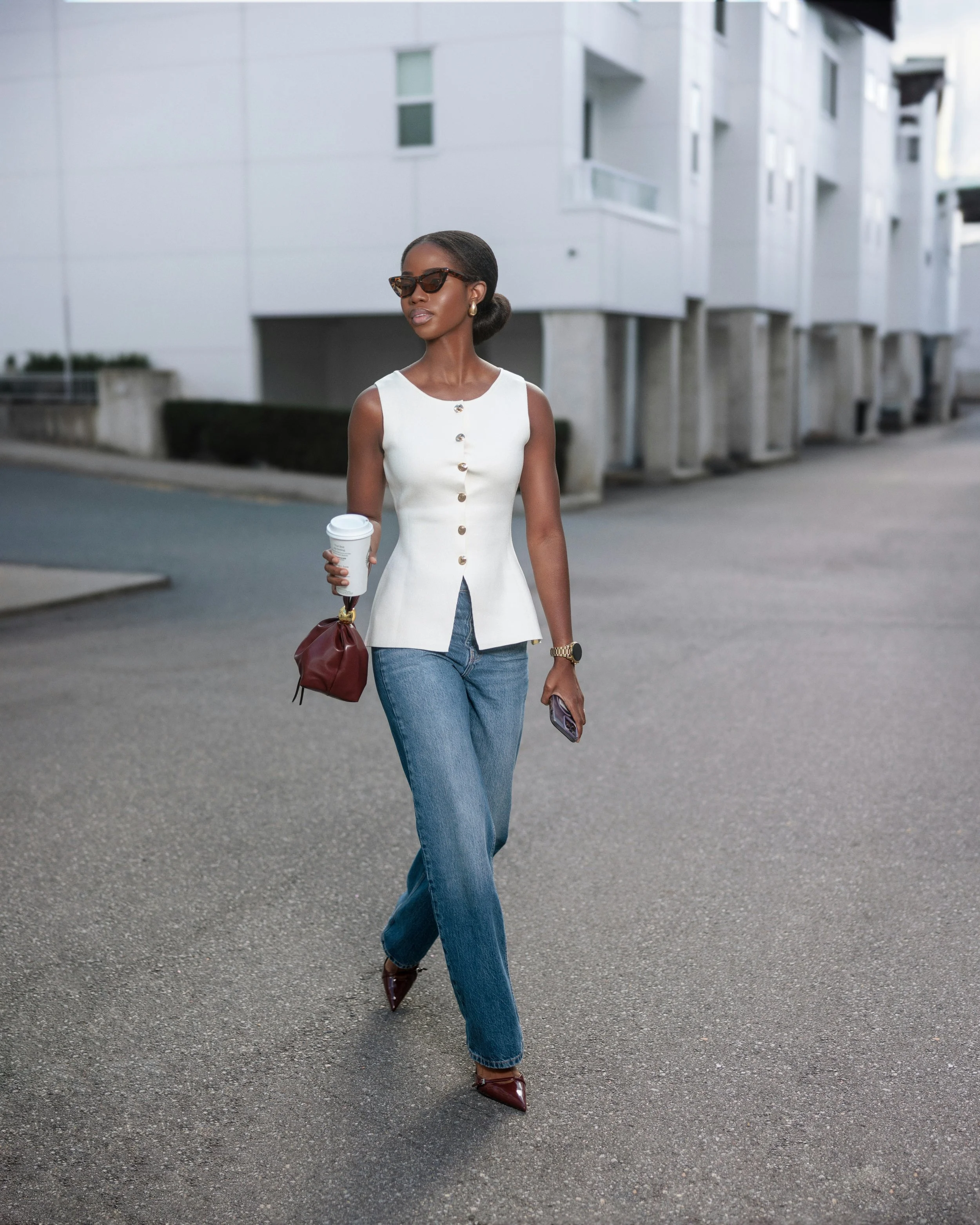
Your hair should be neatly styled and out of your face. For makeup, aim for a natural and refined look. The goal is to look polished and healthy, not overdone.
Nails and Fragrance: Subtle Considerations
Ensure your nails are clean and neatly manicured. Neutral or subtle polish colors are generally preferred. Go easy on perfume or cologne, if you wear it at all. A subtle scent is acceptable, but strong fragrances can be overpowering and trigger allergies in others.
By thoughtfully considering each element of your interview attire, from the foundational industry research to the meticulously chosen accessories, you can construct an image that not only reflects your professionalism but also strategically enhances your personal brand, ensuring you make a confident and memorable impression.
aViewFromTheCave is a participant in the Amazon Services LLC Associates Program, an affiliate advertising program designed to provide a means for sites to earn advertising fees by advertising and linking to Amazon.com. Amazon, the Amazon logo, AmazonSupply, and the AmazonSupply logo are trademarks of Amazon.com, Inc. or its affiliates. As an Amazon Associate we earn affiliate commissions from qualifying purchases.