
Attending an Indian wedding is a vibrant, joyous, and often multi-day affair, steeped in rich cultural traditions and elaborate celebrations. Beyond the spectacle of festivities, the question of what to wear is a significant one. For the discerning individual, this isn’t merely about selecting an outfit; it’s about strategically curating a personal brand that resonates with the occasion, demonstrates respect for the culture, and leaves a lasting positive impression. In the realm of personal branding, how you present yourself, especially in high-stakes social environments like a wedding, speaks volumes about your attention to detail, your understanding of social cues, and your respect for the hosts and the event itself. This guide will delve into the nuances of Indian wedding attire, framing it as an essential component of building and maintaining a sophisticated personal brand.
Understanding the Significance of Attire in Indian Wedding Culture
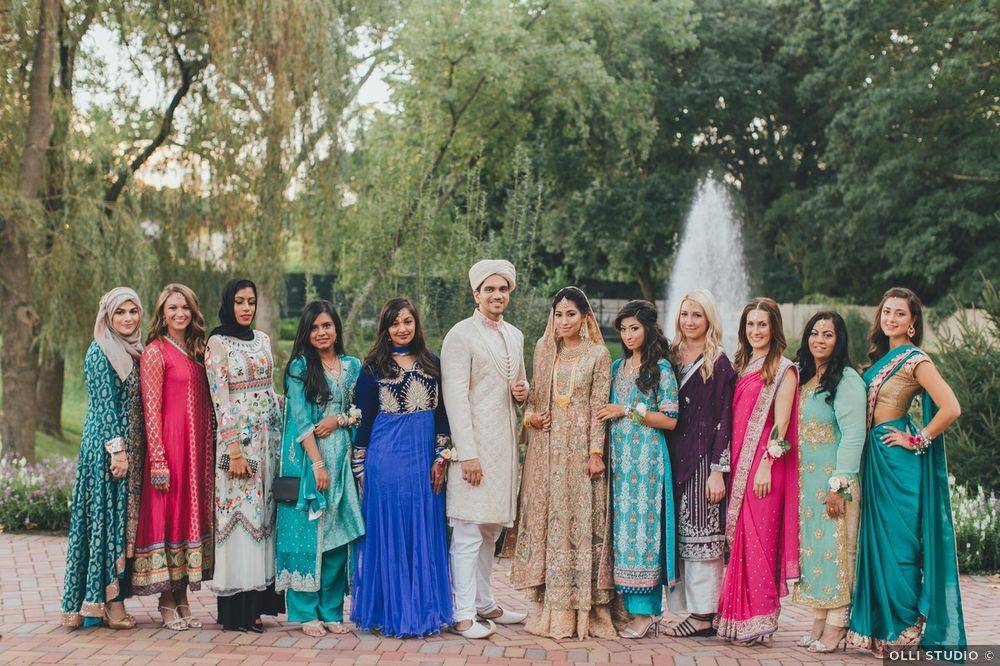
Indian weddings are not monolithic events; they are a tapestry woven with diverse regional customs, religious practices, and familial traditions. Your attire is your silent introduction, a visual declaration of your engagement with the celebration. It’s an opportunity to signal respect, acknowledge the cultural significance, and integrate seamlessly into the celebratory atmosphere.
Respecting Cultural Nuances and Religious Sentiments
The cornerstone of selecting appropriate attire for an Indian wedding is a profound respect for the cultural and religious underpinnings of the event. This means understanding that certain colors, styles, and levels of modesty may be favored or discouraged depending on the specific ceremonies and the region from which the couple hails. For instance, while bright colors are generally welcomed, opting for stark white or black might be perceived as inappropriate in certain Hindu ceremonies, as these colors are often associated with mourning. Similarly, for religious rituals, more conservative dress that covers shoulders and knees is often preferred. Researching the couple’s background and the specific traditions being observed is the first step in making informed sartorial choices that demonstrate genuine respect. This attention to detail in your attire signals to the hosts and other guests that you are not just attending, but actively participating and honoring their traditions.
The Spectacle and the Guest’s Role
Indian weddings are renowned for their visual splendor. From the intricate décor to the vibrant clothing of the guests, the entire event is a feast for the eyes. As a guest, your attire is a part of this grand tableau. Choosing outfits that are celebratory, elegant, and in keeping with the festive spirit elevates your presence and contributes positively to the overall aesthetic. It’s about striking a balance between personal style and the grandeur of the occasion. Your clothing choice can be a subtle yet powerful way to communicate your enthusiasm for the celebration and your appreciation for the hosts’ efforts. A well-chosen outfit can make you feel confident and contribute to your overall positive experience, which in turn enhances your personal brand as someone who is adaptable and appreciative.
Social Etiquette and Impression Management
In any social gathering, but particularly at a wedding where families and communities converge, impression management is key. Your attire is a significant aspect of this. It communicates your social awareness, your understanding of etiquette, and your respect for the occasion. Arriving underdressed or inappropriately dressed can inadvertently convey a lack of care or respect, potentially impacting how you are perceived. Conversely, when you dress thoughtfully and appropriately, you project an image of sophistication, consideration, and good taste. This contributes to your personal brand as someone who is mindful of social graces and can navigate diverse social situations with confidence and elegance. It’s about dressing in a way that aligns with your aspirations and the image you wish to cultivate within your social and professional circles.
Navigating the Diverse Landscape of Indian Wedding Attire
The sheer variety of Indian wedding attire can be overwhelming. From traditional garments to contemporary interpretations, understanding the options and making informed choices is crucial for crafting the right personal brand statement.
Traditional Indian Wear: Embracing Heritage
Traditional Indian attire offers a rich palette of styles, fabrics, and embellishments that are perfectly suited for wedding celebrations. These garments are not only beautiful but also deeply rooted in cultural heritage, making them an excellent choice for demonstrating respect and appreciation for Indian traditions.
- Sarees: The quintessential Indian garment, the saree, is a timeless choice. Available in an astonishing array of fabrics like silk, georgette, chiffon, and cotton, and adorned with intricate embroidery, zari work, or vibrant prints, a saree can be tailored to suit any wedding function. For daytime events, lighter fabrics and more subtle embellishments might be appropriate, while for evening receptions, heavier silks with elaborate work exude grandeur. The way a saree is draped also adds to its elegance, and choosing a contemporary drape can further enhance its modern appeal.
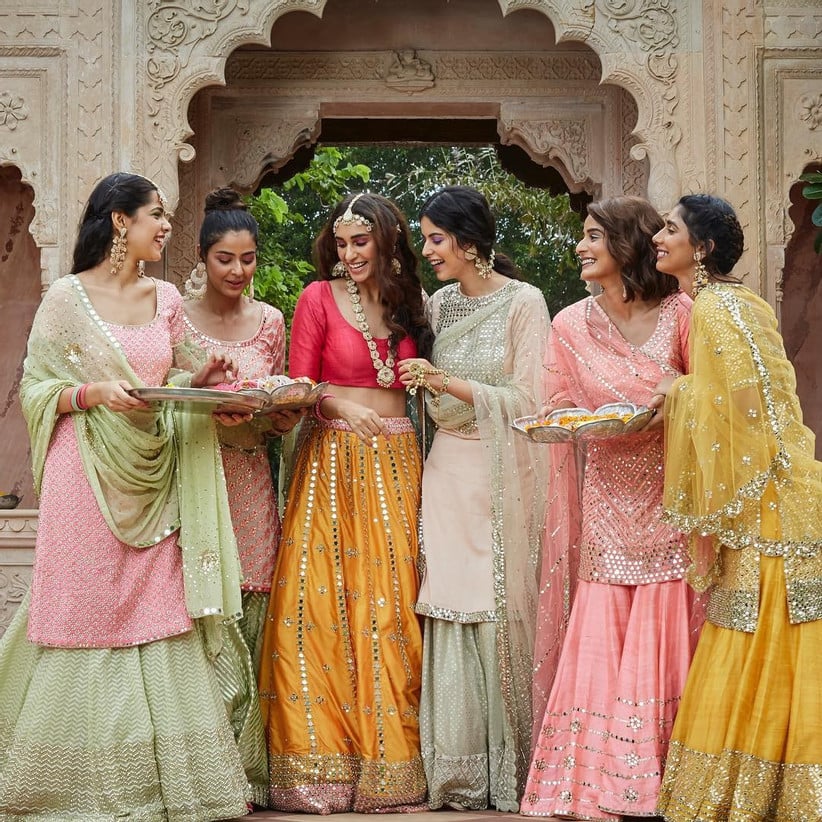
- Lehengas: A lehenga, consisting of a long skirt, a fitted blouse (choli), and a dupatta (scarf), is another popular and elegant option. Lehengas often feature intricate embroidery, mirror work, or other traditional craftsmanship. They offer a more structured and often more comfortable alternative to sarees, especially for guests who may not be accustomed to draping one. Similar to sarees, the fabric, embellishments, and design of a lehenga can be chosen to match the formality of different wedding events.
- Salwar Kameez/Anarkalis: The salwar kameez is a versatile three-piece outfit comprising trousers (salwar), a tunic (kameez), and a scarf. Anarkalis are a more flowing and elaborate variation, featuring a long, frock-style kameez that flares out from the waist, often paired with churidar or cigarette pants. These outfits offer comfort and style, and can be found in a wide range of fabrics and designs, from simple cotton for pre-wedding rituals to heavily embellished versions for main ceremonies. Their elegance and ease of wear make them a favored choice for many.
- Kurtas with Palazzos/Dhotis: For a more relaxed yet still sophisticated look, a well-tailored kurta paired with palazzos or dhotis can be an excellent choice, especially for men. Kurtas, in rich fabrics like silk or brocade, and in vibrant hues, can be paired with tailored trousers or traditional dhotis for a polished ensemble. This option offers comfort and a blend of traditional and contemporary aesthetics.
Contemporary Interpretations and Fusion Wear: Blending Traditions
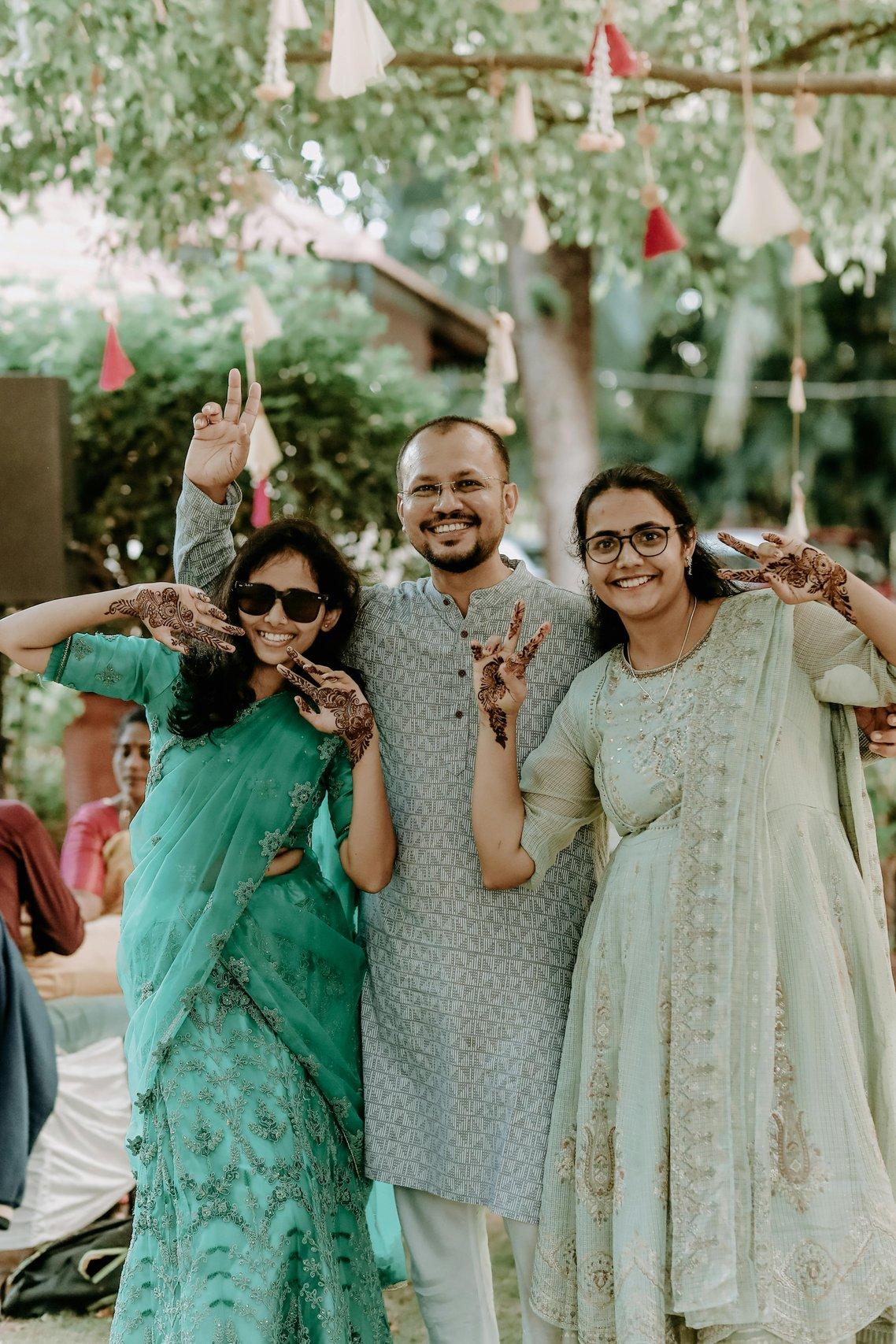
In today’s globalized world, many Indian designers and couples are embracing contemporary styles and fusion wear, offering guests more flexibility in their attire choices. This allows for a more personalized expression of style while still respecting the spirit of the occasion.
- Indo-Western Gowns and Dresses: Many Indian designers are creating stunning gowns and dresses that blend Western silhouettes with Indian embellishments and fabrics. These can range from floor-length anarkali-style gowns to heavily embroidered sheath dresses or elegant capes paired with trousers. These options are perfect for those who prefer Western styles but want to incorporate Indian elements, offering a sophisticated and modern take on wedding guest attire.
- Tailored Suits and Sherwanis (for Men): While traditional sherwanis are a classic choice for groomsmen or close family, modern interpretations in lighter fabrics, contemporary colors, and refined cuts are also popular. For other male guests, a well-fitted suit in a rich fabric or a tailored kurta with a Nehru jacket can be an excellent and stylish alternative, demonstrating an awareness of modern trends while respecting the formality of the occasion.
- Accessorizing with a Cultural Touch: Regardless of the primary garment chosen, accessories play a pivotal role in completing your look and reinforcing your personal brand as someone with an eye for detail. Think about incorporating traditional Indian jewelry such as bangles, statement necklaces, earrings, or even a maang tikka. Scarves and dupattas in rich fabrics and vibrant colors can also add a beautiful Indian flair to Western attire. For men, a pocket square with an Indian motif or a sophisticated watch can add a polished touch.
Strategic Considerations for a Polished Personal Brand
Beyond the aesthetics, several strategic considerations will elevate your attire from simply “appropriate” to a powerful extension of your personal brand. These involve understanding the practicalities, the social hierarchy, and the long-term impact of your choices.
Color Palette: Decoding the Symbolism and Seasonality
Color is incredibly significant in Indian culture and weddings. While vibrant hues are generally encouraged, understanding the nuances can prevent unintentional missteps and enhance your sartorial statement.
- Celebratory Colors: Reds, pinks, oranges, yellows, greens, and blues are universally considered auspicious and celebratory. They reflect the joy and vibrancy of Indian weddings. Opting for these colors signals your enthusiasm and your participation in the festive spirit.
- Colors to Approach with Caution: While not strictly forbidden, avoiding stark white or black for religious ceremonies is generally advisable, as they can be associated with mourning. However, in modern Indian weddings, especially during receptions, black can be a sophisticated choice for evening wear. Similarly, deep reds can be very auspicious, but a very bold, vibrant red might be best reserved for the bride.
- Seasonality and Time of Day: Lighter, brighter colors are often preferred for daytime events and warmer seasons, while richer, deeper jewel tones can be more appropriate for evening functions or cooler months. This demonstrates a thoughtful approach to dressing that considers the context.
Dress Code and Event Specificity: Tailoring Your Look
Indian weddings are often a series of events, each with its own atmosphere and dress code. Tailoring your attire to each specific event is a mark of respect and sartorial intelligence.
- Pre-Wedding Rituals (Mehndi, Haldi, Sangeet): These events are typically more relaxed and playful. Comfortable yet festive attire is key. Think vibrant, flowy outfits, palazzo suits, or lighter lehengas and sarees. Bright colors and perhaps more casual embellishments are appropriate.
- The Wedding Ceremony (Pheras/Nikkah): This is the most significant and often the most formal event. Opt for elegant and traditional attire. A well-chosen silk saree, a sophisticated lehenga, or a well-tailored sherwani (for men) would be fitting. Modesty and respect for the religious nature of the ceremony are paramount.
- The Reception: Receptions tend to be more celebratory and glamorous. This is where you can embrace richer fabrics, more intricate embellishments, and sophisticated silhouettes. Indo-western gowns, elegant sarees with heavy embroidery, or stylish suits for men are excellent choices.
Practicality and Comfort: The Unsung Heroes of Style
While elegance is crucial, don’t underestimate the importance of comfort and practicality, especially at a multi-day event that often involves a lot of movement, dancing, and socializing.
- Fabric Choices: Opt for breathable fabrics that are suitable for the climate and the duration of the event. Silk blends, georgettes, crepes, and good quality cotton are often excellent choices.
- Footwear: Choose comfortable yet stylish footwear. You’ll be on your feet for extended periods, so prioritize heels you can walk and dance in, or opt for elegant flats or embellished sandals.
- Layering: Consider the possibility of temperature changes, especially if moving between indoor and outdoor venues. A stylish shawl or a light jacket can be both practical and fashionable.
By approaching Indian wedding attire with the strategic mindset of personal branding, you can transform a potentially daunting task into an opportunity to showcase your sophistication, cultural awareness, and impeccable taste. Each outfit you choose becomes a carefully crafted statement, reinforcing your image as someone who is not only present but actively engaged, respectful, and elegantly contributing to the joy of the celebration.
aViewFromTheCave is a participant in the Amazon Services LLC Associates Program, an affiliate advertising program designed to provide a means for sites to earn advertising fees by advertising and linking to Amazon.com. Amazon, the Amazon logo, AmazonSupply, and the AmazonSupply logo are trademarks of Amazon.com, Inc. or its affiliates. As an Amazon Associate we earn affiliate commissions from qualifying purchases.