
The journey towards understanding and maintaining optimal bone health is a crucial aspect of long-term well-being. As individuals age, or in response to certain medical conditions, a bone density scan, also known as a Dual-energy X-ray Absorptiometry (DXA) scan, becomes an essential diagnostic tool. This non-invasive procedure provides invaluable insights into the strength and composition of your bones, helping to identify potential issues like osteoporosis before they lead to fractures. While the medical professionals conducting the scan are focused on the technical aspects of the imaging, there are practical considerations for patients, and one frequently asked question revolves around appropriate attire. This article delves into the nuances of what to wear to a bone density scan, ensuring a smooth, comfortable, and accurate examination.
Understanding the Bone Density Scan Process
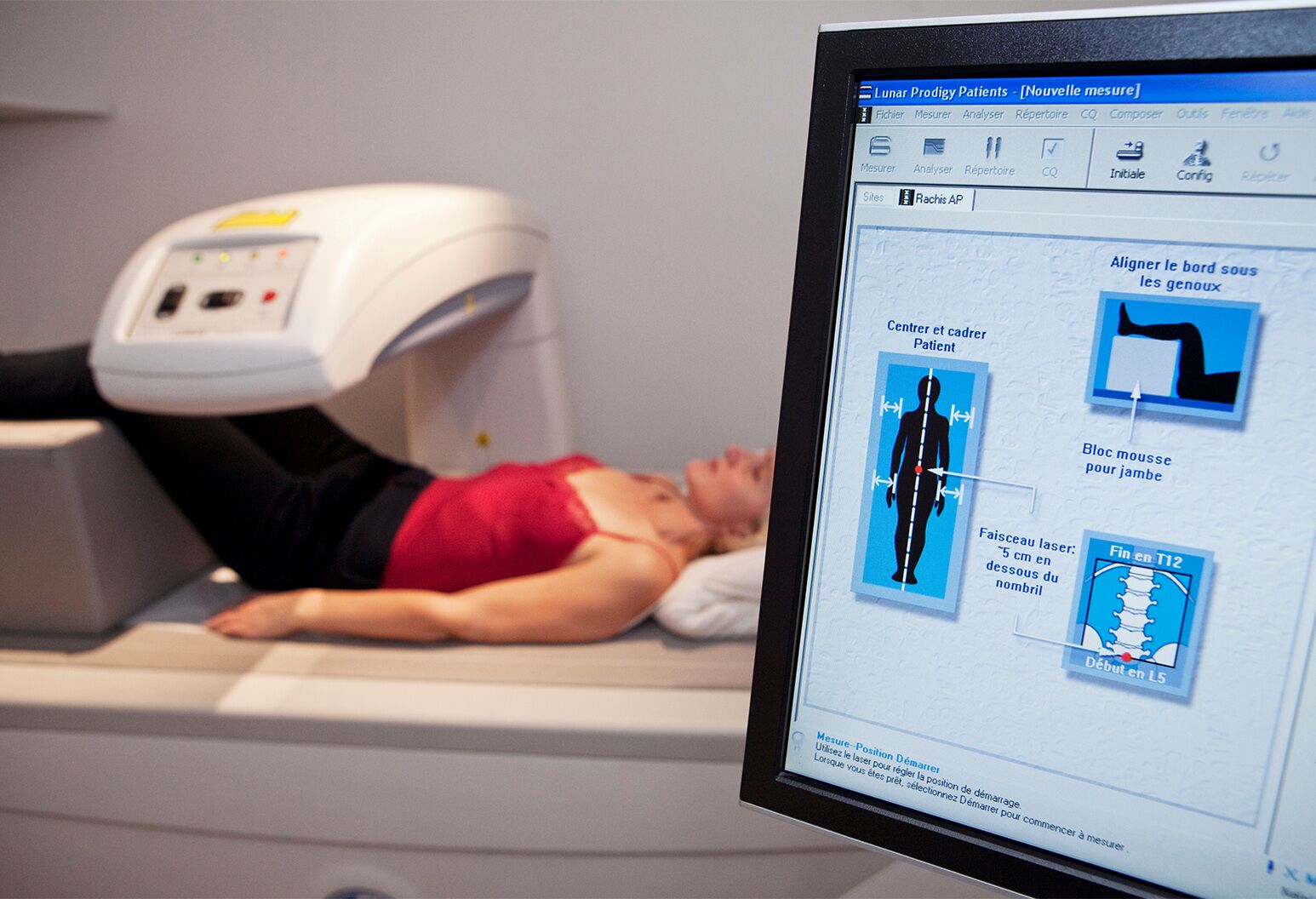
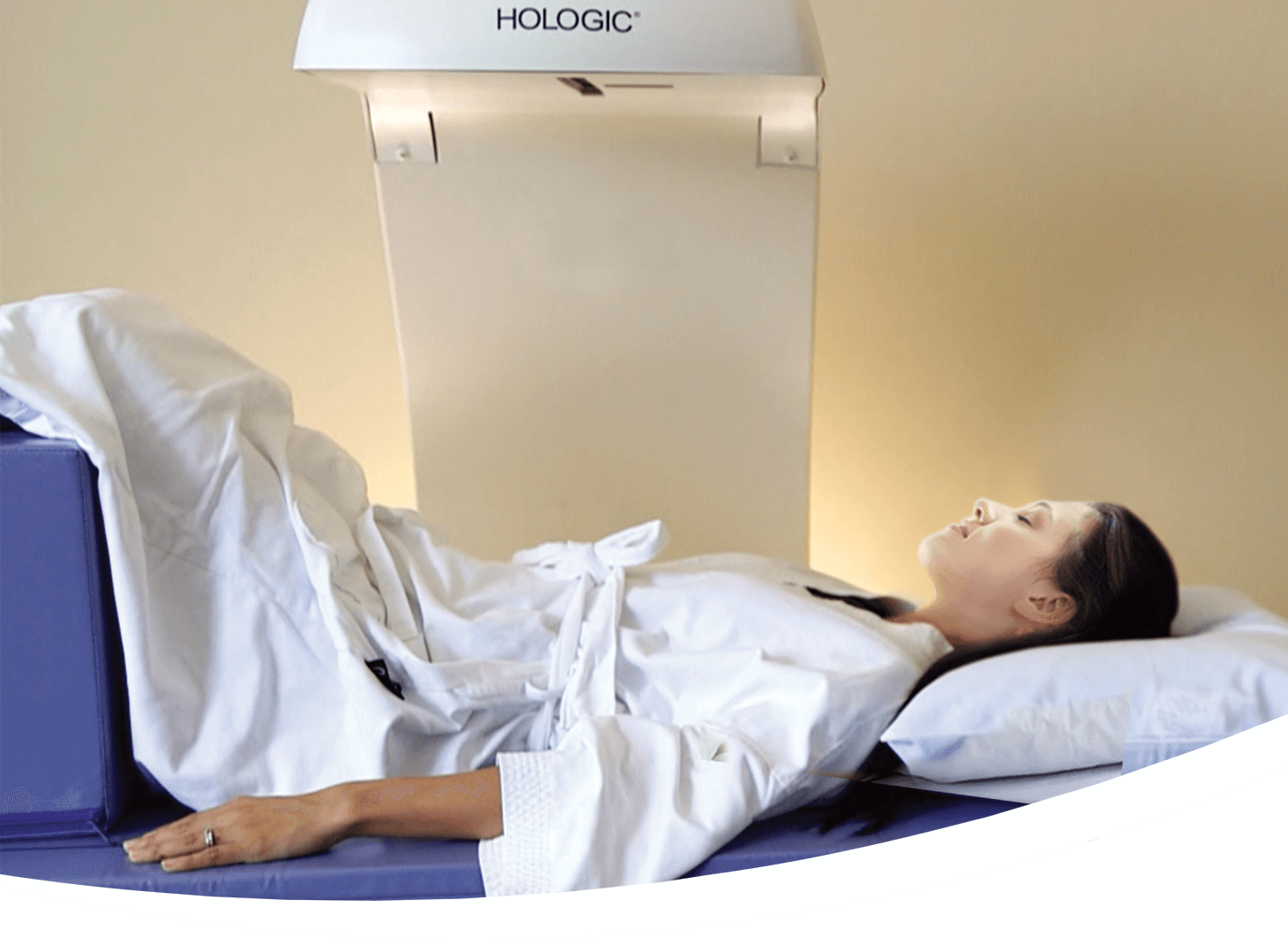
Before we discuss wardrobe choices, it’s helpful to understand what happens during a bone density scan. The DXA machine is a sophisticated piece of equipment that uses low-dose X-rays to measure bone mineral density (BMD) at specific sites, typically the hip and lower spine, and sometimes the forearm. The patient lies down on a table, and a scanner arm passes slowly over the body. The procedure is painless and requires no special preparation in terms of diet or medication for most individuals. However, the nature of the scan, involving X-ray technology, necessitates certain precautions regarding clothing and accessories to ensure the clearest possible images and to avoid interference with the results.
The Role of Imaging Technology in Bone Health
The accuracy of a bone density scan is paramount. The DXA machine works by differentiating between bone and soft tissue. It achieves this by emitting two beams of X-rays at different energy levels. Bone absorbs more of the higher-energy beam, while soft tissue absorbs more of the lower-energy beam. By comparing the absorption rates, the machine can calculate the bone mineral density. This sophisticated process relies on precise measurements, and anything that could obscure or mimic bone density needs to be avoided. This is where your clothing choices become relevant.
Practical Considerations for Comfortable and Accurate Imaging
The primary goal when selecting attire for a bone density scan is to facilitate a clear and unobstructed view of the skeletal structure. This means prioritizing comfort and avoiding items that could interfere with the X-ray beams or the scanning equipment. Medical imaging facilities are designed for efficiency and patient comfort, and understanding their guidelines will help you prepare effectively.
Minimizing Metal Interference
One of the most critical aspects of choosing what to wear is the avoidance of metal. Metal is dense and will absorb X-rays in a way that can be misinterpreted by the scanner as bone, leading to inaccurate readings. This includes:
- Jewelry: Rings, necklaces, bracelets, earrings, and even piercings can interfere with the scan. It is highly recommended to remove all jewelry before the scan. If you have piercings in areas that will be scanned (e.g., belly button rings), you may be asked to remove them or the technologist will attempt to scan around them. It is always best to err on the side of caution and remove all removable jewelry.
- Zippers and Snaps: Clothing with metal zippers, snaps, or decorative metal embellishments can also pose a problem, particularly if they are located on or near the areas being scanned. Jeans with large metal zippers, pants with decorative studs, or jackets with prominent metal fastenings should be avoided.
- Underwire Bras: For women, underwire bras contain metal that can obscure the chest and spine area, which are common scan sites. Opt for a soft, wireless bra or remove the bra entirely if comfortable and if the scan site necessitates it (e.g., if the upper spine is being scanned). Sports bras without metal clasps are generally acceptable.
- Metal Orthotics or Braces: If you wear any medical braces or orthotics containing metal, inform the technician beforehand. They may be able to adjust the scan or ask you to remove the item if possible.
The Importance of Comfortable, Loose-Fitting Clothing
Beyond avoiding metal, the comfort and ease of movement provided by your clothing are also important.
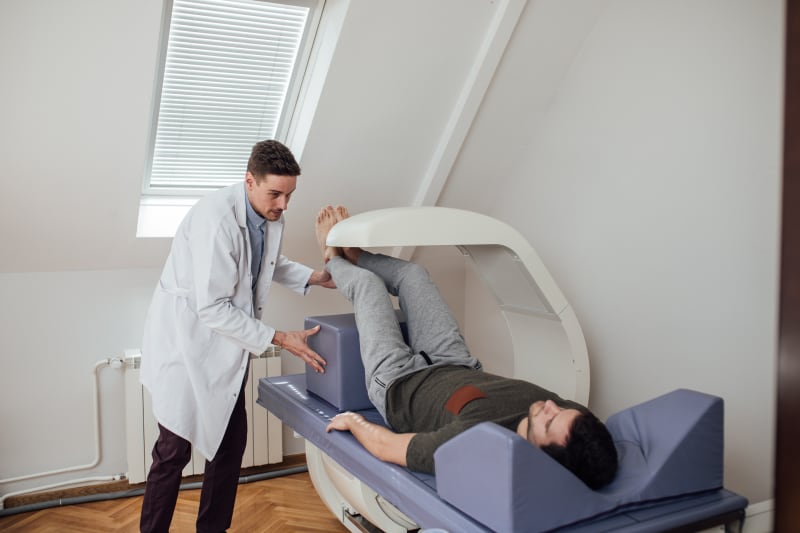
- Ease of Access: The technician may need to adjust the position of your limbs or body to ensure the best view of the target bones. Loose-fitting clothing makes these adjustments easier and more comfortable for you.
- Two-Piece Outfits: Generally, a comfortable two-piece outfit such as sweatpants or comfortable trousers and a t-shirt or loose-fitting top is ideal. This allows for flexibility, especially if you need to adjust your position for scanning of the hips and spine.
- Avoid Tight Clothing: Tight-fitting garments, including leggings or tight jeans, can restrict movement and may also contain materials that are difficult for the X-ray to penetrate effectively.
Specific Fabric Recommendations
When considering fabric, natural fibers are often a good choice due to their breathability and comfort. Cotton, linen, or soft blends are excellent options. Avoid synthetic materials that can generate static electricity, which, while usually harmless, can sometimes cause minor discomfort or stick to the scanning table. The key is to choose something that you can easily move in and that won’t present any obstacles to the imaging process.
What to Avoid: Items That Could Compromise Your Scan
Understanding what to not wear is as crucial as knowing what to wear. Certain items, even if they don’t contain obvious metal, can still affect the accuracy of your bone density scan.
Clothing with Prints, Buttons, or Embellishments
- Bold Prints and Patterns: While less of an issue than metal, very busy or thick prints on clothing could potentially create minor interference with the X-ray absorption, although this is less common. Simpler, solid-colored clothing is generally preferred.
- Buttons and Embellishments: As mentioned earlier, any buttons, especially those made of metal, should be avoided. Even plastic buttons or other decorative elements could create minor artifacts on the scan.
- Thick Seams or Padding: Clothing with exceptionally thick seams or built-in padding could also potentially interfere with the precise measurement of bone density.
Recent Medical Interventions or Imaging
- Barium or Contrast Agents: If you have recently undergone imaging procedures that involved barium or other contrast agents, it is crucial to inform your doctor and the imaging facility. These substances can remain in your system for a considerable time and significantly affect the accuracy of a DXA scan, often requiring a delay in the procedure.
- Calcium Supplements: While not a clothing issue, it’s worth noting that patients are generally advised to avoid taking calcium supplements for at least 24 hours prior to a bone density scan, as they can also interfere with the results. Always follow your doctor’s specific instructions.
The Role of Skeletal Attachments
- Prosthetic Limbs or Devices: If you have prosthetic limbs or other medical devices that are attached to your skeletal system, you must inform the imaging facility. They will have specific protocols for scanning in such cases, which might involve specialized techniques or adjustments.
Preparing for Your Appointment: Beyond Clothing
While clothing is an important aspect of preparing for your bone density scan, there are other steps you can take to ensure a smooth and informative appointment.
Communication is Key
- Inform Your Technician: Always communicate openly with your technician. If you are unsure about an item of clothing, a piece of jewelry, or a medical condition, ask. They are there to ensure your scan is accurate and comfortable.
- Medical History: Be prepared to discuss your medical history, including any conditions that might affect bone health (e.g., thyroid issues, digestive disorders, hormonal imbalances), medications you are taking (especially those that affect bone metabolism like corticosteroids), and any previous fractures.
Hydration and Diet
- Typical Daily Routine: Unless specifically instructed otherwise by your physician, you can typically eat and drink as you normally would before a bone density scan. The procedure itself does not require fasting or specific dietary restrictions.
- Comfortable Hydration: Staying hydrated is always good for overall health, so drink water as you normally would.
Timeliness and Comfort
- Arrive Early: Aim to arrive a few minutes early for your appointment. This will give you time to check in, use the restroom if needed, and remove any necessary items without feeling rushed.
- Mental Preparation: The scan is quick and painless. Knowing this can help alleviate any anxiety you might have.
In conclusion, preparing for a bone density scan is a straightforward process, with clothing choices playing a significant role in ensuring accurate results. By opting for comfortable, loose-fitting, two-piece outfits made of natural fibers and meticulously avoiding any metal accessories or embellishments, you can greatly contribute to the success of your bone health assessment. Open communication with your healthcare provider and the imaging technicians will further ensure a smooth and informative experience, paving the way for proactive management of your bone health.
aViewFromTheCave is a participant in the Amazon Services LLC Associates Program, an affiliate advertising program designed to provide a means for sites to earn advertising fees by advertising and linking to Amazon.com. Amazon, the Amazon logo, AmazonSupply, and the AmazonSupply logo are trademarks of Amazon.com, Inc. or its affiliates. As an Amazon Associate we earn affiliate commissions from qualifying purchases.