
Finding the cheapest auto insurance is more than just a quest for the lowest number on a monthly statement; it is a critical component of sophisticated personal financial management. For the average household, transportation costs represent one of the largest annual expenditures, often second only to housing. In an era of fluctuating inflation and rising repair costs, securing a policy that balances affordability with adequate protection is essential for long-term fiscal health.
The “cheapest” insurance is a moving target because premiums are calculated based on a complex tapestry of risk variables. However, by understanding the landscape of the insurance market and the financial mechanisms behind premium pricing, consumers can make informed decisions that safeguard their assets while keeping their overhead as low as possible.
1. Identifying the Market Leaders in Financial Value
When searching for the most budget-friendly providers, the market generally divides into national powerhouses and niche regional players. From a financial perspective, the goal is to find a company that leverages its scale to offer lower rates without compromising its ability to pay out claims.
The Big Players: Geico, State Farm, and Progressive
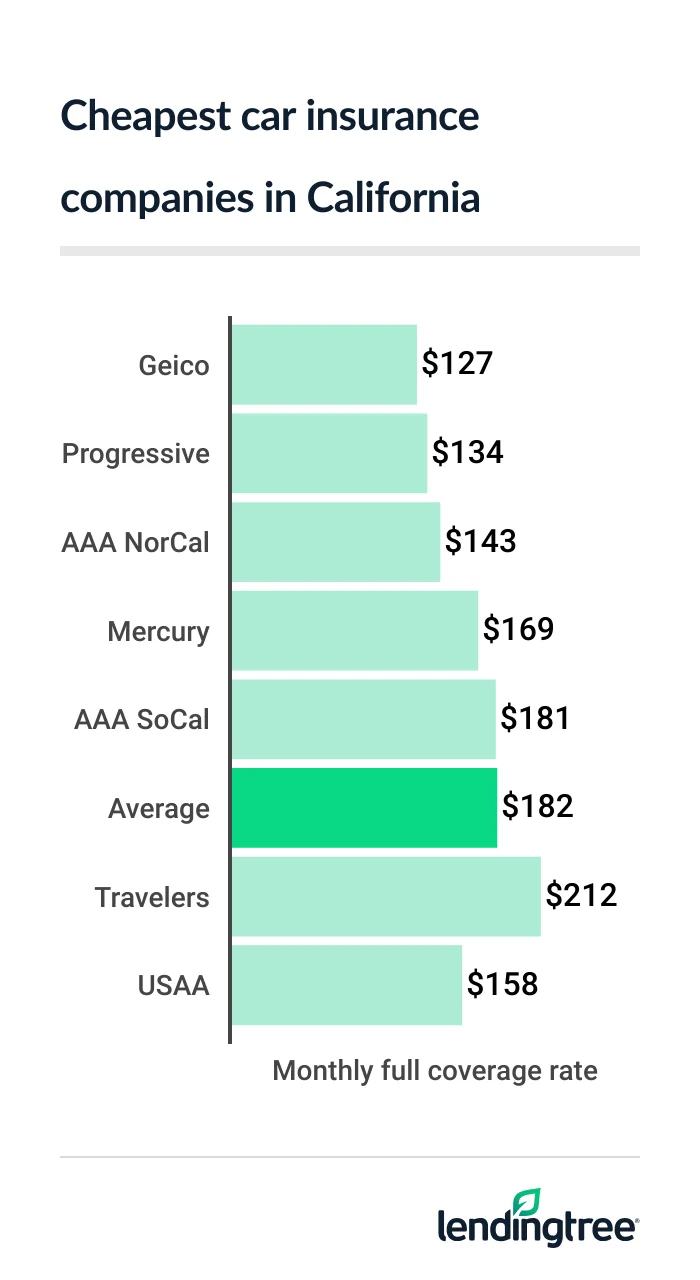
Historically, Geico has positioned itself as the low-cost leader through aggressive direct-to-consumer marketing, often offering some of the lowest baseline rates for drivers with clean records. State Farm, being a mutual company, often provides competitive pricing coupled with a massive network of agents, which can be a financial advantage for those who prefer personalized financial counseling. Progressive, on the other hand, utilizes a highly sophisticated “Snapshot” program that rewards low-risk driving behavior with significant discounts, making it a top choice for the data-conscious saver.
Specialized Providers: USAA and NJM
If you qualify for specialized insurers, the “cheapest” option often shifts immediately. USAA consistently ranks as the most affordable and highest-rated insurer in the United States, but it is exclusively available to military members and their families. Similarly, companies like NJM (New Jersey Manufacturers) have expanded their footprint while maintaining a reputation for low overhead and high dividends returned to policyholders, representing a unique value proposition in the personal finance space.
Regional vs. National Carriers
While national brands dominate the airwaves, regional carriers like Erie Insurance or Auto-Owners Insurance often outperform the giants in specific zip codes. From a money-management standpoint, it is often worth the time to request a quote from a local provider that understands the specific risk profile of your geographic area, as they may offer lower premiums due to lower corporate administrative costs compared to national conglomerates.
2. The Financial Architecture of Your Premium
To find the cheapest insurance, one must first understand the financial levers that insurance companies pull to determine your price. Your premium is not a static fee; it is a calculated risk assessment.
The Impact of Credit-Based Insurance Scores
In most states, your credit score is one of the most influential factors in determining your auto insurance premium. Actuarial data suggests a strong correlation between financial responsibility and driving safety. For the personal finance enthusiast, this means that improving your credit score—by reducing debt-to-income ratios and ensuring timely payments—can lead to a direct and significant reduction in insurance costs. It is an investment in your overall financial profile that pays dividends in lower premiums.
Risk Assessment and Driving History
Your driving record is essentially your “financial resume” on the road. A single at-fault accident or a series of moving violations can increase premiums by 30% to 100%. From a wealth-preservation perspective, maintaining a clean record is the most effective way to keep your insurance costs at the “preferred” tier. Furthermore, many companies offer “accident forgiveness” programs, which may cost a small amount upfront but protect you from massive financial spikes in the future.
Vehicle Selection and Depreciation
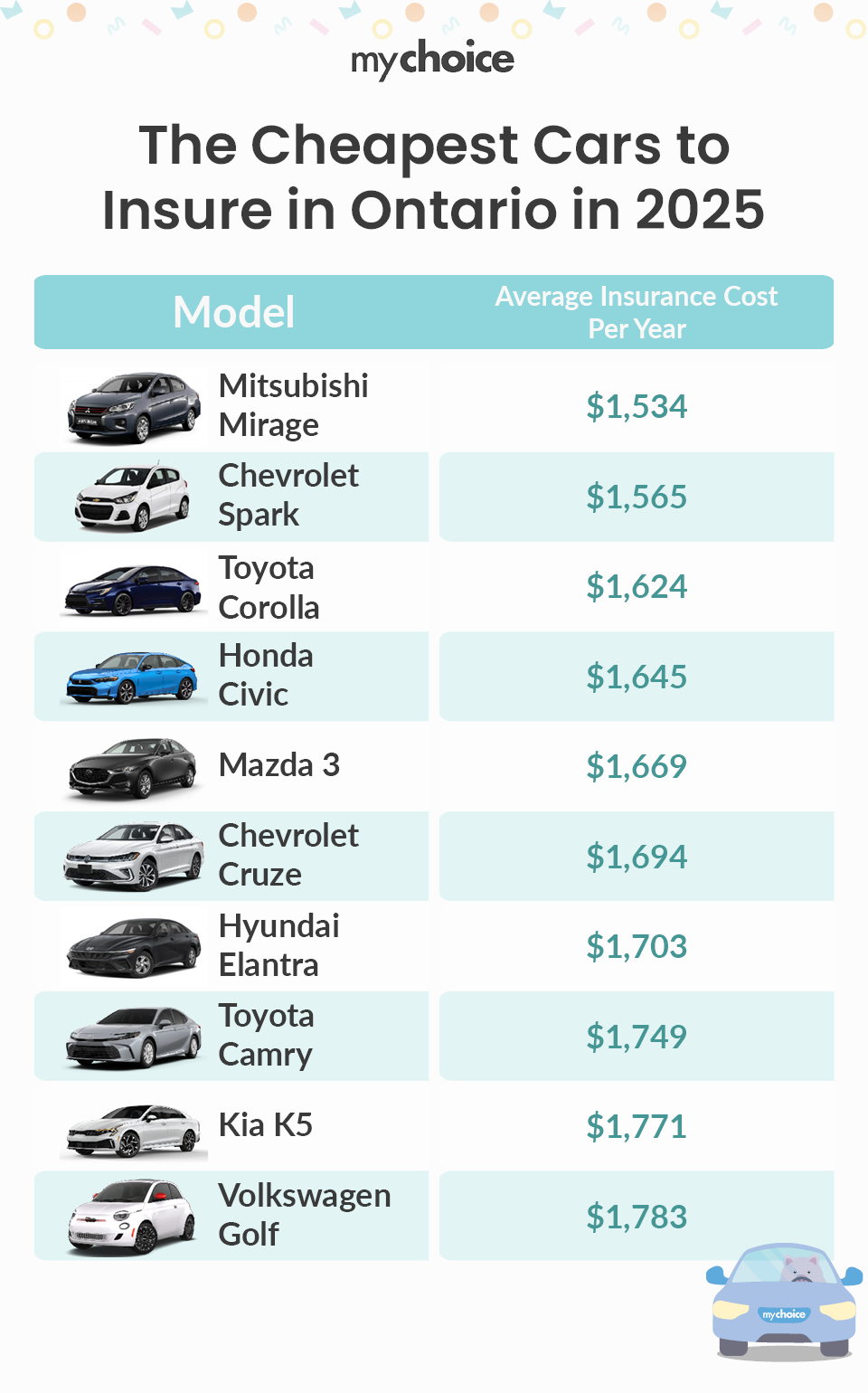
The type of car you drive is a major variable in your financial equation. Insurance companies look at the cost of parts, the likelihood of theft, and the safety ratings of the vehicle. For example, a luxury sedan with high-tech sensors in the bumper will cost significantly more to insure than a reliable mid-sized SUV. When purchasing a vehicle, smart buyers factor in the “total cost of ownership,” which includes the recurring insurance premium. Choosing a vehicle that is cheap to repair is a cornerstone of minimizing insurance overhead.
3. Strategic Methods to Lower Your Insurance Expenditure
Once you have selected a provider, there are several strategic financial moves you can make to further compress your premiums.
Maximizing Multi-Line Discounts and Bundling
One of the most effective ways to lower your costs is “bundling”—combining your auto insurance with homeowners, renters, or life insurance. Insurance companies value customer retention, and they are willing to offer discounts of 10% to 25% if you move all your financial protection under one roof. This not only simplifies your monthly bill management but also creates a “loyalty” buffer that can prevent drastic rate hikes.
Telematics and Usage-Based Insurance (UBI)
The rise of “InsureTech” has introduced telematics—small devices or smartphone apps that track your driving habits. For individuals who drive few miles or maintain safe habits, usage-based insurance can be the “cheapest” path available. By opting into these programs, you are essentially trading your data for a lower premium. For a person working from home or someone with a short commute, this can result in savings that traditional policies simply cannot match.
Optimizing Deductibles for Long-Term Savings
The deductible is the amount you pay out-of-pocket before insurance kicks in. Increasing your deductible from $500 to $1,000 can reduce your comprehensive and collision premiums by as much as 15% to 30%. However, this is a calculated financial risk. To do this safely, you must have an emergency fund capable of covering the higher deductible. If you have the liquidity, taking on a higher deductible is a savvy way to lower your guaranteed monthly outflow in exchange for a theoretical future cost.
4. Avoiding the Pitfalls of “Cheap” Coverage
In the world of personal finance, there is a distinct difference between “cheap” and “value.” Opting for the absolute lowest price can sometimes lead to financial catastrophe if the coverage is insufficient.
Minimum Liability vs. Full Protection
State minimum liability requirements are often shockingly low. If you are found at fault in a major accident and your coverage limits are exhausted, your personal assets—including your savings and home equity—could be at risk. From a wealth-management perspective, it is often cheaper in the long run to pay a slightly higher premium for 100/300/100 coverage than to risk a lawsuit that could lead to bankruptcy.
The Financial Stability of the Insurer
A cheap policy is worthless if the company lacks the financial liquidity to pay a large claim. Before signing a contract, check the insurer’s AM Best or S&P Global rating. These ratings indicate the company’s financial strength. A company with a “B” rating might offer a lower price than an “A++” rated company, but the risk of administrative delays or insolvency during a regional disaster (like a hurricane or wildfire) makes the “A++” company a better long-term financial bet.
Claims Satisfaction and Hidden Costs
Some budget insurers keep their costs low by utilizing used or aftermarket parts for repairs, or by maintaining a small claims adjusting staff, leading to longer wait times. If a car repair takes three weeks instead of one, and your policy doesn’t cover a rental car, the “cheap” premium has just cost you hundreds of dollars in transportation expenses. Always factor in the quality of service when evaluating the true cost of a policy.
5. Navigating the Comparison Process for Maximum ROI
The final step in securing the cheapest auto insurance is the implementation of a consistent review process. The insurance market is dynamic, and your “best rate” today may not be the best rate in twelve months.
The Annual Insurance Audit
Financial experts recommend shopping for car insurance at least once a year, or whenever a major life event occurs (marriage, moving, buying a house, or a birthday). As you age or your credit improves, you move into different risk pools. By re-quoting your policy annually, you ensure that you are always paying the current market rate rather than a “legacy” rate that may have crept up over time.
Leveraging Independent Agents vs. Direct Platforms
There are two ways to shop: using direct-to-consumer websites or working with an independent insurance agent. Direct platforms are excellent for quick comparisons and often lack agent commissions, potentially lowering the price. However, independent agents have access to “broker-only” companies that do not advertise to the public. For complex financial situations—such as owning multiple properties or high-value vehicles—an agent can often piece together a custom package that is cheaper than what you could find on a standard search engine.
In conclusion, the quest for the cheapest auto insurance is an exercise in balancing premiums, risk, and asset protection. By focusing on your credit health, leveraging modern telematics, and strategically adjusting your deductibles, you can significantly reduce your monthly expenditures. Remember that in personal finance, the goal is not just to spend the least amount of money today, but to protect the greatest amount of wealth for tomorrow. Managing your auto insurance with this mindset ensures that your “cheap” policy is also a smart one.
aViewFromTheCave is a participant in the Amazon Services LLC Associates Program, an affiliate advertising program designed to provide a means for sites to earn advertising fees by advertising and linking to Amazon.com. Amazon, the Amazon logo, AmazonSupply, and the AmazonSupply logo are trademarks of Amazon.com, Inc. or its affiliates. As an Amazon Associate we earn affiliate commissions from qualifying purchases.