
The month of Ramadan holds deep spiritual significance for Muslims globally, a period dedicated to fasting, prayer, introspection, and community. For those outside the Muslim faith, navigating interactions with friends, family, or colleagues observing Ramadan can sometimes feel like unfamiliar territory. The desire to express well wishes and show support is often present, but the precise words or gestures to convey this can be a source of apprehension. This guide is designed to demystify these interactions, offering clear, practical, and culturally sensitive advice on what to say and how to act to show genuine respect and understanding during Ramadan.
Understanding the Fundamentals: Greetings and Intentions
At the heart of acknowledging someone celebrating Ramadan lies the use of appropriate greetings. These phrases are more than just polite social conventions; they are deeply embedded in the cultural and religious fabric of the observance, serving as a direct and respectful way to convey your well wishes.
The Power of Traditional Greetings
The most common and universally appreciated greetings for Ramadan are rooted in Arabic. These phrases, when used sincerely, demonstrate a conscious effort to acknowledge and respect the observance.
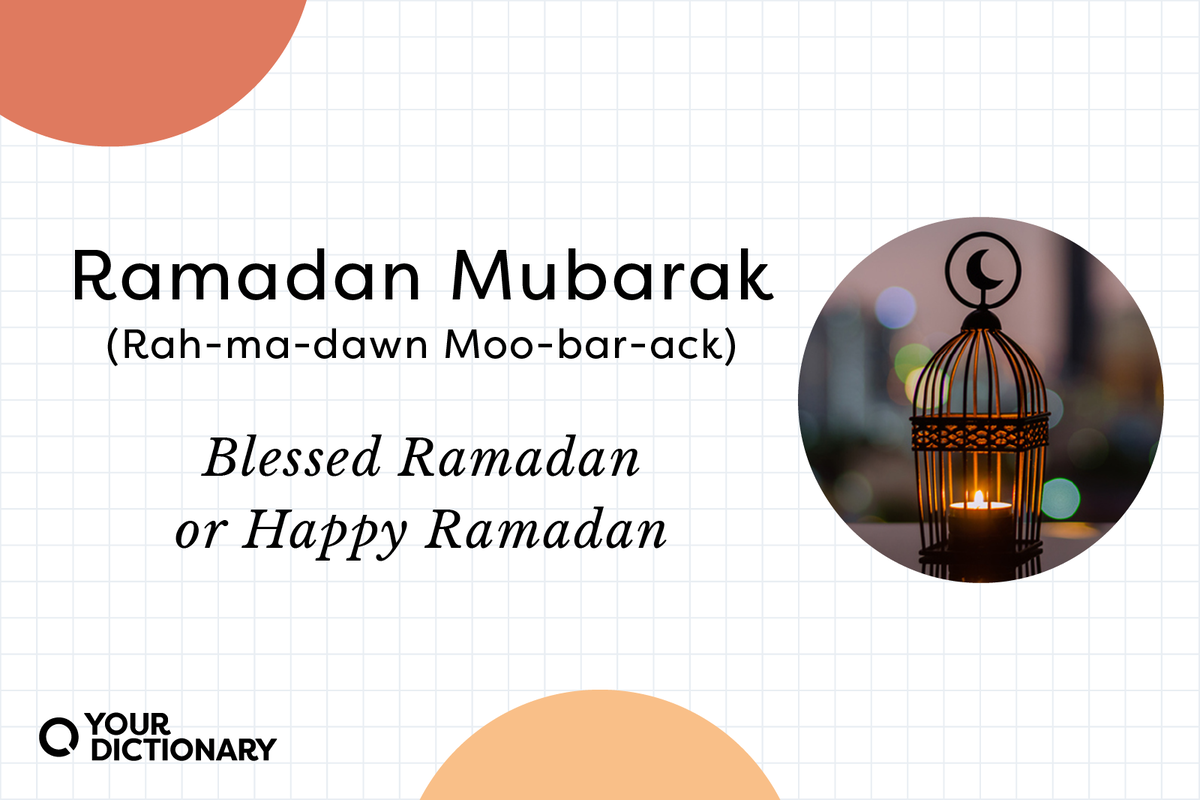
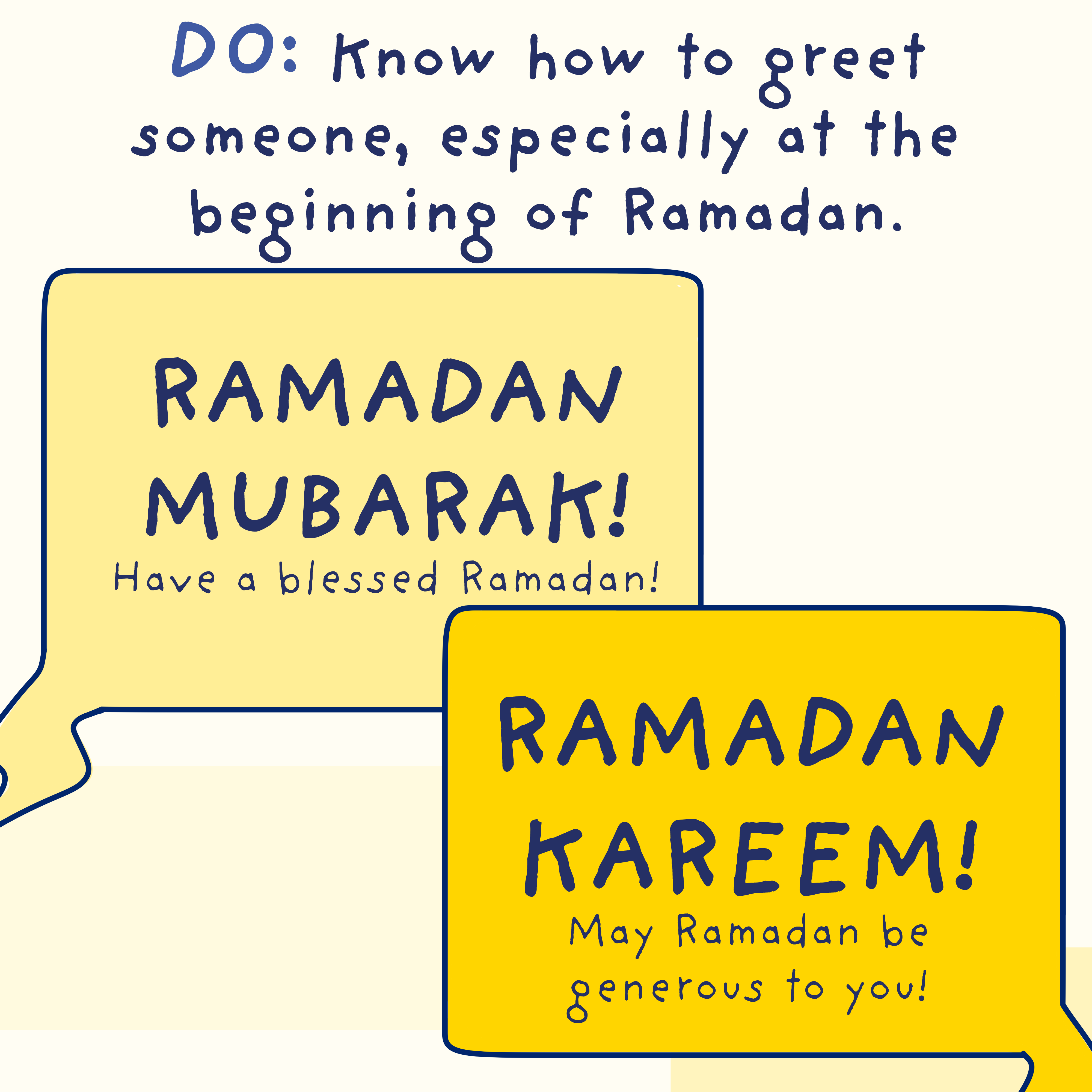
- “Ramadan Mubarak”: This is the most widely used and understood greeting. It translates to “Blessed Ramadan.” It is appropriate in almost all contexts, whether with close friends, colleagues, or acquaintances. Its simplicity and directness make it a safe and effective choice.
- “Ramadan Kareem”: This phrase translates to “Generous Ramadan.” It carries a similar sentiment to “Ramadan Mubarak” and is also widely accepted. Some prefer “Kareem” as it implies a month of abundance and generosity from God.
- Pronunciation and Context: While the exact pronunciation might vary slightly, focusing on a clear and respectful delivery is more important than perfect enunciation. These greetings can be used at any point during the month of Ramadan, from its beginning to its end. They are suitable for in-person interactions, emails, text messages, or even social media posts.
The Importance of Sincerity and Cultural Sensitivity
While the words themselves are important, the intention behind them is paramount. A genuine desire to connect and show respect will always resonate more deeply than a rote recitation of phrases.
- Authenticity Over Formality: Don’t feel pressured to use an Arabic phrase if it feels unnatural. A simple, heartfelt “Happy Ramadan” or “Wishing you a blessed Ramadan” is perfectly acceptable and often very appreciated, especially if you are unsure about pronunciation or cultural nuances. The key is to acknowledge the occasion.
- Respecting the Observance: Beyond greetings, demonstrating an understanding of what Ramadan entails—the fasting, the increased devotion, the community aspect—shows a deeper level of respect. This doesn’t mean you need to be an expert, but a general awareness goes a long way. Avoid making light of the fasting or asking intrusive questions about personal religious practices unless the relationship is very close and the context is appropriate.
Beyond Greetings: Thoughtful Expressions of Support
Once you have mastered the basic greetings, consider how you can extend your support and goodwill throughout the month. This involves being mindful of the observer’s altered routines and showing empathy for their experience.
Acknowledging the Fasting Period
Fasting from dawn till sunset is a central tenet of Ramadan. Being aware of this and acting with consideration can make a significant difference.
- “How is your fast going?”: This is a common and generally appropriate question, but it requires careful consideration of your relationship. For close friends or colleagues with whom you have a more personal rapport, this can be a genuine expression of care. However, for more distant acquaintances, it might be perceived as intrusive. If you ask, be prepared for a brief or general answer.
- Offering Practical Assistance: For colleagues who may be experiencing fatigue or reduced energy due to fasting, offering practical support can be incredibly helpful. This might include volunteering for tasks that require more physical energy, ensuring they have a quiet space for prayer if needed, or simply being understanding if they need to step away for a short break.
- Respecting Mealtimes: Be mindful of when the fast is broken (Iftar) and the pre-dawn meal (Suhur). Avoid scheduling meetings or social events that would interfere with these crucial times. If you are invited to an Iftar, it is a wonderful opportunity to share in the community spirit, but always be respectful of the sacred nature of the occasion.
Showing Interest and Empathy
Demonstrating a genuine interest in the meaning and experience of Ramadan can deepen your connection with those who observe it.
- Asking Respectful Questions: If you have a close relationship and are genuinely curious, it’s okay to ask polite questions. Frame your questions with an intent to learn. For example, “I’m trying to understand more about Ramadan. Could you tell me what this month means to you?” or “What are some of the most meaningful aspects of Ramadan for you?”
- Sharing in the Spirit of Giving: Ramadan is also a time of increased charity and reflection on gratitude. You can acknowledge this by:
- Supporting Charitable Initiatives: If your workplace or community is involved in any charitable drives related to Ramadan, consider participating.
- Expressing a Shared Value: You could say something like, “Ramadan is such a special time for reflection and giving. It’s inspiring to see the focus on compassion and community.”
- Understanding the Emotional and Spiritual Aspects: Beyond the physical act of fasting, Ramadan is a deeply spiritual month. Acknowledge that it is a time of increased devotion, self-discipline, and seeking closeness to God. Comments that reflect an understanding of this spiritual dimension, such as “I hope you find this month to be a time of great peace and spiritual growth,” can be very meaningful.
Navigating Specific Scenarios and Potential Pitfalls
While most interactions during Ramadan will be positive and straightforward, there are instances where one might be unsure of the best approach. Being aware of common scenarios and potential pitfalls can help you navigate these situations with grace.
Workplace Interactions
The workplace is a common arena for interfaith interactions. Maintaining professionalism while showing inclusivity is key.
- General Greetings to Colleagues: For general office greetings, “Ramadan Mubarak” or “Ramadan Kareem” are perfectly suitable for any colleague who you know is observing Ramadan. You don’t need to single anyone out unless you have a closer relationship.
- Avoiding Assumptions: Do not assume that everyone who appears to be Muslim is observing Ramadan. It’s a personal religious practice. If you know someone observes it, then greet them.
- Respecting Prayer Times: Be aware that some individuals may take short breaks for prayer during the day. Be understanding and accommodating if possible.
- Iftar Invitations: If your company hosts an Iftar or you are invited to one by a colleague, it’s a gesture of great inclusivity. It’s a good opportunity to learn and connect. If you cannot attend, a simple decline with a polite reason is sufficient.
Social Gatherings with Friends and Family
When interacting with friends and family, the approach can be more personal and in-depth.
- Offering to Help with Iftar Preparations: If you are close to the family or individual, offering to bring a dish to an Iftar meal or help with preparations can be a very thoughtful gesture. Ensure you clarify if they have dietary restrictions.
- Being Mindful of Food and Drink: During the fasting hours, avoid eating or drinking conspicuously in front of someone who is fasting, especially if you are in their home. This shows respect for their commitment.
- Discussing the Day’s Events: You can inquire about their day in a general, non-intrusive way. For example, “How has your day been?” rather than directly probing about their fasting experience unless they initiate it.
- Understanding Eid al-Fitr: As Ramadan concludes, it is followed by Eid al-Fitr, a joyous celebration. You can express anticipation by saying something like, “I hope you have a wonderful Eid celebration when Ramadan ends.”
What to Avoid Saying
Certain comments, even if well-intentioned, can be misconstrued or unintentionally offensive.
- Comments on Appearance or Energy Levels: Avoid making comments like, “You must be so tired,” or “You look weak.” While you might perceive this, framing it as an observation can be perceived negatively. Focus on general well wishes instead.
- Demanding Explanations of Religious Practices: Unless someone volunteers to share, avoid asking for detailed explanations of their prayers, fasting rules, or other deeply personal religious aspects.
- Comparing Ramadan to Other Holidays or Fasts: While comparisons can sometimes foster understanding, it’s best to avoid directly comparing Ramadan to other religious observances unless you have a very deep understanding of both and the person you are speaking with. Each faith has its unique practices and significance.
- Jokes or Sarcasm about Fasting: Never make light of the fasting period. It is a serious religious commitment.
- Asking “Are you allowed to drink water?” or similar overly specific questions: These can sound interrogative and perhaps a little condescending. It’s better to stick to general well wishes.
Embracing the Spirit of Ramadan Through Actions
Beyond spoken words, actions can powerfully convey support and respect during Ramadan. These gestures demonstrate a deeper engagement and understanding of the observance.
Being a Supportive Presence
Sometimes, the most impactful way to support someone is simply by being present and understanding.
- Patience and Flexibility: Recognize that individuals might have different energy levels throughout the day due to fasting. Be patient in conversations and flexible with schedules if possible.
- Offering Quiet Space: If your workplace has facilities, ensure that any designated quiet rooms are available and respected, especially during prayer times.
- Expressing Appreciation for Their Observance: Acknowledging the discipline and spiritual focus required for Ramadan can be very encouraging. You could say, “I really admire your dedication to Ramadan,” or “It’s inspiring to see the focus on spirituality during this month.”
Sharing in the Spirit of Generosity and Community
Ramadan is a month of heightened generosity, reflection, and community. You can align with these values in your interactions.
- Participating in Community Events (Respectfully): If invited to an Iftar or other Ramadan-related community event, attending can be a significant gesture of solidarity and support. Be sure to dress modestly and be respectful of the cultural and religious norms.
- Donating to Charity: As mentioned earlier, supporting charitable causes during Ramadan is highly valued. You can do this independently or in conjunction with colleagues or friends.
- Focusing on Positive Community Values: You can express appreciation for the broader themes of Ramadan. For instance, “Ramadan is a beautiful reminder of the importance of community, compassion, and reflection.”

Learning and Growing Together
Interfaith dialogue, when approached with respect and openness, can be a source of mutual learning and growth.
- Being Open to Learning: If someone is willing to share their experiences or beliefs about Ramadan, listen with an open mind and heart. This is an opportunity to broaden your own understanding.
- Sharing Your Own Cultural Traditions (When Appropriate): If you have similar observances or periods of reflection in your own faith or culture, you might share these, but only if the conversation naturally leads there and the relationship is close. The focus should remain on their observance.
- Creating an Inclusive Environment: By showing genuine interest and making an effort to understand, you contribute to a more inclusive and respectful environment for everyone, not just during Ramadan, but throughout the year.
In conclusion, what to say to someone celebrating Ramadan is less about finding the perfect phrase and more about extending sincere respect, understanding, and thoughtful consideration. By familiarizing yourself with traditional greetings, being mindful of the fasting period, and acting with genuine empathy, you can foster positive relationships and demonstrate your appreciation for this significant religious observance. The goal is to acknowledge the sacredness of the month and support those who are embarking on its spiritual journey. Your efforts, no matter how small, will undoubtedly be recognized and valued.
aViewFromTheCave is a participant in the Amazon Services LLC Associates Program, an affiliate advertising program designed to provide a means for sites to earn advertising fees by advertising and linking to Amazon.com. Amazon, the Amazon logo, AmazonSupply, and the AmazonSupply logo are trademarks of Amazon.com, Inc. or its affiliates. As an Amazon Associate we earn affiliate commissions from qualifying purchases.