
The modern washing machine, a cornerstone of household efficiency, is a sophisticated piece of technology. While its primary function is cleaning our clothes, the machine itself requires regular maintenance to ensure optimal performance and longevity. This is where the “self-clean” cycle comes into play, a feature designed to tackle the buildup of detergent residue, mineral deposits, mold, and mildew that can accumulate within the drum, pipes, and seals. Understanding what to put in your washer for its self-clean cycle is crucial for leveraging this feature effectively and keeping your appliance in top technical condition.
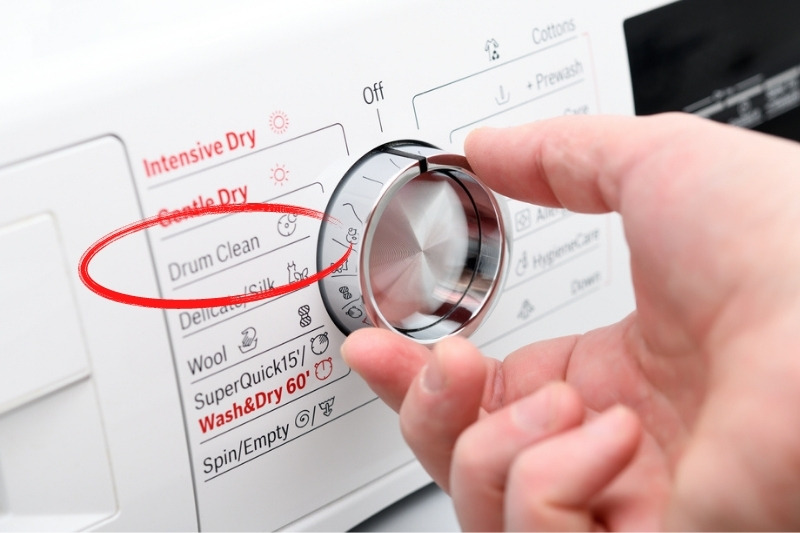
This article will delve into the technical aspects of washing machine self-cleaning, focusing on the science behind the buildup and the appropriate cleaning agents to use. We will explore the different types of self-cleaning cycles, the role of specific cleaning products, and best practices for maintaining your washing machine from a technological perspective.
Understanding the Technical Imperative of Washer Self-Cleaning
At its core, a washing machine is a complex electro-mechanical system. Its operation involves water intake, detergent dispensing, agitation, spinning, and drainage. Each of these processes, while highly efficient, can contribute to internal buildup over time. Understanding these technical mechanisms helps us appreciate why self-cleaning is not just a maintenance chore but a necessary technical intervention.
The Science of Buildup: More Than Just Grime
The internal components of a washing machine are constantly exposed to water, detergent, fabric softeners, and dirt from clothing. This environment, often warm and moist, is a breeding ground for various contaminants that can degrade performance and, in the long run, damage the machine.
-
Detergent and Fabric Softener Residue: Modern detergents, while effective at cleaning clothes, are complex chemical formulations. When not fully rinsed away, especially in cooler wash cycles or with excessive use, they can leave behind a sticky residue. This residue can attract dirt and lint, creating a film on the drum and internal components. Fabric softeners, in particular, are known for their waxy nature, which can build up and clog filters and pumps.
-
Mineral Deposits (Limescale): Tap water, especially in hard water areas, contains dissolved minerals like calcium and magnesium. When water is heated during wash cycles, these minerals can precipitate out and form limescale, a hard, chalky deposit. Limescale can coat heating elements, reducing their efficiency and potentially leading to failure. It can also clog pipes and restrict water flow, impacting the machine’s overall performance.
-
Mold and Mildew Growth: The dark, damp interior of a washing machine, coupled with the organic matter from clothes and detergent residue, creates an ideal environment for mold and mildew to thrive. These microorganisms can not only produce unpleasant odors but can also degrade rubber seals and hoses over time, leading to leaks and potential damage. The spores can also transfer to clean laundry, negating the cleaning process.
-
Lint and Fiber Accumulation: While lint filters are designed to capture loose fibers, some inevitably bypass and can accumulate in the drainage system, pumps, and even the tub itself. This buildup can impede drainage and contribute to clogs.
The Role of the Self-Clean Cycle: A Technical Solution
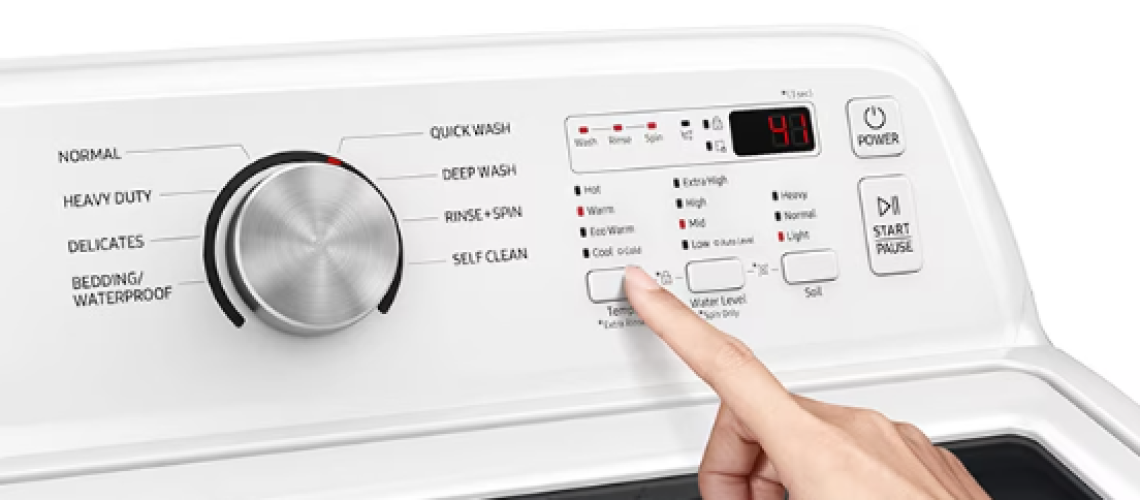
The self-clean cycle is a programmed sequence within the washing machine’s control system designed to address these buildup issues. It typically involves a higher temperature wash, often with a longer duration, and sometimes a specific type of cleaning agent. The goal is to dissolve residues, kill microorganisms, and flush out debris.
-
High-Temperature Water: Many self-clean cycles utilize extremely hot water (often exceeding 140°F or 60°C). This high temperature is critical for dissolving grease and soap scum, denaturing proteins that contribute to odors, and effectively killing bacteria and mold spores. The precise temperature is determined by the machine’s engineering to be effective without damaging internal components.
-
Agitation and Water Flow: The cycle often involves specific agitation patterns and water flow dynamics to ensure the cleaning solution reaches all parts of the drum and internal components. This thorough circulation is key to loosening and removing adhered contaminants.
-
Optimized Cycle Duration: The length of a self-clean cycle is engineered to provide sufficient time for the cleaning agents to work and for the machine to thoroughly rinse and drain. Skipping or interrupting this cycle can render it ineffective.
Optimal Cleaning Agents for Technical Washer Maintenance
While the self-clean cycle is a built-in feature, its effectiveness can be significantly enhanced by using the right cleaning agents. These agents are chosen for their chemical properties and their compatibility with washing machine components.
Specialized Washing Machine Cleaners: Engineered Solutions
The market offers a variety of cleaning products specifically formulated for washing machines. These are generally the most recommended and safest options, as they have been tested for compatibility with washing machine materials like rubber, plastic, and metal.
-
Powders and Tablets: These are convenient, pre-measured solutions. They often contain a blend of alkaline cleaning agents (like sodium percarbonate, a form of oxygen bleach) that break down grease and grime, and chelating agents that bind to mineral ions in hard water, preventing limescale formation. Some also include enzymes that break down organic matter and surfactants to lift dirt. When using these, the instructions on the product packaging should be followed precisely, typically involving placing the tablet/powder directly into the drum or detergent dispenser and running the self-clean cycle.
-
Liquid Cleaners: Similar in composition to powders and tablets, liquid cleaners offer an alternative application. They are often poured directly into the drum or the detergent dispenser. Their effectiveness relies on the same principles of chemical breakdown of residues and antimicrobial action.
-
Key Ingredients and Their Technical Function:
- Sodium Percarbonate: Releases hydrogen peroxide and sodium carbonate when dissolved in water. Hydrogen peroxide acts as an oxidizer, breaking down organic stains and killing microorganisms. Sodium carbonate softens water and boosts the cleaning power of the peroxide.
- Citric Acid: A mild organic acid that is highly effective at dissolving mineral deposits like limescale. It is often found in natural cleaning products and is a good alternative to stronger acids.
- Enzymes (Amylase, Protease, Lipase): These biological catalysts break down specific types of organic matter – starches, proteins, and fats, respectively – that can contribute to odors and residue buildup.
- Surfactants: Reduce the surface tension of water, allowing it to penetrate and lift dirt and grime more effectively.
Common Household Items: Practical and Effective Alternatives
While specialized cleaners are recommended, certain common household items, when used correctly, can also be effective. However, it’s crucial to understand their properties and potential limitations.
-
Vinegar (White Distilled): A mild acid, white vinegar (acetic acid) is excellent for dissolving mineral deposits and has some antimicrobial properties.
- Technical Application: Pour 2-4 cups of white vinegar directly into the washing machine drum. Run a hot water cycle (ideally the self-clean cycle if available, or a hot rinse and spin cycle). The acidity helps to break down limescale and kill some bacteria and mold.
- Caution: While generally safe, avoid mixing vinegar with bleach, as this can create toxic chlorine gas. Some manufacturers advise against frequent or excessive use of vinegar, as its acidity could potentially degrade rubber seals over very long periods, though this is often debated and depends on the quality of the seals and the concentration of vinegar used.
-
Baking Soda (Sodium Bicarbonate): A mild alkali and abrasive, baking soda is effective at deodorizing and gently scrubbing away grime.
- Technical Application: Add ½ cup of baking soda to the detergent dispenser or directly into the drum. Then, pour 2 cups of white vinegar into the drum. Run a hot water cycle. The combination creates a mild fizzing action that can help loosen residue, and the baking soda helps absorb odors and mild grime.
- Caution: Baking soda is an alkali, so while generally mild, it’s best to use it in conjunction with an acidic cleaner like vinegar for a balanced cleaning effect.
-
Bleach (Chlorine Bleach): A powerful disinfectant and oxidizer, chlorine bleach can kill mold, mildew, and bacteria effectively.
- Technical Application: If your machine manufacturer permits its use for self-cleaning, add ½ cup to 1 cup of chlorine bleach to the bleach dispenser (or directly into the drum if specified). Run the self-clean cycle or a very hot water cycle.
- Caution: This is a critical point for technical compatibility. Chlorine bleach can be corrosive and can degrade rubber and plastic components over time, especially if used frequently or in high concentrations. Always check your washing machine’s manual before using bleach for self-cleaning. If bleach is not explicitly recommended, do not use it. Furthermore, never mix bleach with vinegar or other acidic cleaners, as this produces hazardous chlorine gas.
Best Practices for Technical Washer Maintenance
Beyond simply selecting the right cleaning agent, adhering to a regular maintenance schedule and employing proper usage habits are crucial for the long-term technical health of your washing machine.
Establishing a Regular Self-Clean Schedule
The frequency of running a self-clean cycle depends on several factors, including usage patterns, water hardness, and the types of loads you typically wash.
- Usage Frequency: For households with high laundry volume (e.g., families with young children, frequent athletic wear users), running a self-clean cycle monthly is often recommended. For lighter usage, every two to three months may suffice.
- Water Hardness: In areas with hard water, mineral buildup occurs more rapidly. Consider increasing the frequency of self-cleaning to combat limescale accumulation.
- Visible Signs: Pay attention to your machine. If you notice musty odors, visible residue in the drum, or reduced water flow, it’s a clear indication that a self-clean is due.
- Manufacturer Recommendations: Always consult your washing machine’s owner’s manual. Manufacturers provide specific guidelines for maintenance, including recommended self-clean frequencies and approved cleaning agents. Adhering to these recommendations is paramount for maintaining warranty validity and ensuring optimal technical performance.

Optimizing Usage Habits for Internal Health
Certain everyday laundry practices can significantly reduce the buildup within your washing machine, extending the time between necessary self-clean cycles and preserving the integrity of its components.
- Avoid Overloading: Cramming too many clothes into the machine prevents proper water circulation and rinsing. This leads to increased detergent residue and can stress the motor and drum.
- Use the Right Amount of Detergent: More detergent does not necessarily mean cleaner clothes. Using too much can lead to excessive suds and residue buildup, especially in high-efficiency (HE) machines, which use less water. Follow the detergent manufacturer’s dosage recommendations and your machine’s guidelines.
- Consider HE Detergents: High-efficiency machines are designed to work with low-sudsing HE detergents. Using standard detergents in an HE machine can cause over-sudsing and residue.
- Leave the Door Ajar: After each wash cycle, leave the washing machine door open for a period. This allows the interior to air dry, significantly reducing the conditions favorable for mold and mildew growth. For front-loading machines, this is particularly important as the door seal can trap moisture.
- Wipe Down Seals and Gaskets: Regularly wipe down the rubber door seal and gasket, especially on front-loading machines. This removes trapped lint, hair, and moisture that can harbor mold and mildew.
- Clean the Lint Filter and Dispensers: Most washing machines have accessible lint filters and detergent/fabric softener dispensers. Regularly cleaning these components ensures efficient operation and prevents blockages. Refer to your manual for their location and cleaning instructions.
By understanding the technical reasons behind washing machine buildup and employing the correct cleaning agents and maintenance practices, you can ensure your appliance operates efficiently, hygienically, and reliably for years to come. The self-clean cycle, when used judiciously with the appropriate technical considerations, is a powerful tool in maintaining this sophisticated household technology.
aViewFromTheCave is a participant in the Amazon Services LLC Associates Program, an affiliate advertising program designed to provide a means for sites to earn advertising fees by advertising and linking to Amazon.com. Amazon, the Amazon logo, AmazonSupply, and the AmazonSupply logo are trademarks of Amazon.com, Inc. or its affiliates. As an Amazon Associate we earn affiliate commissions from qualifying purchases.