
The question “When will Bitcoin go back up?” echoes through investor forums, financial news outlets, and casual conversations whenever the cryptocurrency experiences a significant downturn. After periods of euphoric gains, corrections can be sharp and unsettling, leading many to question the asset’s future trajectory. While no one possesses a crystal ball to predict exact market movements, understanding the fundamental drivers, historical patterns, and broader economic landscape can provide a clearer perspective on Bitcoin’s potential for recovery and sustained growth.
Understanding Bitcoin’s Volatility: A Historical Perspective
Bitcoin’s journey has been marked by extreme price swings, a characteristic that both attracts speculative investors and deters those seeking stability. Its history is a testament to both remarkable resilience and profound volatility.
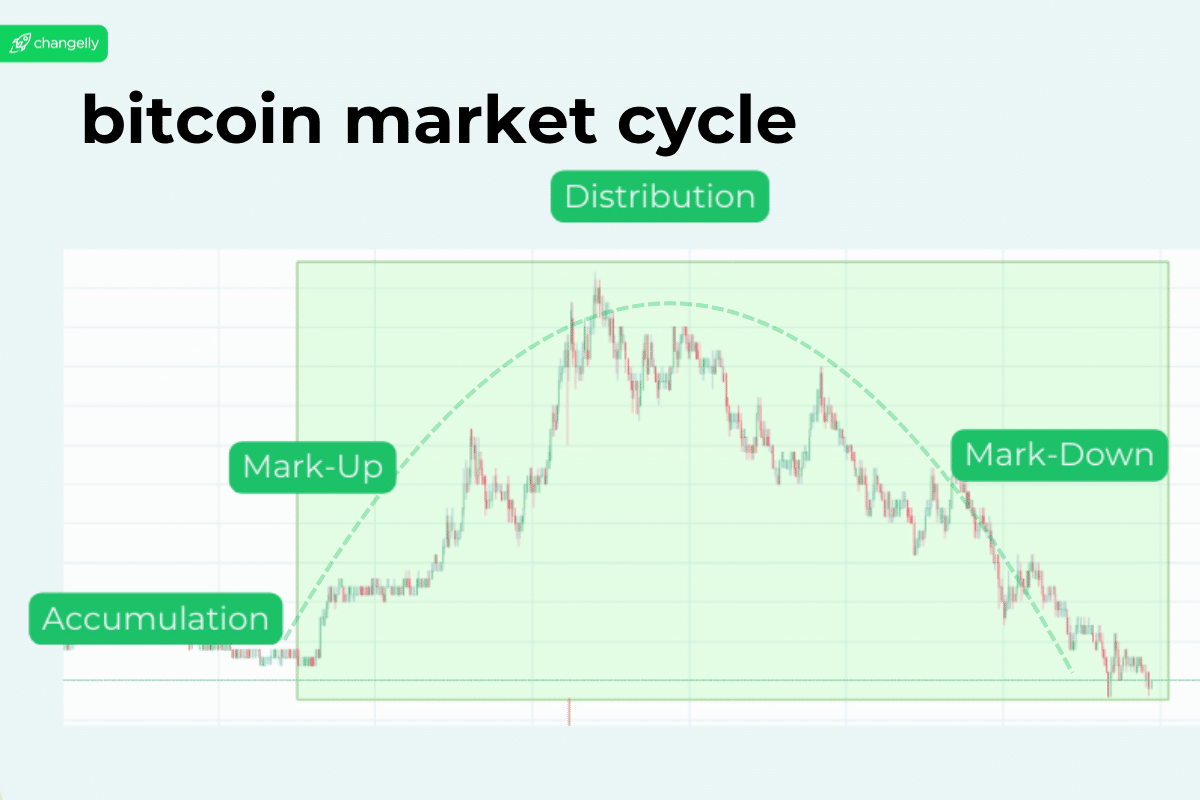
The Cyclical Nature of Crypto Markets
Like many nascent asset classes, cryptocurrencies, and Bitcoin in particular, exhibit pronounced market cycles. These cycles typically involve periods of rapid appreciation (bull markets) driven by hype, new capital inflows, and increasing adoption, followed by significant corrections (bear markets) as profits are taken, sentiment shifts, and regulatory uncertainties emerge. Bitcoin’s halving events, occurring roughly every four years, also play a crucial role. These events cut the supply of new Bitcoin entering the market by half, historically preceding major bull runs due to a supply shock, though their impact is not immediate and is influenced by other market factors. Understanding that volatility and corrections are inherent to this market, rather than anomalies, is key to developing a long-term investment perspective.
Lessons from Past Recoveries
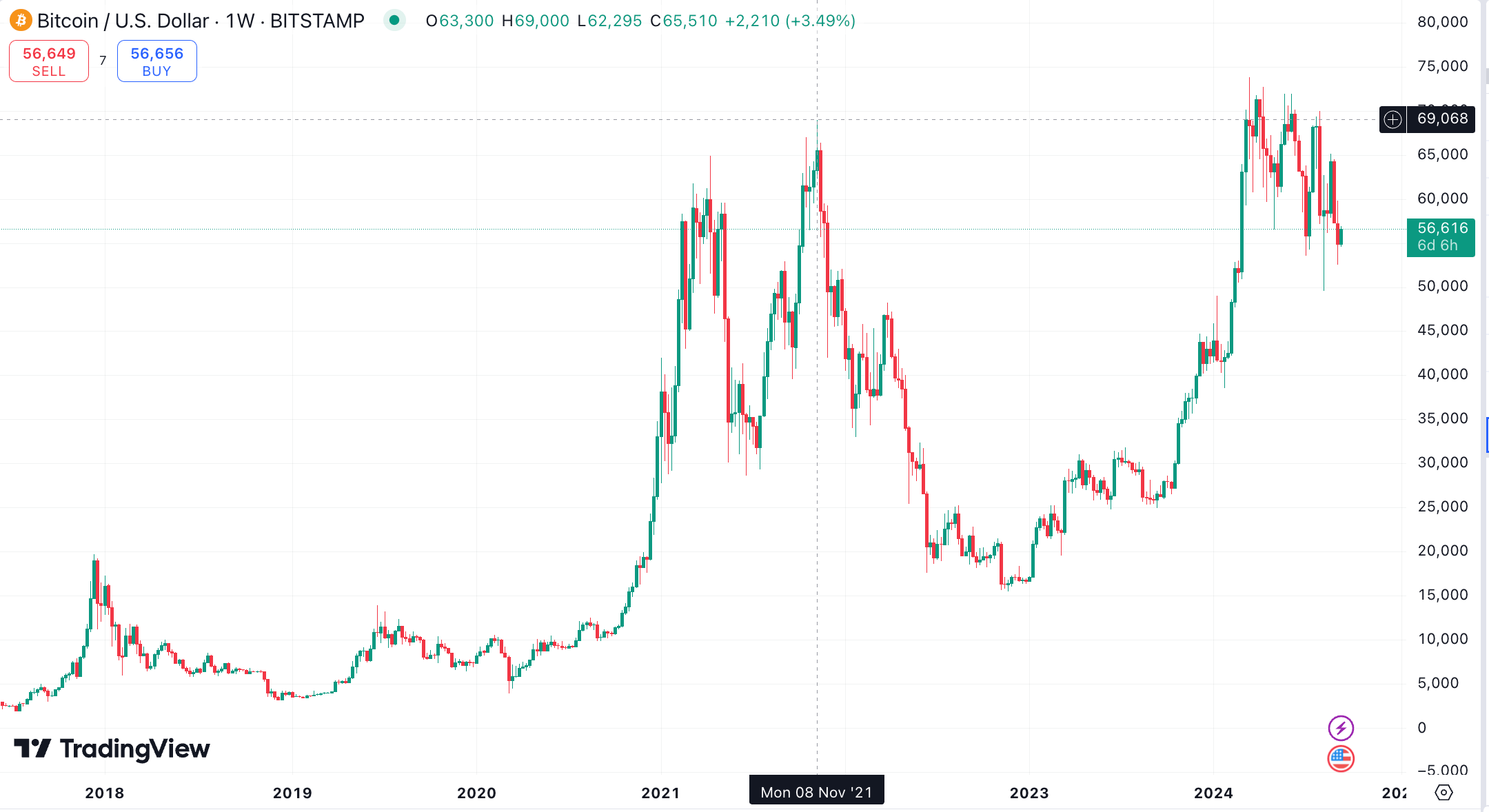
Bitcoin has faced numerous steep corrections throughout its existence, each time prompting doubts about its survival. For instance, after reaching nearly $20,000 in late 2017, it plunged to around $3,000 by late 2018—an 80% drawdown. Similarly, following its peak near $69,000 in late 2021, it experienced another significant decline. Yet, in every instance, Bitcoin not only recovered but went on to achieve new all-time highs. These recoveries were not instantaneous but rather gradual processes fueled by renewed interest, technological advancements, and a maturing ecosystem. This historical precedent offers a powerful lesson in resilience, suggesting that while downturns can be painful, they have historically represented opportunities for long-term accumulation for those with conviction.
Key Factors Influencing Bitcoin’s Price Recovery
Bitcoin’s price is not determined in a vacuum. A complex interplay of various factors, ranging from its inherent economic design to external market forces, dictates its value and potential for recovery.
Supply and Demand Dynamics
At its core, Bitcoin operates on simple economic principles. Its supply is programmatically capped at 21 million coins, making it a scarce asset. The rate at which new Bitcoin is minted decreases over time due to the halving events. On the demand side, several forces are at play. Growing retail adoption, as more individuals enter the crypto space, contributes significantly. More profoundly, institutional adoption by traditional financial players—such as investment funds, corporations, and even sovereign wealth funds—injects substantial capital and lends legitimacy to Bitcoin as an asset class. Increased utility, such as its use in remittances, as a payment rail, or integration into decentralized finance (DeFi), also fuels demand. When demand outpaces the constrained supply, price appreciation is the natural outcome.
Regulatory Developments
The regulatory landscape remains a critical determinant of Bitcoin’s trajectory. Clarity from governments and financial authorities can significantly boost investor confidence, particularly for institutional players who require defined frameworks before committing substantial capital. The approval of spot Bitcoin ETFs in various jurisdictions, for example, has opened doors for a broader range of investors to gain exposure to Bitcoin without directly holding the asset, leading to increased demand. Conversely, regulatory crackdowns, bans, or ambiguous policies can create uncertainty, trigger sell-offs, and stifle innovation. A global move towards clear, proportionate regulation is often viewed as a positive catalyst for sustained price recovery and market maturation.
Technological Advancements and Ecosystem Growth
Beyond its price, Bitcoin’s underlying technology continues to evolve. While its core protocol is designed for stability, innovations built on top of it enhance its utility. The Lightning Network, for instance, enables faster and cheaper Bitcoin transactions, expanding its potential as a medium of exchange. Ongoing developments in scaling solutions, security protocols, and integration with broader Web3 applications contribute to its long-term value proposition. Furthermore, the growth of the wider crypto ecosystem, including stablecoins, DeFi, and NFTs, indirectly benefits Bitcoin by increasing overall awareness, infrastructure development, and liquidity within the digital asset space. A robust and expanding ecosystem reinforces Bitcoin’s foundational role.
Institutional Adoption and Mainstream Integration
The gradual but steady entry of institutional capital and mainstream companies into the Bitcoin space is a powerful indicator of its maturation. Major financial institutions offering crypto services, corporations adding Bitcoin to their balance sheets, and payment giants integrating crypto into their platforms all contribute to increased demand and perceived stability. This institutional embrace helps to de-risk Bitcoin in the eyes of more conservative investors and broadens its appeal beyond early adopters. As Bitcoin becomes more integrated into traditional financial systems, its volatility may temper slightly over time, and its market capitalization will likely increase, driving recovery.
The Broader Economic Landscape and Crypto
Bitcoin does not exist in a vacuum; its performance is increasingly influenced by global macroeconomic conditions, just like traditional assets.
Inflation, Interest Rates, and Monetary Policy
The prevailing macroeconomic environment plays a significant role in how investors perceive and allocate capital to Bitcoin. During periods of high inflation, Bitcoin has often been touted as a potential inflation hedge, a “digital gold” that can preserve wealth against depreciating fiat currencies due to its fixed supply. However, in environments of rising interest rates and quantitative tightening by central banks, risk assets like Bitcoin tend to struggle. Higher interest rates make safer investments (like bonds) more attractive, reducing the appetite for speculative assets. The tightening of monetary policy often leads to a withdrawal of liquidity from the broader financial system, impacting all risk-on assets, including cryptocurrencies. Understanding the Federal Reserve’s stance and global central bank policies is therefore crucial for assessing Bitcoin’s immediate prospects.

Geopolitical Events and Global Uncertainty
Major geopolitical events, such as international conflicts, trade wars, or significant political instability, can have a complex and sometimes contradictory impact on Bitcoin. In some scenarios, these events might drive investors towards Bitcoin as a perceived safe haven, especially in regions with unstable local currencies or restrictive capital controls. Its decentralized and permissionless nature makes it an attractive alternative for individuals seeking to protect their assets from government interference or currency devaluation. Conversely, widespread global uncertainty can lead to a general flight from risk across all asset classes, causing investors to liquidate even perceived safe-haven assets like Bitcoin to hold cash. The specific context of the event dictates Bitcoin’s reaction.
Correlation with Traditional Markets
Initially, Bitcoin often moved independently of traditional financial markets. However, its increasing mainstream adoption and institutionalization have led to a higher correlation with assets like tech stocks (e.g., the Nasdaq Composite). During broad market downturns, especially those impacting growth and tech stocks, Bitcoin frequently follows suit. This growing correlation suggests that Bitcoin is increasingly viewed as a risk-on asset, rather than a completely uncorrelated alternative. For Bitcoin to experience a sustained recovery, a more stable or bullish sentiment across traditional equity markets, particularly in the tech sector, could be a supportive factor. Decoupling from this correlation, if it were to occur consistently, might signal Bitcoin’s evolution into a more independent asset class.
Expert Outlooks and Long-Term Projections
Predicting Bitcoin’s exact future price is impossible, but various analysts and models offer insights into its potential long-term trajectory. These outlooks often diverge significantly, reflecting different methodologies and assumptions.
Divergent Views and Price Targets
Expert opinions on Bitcoin’s future price vary widely. Some analyses leverage models like the “stock-to-flow” model, which attempts to predict price based on scarcity (the ratio of existing stock to new production), suggesting much higher future valuations. Others use on-chain analysis, examining network activity, investor behavior, and liquidity flows to infer market sentiment and potential price movements. Technical analysts study chart patterns and historical data to identify trends. While short-term predictions are notoriously unreliable, a common theme among long-term bullish outlooks is Bitcoin’s continued role as a digital store of value and its increasing scarcity. However, cautious voices also exist, highlighting potential regulatory hurdles, scalability challenges, or the emergence of competing digital assets.
The Narrative of Digital Gold and Store of Value
A foundational thesis supporting Bitcoin’s long-term value is its role as “digital gold.” Proponents argue that its finite supply, decentralization, censorship resistance, and immutability make it superior to traditional fiat currencies and potentially even gold as a store of value in the digital age. As the world becomes increasingly digital, and trust in centralized financial institutions occasionally wanes, Bitcoin offers an alternative form of wealth preservation. If this narrative gains wider acceptance and adoption, it would provide a strong fundamental basis for price recovery and long-term appreciation, positioning Bitcoin as a core component of diversified investment portfolios.
The Role of Halving Events
Bitcoin’s halving events, which occur approximately every four years, cut the reward for mining new blocks by half. This reduces the rate at which new Bitcoin enters circulation, thereby increasing its scarcity. Historically, each halving event has been followed by a significant bull run, often peaking 12-18 months after the event. While past performance is not indicative of future results, the next halving is a highly anticipated event that many believe will again act as a powerful catalyst for a new cycle of price discovery. The supply shock combined with sustained demand could be a primary driver for Bitcoin to “go back up” and potentially reach new all-time highs in the subsequent period.
Navigating the Market: Strategies for Investors
Given Bitcoin’s inherent volatility and the multitude of influencing factors, a thoughtful and disciplined investment strategy is paramount for those seeking to participate in its growth.
Dollar-Cost Averaging (DCA)
For many investors, especially those new to cryptocurrency, dollar-cost averaging (DCA) is an effective strategy. This involves investing a fixed amount of money at regular intervals (e.g., weekly or monthly), regardless of the asset’s price. When the price is high, you buy fewer units; when it’s low, you buy more. This strategy helps to mitigate the impact of volatility, reduces the risk of making a large investment at an inopportune time, and allows investors to accumulate Bitcoin over time at an average price. It removes the emotional element of trying to time the market, which is notoriously difficult.
Risk Management and Portfolio Diversification
Investing in Bitcoin, or any cryptocurrency, carries significant risk. It is crucial to practice sound risk management by never investing more than you can afford to lose. Furthermore, Bitcoin should be considered part of a diversified investment portfolio, not the entirety of it. Allocating a small, carefully considered percentage of your total portfolio to high-risk, high-reward assets like Bitcoin allows you to participate in its potential upside while protecting your overall financial stability. Diversifying across different asset classes (stocks, bonds, real estate, precious metals) and even within the crypto space (other reputable cryptocurrencies) helps to spread risk.
Long-Term Horizon vs. Short-Term Speculation
While the allure of quick gains can be strong, successful long-term investors in Bitcoin have typically adopted a multi-year horizon. Focusing on the asset’s fundamental value proposition—its scarcity, decentralization, and potential as a store of value—rather than daily price swings, can help weather market downturns. Short-term trading is highly speculative and requires significant expertise and risk tolerance. For most individuals, adopting a “HODL” (hold on for dear life) mentality, combined with a DCA strategy, aligns better with Bitcoin’s historical growth patterns and its long-term potential.
Continuous Learning and Due Diligence
The cryptocurrency market is dynamic and constantly evolving. Staying informed about new technological developments, regulatory changes, macroeconomic trends, and expert analyses is vital. Reading reputable news sources, academic papers, and analyses from trusted financial institutions can help investors make informed decisions. Understanding the technology, the market dynamics, and the broader financial environment will empower you to navigate its complexities more effectively and make confident decisions about your Bitcoin investments.
In conclusion, while the question of “When will Bitcoin go back up?” lacks a precise answer, its historical resilience, fundamental scarcity, increasing institutional adoption, and the potential impact of future halving events suggest a strong possibility for continued recovery and growth over the long term. Investors who approach the market with a clear understanding of its volatility, a disciplined strategy, and a long-term perspective are best positioned to navigate its inherent challenges and potentially benefit from its future upside.
aViewFromTheCave is a participant in the Amazon Services LLC Associates Program, an affiliate advertising program designed to provide a means for sites to earn advertising fees by advertising and linking to Amazon.com. Amazon, the Amazon logo, AmazonSupply, and the AmazonSupply logo are trademarks of Amazon.com, Inc. or its affiliates. As an Amazon Associate we earn affiliate commissions from qualifying purchases.