
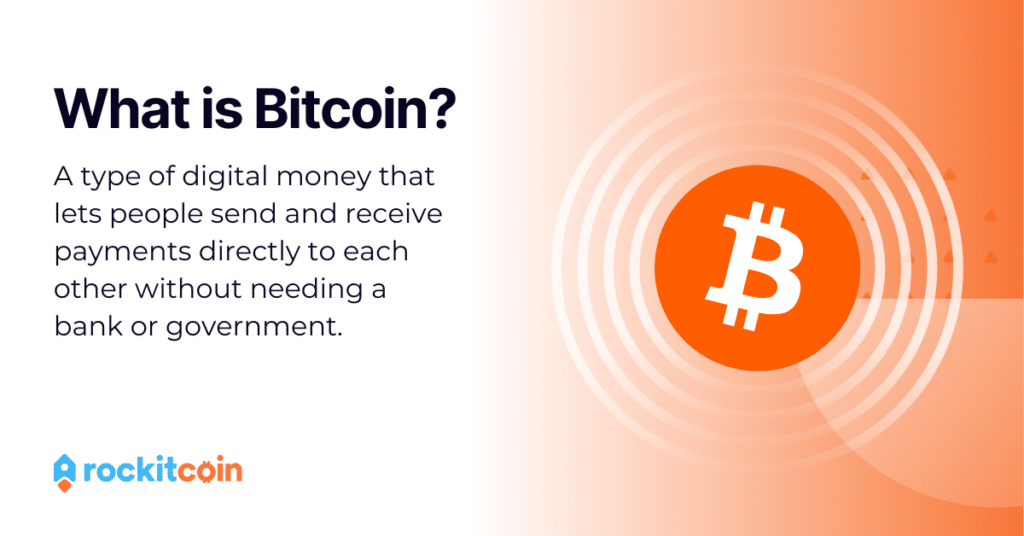
In an increasingly digital world, few innovations have captured the global imagination and challenged conventional finance quite like Bitcoin. For many, the term “BTC” is synonymous with a volatile, enigmatic asset, yet its underlying principles represent a profound shift in how we perceive and manage money. BTC, or Bitcoin, is more than just a cryptocurrency; it is a decentralized digital currency, a store of value, and a revolutionary financial technology born from a desire for a more transparent, secure, and permissionless economic system. Understanding what a BTC truly is unlocks insights into the future of personal finance, global investments, and the very architecture of our financial interactions.
The Genesis of a New Monetary Paradigm
Bitcoin emerged from the shadows of the 2008 financial crisis, a period that exposed significant vulnerabilities and centralized control within traditional banking systems. Its creation was not merely a technological feat but a philosophical statement, offering an alternative rooted in decentralization and individual autonomy over wealth.
Satoshi Nakamoto’s Vision: Escaping Traditional Finance
In October 2008, an anonymous entity or group known as Satoshi Nakamoto published a white paper titled “Bitcoin: A Peer-to-Peer Electronic Cash System.” This seminal document outlined a novel form of digital currency designed to operate without the need for financial institutions or government oversight. Nakamoto’s vision was to create a system where transactions could occur directly between parties, securely and verifiably, without a central authority acting as an intermediary. This directly addressed issues of trust, censorship, and the inflationary pressures often associated with fiat currencies controlled by central banks. The very first block of the Bitcoin blockchain, mined in January 2009, contained a hidden message referencing a headline about bank bailouts, underscoring its anti-establishment origins and its aspiration to offer a genuine escape from the pitfalls of conventional finance.
Decentralization as a Core Principle
At the heart of Bitcoin’s appeal, especially from a financial perspective, is its unparalleled decentralization. Unlike national currencies, which are issued and regulated by central banks, or traditional payment systems run by companies like Visa or MasterCard, Bitcoin has no single governing body. Its network is maintained by a global community of users and “miners” who process transactions and secure the blockchain. This distributed nature means that no single entity can control the supply of BTC, freeze accounts, or censor transactions. For individuals and businesses, this translates to greater financial sovereignty, offering a degree of freedom and resistance to censorship that is unattainable in traditional financial frameworks. This decentralized structure underpins its resilience and trustworthiness as a monetary system.
The Birth of the Blockchain
The technological innovation enabling Bitcoin’s decentralized financial system is the blockchain. Conceptually, a blockchain is a distributed public ledger that records all Bitcoin transactions in a chronological and immutable way. Each “block” contains a list of transactions, and once filled, it is added to the “chain” of previous blocks. Cryptography ensures that once a transaction is recorded, it cannot be altered or removed, making the ledger incredibly secure and transparent. For financial actors, this means an unprecedented level of verifiable transaction history, drastically reducing the potential for fraud and disputes. The blockchain is the backbone that guarantees the integrity and trustworthiness of BTC as a digital currency, providing an auditable record for every unit of value ever transacted.
BTC as a Digital Asset and Investment
Beyond its role as a peer-to-peer cash system, BTC has evolved significantly to become a prominent digital asset and a compelling investment vehicle for individuals and institutional investors alike. Its unique properties have led many to label it “digital gold.”
Bitcoin’s Scarcity and Value Proposition
A key driver of Bitcoin’s value proposition is its inherent scarcity. The total supply of BTC is capped at 21 million units, a limit hardcoded into its protocol by Satoshi Nakamoto. This fixed supply stands in stark contrast to fiat currencies, which can be printed in unlimited quantities by central banks, often leading to inflation and a devaluation of purchasing power. The predictable, diminishing rate at which new Bitcoins are introduced into circulation (known as “halving” events) further enhances its scarcity. This predictable supply, combined with growing demand, underpins its potential as a store of value – an asset expected to retain or increase in value over time, much like precious metals. Investors view this scarcity as a crucial hedge against inflation and economic uncertainty in the traditional financial world.
BTC as an Investment Vehicle: Volatility and Potential
Investing in BTC has historically been characterized by significant volatility. Its price can experience dramatic swings within short periods, making it a high-risk, high-reward asset. Early investors who bought BTC for mere pennies have seen their holdings multiply exponentially, creating unprecedented wealth. This potential for substantial returns has drawn a diverse range of investors, from retail enthusiasts to large institutional funds, all seeking exposure to a nascent, transformative asset class. Understanding BTC as an investment requires acknowledging this volatility, conducting thorough due diligence, and often adopting a long-term “HODL” (hold on for dear life) strategy, anticipating its eventual maturation and wider adoption. It’s not uncommon for financial advisors to suggest a small, diversified allocation to cryptocurrencies like Bitcoin within a broader investment portfolio, acknowledging its asymmetric risk/reward profile.
Comparing BTC to Traditional Assets (Gold, Fiat Currency)
The comparison of BTC to traditional assets provides valuable context for its financial identity. Like gold, BTC is a scarce, durable, divisible, and fungible asset often used as a hedge against inflation and geopolitical instability. Both are seen as stores of value outside the direct control of governments. However, BTC possesses distinct advantages: it is digitally native, making it instantly transferable globally, highly portable (you can carry millions in value on a tiny USB drive or in your mind), and significantly more resistant to seizure or censorship than physical gold. Compared to fiat currencies, BTC offers the benefit of a transparent, auditable supply, free from political manipulation and the risk of hyperinflation. Its programmatic monetary policy provides a level of certainty that no central bank-controlled currency can match, making it an attractive alternative for those seeking financial independence and security.
How BTC Works: A Simplified Financial Overview
While the underlying technology of Bitcoin can be complex, understanding its basic operational mechanics from a financial perspective is crucial for any user or investor.
Transactions and the Public Ledger

Every time a BTC is sent from one person to another, a transaction is initiated. This transaction is essentially a message containing the sender’s address, the recipient’s address, the amount of BTC being sent, and a digital signature from the sender. This information is then broadcast to the entire Bitcoin network. Once verified by network participants (miners), this transaction is added to a new block, which is then permanently recorded on the blockchain – the public, immutable ledger accessible to everyone. From a financial standpoint, this provides unprecedented transparency, as every transaction ever made can be independently verified. It also eliminates the need for a third-party intermediary to confirm transactions, directly reducing fees and processing times compared to traditional banking wires.
Wallets and Private Keys: Securing Your Digital Money
To interact with the Bitcoin network – to send, receive, or store BTC – users employ a “wallet.” A Bitcoin wallet is not a physical place where BTC is stored but rather a software application or hardware device that manages your cryptographic “keys.” The most important key is the “private key,” a secret alphanumeric code that proves ownership of your BTC. Think of your private key as the ultimate password to your digital funds; whoever possesses it controls the associated BTC. The “public key” (from which your Bitcoin address is derived) is like your bank account number, which you can share to receive funds. For financial security, understanding the critical importance of safeguarding your private keys is paramount. Losing your private key means losing access to your BTC forever, as there is no central authority to recover it. This highlights the self-sovereign nature of Bitcoin, where you are your own bank.
Mining: The Process of Verifying and Issuing New BTC
Bitcoin “mining” is the process by which new BTC are introduced into circulation and transactions are verified and added to the blockchain. Miners use powerful computers to solve complex mathematical puzzles. The first miner to solve the puzzle gets to add the next block of verified transactions to the blockchain and is rewarded with newly minted BTC (the “block reward”) plus any transaction fees. This “Proof-of-Work” mechanism serves two crucial financial functions: it secures the network by making it computationally expensive to tamper with the blockchain, and it provides a decentralized, predictable mechanism for issuing new currency. The mining process is essentially the operational engine that validates financial transfers and ensures the integrity of the entire Bitcoin monetary system without any human intervention or centralized control.
Practical Applications and Financial Utility of BTC
Bitcoin, once an esoteric concept, is increasingly finding its place in real-world financial applications, demonstrating its utility beyond mere speculation.
Peer-to-Peer Transactions and Global Remittances
One of Bitcoin’s foundational use cases, and a significant financial utility, is facilitating fast, low-cost peer-to-peer (P2P) transactions. Individuals can send BTC directly to anyone, anywhere in the world, often within minutes, and typically at a fraction of the cost of traditional international wire transfers or money remittance services. This makes BTC particularly appealing for cross-border payments, especially for populations in developing countries who rely heavily on remittances and are often burdened by exorbitant fees and slow processing times from conventional financial institutions. For these users, BTC offers a pathway to economic inclusion and more efficient movement of value across geographical boundaries.
E-commerce and Merchant Adoption
While not yet as ubiquitous as credit cards, BTC is gaining traction as a payment method for e-commerce and various merchants. A growing number of online retailers and physical businesses now accept BTC directly or through payment processors that convert BTC into fiat currency. This offers several advantages for merchants, including lower transaction fees compared to credit card processing and the elimination of chargebacks, which are common fraud risks in traditional online commerce. For consumers, paying with BTC can offer greater privacy and control over their spending, bypassing the need to share sensitive personal financial information with third-party payment providers. This evolving adoption signifies BTC’s gradual integration into the broader consumer and business finance landscape.
Potential for Financial Inclusion
Perhaps one of the most profound financial implications of BTC is its potential for financial inclusion. Billions of people globally are unbanked or underbanked, lacking access to basic financial services like savings accounts, loans, or secure payment methods. Bitcoin, accessible with just a smartphone and an internet connection, offers these populations an alternative. It allows individuals to store wealth, send and receive payments, and participate in a global digital economy without needing a traditional bank account or government-issued ID. This capability empowers individuals in financially marginalized regions, providing them with tools for economic self-sufficiency and access to a global financial system that was previously out of reach.
Navigating the BTC Ecosystem: Risks and Opportunities
As with any significant financial innovation, participating in the BTC ecosystem comes with both substantial opportunities and inherent risks that users and investors must carefully consider.
Regulatory Landscape and Future Outlook
The regulatory environment surrounding BTC and cryptocurrencies is constantly evolving, presenting both challenges and opportunities. Governments worldwide are grappling with how to classify, tax, and regulate digital assets. While some nations have embraced BTC with progressive regulations, others have imposed strict restrictions or outright bans. This patchwork regulatory landscape can impact BTC’s price, liquidity, and accessibility. However, increased regulatory clarity, as seen with the approval of Bitcoin ETFs in some regions, can also lend legitimacy to the asset class, potentially attracting more institutional investment and wider adoption. Staying informed about regulatory developments is a critical aspect of managing financial risk in the BTC space.
Security Best Practices for BTC Holders
Given that BTC empowers individuals to be their own bank, security becomes paramount. The decentralized nature means there’s no customer service desk to call if you lose your private key or fall victim to a scam. Essential security practices include using strong, unique passwords for all crypto-related accounts, enabling two-factor authentication (2FA), and being wary of phishing attempts. For storing significant amounts of BTC, hardware wallets (physical devices that store private keys offline) are highly recommended, as they offer superior protection against cyber theft. Education on common scams and proper wallet management is vital to protect one’s financial assets in the digital realm.
The Long-Term Vision: Bitcoin’s Role in a Digital Economy
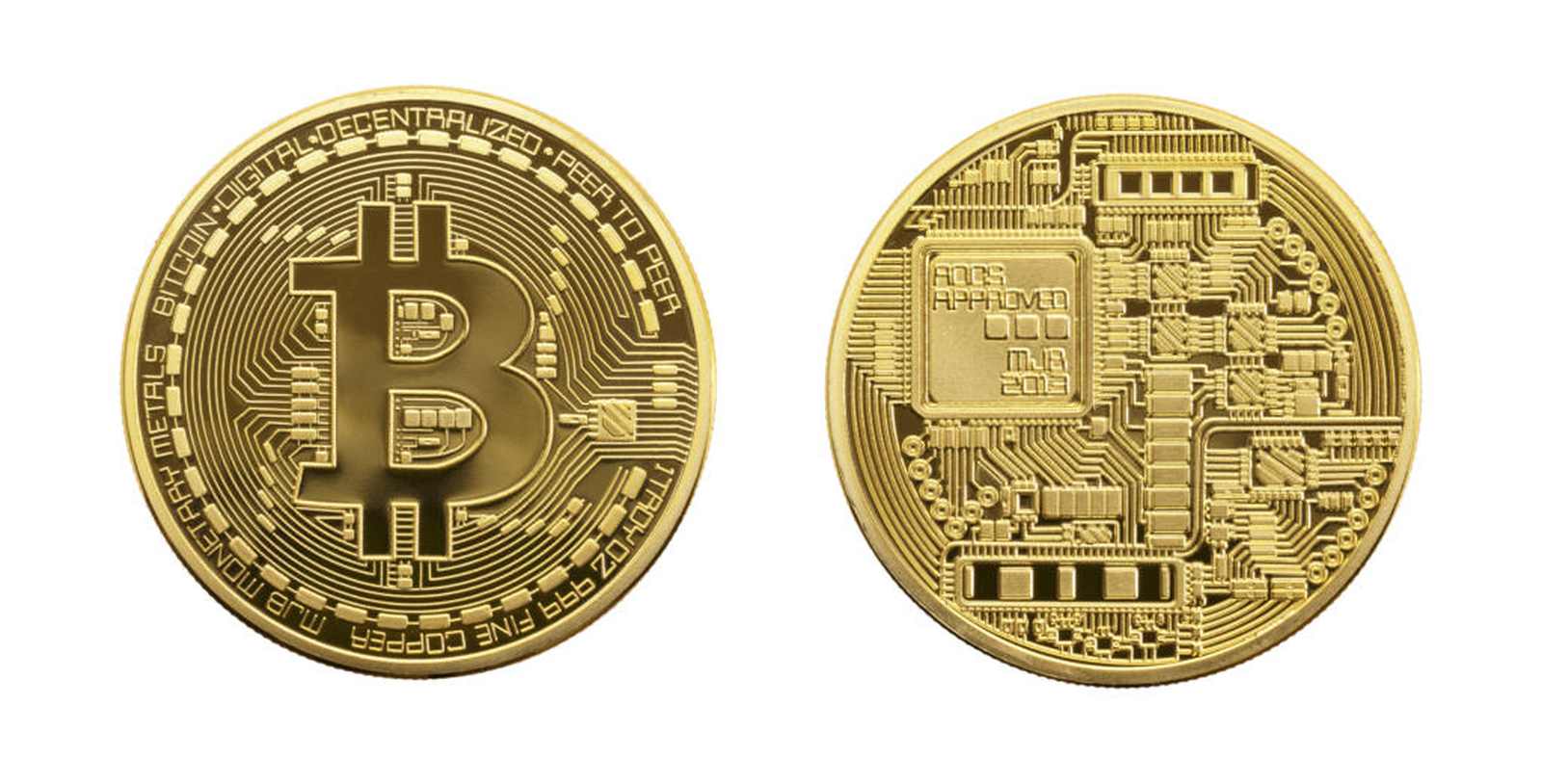
Looking ahead, Bitcoin’s long-term vision is to become a foundational layer of a new, digital-first global economy. Proponents envision BTC serving as a universal store of value, a censorship-resistant medium of exchange, and a settlement layer for various financial innovations. Its fixed supply, decentralized governance, and robust security make it a compelling candidate for a global reserve asset in the digital age. While challenges remain, including scalability and energy consumption, ongoing technological developments and increasing institutional interest suggest that BTC is poised to play an enduring and transformative role in shaping personal finance, investment strategies, and the very future of monetary systems worldwide. Its journey from an obscure internet experiment to a trillion-dollar asset class underscores its profound potential to reshape how we think about and interact with money.
aViewFromTheCave is a participant in the Amazon Services LLC Associates Program, an affiliate advertising program designed to provide a means for sites to earn advertising fees by advertising and linking to Amazon.com. Amazon, the Amazon logo, AmazonSupply, and the AmazonSupply logo are trademarks of Amazon.com, Inc. or its affiliates. As an Amazon Associate we earn affiliate commissions from qualifying purchases.