
In the dynamic and often enigmatic world of digital assets, few metrics command as much attention and provide as much insight as market capitalization. For Bitcoin, the progenitor of cryptocurrencies, understanding its market cap is not just an exercise in financial tabulation; it’s a fundamental key to grasping its scale, influence, and investment profile within the global economy. This figure represents the total dollar value of all Bitcoins currently in circulation, offering a snapshot of its economic footprint at any given moment. Far more than a simple number, Bitcoin’s market cap is a beacon for investors, a gauge for market analysts, and a critical data point for businesses contemplating its integration into their financial strategies. It contextualizes Bitcoin’s position relative to traditional assets and other cryptocurrencies, informing decisions from individual portfolio diversification to institutional treasury management. To truly comprehend Bitcoin’s significance, one must first delve into the intricacies of its market capitalization, dissecting its calculation, its drivers, and its implications for the future of finance.
Understanding Market Capitalization in the Crypto Sphere
Market capitalization is a foundational concept in finance, traditionally applied to publicly traded companies. However, its application to cryptocurrencies like Bitcoin carries unique nuances that are crucial for a thorough understanding.
Defining Market Cap: Beyond Equities
At its core, market capitalization (market cap) is the total dollar value of a company’s outstanding shares. For instance, if a company has 10 million shares trading at $50 each, its market cap is $500 million. This metric is widely used to determine a company’s size and, often, its perceived value and stability. Larger market caps typically indicate more established and less volatile companies, though this is not a universal rule.
When we translate this concept to Bitcoin, the principle remains similar but the underlying “assets” are digital coins rather than equity shares. Bitcoin’s market cap is calculated by multiplying the current price of a single Bitcoin by the total number of Bitcoins that have been mined and are currently in circulation. It represents the aggregate value of the Bitcoin network from a market perspective, offering a simple yet powerful way to compare Bitcoin against other cryptocurrencies and even traditional asset classes. Unlike a company’s market cap, which might reflect its revenue, profits, or assets, Bitcoin’s market cap primarily reflects the market’s collective valuation of its scarcity, utility, security, and potential as a decentralized digital currency and store of value.
How Bitcoin’s Market Cap is Calculated
The calculation for Bitcoin’s market cap is straightforward:
Bitcoin Market Cap = Current Price of 1 Bitcoin × Total Number of Bitcoins in Circulation
Let’s break down each component:
- Current Price of 1 Bitcoin: This is derived from the real-time trading price across various cryptocurrency exchanges. Due to the decentralized nature of crypto markets, prices can vary slightly between exchanges, but global averages are typically used for market cap calculations on major data aggregators.
- Total Number of Bitcoins in Circulation: This refers to the supply of Bitcoins that have been mined and released onto the network. This figure is publicly auditable on the Bitcoin blockchain. It steadily increases over time as new blocks are mined and new Bitcoins are issued as block rewards, until it reaches its predetermined maximum supply limit of 21 million Bitcoins. It’s important to note that this figure includes Bitcoins that may be lost or inaccessible (e.g., due to lost private keys), as there is no mechanism to remove them from the circulating supply count.
This simple formula yields a dynamic figure that fluctuates continuously with changes in Bitcoin’s price and, to a lesser extent, with the gradual increase in circulating supply. Watching this number provides an immediate sense of Bitcoin’s real-time valuation and its standing in the broader financial ecosystem.
Why Market Cap Matters for Cryptocurrencies
For cryptocurrencies, market capitalization serves several vital functions, making it a critical metric for investors, analysts, and the wider financial community:
- Indicator of Size and Dominance: A higher market cap suggests a larger, more established cryptocurrency. Bitcoin’s consistently high market cap reinforces its position as the dominant digital asset, often serving as a benchmark for the overall health of the crypto market.
- Proxy for Stability and Liquidity: Generally, cryptocurrencies with higher market caps tend to exhibit greater stability and liquidity compared to smaller, less mature projects. This means they can absorb larger buy and sell orders without drastic price movements, making them more attractive for institutional investors and large-scale transactions.
- Investment Decision-Making: Investors frequently use market cap to compare different cryptocurrencies. It helps them gauge potential upside (smaller caps might offer higher percentage gains but also higher risk) and downside risk. A large market cap often implies a certain level of investor confidence and network effect.
- Market Sentiment and Trends: Changes in Bitcoin’s market cap can reflect shifts in investor sentiment, macroeconomic conditions, and regulatory news. A rapidly rising market cap often signals strong bullish sentiment, while a sharp decline can indicate fear or uncertainty.
- Benchmarking and Portfolio Allocation: Financial advisors and fund managers use market cap to understand Bitcoin’s weight in a diversified portfolio. Its dominance can influence how other digital assets are perceived and valued.
Understanding Bitcoin’s market cap, therefore, transcends mere curiosity; it provides a crucial lens through which to analyze its financial health, market position, and potential future trajectory.
The Dynamics of Bitcoin’s Market Cap
Bitcoin’s market cap is not a static number; it’s a living entity, constantly reacting to a complex interplay of forces. Its fluctuations are a testament to the digital asset’s evolving nature and its increasingly intertwined relationship with global financial markets.
Factors Influencing Bitcoin’s Valuation
Several key factors contribute to the dynamic movements of Bitcoin’s market cap, often in concert with one another.
Supply and Demand Mechanics
At its most fundamental level, Bitcoin’s market cap is driven by the classic economic principles of supply and demand.
- Supply: Bitcoin has a fixed maximum supply of 21 million coins, a scarcity built into its protocol. This creates an inherent deflationary pressure, unlike fiat currencies which can be printed indefinitely. The rate at which new Bitcoins enter circulation (the “halving” events, which reduce the block reward by half approximately every four years) also significantly impacts supply dynamics, historically leading to price increases due to reduced new supply pressure.
- Demand: Demand for Bitcoin stems from various sources: individual investors seeking a store of value, institutional investors looking for portfolio diversification, companies adding BTC to their balance sheets, and users seeking a decentralized medium of exchange. Increased adoption for payments, remittances, or as a hedge against inflation directly boosts demand.
Macroeconomic Conditions and Geopolitical Events
Bitcoin’s narrative as “digital gold” has grown, making it increasingly sensitive to global macroeconomic shifts.
- Inflation Concerns: When traditional currencies experience inflation or economic instability, investors often seek alternative stores of value. Bitcoin, with its fixed supply, can become an attractive option, driving demand and price appreciation.
- Interest Rates and Monetary Policy: Changes in central bank interest rates or quantitative easing programs can influence investor appetite for risk assets like Bitcoin. Higher interest rates might make less risky traditional investments more appealing, potentially drawing capital away from crypto, while lower rates can spur investment in riskier assets.
- Geopolitical Instability: Conflicts, political unrest, or financial crises in specific regions can lead to a flight to safety or a search for censorship-resistant money, benefiting Bitcoin’s demand.
Technological Developments and Network Adoption
The underlying technology and the network’s utility play a crucial role in long-term valuation.
- Network Upgrades: Enhancements to Bitcoin’s protocol (e.g., Taproot, SegWit) that improve scalability, privacy, or efficiency can increase its utility and attractiveness.
- Layer-2 Solutions: Developments like the Lightning Network, which allows for faster and cheaper transactions off the main blockchain, expand Bitcoin’s practical usability, fostering broader adoption.
- Integration and Accessibility: The growth of user-friendly exchanges, custodial services, and financial products (like Bitcoin ETFs) makes Bitcoin more accessible to a wider audience, increasing demand.
Regulatory Landscape
Regulation, or the lack thereof, can have a profound impact on Bitcoin’s market cap.
- Clarity and Acceptance: Favorable or clear regulatory frameworks (e.g., legitimizing Bitcoin as a legal tender, approving investment vehicles) can boost institutional confidence and accelerate mainstream adoption.
- Restrictions and Bans: Conversely, crackdowns, outright bans, or excessively stringent regulations in major economies can create uncertainty, suppress demand, and lead to price declines.
- Taxation Policies: How governments tax Bitcoin transactions and holdings can also influence investor behavior.
Volatility and Growth Trends
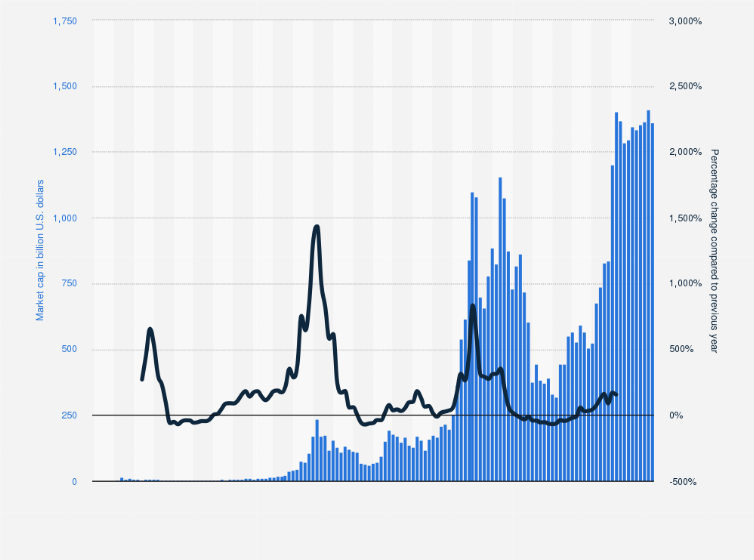
Bitcoin’s market cap is notorious for its volatility. While it has demonstrated an impressive long-term growth trend, its path has been characterized by sharp peaks and deep troughs. Periods of exponential growth, often termed “bull runs,” see its market cap soar, only to be followed by significant corrections or “bear markets.” This volatility is partly due to its relatively young age as an asset class, its decentralized and 24/7 global trading nature, and the speculative interest it often attracts. Despite the short-term fluctuations, the overall trend since its inception has been one of significant appreciation, reflecting increasing adoption, growing institutional interest, and its emergent role in the global financial system. The resilience shown after major corrections often signals underlying strength and belief in its long-term value proposition.
Bitcoin’s Market Cap in the Broader Financial Landscape
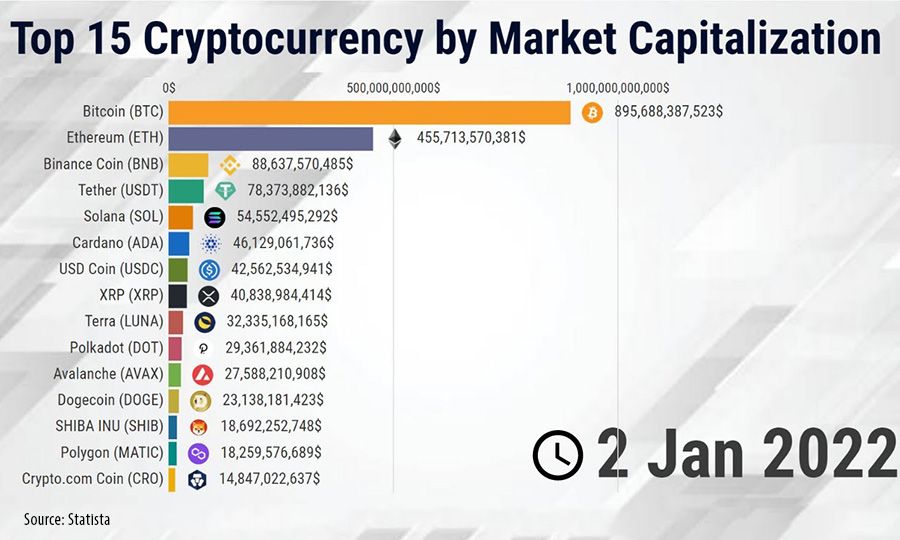
To fully appreciate the significance of Bitcoin’s market cap, it’s essential to position it within the context of the broader financial landscape. This involves comparing it with established asset classes and understanding its evolving role in diverse investment strategies.
Comparing Bitcoin to Traditional Assets
One of the most common ways to contextualize Bitcoin’s market cap is by comparing it to the market caps of traditional financial assets.
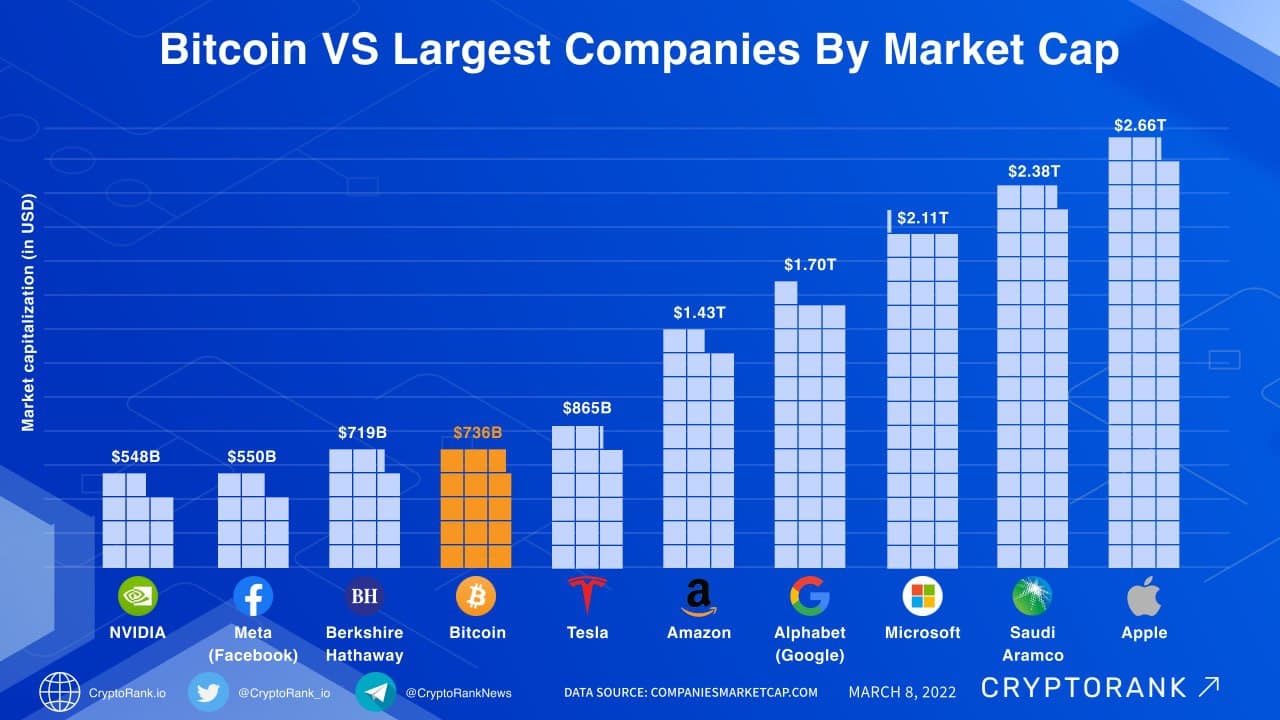
- Companies: At various points, Bitcoin’s market cap has surpassed that of major global corporations, including many in the Fortune 500. For instance, it has, at times, eclipsed the valuation of companies like Tesla, Facebook (Meta Platforms), and even entire national stock markets. This comparison highlights its significant size and influence as a single digital asset.
- Commodities: Bitcoin is often compared to gold, a traditional safe-haven asset. While gold’s total market value (estimated to be well over $10 trillion) remains significantly higher, Bitcoin’s market cap has grown to represent a meaningful fraction of it. This comparison underscores its burgeoning role as a digital commodity and a potential inflation hedge.
- Fiat Currencies: While not a direct comparison, Bitcoin’s total market value can also be viewed against the circulating supply of major fiat currencies or even the global money supply. This helps illustrate its potential to become a truly global, independent monetary system, albeit still nascent in comparison.
These comparisons are not merely academic; they serve to legitimize Bitcoin as a serious asset class, drawing the attention of institutional investors and large corporations who typically deal in assets of similar scale. The growth of its market cap signifies its transition from a niche technology experiment to a recognized, albeit volatile, financial instrument.
Bitcoin as a Store of Value and Inflation Hedge
A significant portion of Bitcoin’s market cap is driven by its narrative as a “store of value” and an “inflation hedge.”
- Store of Value: Similar to gold, Bitcoin’s fixed supply and perceived censorship resistance make it attractive as a long-term store of wealth, especially in an era where central banks are expanding monetary supplies. Its global accessibility and divisibility further enhance this utility.
- Inflation Hedge: In times of rising inflation, the purchasing power of fiat currencies erodes. Investors increasingly look to assets that can maintain or increase their value. Bitcoin, with its programmed scarcity, is often seen as a hedge against such monetary debasement. While its volatility can make this role debatable in the short term, its long-term performance suggests it has offered protection against inflation for many.
The conviction in Bitcoin’s ability to act as digital gold or a hedge against inflation significantly contributes to sustained demand, bolstering its market cap even amidst broader economic uncertainties.
The Role of Institutional Investment
The exponential growth of Bitcoin’s market cap in recent years can be largely attributed to the increasing participation of institutional investors.
- Hedge Funds and Asset Managers: Major hedge funds, family offices, and traditional asset management firms have begun allocating portions of their portfolios to Bitcoin, recognizing its unique risk-reward profile and diversification benefits.
- Corporate Treasuries: Publicly traded companies, such as MicroStrategy and Tesla, have added Bitcoin to their corporate balance sheets as a treasury reserve asset, signaling a profound shift in corporate finance strategy and a vote of confidence in its long-term value.
- ETFs and Investment Products: The approval and launch of Bitcoin Exchange-Traded Funds (ETFs) in various jurisdictions have provided traditional investors with an easier, regulated pathway to gain exposure to Bitcoin without directly holding the asset. These products significantly broaden the investor base, channeling substantial capital into the Bitcoin ecosystem and directly impacting its market cap.
Institutional involvement lends credibility and stability to Bitcoin, integrating it more deeply into the mainstream financial system and providing a strong foundational demand that helps sustain and grow its market capitalization. This influx of sophisticated capital underscores a growing acceptance of Bitcoin as a legitimate and strategically important asset.
Strategic Implications for Investors and Businesses
Bitcoin’s market cap is more than just a figure; it holds profound strategic implications for both individual investors crafting their portfolios and businesses making financial decisions. Understanding these implications is crucial for navigating the evolving landscape of digital finance.
Assessing Investment Potential and Risk
For investors, Bitcoin’s market cap provides critical context for evaluating its investment potential and inherent risks.
- Growth Potential: While a large market cap often suggests maturity, Bitcoin’s relatively young age compared to traditional assets implies significant room for further growth. As global adoption increases and its integration into financial systems deepens, its market cap could still expand considerably. Investors evaluate this potential against the backdrop of its historical growth, which has often dwarfed that of conventional assets.
- Volatility and Risk Management: Despite its growth, Bitcoin remains a highly volatile asset. Its market cap can swing dramatically, leading to substantial gains or losses. Investors must consider this volatility when allocating capital, employing strategies like dollar-cost averaging to mitigate risk, and ensuring their investment aligns with their risk tolerance and financial goals. The “risk-off” or “risk-on” sentiment in broader markets often dictates short-term movements, emphasizing the need for a long-term perspective.
- Liquidity: A substantial market cap often correlates with high liquidity. This means that large buy or sell orders can be executed without significantly impacting the price, making it easier for investors to enter or exit positions. For large-scale investors, this liquidity is a paramount consideration, as illiquid assets can be difficult to trade without incurring substantial costs.
Portfolio Diversification with Bitcoin
Bitcoin has emerged as an attractive asset for portfolio diversification, a strategy aimed at reducing overall risk by investing in a variety of assets that perform differently under various market conditions.
- Low Correlation with Traditional Assets: Historically, Bitcoin has shown a relatively low correlation with traditional asset classes like stocks, bonds, and even commodities like gold, at least over certain periods. This means that when traditional markets falter, Bitcoin might perform differently, potentially offering a hedge against downturns in other parts of a portfolio. While correlations can fluctuate, its unique drivers and decentralized nature often contribute to this uncorrelation.
- Alpha Generation: For many investors, Bitcoin offers the potential for significant “alpha,” or returns generated in excess of a benchmark. Its rapid growth phases have delivered returns far exceeding those of traditional markets, attracting investors seeking to boost overall portfolio performance.
- Modern Portfolio Theory: Within the framework of Modern Portfolio Theory, adding a small allocation of a high-growth, uncorrelated asset like Bitcoin can potentially improve a portfolio’s risk-adjusted returns, providing more upside potential without proportionally increasing risk. Financial advisors are increasingly exploring appropriate Bitcoin allocations for clients with varying risk profiles.
Business Adoption and Treasury Management
Beyond individual investors, businesses are also keenly observing Bitcoin’s market cap as they consider its role in corporate finance.
- Treasury Reserve Asset: Companies like MicroStrategy have pioneered the strategy of holding Bitcoin as a primary treasury reserve asset. Their rationale often includes hedging against inflation, protecting purchasing power, and recognizing Bitcoin as a superior store of value compared to cash. A robust and growing market cap provides confidence in Bitcoin’s long-term viability for such strategies.
- Balance Sheet Enhancement: For some businesses, holding Bitcoin can be seen as an innovative move that aligns with future financial trends, potentially enhancing shareholder value if Bitcoin appreciates. The transparency of Bitcoin’s market cap allows for continuous re-evaluation of this strategy.
- Facilitating Transactions: While less directly tied to market cap, the increasing value and stability implied by a large market cap can also make Bitcoin more attractive for business-to-business transactions, cross-border payments, and as a medium of exchange for goods and services. Its growing acceptance helps legitimize its use in commercial operations.
For businesses, strategic engagement with Bitcoin, whether through treasury allocation or transactional use, is increasingly becoming a topic of discussion in boardrooms, driven by the compelling narrative of its market cap growth and evolving financial role.
The Future Outlook for Bitcoin’s Market Cap
Predicting the future of any financial asset is inherently challenging, and Bitcoin, with its volatile nature and nascent asset class status, is no exception. However, by analyzing prevailing trends, expert opinions, and potential catalysts, we can form a more informed perspective on the potential trajectory of its market capitalization.
Predictive Models and Expert Consensus
Various models and expert analyses attempt to forecast Bitcoin’s future market cap, often employing different methodologies:
- Stock-to-Flow (S2F) Models: These models, which gain popularity during bull cycles, correlate Bitcoin’s scarcity (stock) with its annual production (flow) to project long-term price targets, which in turn dictate market cap. While controversial and facing scrutiny, they have historically shown some correlation with Bitcoin’s price movements and provide a framework for understanding its scarcity-driven value proposition.
- Network Effects Models: These models focus on the growth of the Bitcoin network – number of users, active addresses, transaction volume – arguing that as more people adopt Bitcoin, its value (and thus market cap) will increase exponentially due to network effects.
- Macroeconomic and Adoption Models: These analyses consider Bitcoin’s increasing integration into the global financial system, its growing acceptance as an institutional asset, and its potential as an inflation hedge. They often project Bitcoin’s market cap to grow as it captures a larger share of the global store of value market (e.g., competing with gold, real estate, or sovereign bonds).
- Expert Consensus: While individual predictions vary wildly, a general consensus among many financial analysts and crypto enthusiasts points towards continued long-term growth for Bitcoin’s market cap. This belief is underpinned by its finite supply, decentralization, growing utility, and increasing institutional adoption. However, experts also universally caution about the inherent volatility and the potential for significant drawdowns.
Long-Term Growth Trajectories and Potential Challenges
The long-term growth trajectory for Bitcoin’s market cap is generally viewed as upward, driven by several powerful forces, yet it also faces significant hurdles.
- Continued Institutional Inflow: The approval of spot Bitcoin ETFs in major markets has opened the floodgates for institutional capital. As more traditional financial products and services offering Bitcoin exposure emerge, the demand side will continue to strengthen, providing a robust foundation for market cap growth.
- Global Adoption and Utility: As Bitcoin’s infrastructure improves (e.g., Lightning Network for micro-payments), and as more countries and businesses integrate it into their economies, its utility will expand, driving organic demand. Its role in remittances and as a censorship-resistant currency in politically unstable regions further underscores its potential for global adoption.
- Store of Value Narrative Maturation: As global debt levels rise and inflationary pressures persist, Bitcoin’s narrative as a reliable store of value and an inflation hedge is expected to solidify, attracting capital from investors seeking alternatives to traditional safe-haven assets.
- Technological Advancements: Continuous improvements in Bitcoin’s protocol and ecosystem will enhance its security, scalability, and usability, making it more attractive for a wider range of applications and users.
However, the path to multi-trillion-dollar valuations is not without obstacles:
- Regulatory Uncertainty: While some regulatory clarity has emerged, inconsistent or overly restrictive regulations across different jurisdictions could stifle growth or create market fragmentation.
- Scalability Concerns: Despite ongoing developments, the Bitcoin blockchain’s transaction throughput remains limited compared to traditional payment systems. While Layer 2 solutions address this, widespread adoption for daily transactions still presents a challenge.
- Competition: The cryptocurrency landscape is dynamic, with thousands of altcoins vying for market share. While Bitcoin holds its dominant position, innovation in other networks could pose competitive threats.
- Security Risks: While Bitcoin’s network has proven incredibly resilient, potential vulnerabilities in associated infrastructure (exchanges, wallets) or future quantum computing threats remain areas of concern that could impact investor confidence.
- Environmental Impact: The energy consumption associated with Bitcoin mining is a persistent concern that could lead to regulatory pressure or deter environmentally conscious investors, although the industry is actively pursuing renewable energy solutions.
In conclusion, while the precise future market cap of Bitcoin remains speculative, the confluence of technological innovation, increasing institutional adoption, and a compelling macroeconomic narrative suggests a strong potential for continued long-term growth. Its journey is inextricably linked to its market cap, which will continue to serve as the most visible and widely referenced measure of its evolving financial significance in the 21st century.
aViewFromTheCave is a participant in the Amazon Services LLC Associates Program, an affiliate advertising program designed to provide a means for sites to earn advertising fees by advertising and linking to Amazon.com. Amazon, the Amazon logo, AmazonSupply, and the AmazonSupply logo are trademarks of Amazon.com, Inc. or its affiliates. As an Amazon Associate we earn affiliate commissions from qualifying purchases.