
The question “how much is the Bitcoin?” seems straightforward, yet its answer is anything but static. Bitcoin, the world’s first decentralized digital currency, defies traditional valuation models and is subject to a complex interplay of economic, technological, and psychological factors. Its price is a real-time reflection of global supply and demand, influenced by everything from macroeconomic policies to the latest social media trends. For investors and financial enthusiasts, understanding Bitcoin’s value extends far beyond a simple number; it involves grasping the intricate mechanisms that drive its market, the opportunities it presents, and the inherent risks that accompany its volatility.
Understanding Bitcoin’s Price Dynamics
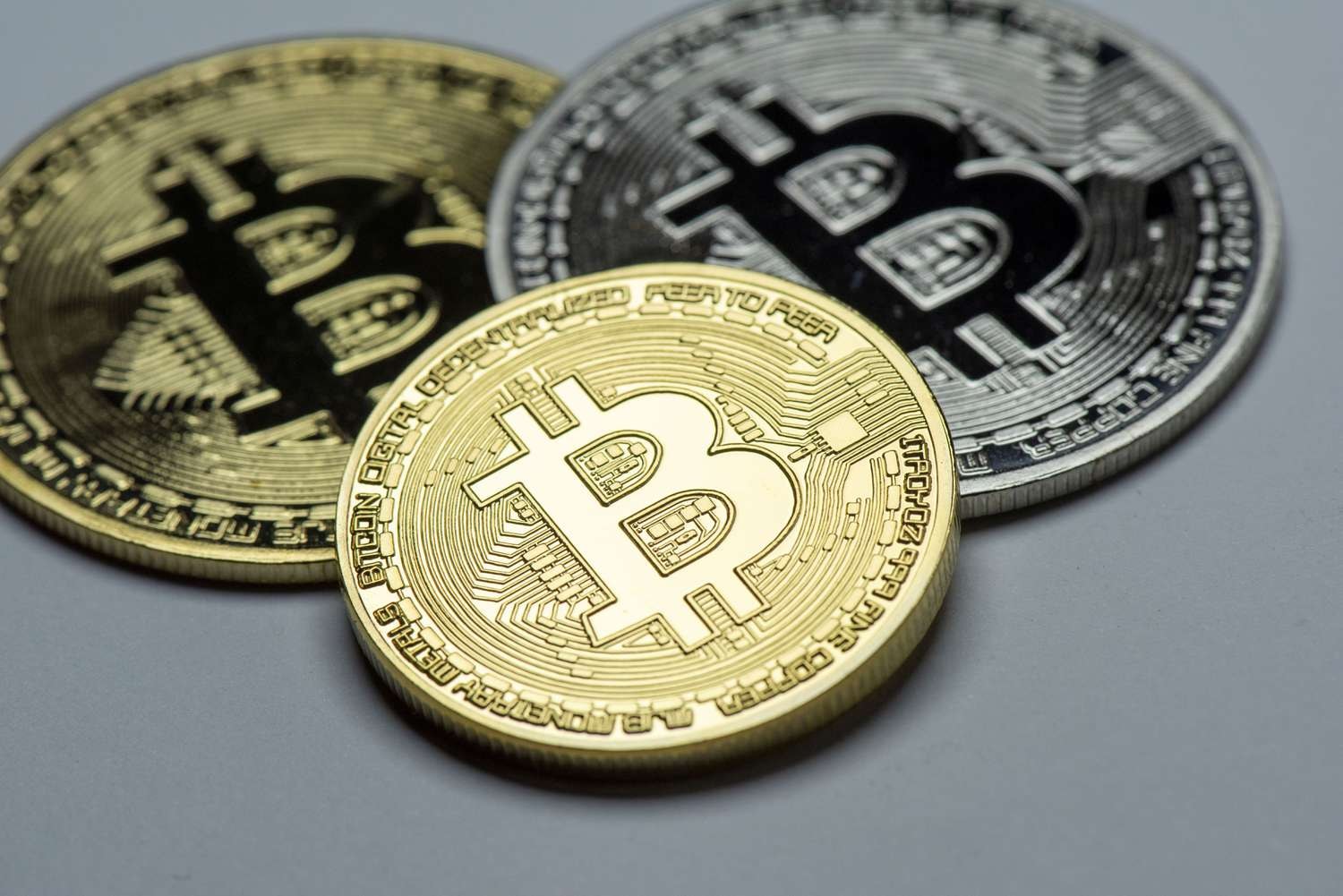
Bitcoin’s price is determined by the last trade executed on any given exchange, making it a highly liquid and constantly fluctuating asset. Unlike traditional stocks, which represent a share in a company’s future earnings, Bitcoin’s value is derived from its scarcity, utility, and the collective belief in its decentralized network.
The Concept of Market Capitalization
While a single Bitcoin’s price is often quoted, its true financial footprint is better represented by its market capitalization. This is calculated by multiplying the current price of one Bitcoin by the total number of Bitcoins in circulation. Market capitalization provides a holistic view of the asset’s size and relative dominance within the broader cryptocurrency market. A higher market cap generally indicates greater stability and investor confidence, though it doesn’t immune Bitcoin from significant price swings. As of early 2024, Bitcoin consistently ranks as the largest cryptocurrency by market cap, often surpassing major traditional companies in total valuation. This scale makes it a significant, albeit volatile, player in the global financial arena.
Supply, Demand, and Scarcity
At its core, Bitcoin’s price adheres to fundamental economic principles of supply and demand. However, Bitcoin introduces unique twists to these principles. Its supply is algorithmically capped at 21 million coins, a hard limit programmed into its protocol. This finite supply is a stark contrast to fiat currencies, which can be printed by central banks at will, making Bitcoin inherently deflationary over the long term. Demand, conversely, is driven by a myriad of factors, including its utility as a peer-to-peer electronic cash system, a store of value (“digital gold”), and a speculative investment asset. As adoption grows—both among individual users and institutional investors—demand increases, putting upward pressure on its price. The fixed supply schedule, particularly the “halving” events where the reward for mining new blocks is cut by half approximately every four years, further tightens supply, historically leading to significant price appreciation in the subsequent months.
Bitcoin’s Volatility: A Double-Edged Sword
One of Bitcoin’s most defining characteristics is its extreme price volatility. Daily fluctuations of 5-10% are not uncommon, and even larger swings can occur in response to major news or market events. This volatility is a double-edged sword: it presents significant opportunities for traders and investors seeking high returns, but it also carries substantial risk of rapid capital loss. Factors contributing to this volatility include its relatively small market size compared to traditional asset classes, speculative trading, the influence of large holders (“whales”), and the nascent stage of the cryptocurrency market itself. Understanding and preparing for this volatility is paramount for anyone considering an investment in Bitcoin.
Factors Influencing Bitcoin’s Valuation
The price of Bitcoin is not arbitrary; it’s a complex mosaic of various interconnected factors. From global economic shifts to technological advancements, each plays a role in sculpting Bitcoin’s market value.
Macroeconomic Environment and Geopolitical Events
Bitcoin emerged in the aftermath of the 2008 financial crisis, conceived as an alternative to traditional financial systems. Consequently, its price is often influenced by global macroeconomic trends. During periods of high inflation or economic uncertainty, some investors view Bitcoin as a hedge against currency debasement or a safe haven asset, similar to gold. For instance, quantitative easing policies or rising national debts in major economies can drive demand for Bitcoin as an uncorrelated asset. Conversely, a strong global economy and stable traditional markets might reduce its appeal as a hedge. Geopolitical tensions, conflicts, or significant political events can also trigger shifts in investor sentiment towards Bitcoin, sometimes enhancing its appeal as a neutral, borderless store of value, and at other times leading to a risk-off sentiment.
Regulatory Landscape and Institutional Adoption
The regulatory environment is a critical determinant of Bitcoin’s future price trajectory. Clear and favorable regulations can legitimize Bitcoin as an asset class, fostering greater institutional adoption and attracting a wider pool of investors. Conversely, stringent bans or restrictive policies in major economies can trigger sell-offs and suppress demand. The approval of Bitcoin spot ETFs (Exchange Traded Funds) in various jurisdictions, for example, has been a monumental step towards mainstream acceptance, making Bitcoin more accessible to traditional investors and retirement funds. This increased access inherently drives demand. As more financial institutions, corporations, and even sovereign nations integrate Bitcoin into their balance sheets or offer crypto-related services, its perceived value and stability tend to increase, underpinning its long-term valuation.
Technological Developments and Network Health
While the article focuses on money, it’s impossible to discuss Bitcoin’s value without acknowledging its technological underpinnings. The health and ongoing development of the Bitcoin network itself are indirect but powerful drivers of its value. Improvements in scalability (e.g., the Lightning Network), security enhancements, and the overall robustness of the blockchain directly contribute to its utility and trustworthiness. A secure, efficient, and reliable network encourages greater adoption and use, which in turn strengthens its value proposition as a medium of exchange and a store of value. Any perceived vulnerabilities or significant technical challenges could undermine confidence and negatively impact its price, though Bitcoin has proven remarkably resilient over its history.
Media Narratives and Public Sentiment
In the age of information, media coverage and public sentiment play an outsized role in Bitcoin’s price movements. Positive news, such as endorsements from prominent figures, successful large-scale transactions, or optimistic price predictions, can generate FOMO (Fear Of Missing Out) and drive speculative buying. Conversely, negative headlines concerning regulatory crackdowns, security breaches on exchanges, or environmental concerns related to mining can trigger panic selling. Social media platforms, in particular, can amplify these narratives, creating rapid shifts in sentiment that contribute to Bitcoin’s characteristic volatility. This psychological component makes Bitcoin’s market somewhat unique, requiring investors to filter noise and focus on fundamental developments.
Investing in Bitcoin: Opportunities and Risks
For many, the question “how much is the Bitcoin?” quickly leads to “should I invest in Bitcoin?” Like any investment, Bitcoin offers both compelling opportunities and significant risks that must be carefully considered.
The Opportunity of Asymmetric Returns
Bitcoin’s history has shown periods of exponential growth, delivering returns far exceeding traditional asset classes. This potential for “asymmetric returns”—where a relatively small investment can yield disproportionately large gains—is a primary draw for investors. Early adopters who bought Bitcoin when it was worth mere dollars have seen their investments multiply thousands of times over. This potential for significant upside is rooted in Bitcoin’s limited supply, growing adoption, and its nascent stage as a global asset. For those seeking to diversify their portfolios beyond traditional stocks and bonds, Bitcoin can offer exposure to a new, digitally native asset class with different risk-return characteristics.
Navigating the Risks: Volatility, Security, and Regulation
However, the allure of high returns comes hand-in-hand with substantial risks. Bitcoin’s volatility means that significant capital losses can occur just as rapidly as gains. Investors must be prepared for drawdowns of 50% or more, which have been a recurring feature of Bitcoin’s market cycles. Beyond price fluctuations, security risks are paramount. Self-custody of Bitcoin requires robust security practices to protect private keys from theft or loss. Relying on third-party exchanges introduces counterparty risk, as these platforms can be vulnerable to hacks or regulatory actions. Furthermore, the evolving regulatory landscape poses ongoing uncertainty; future legislative changes could impact Bitcoin’s legality, accessibility, or tax treatment, potentially affecting its value and usability. A thorough understanding of these risks and a strong risk management strategy are essential for any Bitcoin investor.
Portfolio Diversification and Long-Term Perspective
Despite its risks, many financial advisors now consider a small allocation to Bitcoin as a legitimate strategy for portfolio diversification. Its low correlation with traditional assets like stocks and bonds can, in theory, help reduce overall portfolio risk and enhance returns over the long term. However, successful Bitcoin investing often requires a long-term perspective. Attempting to time the market is notoriously difficult, even for seasoned professionals. A “hodling” (holding on for dear life) strategy, where investors buy and hold Bitcoin for several years through market cycles, has historically proven effective for many. This approach mitigates the impact of short-term volatility and allows investors to benefit from Bitcoin’s potential long-term appreciation as it matures as an asset class.
Tracking Bitcoin’s Value: Tools and Methods
For anyone interested in Bitcoin, staying abreast of its current value and market trends is crucial. A variety of tools and methods exist to help individuals monitor, analyze, and understand Bitcoin’s price.
Real-time Exchanges and Price Aggregators
The most direct way to ascertain “how much is the Bitcoin” at any given moment is through cryptocurrency exchanges and price aggregation websites. Exchanges like Coinbase, Binance, Kraken, and FTX (when operational) provide live trading data, showing the current buy and sell prices. Price aggregators such as CoinMarketCap, CoinGecko, and TradingView compile data from multiple exchanges, offering an average global price, historical charts, market capitalization, trading volume, and other key metrics. These platforms are indispensable for obtaining real-time information and conducting basic market analysis. Many also offer mobile apps, allowing investors to track their holdings and market movements on the go.
Fundamental vs. Technical Analysis
Investors and traders employ various analytical frameworks to forecast Bitcoin’s price. Fundamental analysis involves evaluating the intrinsic value of Bitcoin by assessing factors like network hash rate, transaction volume, active addresses, development activity, macroeconomic conditions, regulatory news, and global adoption rates. This approach seeks to determine whether Bitcoin is undervalued or overvalued based on its underlying utility and growth prospects. Technical analysis, on the other hand, focuses purely on price charts and trading volumes to identify patterns, trends, and potential future price movements. It utilizes indicators like moving averages, Relative Strength Index (RSI), MACD (Moving Average Convergence Divergence), and support/resistance levels. While neither method guarantees accuracy, combining insights from both can provide a more comprehensive understanding of Bitcoin’s potential price trajectory.
The Future of Bitcoin’s Price
Predicting Bitcoin’s future price is inherently speculative, yet understanding the forces that will shape it is vital for long-term financial planning.
Maturation and Continued Adoption
As Bitcoin continues to mature, it is likely to experience periods of both significant growth and consolidation. Its journey from a niche digital experiment to a globally recognized asset class is still unfolding. Increased mainstream adoption by individuals, businesses, and governments will be a primary driver of its future value. As more use cases emerge—from remittances and international payments to decentralized finance (DeFi) applications built on or interacting with Bitcoin—its utility and demand will expand. This broader integration into the global financial system could lead to more stable, albeit still volatile, price movements over time.

Global Economic Integration and Competition
Bitcoin’s role in the global economy is constantly evolving. As central banks explore digital currencies (CBDCs) and traditional financial institutions further embrace crypto assets, Bitcoin will operate within a more integrated, yet competitive, landscape. While CBDCs might offer some of the efficiencies of digital money, they typically lack Bitcoin’s decentralization and finite supply, strengthening Bitcoin’s unique value proposition as a hedge against centralized control and inflation. However, competition from other cryptocurrencies and evolving financial technologies will also influence Bitcoin’s market share and price. Its resilience and first-mover advantage, combined with its strong network effects, position it well to maintain its dominance, but innovation elsewhere demands attention.
Ultimately, “how much is the Bitcoin” is a question with a dynamic answer, rooted in its economic principles, technological innovation, market sentiment, and its ever-expanding role in the global financial ecosystem. For investors, it represents a compelling, yet challenging, asset class that demands diligent research, a strategic approach, and a clear understanding of both its immense potential and its significant risks.
aViewFromTheCave is a participant in the Amazon Services LLC Associates Program, an affiliate advertising program designed to provide a means for sites to earn advertising fees by advertising and linking to Amazon.com. Amazon, the Amazon logo, AmazonSupply, and the AmazonSupply logo are trademarks of Amazon.com, Inc. or its affiliates. As an Amazon Associate we earn affiliate commissions from qualifying purchases.