
The question “how much is a Bitcoin worth?” is deceptively simple, yet its answer is anything but static. Unlike a fixed commodity price or the stable valuation of a mature company stock, Bitcoin’s worth is a dynamic, ever-fluctuating figure, a testament to its nature as a relatively nascent and decentralized digital asset. To truly understand its value, one must delve into the intricate interplay of market forces, technological underpinnings, and global economic sentiment that continuously reshapes its price. This article will explore the multifaceted nature of Bitcoin’s valuation, guiding investors and curious minds through the complexities of its worth from a purely financial perspective.

Understanding Bitcoin’s Dynamic Valuation
At its core, Bitcoin’s value, like that of any asset, is determined by supply and demand. However, the factors influencing these forces in the cryptocurrency market are unique and often more volatile than traditional financial markets.
The Core Principle: Supply and Demand
Bitcoin operates on a predetermined, finite supply schedule. There will only ever be 21 million Bitcoins mined, a scarcity programmed into its very protocol. This fixed maximum supply, combined with the rate at which new Bitcoins are introduced into circulation (which halves approximately every four years), creates an inherent scarcity. On the demand side, a multitude of factors, from retail investor interest and institutional adoption to its perceived utility as a store of value or a medium of exchange, constantly shifts the needle. When demand outstrips supply, the price tends to rise; conversely, an increase in selling pressure relative to buying interest pushes the price down.
A Constantly Fluctuating Asset
One of Bitcoin’s defining characteristics is its extreme price volatility. Its value can swing dramatically within hours, days, or weeks, often moving several percentage points in either direction. This rapid fluctuation is influenced by a cocktail of news events, market sentiment, technological developments, and macroeconomic shifts. For instance, a major country’s stance on crypto regulation, a prominent CEO’s tweet, or even a global economic downturn can send ripples throughout the market, causing significant price movements. This constant state of flux means that Bitcoin’s “worth” at any given moment is merely a snapshot, subject to immediate change.
Beyond a Single Price Point: Exchanges and Averages
It’s also important to understand that there isn’t one universal, definitive “price” of Bitcoin at any given second. Bitcoin is traded on hundreds of exchanges worldwide, and while arbitrage opportunities generally keep prices closely aligned, slight discrepancies can exist. When people refer to “the price of Bitcoin,” they are usually referring to an aggregate average from major exchanges or the price quoted on a specific, dominant exchange. Financial data providers and cryptocurrency aggregators calculate a composite price to provide a more representative figure.
Key Factors Influencing Bitcoin’s Price
Bitcoin’s valuation is a complex equation with numerous variables. Understanding these key drivers is crucial for anyone looking to comprehend its market behavior.
Market Sentiment and Investor Psychology
Perhaps the most potent short-term driver of Bitcoin’s price is market sentiment. The crypto market is famously susceptible to “fear of missing out” (FOMO) during bull runs and “fear, uncertainty, and doubt” (FUD) during downturns. News, social media trends, and even influential personalities can rapidly shift investor psychology, leading to buying frenzies or panic selling. The sentiment can be cyclical, with periods of extreme optimism followed by corrective phases. Institutional adoption, such as investment by major corporations or the launch of Bitcoin ETFs, also significantly impacts sentiment, often signaling broader acceptance and driving up demand.
Scarcity and Halving Events
Bitcoin’s pre-programmed scarcity is a fundamental aspect of its value proposition. Every approximately four years, the reward for mining new blocks (and thus the rate at which new Bitcoins enter circulation) is halved. These “halving events” reduce the supply pressure, and historically, they have preceded significant bull markets. The anticipation of reduced supply often leads to increased demand and price appreciation, as investors factor in the heightened scarcity. This makes Bitcoin a deflationary asset by design, contrasting with fiat currencies which are subject to inflationary pressures from central bank policies.
Regulatory Developments and Government Stance
The evolving regulatory landscape is a critical factor. Positive regulatory clarity, such as the approval of Bitcoin spot ETFs or friendly legal frameworks in major economies, can legitimize Bitcoin as an asset class, attract institutional money, and bolster investor confidence. Conversely, restrictive regulations, bans, or hostile government actions in key markets can trigger sell-offs and depress prices. Governments grapple with how to classify, tax, and oversee digital assets, and their decisions have profound financial implications for Bitcoin’s worth.
Technological Advancements and Network Adoption
The underlying technology and the health of the Bitcoin network also contribute to its perceived value. Enhancements like the Lightning Network, which improves transaction speed and reduces fees, increase Bitcoin’s utility as a medium of exchange. The number of active wallets, transaction volume, and the overall security and robustness of the network (measured by hash rate) are indicators of its fundamental strength and adoption. Greater utility and a more robust network can enhance Bitcoin’s long-term value proposition.
Macroeconomic Factors and Global Events
Bitcoin is increasingly being viewed through the lens of global macroeconomics. In times of high inflation or economic uncertainty in traditional markets, some investors turn to Bitcoin as a potential “digital gold” or an inflation hedge, similar to how they might invest in actual gold. Geopolitical instability, currency devaluations, and broad economic trends can all influence Bitcoin’s price as investors seek alternative stores of value or perceive opportunities in riskier assets. Its inverse correlation with the US dollar or traditional equities at times, and positive correlation at others, highlights its complex relationship with the broader financial world.
Navigating Bitcoin’s Volatility: Risks and Opportunities
Bitcoin’s inherent volatility presents both significant risks and substantial opportunities for investors. Understanding this dual nature is paramount for financial decision-making.
The Rollercoaster Ride: High Volatility
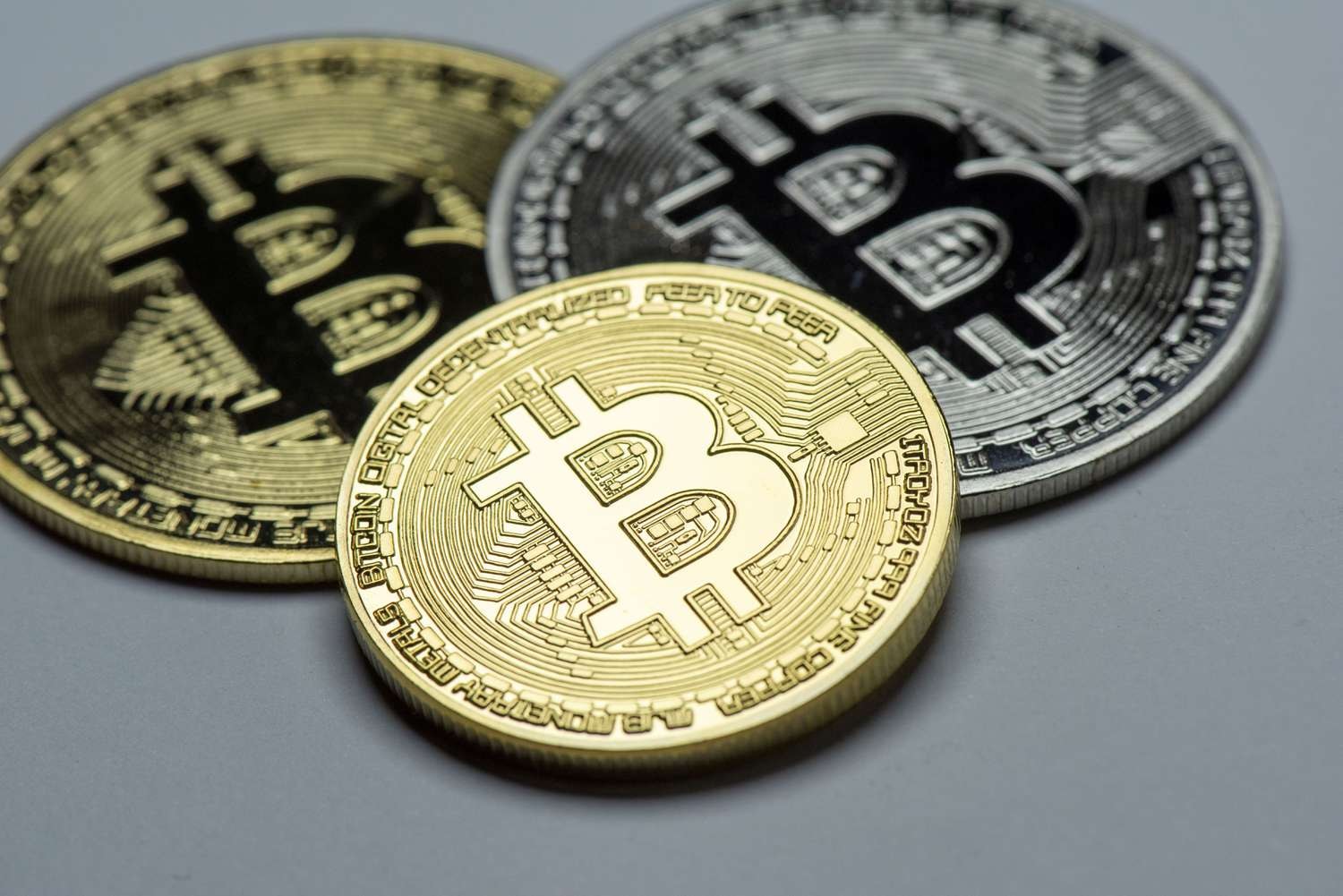
For those accustomed to the relatively sedate movements of traditional stocks or bonds, Bitcoin’s price swings can be jarring. Double-digit percentage changes in a single day are not uncommon, and bear markets can see prices plummet by 70-80% from their peaks. This extreme volatility means that investors must have a high tolerance for risk and be prepared for potential significant losses if they need to sell during a downturn. It also makes short-term speculative trading incredibly challenging and often ill-advised for novices.
Potential for Significant Returns
Despite the risks, Bitcoin has historically offered some of the highest returns of any asset class over various timeframes since its inception. Early investors who held through multiple market cycles have seen their investments multiply exponentially. The potential for substantial gains is what continues to draw both retail and institutional capital into the market. This opportunity for outsized returns stems from its disruptive technology, increasing adoption, and limited supply, which many believe positions it for continued long-term growth.
The Risks of Speculation
While the allure of quick profits is strong, Bitcoin is a speculative asset. Its price is not backed by physical assets, government guarantees, or predictable corporate earnings in the traditional sense. Its value is largely derived from collective belief, network effect, and the expectation of future utility. This speculative nature means that a significant portion of its price can be driven by hype rather than fundamental intrinsic value, leading to bubbles and subsequent crashes. Investors should only allocate capital they are prepared to lose, as there is no guarantee of future appreciation.
Long-Term vs. Short-Term Perspectives
Financial advisors often emphasize the importance of adopting a long-term perspective when investing in volatile assets like Bitcoin. “Hodling” (a deliberate misspelling of “holding”), which involves buying Bitcoin and holding it for years, regardless of short-term price fluctuations, has been a successful strategy for many. This approach attempts to ride out the market cycles and capitalize on Bitcoin’s perceived long-term growth trajectory as a global, decentralized store of value. Short-term trading, conversely, requires extensive market knowledge, technical analysis skills, and robust risk management strategies.
How to Determine Bitcoin’s Current Value
For those interested in Bitcoin’s real-time worth, several reliable resources provide up-to-the-minute pricing.
Reliable Cryptocurrency Exchanges
The most direct way to find Bitcoin’s current value is through reputable cryptocurrency exchanges such as Coinbase, Binance, Kraken, or Gemini. These platforms display live trading prices, often with order books showing current buy and sell orders. It’s crucial to use exchanges that are well-regulated and have a strong security track record. The price you see on an exchange reflects the last traded price on that specific platform.
Financial News Outlets and Data Aggregators
Major financial news outlets (e.g., Bloomberg, Reuters, Wall Street Journal) and specialized crypto data aggregators (e.g., CoinMarketCap, CoinGecko, CryptoCompare) provide comprehensive real-time and historical price data for Bitcoin. These platforms often present an average price across multiple exchanges, along with other critical metrics like market capitalization, 24-hour trading volume, and circulating supply. They are excellent tools for tracking price trends and market health.
Understanding Market Cap and Trading Volume
Beyond the absolute price per Bitcoin, two other financial metrics are essential for understanding its current standing:
- Market Capitalization: This is calculated by multiplying the current price of one Bitcoin by the total number of Bitcoins in circulation. It represents the total dollar value of all existing Bitcoins and is a key indicator of its overall size and dominance in the crypto market.
- 24-Hour Trading Volume: This metric indicates the total value of Bitcoin traded over the past 24 hours. High trading volume often signifies strong liquidity and active market interest, while low volume can sometimes precede significant price movements due to a lack of depth.
Is Bitcoin a Good Investment? A Financial Perspective
The question of whether Bitcoin is a “good investment” is subjective and depends entirely on an individual’s financial goals, risk tolerance, and investment horizon. From a professional financial standpoint, several considerations come into play.
Diversification and Portfolio Allocation
Financial experts often advise against putting all your eggs in one basket. Bitcoin, despite its potential, should typically be considered part of a diversified investment portfolio. A small allocation (e.g., 1-5% of a total portfolio) to highly volatile assets like Bitcoin is sometimes recommended for investors with a high risk tolerance, aiming for potentially higher returns without jeopardizing their entire financial future. The idea is to balance the high-risk, high-reward potential of Bitcoin with more stable, traditional assets.
The Importance of Research (DYOR)
Before investing in Bitcoin, comprehensive due diligence is paramount. This includes understanding the technology, its market dynamics, historical performance, and the regulatory environment. Relying on social media hype or anecdotal evidence is a recipe for potential financial distress. Investors should actively seek out reliable financial analysis, whitepapers, and expert opinions, while critically evaluating sources. “Do Your Own Research” (DYOR) is a common mantra in the crypto space for good reason.
Seeking Professional Financial Advice
Given the complexity and volatility of the cryptocurrency market, consulting with a qualified financial advisor is often a prudent step. A financial professional can help assess your individual financial situation, risk tolerance, and investment goals to determine if Bitcoin fits into your overall strategy. They can also provide guidance on portfolio allocation, tax implications, and risk management specific to digital assets.

The Future Outlook: Digital Gold or Speculative Bubble?
The long-term outlook for Bitcoin remains a subject of intense debate among economists and investors. Proponents envision it as “digital gold,” a scarce, censorship-resistant store of value that will increasingly replace traditional safe-haven assets and revolutionize the financial system. They point to its fixed supply, decentralization, and growing institutional acceptance as drivers for future appreciation. Critics, however, view it as a speculative bubble, an asset with no inherent value, prone to collapse once the hype subsides. They highlight its extreme volatility, regulatory uncertainty, and potential for technological disruption by newer cryptocurrencies. Ultimately, the future worth of Bitcoin will depend on its continued adoption, technological evolution, and its ability to weather regulatory scrutiny and economic cycles.
In conclusion, Bitcoin’s worth is a multifaceted concept, driven by a complex interplay of market mechanics, human psychology, technological advancements, and global economic forces. While its value can be highly volatile, its potential for disruptive innovation and significant returns continues to captivate investors worldwide. Understanding these dynamics is the first step toward navigating the intriguing world of decentralized finance and making informed financial decisions regarding this revolutionary digital asset.
aViewFromTheCave is a participant in the Amazon Services LLC Associates Program, an affiliate advertising program designed to provide a means for sites to earn advertising fees by advertising and linking to Amazon.com. Amazon, the Amazon logo, AmazonSupply, and the AmazonSupply logo are trademarks of Amazon.com, Inc. or its affiliates. As an Amazon Associate we earn affiliate commissions from qualifying purchases.