
In an era saturated with digital content and an ever-expanding universe of platforms, the seemingly simple question, “what channel can I watch?”, has transformed into a complex inquiry demanding nuanced understanding. No longer limited to flipping through a finite list of linear broadcast channels, today’s viewer navigates a sprawling ecosystem of streaming services, on-demand libraries, live TV platforms, and traditional broadcasting methods, all delivered across a multitude of smart devices. This article delves into the technological backbone that facilitates our content consumption, offering insights into the current landscape, the tools at our disposal, and the trends shaping the future of how we access and experience media. Understanding this tech-driven evolution is key to unlocking the full potential of your viewing experience, moving beyond mere channel surfing to intelligent content discovery and personalized entertainment.
The Evolving Landscape of Content Consumption
The journey from a few terrestrial TV channels to thousands of digital streams represents one of the most significant technological shifts in modern entertainment. For decades, the answer to “what channel can I watch?” was dictated by your cable provider or the strength of your antenna signal. Today, it’s determined by your internet speed, your chosen streaming subscriptions, the apps installed on your smart devices, and the very architecture of content distribution. This evolution isn’t just about more options; it’s about a fundamental change in how content is produced, distributed, and consumed, deeply intertwined with advancements in digital technology.
From Linear Broadcast to On-Demand Streaming
The traditional linear broadcast model, where content is scheduled and viewers tune in at a specific time, is rapidly ceding ground to an on-demand paradigm. This shift is primarily driven by technological advancements like high-speed internet and sophisticated content delivery networks (CDNs). Viewers now expect to watch what they want, when they want it, across any device. This “Netflix effect” has reshaped industry giants and spawned new ones, all leveraging cloud infrastructure, robust server farms, and efficient video compression algorithms to deliver seamless viewing experiences. The underlying tech makes it possible to stream 4K HDR content without buffering, personalize recommendations based on viewing history, and pause a movie on your living room TV only to resume it on your smartphone during your commute. This fundamental change from scheduled programming to instant access is a testament to the power of distributed computing and user-centric software design.
The Proliferation of Devices and Platforms
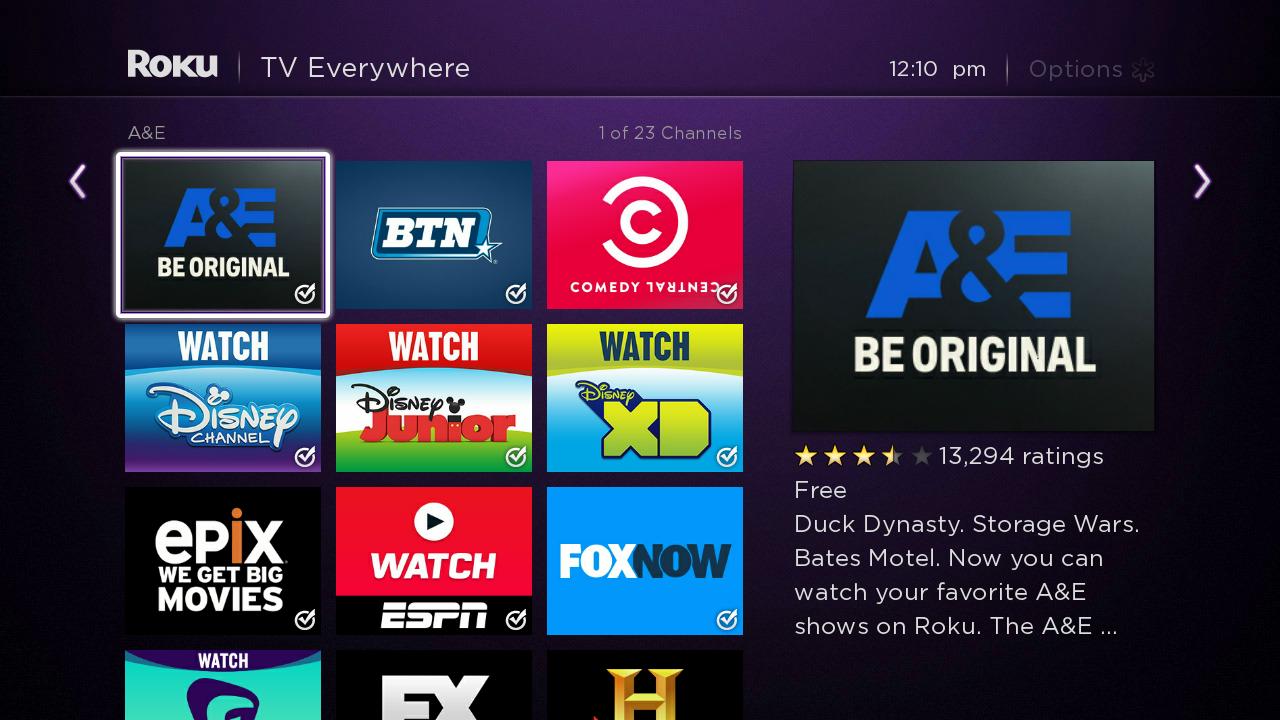
The modern viewing experience is no longer confined to a television set. Smartphones, tablets, laptops, gaming consoles, smart speakers with screens, and dedicated streaming devices like Roku, Apple TV, and Amazon Fire TV sticks have democratized content access. Each device brings its own operating system, app ecosystem, and technical specifications, adding layers of complexity and opportunity. Smart TVs, for instance, are essentially computers built into displays, running operating systems like Android TV, webOS, or Tizen, which host a myriad of apps. This technological diversity means content providers must develop applications compatible across various platforms, often utilizing cross-platform development frameworks and extensive API integrations. The challenge for viewers is not just finding content but also ensuring compatibility and optimizing the viewing experience across their personal tech ecosystem, which demands an understanding of device capabilities and connectivity options.
The Challenge of Content Discovery
With an overwhelming number of choices, the initial question “what channel can I watch?” quickly morphs into “how do I find something worth watching?”. This is where sophisticated algorithms, powered by machine learning and artificial intelligence, come into play. Streaming platforms invest heavily in recommendation engines that analyze viewing habits, preferences, and even emotional responses to suggest new content. Universal search features, increasingly common on smart TV interfaces and streaming devices, attempt to aggregate content from disparate apps, allowing users to search for a title or actor and see where it’s available. This tech aims to cut through the digital clutter, acting as a personal content curator. However, the sheer volume still poses a significant challenge, often leading to “streaming fatigue” as users scroll endlessly through options, highlighting the ongoing need for more intuitive and technologically advanced discovery tools.
Navigating the Streaming Ecosystem
The term “channel” has evolved dramatically from its broadcast origins. In the digital age, a “channel” can be an entire streaming service, a specific content hub within an app, or even a personalized feed. Navigating this new definition requires understanding the distinct categories of streaming services, each with its own business model and technological infrastructure designed to deliver specific types of content.
Subscription Video On Demand (SVOD) Giants
The landscape is dominated by Subscription Video On Demand (SVOD) services, which offer extensive libraries of films, TV shows, and original programming for a recurring fee. Tech giants like Netflix, Max (formerly HBO Max), Disney+, Hulu, Apple TV+, and Prime Video (Amazon) lead this space. Their technological prowess is evident in their global content delivery networks, robust user profiles, multi-device syncing capabilities, and advanced personalization algorithms. They utilize adaptive bitrate streaming to adjust video quality based on internet speed, ensuring a smooth experience. Their apps are designed with sophisticated user interfaces, often employing A/B testing and user analytics to optimize navigation and engagement. The sheer scale of their operations demands cutting-edge server architecture, cybersecurity measures to protect user data, and continuous software development to maintain competitive edge and introduce new features like spatial audio or interactive storytelling.
Ad-Supported Video On Demand (AVOD) and Free Streaming
Alongside the paid models, a burgeoning segment of Ad-Supported Video On Demand (AVOD) and entirely free streaming services provides an alternative. Platforms like Tubi, Pluto TV, The Roku Channel, and Freevee offer thousands of hours of content without a subscription, monetizing through commercials. The technology behind these services is complex, involving dynamic ad insertion (DAI) systems that tailor advertisements to individual viewers based on demographics, viewing habits, and location, often in real-time. This requires sophisticated ad servers, audience segmentation tools, and seamless integration with content playback. While free, the trade-off is often more advertisements and sometimes a slightly older content library. However, the tech involved in making these services financially viable and user-friendly, despite the ad interruptions, showcases innovative approaches to digital advertising and content delivery. These platforms are often early adopters of new ad formats and tracking technologies.
Live TV Streaming Services
For those who crave the traditional linear TV experience without the hefty cable bill, live TV streaming services bridge the gap. YouTube TV, Sling TV, Hulu + Live TV, and fuboTV offer bundles of popular broadcast and cable channels streamed over the internet. The technical challenges here are substantial, including managing simultaneous high-volume streams, ensuring low latency for live events (especially sports), and replicating traditional TV features like DVR (Digital Video Recorder) functionality in a cloud-based environment. Cloud DVRs require massive storage capabilities and sophisticated indexing systems to allow viewers to record shows and watch them later, often across multiple devices. The underlying technology must handle real-time broadcast ingestion, transcoding for various devices, and robust error correction to maintain stream quality during peak events, all while navigating complex licensing agreements.
Niche Streaming Platforms and Specialty Content
Beyond the mainstream giants, a vibrant ecosystem of niche streaming platforms caters to specific interests. Services like Shudder (horror), Crunchyroll (anime), Mubi (arthouse cinema), and ESPN+ (sports) demonstrate the power of targeted content. These platforms often leverage more agile development methodologies and focus on highly optimized user experiences for their specific audiences. Their technological innovations might include unique community features, curated content discovery tailored to genre, or specialized video formats. For example, a music streaming platform might prioritize high-fidelity audio codecs, while a fitness app might integrate with wearable tech. These smaller players often differentiate themselves through superior user experience within their niche, driven by a deep understanding of their audience’s technological and content preferences.
Beyond Streaming: Traditional and Hybrid Options
While streaming dominates the current discourse, traditional broadcasting methods remain relevant for many, and hybrid approaches are increasingly common. Understanding these options, and the technology that powers them, provides a comprehensive answer to “what channel can I watch?”.
The Enduring Role of Cable and Satellite
Despite the “cord-cutting” trend, cable and satellite TV services continue to serve millions globally. These systems rely on established infrastructure: vast networks of fiber optic and coaxial cables for cable, and geostationary satellites for satellite TV. The technology involves complex signal modulation, decryption (via set-top boxes and smart cards), and a dedicated bandwidth allocation that often makes them immune to internet congestion issues. Advanced set-top boxes often incorporate DVR functionality, on-demand libraries (distinct from streaming services), and even some integrated streaming apps, attempting to offer a hybrid experience. While perhaps not as nimble as pure streaming, their reliability, comprehensive channel lineups, and often superior picture quality for live broadcasts (due to dedicated pipelines) remain appealing to a significant user base, particularly in areas with less robust internet infrastructure.
Over-the-Air (OTA) Broadcasts: A Free Alternative
Often overlooked in the streaming discourse, Over-the-Air (OTA) broadcasts remain a completely free, technologically independent way to access local channels. Utilizing digital terrestrial television (DTT) standards like ATSC (in North America) or DVB-T (in Europe), these broadcasts deliver high-definition content directly to antennas. The technology relies on robust digital signals transmitted from local towers, decoded by a digital tuner (built into most modern TVs or available as an external box). The beauty of OTA is its simplicity and lack of ongoing costs. For many, it provides access to major network affiliates (ABC, CBS, NBC, FOX, PBS) in pristine quality, often surpassing the compressed versions found on some streaming services. Integrating an OTA antenna with a smart TV or a streaming device’s tuner can provide a powerful, cost-effective hybrid solution for local and national news, sports, and prime-time programming.
Hybrid Approaches and Aggregators
The fragmented nature of content has led to a demand for aggregation technologies. Smart TV operating systems (like Roku OS, Google TV, webOS, Tizen) act as central hubs, allowing users to install and manage apps from various streaming services, as well as integrate OTA or cable inputs. Dedicated streaming devices (Roku, Amazon Fire TV, Apple TV) also serve this purpose, providing a unified interface across disparate content sources. Their technology includes powerful processors, intuitive user interfaces, and universal search functions that aim to break down silos between apps. Some devices even offer “free” channels directly integrated into their interface (e.g., The Roku Channel, Pluto TV on Fire TV). These aggregators are crucial tech solutions for simplifying the user experience, allowing viewers to search for a specific show or movie and discover which “channel” (app or input) currently hosts it, effectively answering the core question across a diverse range of content sources.
Optimizing Your Viewing Experience: Tech Considerations
Simply knowing “what channel can I watch?” isn’t enough; maximizing the quality and convenience of your viewing experience requires an understanding of the underlying technology and how to optimize it. From the hardware you use to the network you connect to, every component plays a crucial role.
Hardware Essentials: Smart TVs, Streaming Sticks, Gaming Consoles
The device you watch on significantly impacts your experience. A Smart TV integrates internet connectivity and an operating system directly into the display, offering a seamless all-in-one solution. Key tech considerations include the panel type (OLED, QLED, LED), resolution (4K, 8K), HDR support (HDR10, Dolby Vision), and the power of its internal processor for smooth app performance. Streaming sticks and boxes (Roku, Amazon Fire TV, Apple TV, Google Chromecast) provide smart capabilities to any HDMI-equipped display, often at a lower cost. Their internal chipsets and software determine their speed, supported resolutions, and features. Gaming consoles (PlayStation, Xbox) are also powerful media centers, leveraging their robust processors and networking capabilities for high-quality streaming alongside gaming. The choice of hardware should align with your budget, desired picture quality, app ecosystem preference, and overall home entertainment setup, considering factors like remote control functionality and voice assistant integration.
Internet Bandwidth and Connectivity
The lifeline of modern content consumption is your internet connection. Sufficient bandwidth is critical for high-quality streaming. For 4K UHD content, services typically recommend 25 Mbps or more, while HD content requires around 5-10 Mbps. An unstable or insufficient connection leads to buffering, reduced picture quality, and frustration. Wi-Fi quality is equally important. A robust Wi-Fi 6 or Wi-Fi 6E router, strategic router placement, or even a mesh Wi-Fi system can ensure stable connectivity throughout your home. For critical viewing (e.g., live sports), an Ethernet connection directly to your streaming device or TV is often the most reliable option, minimizing latency and packet loss. Understanding your internet speed and optimizing your home network setup are foundational tech steps to ensure uninterrupted, high-fidelity viewing. Network diagnostic tools and speed tests are readily available to assess your current performance.
Content Aggregation and Universal Search Features
With content spread across dozens of apps, the tech for content aggregation and universal search becomes invaluable. Modern smart TVs and streaming devices increasingly offer centralized interfaces that allow you to search for a movie or show, and the system tells you which apps offer it (and often, if it’s included in your subscriptions or requires purchase). Google TV, for instance, focuses heavily on this, integrating content recommendations from various services directly onto its home screen. Apple TV’s “Up Next” queue and universal search across many apps simplify tracking what you’re watching. These features rely on sophisticated APIs that allow devices to query multiple content providers simultaneously, process the results, and present them in a coherent, user-friendly manner. Leveraging these built-in tech solutions can dramatically reduce the time spent “channel surfing” through apps and improve overall content discovery.
Data Privacy and Digital Security in Streaming
As our lives become more digital, data privacy and digital security in streaming become increasingly important. Streaming services collect vast amounts of data on viewing habits, demographics, and even geographical location to personalize recommendations and target advertising. Understanding the privacy policies of these services and configuring your account settings can help manage your digital footprint. Furthermore, ensuring your Wi-Fi network is secure (using strong passwords and WPA3 encryption) protects your streaming devices from unauthorized access. Be cautious of unofficial apps or illegal streaming sites, which can expose your devices to malware or phishing attempts. Using a Virtual Private Network (VPN) can sometimes offer an added layer of privacy by encrypting your internet traffic and masking your IP address, though its primary use for bypassing geo-restrictions often clashes with content licensing agreements and service terms of use. Protecting your personal information and ensuring a secure viewing environment is a critical, often overlooked, aspect of the tech-driven entertainment landscape.
Future Trends in Content Access
The relentless pace of technological innovation ensures that the answer to “what channel can I watch?” will continue to evolve. Several emerging trends are poised to reshape how we interact with media, further blurring the lines between traditional broadcasting and cutting-edge digital experiences.
The Rise of FAST Channels (Free Ad-Supported Streaming TV)
FAST channels represent a significant future trend, combining the best of linear TV with the accessibility of streaming. Services like Pluto TV, Tubi, and The Roku Channel are expanding rapidly, offering hundreds of “channels” curated around specific genres, themes, or even single shows, all for free with ad breaks. Technologically, FAST relies on sophisticated playout servers that dynamically assemble content playlists and insert ads in real-time, often personalized to the viewer. This model is appealing to both viewers (free content) and advertisers (highly targeted audience). The future will see more content owners launching their own FAST channels, leveraging existing IP to create always-on, curated experiences that feel like traditional TV but are delivered over the internet, further fragmenting the digital “channel” landscape in an accessible way.
Personalized Content Curation and AI
While current recommendation engines are effective, the next generation of content curation will be even more deeply integrated with Artificial Intelligence (AI) and machine learning. Beyond simple “watch next” suggestions, AI will power more dynamic and adaptive content feeds, predicting not just what you might like, but also when you might like it, and even tailoring the experience itself. Imagine AI-driven summarization tools that help you decide if a show is for you, or systems that adapt the content itself (e.g., choosing different endings, tailoring storylines) based on real-time viewer preferences. The technological leap here involves more sophisticated neural networks, deeper integration of sentiment analysis, and possibly even biofeedback to gauge viewer engagement, creating a truly bespoke viewing journey that goes far beyond traditional “channels.”
Interactive Experiences and the Metaverse
The burgeoning concept of the metaverse holds fascinating implications for content consumption. Instead of passively watching a “channel,” viewers might participate in immersive, interactive experiences. This could mean watching a live concert within a virtual world, attending a sports event from a personalized, avatar-driven perspective, or even stepping “into” a TV show with friends. The technology required for this includes high-fidelity virtual reality (VR) and augmented reality (AR) hardware, robust real-time rendering engines, and massive multiplayer online (MMO) infrastructure. As these technologies mature, the idea of a fixed “channel” might dissolve into fluid, shared digital spaces where entertainment is co-created and experienced collectively, pushing the boundaries of what it means to “watch.”
The Convergence of Gaming and Streaming
The lines between video gaming and streaming entertainment are increasingly blurring. Platforms like Twitch, YouTube Gaming, and even integrated services within gaming consoles allow users to stream live gameplay, watch esports, and engage with content creators. In the future, this convergence could lead to more interactive narratives within games that feel like TV shows, or streaming services offering playable elements directly within their apps. Cloud gaming services (e.g., Xbox Cloud Gaming, GeForce NOW) are already streaming entire interactive experiences over the internet. This technological fusion implies a future where “watching” might involve active participation, and the “channel” is not just a content feed but an interactive portal, driven by high-performance cloud infrastructure and real-time interactive media protocols.
In conclusion, the question “what channel can I watch?” is a gateway to understanding a vast and dynamic technological ecosystem. From the fundamental shift to on-demand content and the proliferation of smart devices to the sophisticated algorithms driving content discovery and the futuristic promise of the metaverse, technology is continuously redefining our relationship with entertainment. Staying informed about these advancements empowers viewers to navigate this rich landscape more effectively, optimize their viewing experiences, and anticipate the next wave of innovation in digital media.
aViewFromTheCave is a participant in the Amazon Services LLC Associates Program, an affiliate advertising program designed to provide a means for sites to earn advertising fees by advertising and linking to Amazon.com. Amazon, the Amazon logo, AmazonSupply, and the AmazonSupply logo are trademarks of Amazon.com, Inc. or its affiliates. As an Amazon Associate we earn affiliate commissions from qualifying purchases.