
In an increasingly digitized world, access to entertainment often comes with a price tag. Streaming services have become a staple in many households, replacing traditional cable for their flexibility and on-demand content. Among these, YouTube TV stands out as a comprehensive live TV streaming service, offering a wide array of channels, cloud DVR, and the convenience of a no-contract model. However, its premium features naturally come with a subscription fee, leading many financially astute consumers to ponder: “How can I get YouTube TV for free?”
This isn’t merely a question of digital access; it’s a fundamental query rooted in personal finance. The desire to save money, optimize budgets, and maximize value drives this search for cost-free alternatives. In the realm of personal finance, “free” is often a nuanced concept, rarely signifying an absolute absence of cost or exchange. Instead, it typically points to strategic approaches to minimize expenses, leverage promotions, or understand the true economic footprint of a service. This article will delve into the financial strategies and considerations involved in seeking “free” YouTube TV, examining legitimate avenues, financial implications, and the broader context of intelligent spending on entertainment.
Deconstructing “Free” in the Streaming Economy
The word “free” holds immense appeal, particularly when associated with premium services. However, a responsible personal finance approach necessitates a critical examination of what “free” truly entails in the context of the modern streaming economy. Rarely does it mean an outright gift with no strings attached, especially for a service as robust as YouTube TV.
The Illusion of Absolutely Free: Understanding Subscription Models
YouTube TV, like Netflix, Hulu Live, or Sling TV, operates on a subscription-based model. This means users pay a recurring fee (monthly or annually) to access the service’s full suite of features and content. This model is foundational to funding content licensing, technological infrastructure, customer support, and ongoing development. For a service provider, offering something truly “free” indefinitely would be economically unsustainable.
Therefore, when we talk about “free” YouTube TV from a personal finance standpoint, we are primarily exploring ways to:
- Temporarily access the service without direct payment (e.g., through trials or promotional periods).
- Offset the cost through bundles or partnerships that indirectly reduce the out-of-pocket expense.
- Legitimately share costs with others within the service’s terms of use.
- Evaluate alternatives that are genuinely free (often ad-supported or with limited features) and compare their value proposition.
Understanding this distinction is crucial for sound financial decision-making. Chasing an illusion of perpetual, unconditional free access can lead to wasted time, exposure to scams, or dissatisfaction when expectations are not met.
The Value Proposition of Premium Services Like YouTube TV
Before seeking to eliminate its cost, it’s insightful to assess the inherent value proposition of a service like YouTube TV. From a financial perspective, value isn’t just about the dollar amount saved; it’s about the utility and satisfaction derived from a product or service relative to its cost. YouTube TV offers:
- Extensive Live Channels: A wide range of national and local sports, news, and entertainment channels.
- Cloud DVR: Unlimited storage for recordings, allowing users to watch content on their schedule.
- Multiple Streams & Profiles: Ability for multiple users to stream simultaneously and maintain separate profiles.
- Device Compatibility: Access across various smart TVs, streaming devices, smartphones, and computers.
- No Contracts: Flexibility to cancel or pause subscriptions at any time without penalty.
For many households, the cost of YouTube TV might be lower than traditional cable packages while offering comparable or superior features. The financial decision, therefore, isn’t just about getting it “free,” but about whether the financial investment (its monthly fee) delivers adequate value for the household’s entertainment needs, budgeting constraints, and lifestyle. A robust personal finance strategy considers both cost and perceived benefit.
Legitimate Avenues to Minimize or Eliminate YouTube TV Costs
While truly indefinite “free” access to YouTube TV is generally not feasible through official channels, several legitimate strategies can significantly reduce or temporarily eliminate its direct cost, offering substantial financial savings.
Leveraging Free Trials and Promotional Offers
The most common and straightforward path to “free” YouTube TV, albeit temporary, is through free trials. YouTube TV typically offers a trial period, often ranging from 7 to 14 days, allowing new users to experience the full service without charge. From a personal finance perspective, free trials are invaluable for:
- Risk-Free Evaluation: Testing the service’s channel lineup, DVR functionality, user interface, and overall suitability for your household’s entertainment needs before committing financially.
- Strategic Staggering: If you’re considering multiple streaming services, staggering free trials can provide several weeks of diverse content without immediate cost.
- Short-Term Needs: For specific events or limited periods (e.g., a particular sports season kickoff, a short-term family gathering), a free trial might suffice, offering targeted financial relief.
Beyond standard free trials, keep an eye out for promotional offers. These can include:
- Extended Free Periods: Occasionally, YouTube TV partners with other companies or runs special promotions offering extended free periods (e.g., 30 days, 60 days) to new subscribers.
- Discounted Introductory Rates: While not “free,” these reduce the initial financial outlay, making the service more accessible. These often require a commitment for a few months but can yield significant savings over the promotional period.
- Referral Programs: Some services offer credits or free months if you refer new paying subscribers. This is a direct way to convert your social network into financial savings.
The key to maximizing these offers, from a personal finance standpoint, is meticulous timing and disciplined cancellation. Mark trial end dates in your calendar, and if you don’t intend to subscribe, cancel before the first billing cycle to avoid unwanted charges.
Bundle Deals and Carrier Partnerships
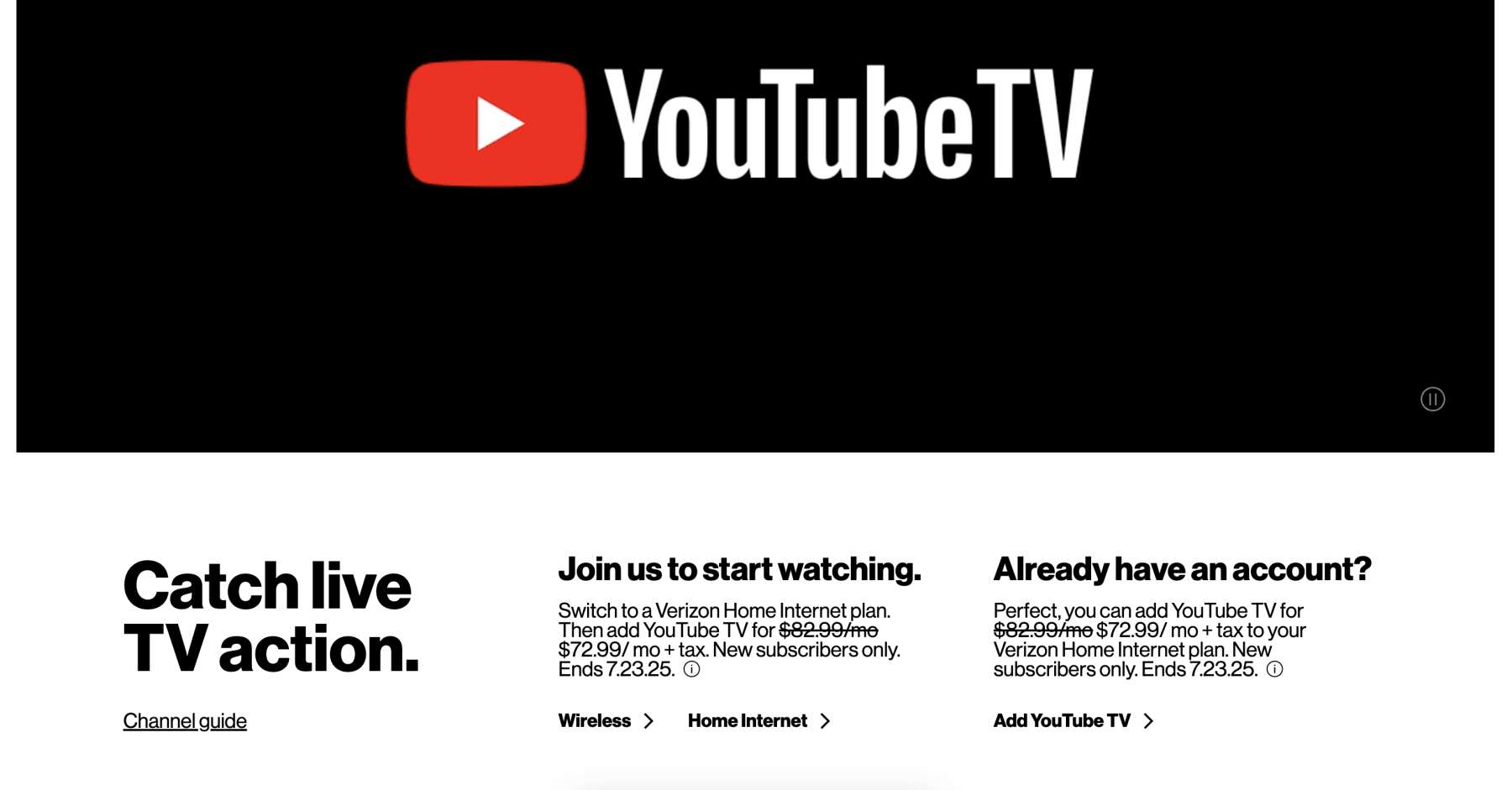
Another significant pathway to reducing or offsetting YouTube TV’s cost is through bundle deals and partnerships with other service providers. Telecommunications companies, internet service providers, and even mobile carriers often leverage popular streaming services as incentives for their own subscriptions.
- Internet Provider Bundles: Some internet providers offer discounts or even a few months of free YouTube TV when you sign up for their internet service, especially high-tier plans. This effectively rolls the entertainment cost into another essential household bill, potentially saving you money compared to subscribing separately.
- Mobile Carrier Perks: Several mobile carriers include streaming service subscriptions as perks for their unlimited data plans. While a premium plan might be more expensive upfront, if you already need such a plan, the inclusion of YouTube TV could represent substantial savings on your entertainment budget.
- Credit Card Rewards: Certain credit cards offer cash back or statement credits for specific categories, including streaming services. If YouTube TV falls into such a category for your card, you could effectively recoup a portion of your monthly cost, turning a direct expense into a partially reimbursed one.
When evaluating these bundles, always perform a comprehensive financial analysis. Calculate the total cost of the bundle versus the cost of each service purchased individually. Ensure that you genuinely need and will use all components of the bundle; otherwise, you might be overpaying for features you don’t utilize, diminishing the perceived “free” benefit.
The Art of Account Sharing (Within Terms of Service)
YouTube TV, like many streaming services, allows for multiple user profiles and simultaneous streams, designed for household use. While not making it “free” for any individual, legitimate account sharing within the bounds of YouTube TV’s terms of service can be a highly effective personal finance strategy to significantly reduce the per-person cost.
- Household Sharing: YouTube TV defines a “household” as a single dwelling. Sharing an account with family members residing in the same household (e.g., adult children, roommates) means the total monthly fee is split among multiple individuals. If three people share a single subscription, each pays only one-third of the total cost, making it substantially cheaper than individual subscriptions.
- Profile Management: Each user can have their own profile, maintaining separate watch histories, recommendations, and DVR recordings, enhancing the individual user experience despite shared payment.
It is crucial to adhere strictly to the terms of service. Attempting to share accounts with individuals outside your defined household can violate these terms, potentially leading to account suspension or termination. From a financial and ethical perspective, transparency and adherence to rules ensure sustainable access and avoid complications. This is a legitimate cost-sharing mechanism, not a loophole to be exploited.
Alternative, Ad-Supported “Free” Streaming Options
While not YouTube TV itself, a smart personal finance strategy involves evaluating genuinely free, ad-supported streaming services as potential alternatives or complements. If your primary goal is access to certain types of content (e.g., movies, older TV shows, specific news channels) without direct payment, numerous platforms offer this:
- Pluto TV, Tubi, Peacock (free tier), Roku Channel, Freevee (formerly IMDb TV): These services provide a vast library of movies, TV shows, and even live channels entirely for free, supported by advertising.
- Network-Specific Apps: Many broadcast networks (e.g., ABC, CBS, NBC) offer free access to some of their content (often with ads) on their dedicated apps, especially for recent episodes.
- Library Streaming Services: Public libraries often offer digital streaming services (like Kanopy or Hoopla) that are free with a library card, providing access to an impressive selection of films and documentaries.
From a financial perspective, these “free” options reduce the pressure to subscribe to premium services. By leveraging these, you might find that your core entertainment needs are met without any direct monthly outlay, allowing you to reallocate funds to other financial goals or simply save more. The financial decision then becomes: is the premium ad-free experience and live channel lineup of YouTube TV worth its cost, or can free alternatives sufficiently meet my needs?
Integrating YouTube TV into Your Personal Finance Strategy
For many, streaming services like YouTube TV are a significant component of their monthly entertainment budget. A holistic personal finance strategy doesn’t just seek to eliminate costs but intelligently integrates discretionary spending like entertainment into a broader financial framework.
Budgeting for Entertainment: A Holistic Approach
A critical step in financial management is creating and sticking to a budget. When considering YouTube TV, it’s not just an isolated expense but part of your overall entertainment spending.
- The 50/30/20 Rule: A common budgeting guideline suggests allocating 50% of your income to needs, 30% to wants, and 20% to savings and debt repayment. Streaming services fall squarely into the “wants” category. Ensure that adding or keeping YouTube TV fits comfortably within your 30% allocation without compromising your financial needs or savings goals.
- Entertainment Portfolio Review: Periodically review all your streaming subscriptions. Are you paying for Netflix, Hulu, Disney+, Spotify, and YouTube TV simultaneously? Many households oversubscribe, paying for multiple services they don’t fully utilize. Canceling underused subscriptions can free up funds to comfortably afford YouTube TV, or vice-versa, making the overall entertainment budget more efficient.
- Seasonality and Flexibility: Unlike traditional cable, YouTube TV allows pausing or canceling at any time. If you only watch certain sports seasons or specific shows, consider subscribing only for those periods and pausing/canceling during off-seasons or content droughts. This financial flexibility is a key advantage of streaming over traditional contracts.
By viewing YouTube TV within this larger financial context, you move beyond the singular quest for “free” and toward optimized, conscious spending that aligns with your financial priorities.
Evaluating ROI: Is YouTube TV Worth the Investment?
In personal finance, Return on Investment (ROI) isn’t just for stocks; it applies to every spending decision. For YouTube TV, the “return” is the entertainment, information, and convenience it provides.
- Usage Frequency: How often do you and your household members genuinely use the service? If it’s used daily for news, sports, and prime-time shows, the per-hour cost is low, representing good value. If it sits mostly unused, even a seemingly small monthly fee can be a poor investment.
- Content Match: Does YouTube TV offer the specific channels, sports leagues, or shows that are most important to you? If the critical content you desire is elsewhere, or only a small fraction of the available channels are watched, its value diminishes.
- Time vs. Money: For some, the convenience of a single app for live TV and DVR, eliminating the need to juggle multiple free apps, is worth the financial outlay. The “time saved” in content discovery and management can be a valuable return for busy individuals.
Conducting a personal ROI analysis helps you decide if the financial investment in YouTube TV genuinely enhances your life in proportion to its cost, or if those funds could be better allocated elsewhere.
The Opportunity Cost of “Free”: What Else Could Your Money Do?
Even when considering “free” options or significantly reduced costs, it’s vital to think about the opportunity cost. This fundamental economic principle highlights that choosing one alternative means foregoing another.
- Time Investment: If you spend excessive time hunting for convoluted “free” methods or navigating ad-heavy free services, what is the value of that time? Could that time be better spent earning income, pursuing education, or engaging in activities that bring greater joy or financial benefit?
- Data and Privacy: Some “free” online services might come at the cost of your personal data or exposure to intrusive advertising. From a personal finance perspective, safeguarding your digital identity and privacy has an implicit financial value, as breaches can lead to financial fraud or identity theft.
- Peace of Mind: Paying a reasonable fee for a legitimate service often comes with reliability, customer support, and a higher quality experience (e.g., ad-free viewing, better resolution). The peace of mind and convenience afforded by a paid, reliable service can be a valuable “return” that “free” alternatives might not offer.
Understanding opportunity cost encourages a more holistic view of financial decisions, recognizing that seemingly “free” choices can still have hidden costs or missed benefits elsewhere.
Safeguarding Your Finances: Avoiding Risky “Free” Schemes
The allure of “free” is powerful, but it also attracts malicious actors looking to exploit that desire. From a personal finance and digital security standpoint, it is imperative to exercise extreme caution and avoid any methods that promise truly “free” YouTube TV through unofficial or illicit means.
The Dangers of Illicit Streaming Services and Account Generators
A quick online search for “free YouTube TV” might unfortunately surface numerous websites or applications claiming to provide access through “account generators,” “cracked apps,” or “free premium keys.” These are almost universally fraudulent and dangerous.
- Malware and Viruses: These sites often hide malware, viruses, spyware, or ransomware within their downloads or links. Installing such software can compromise your computer or mobile device, leading to data theft, system damage, or even financial extortion.
- Phishing Scams: Many “free” offers are elaborate phishing attempts designed to trick you into revealing your YouTube or Google account credentials, credit card details, or other sensitive personal information. Once obtained, this information can be used for identity theft, unauthorized purchases, or compromising other linked accounts.
- Identity Theft Risk: Providing personal details to unverified “free” services puts you at severe risk of identity theft, which can have long-lasting and devastating financial consequences, from damaged credit scores to drained bank accounts.
From a personal finance perspective, the potential cost of engaging with these schemes far outweighs any temporary, illusory benefit of “free” access. The effort and financial burden of recovering from identity theft or a malware attack can be substantial.
Protecting Personal Information and Financial Security
Practicing good digital hygiene is an extension of sound personal finance.
- Strong, Unique Passwords: Always use strong, unique passwords for all your online accounts, especially financial ones and those linked to streaming services.
- Two-Factor Authentication (2FA): Enable 2FA wherever possible. This adds an extra layer of security, making it much harder for unauthorized users to access your accounts even if they have your password.
- Reputable Sources Only: Only download apps from official app stores (Google Play Store, Apple App Store) and subscribe to services directly through their official websites. Avoid third-party sites promising unrealistic deals.
- Be Skeptical of “Too Good to Be True” Offers: If an offer for YouTube TV sounds too good to be true, it almost certainly is. Legitimate offers will come from YouTube TV directly, reputable partners, or well-known carriers.
Your financial security is paramount. Never compromise it for the sake of a perceived “free” service.

The Ethical and Legal Implications of Circumventing Paywalls
Beyond the security risks, attempting to circumvent paywalls through illicit means carries ethical and legal implications. Content creators, broadcasters, and service providers rely on subscription revenue to fund their operations and create the content you enjoy. Engaging in piracy or using unauthorized methods:
- Harms the Industry: It undermines the financial model that supports the creation and distribution of entertainment and news.
- Legal Consequences: Depending on jurisdiction and the method used, engaging in piracy or unauthorized access to copyrighted content can carry legal penalties.
- Moral & Ethical Standing: From a personal finance perspective, responsible consumption also means respecting the intellectual property and business models of the services you wish to use.
In conclusion, while the quest for “free” YouTube TV is a financially driven aspiration, the journey must be grounded in responsible personal finance principles. True value lies not in avoiding all costs at any price, but in making informed decisions that balance entertainment needs with financial security, budgeting wisdom, and ethical consumption. By leveraging legitimate trials, strategic bundles, smart sharing, and evaluating genuinely free alternatives, consumers can significantly reduce their entertainment expenses without resorting to risky or illicit methods, thereby securing both their digital experience and their financial well-being.
aViewFromTheCave is a participant in the Amazon Services LLC Associates Program, an affiliate advertising program designed to provide a means for sites to earn advertising fees by advertising and linking to Amazon.com. Amazon, the Amazon logo, AmazonSupply, and the AmazonSupply logo are trademarks of Amazon.com, Inc. or its affiliates. As an Amazon Associate we earn affiliate commissions from qualifying purchases.