
New York City stands as a global beacon of commerce, culture, and relentless innovation. More than just a collection of towering skyscrapers and bustling streets, it is a living, breathing testament to the power of branding, marketing, and design. For professionals and enthusiasts keen to dissect the art and science behind compelling corporate identity and consumer engagement, NYC offers an unparalleled open-air classroom. Every corner, landmark, and district tells a story of strategic positioning, aesthetic mastery, and the enduring quest for distinctiveness. From the meticulously crafted retail experiences to the architectural marvels that embody an era, a visit to the Big Apple through the lens of branding provides profound insights into how legacies are built, reputations are forged, and ideas are communicated on a grand scale. This article guides you through essential destinations that exemplify the pinnacle of brand strategy, design innovation, and marketing prowess, inviting you to discover the city not just as a tourist, but as a student of its profound brand narrative.
The Epicenters of Iconic Brand Experience
New York City’s most frequented spots often serve as the most potent examples of experiential branding. These aren’t merely places; they are meticulously curated stages where brands perform, engage, and leave an indelible mark on their audience. Understanding the strategic intent behind their design and operation offers invaluable lessons in marketing and corporate identity.
Flagship Stores as Experiential Marketing Masterclasses
In an increasingly digital world, the physical flagship store might seem anachronistic, yet in New York City, it thrives as a sophisticated instrument of brand building. Brands like Apple, Nike, and Tiffany & Co. don’t just sell products here; they sell an immersive dream. The Apple Store on Fifth Avenue, with its iconic glass cube, transcends retail to become a shrine to minimalist design and technological aspiration. Its architecture, the intuitive layout, the knowledgeable staff, and the seamless customer service all harmonise to reinforce Apple’s brand values of simplicity, innovation, and premium experience. It’s a prime example of environmental branding where the physical space itself becomes a powerful brand asset.
Similarly, Nike House of Innovation 000 is not merely a shoe store but a dynamic, multi-sensory journey into the future of retail. Spanning several floors, it integrates personalized services, digital experiences, and interactive displays that allow customers to co-create, test, and engage with the brand’s athletic ethos. This isn’t about pushing products; it’s about forging a deeper connection with the Nike community, showcasing innovation, and embodying the brand’s spirit of performance and aspiration. These stores serve as physical manifestations of brand identity, translating abstract values into tangible, unforgettable interactions that extend far beyond a transaction.
Times Square: A Symphony of Corporate Identity and OOH Advertising
Times Square is arguably the most overwhelming and potent display of outdoor advertising and corporate identity anywhere in the world. Often described as “The Crossroads of the World,” it is a riot of light, sound, and relentless commercial messaging. For any student of branding, it’s a living laboratory of attention economics. Here, global brands compete fiercely for visual real estate, each billboard, LED screen, and animated display screaming for recognition. The sheer scale and density of advertising demonstrate extreme brand visibility strategies, where even partial blindness is a deliberate design choice aimed at overwhelming the senses.
Beyond the sheer volume, Times Square offers insights into the dynamic nature of corporate identity in a high-stakes environment. Brands must adapt their visual language to this hyper-saturated landscape, often simplifying logos and messages for maximum impact in fleeting glances. It’s a masterclass in instantaneous communication, demonstrating how brands distil their essence into impactful visuals and concise calls to action. The very energy of Times Square, a brand in itself, is intrinsically linked to the commercial giants that illuminate its nights, making it an essential visit for anyone studying the power and challenges of brand presence in an attention-scarce world.
The Metropolitan Museum of Art and Cultural Branding
Beyond commercial enterprises, cultural institutions in NYC also offer profound lessons in branding, albeit with different objectives. The Metropolitan Museum of Art (The Met) is a prime example of a non-profit organization that has masterfully branded itself as a global cultural icon. Its brand strategy revolves around heritage, universality, and accessibility to human creativity. The iconic façade, the grand interior spaces, the carefully curated exhibitions, and the meticulous visual identity—from its logo to its exhibition typography—all contribute to a consistent and powerful brand message.
The Met’s branding extends to how it communicates its mission, engages diverse audiences, and maintains relevance across centuries of art and contemporary culture. Its “Met Gala” is a masterstroke in event branding, elevating philanthropy and fashion into a global cultural phenomenon that reinforces the museum’s prestige and influence. Visiting The Met is not just about observing art; it’s about experiencing a cultural brand that leverages history, authority, and curation to establish an enduring legacy and foster profound connections with its global audience.
Architectural Marvels as Enduring Brand Statements
New York City’s skyline is a collection of architectural wonders, each telling a story not only of engineering prowess but also of deliberate brand building. These structures transcend their functional purpose to become symbols, imbued with meaning and recognized worldwide, embodying distinct corporate identities and urban branding.
The Empire State Building: A Timeless Landmark Brand
Few structures embody the spirit of New York quite like The Empire State Building. More than just a skyscraper, it is an enduring brand, a symbol of American ambition, resilience, and architectural innovation. Its Art Deco design, completed during the Great Depression, was a daring act of defiance and a testament to human ingenuity. The building’s sleek, stepped silhouette is instantly recognizable globally, serving as a powerful visual asset for NYC itself.
Its brand narrative has been further cemented through countless appearances in film, television, and literature, transforming it from a mere building into a character in the city’s ongoing story. Its nightly light shows, changing colours to mark special occasions, are a subtle yet effective form of dynamic branding, keeping the landmark relevant and engaging. Visiting the Empire State Building offers a direct encounter with a brand built on legacy, iconic design, and a narrative deeply interwoven with the city’s own identity. It’s a powerful case study in how a physical asset can be cultivated into a timeless, universally recognized brand.
The Guggenheim Museum: Where Art and Architecture Define Brand Identity
The Solomon R. Guggenheim Museum is a striking example of how architecture can be inextricably linked to a brand’s identity. Frank Lloyd Wright’s revolutionary spiral design is not just a container for art; it is art, and it fundamentally defines the Guggenheim experience. The building itself is as famous as the masterpieces it houses, creating a unique brand proposition that distinguishes it sharply from traditional museums.
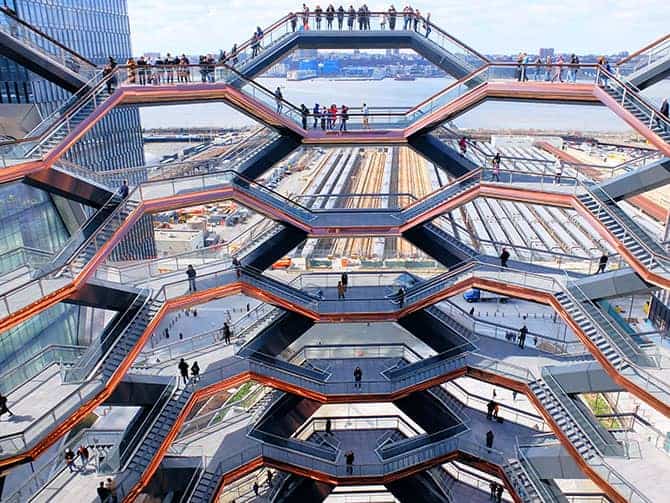
The brand message here is one of innovation, avant-garde vision, and a seamless fusion of form and function. The unique flow of the exhibition spaces, encouraging visitors to ascend via elevator and spiral downwards, creates a distinct journey that reinforces the museum’s experimental and forward-thinking brand ethos. For designers and marketers, the Guggenheim stands as a powerful illustration of how a bold and distinctive physical design can become the very core of a brand’s corporate identity, offering an experience that is both memorable and intrinsically linked to its architectural expression.
Grand Central Terminal: Branding Public Spaces for Enduring Legacy
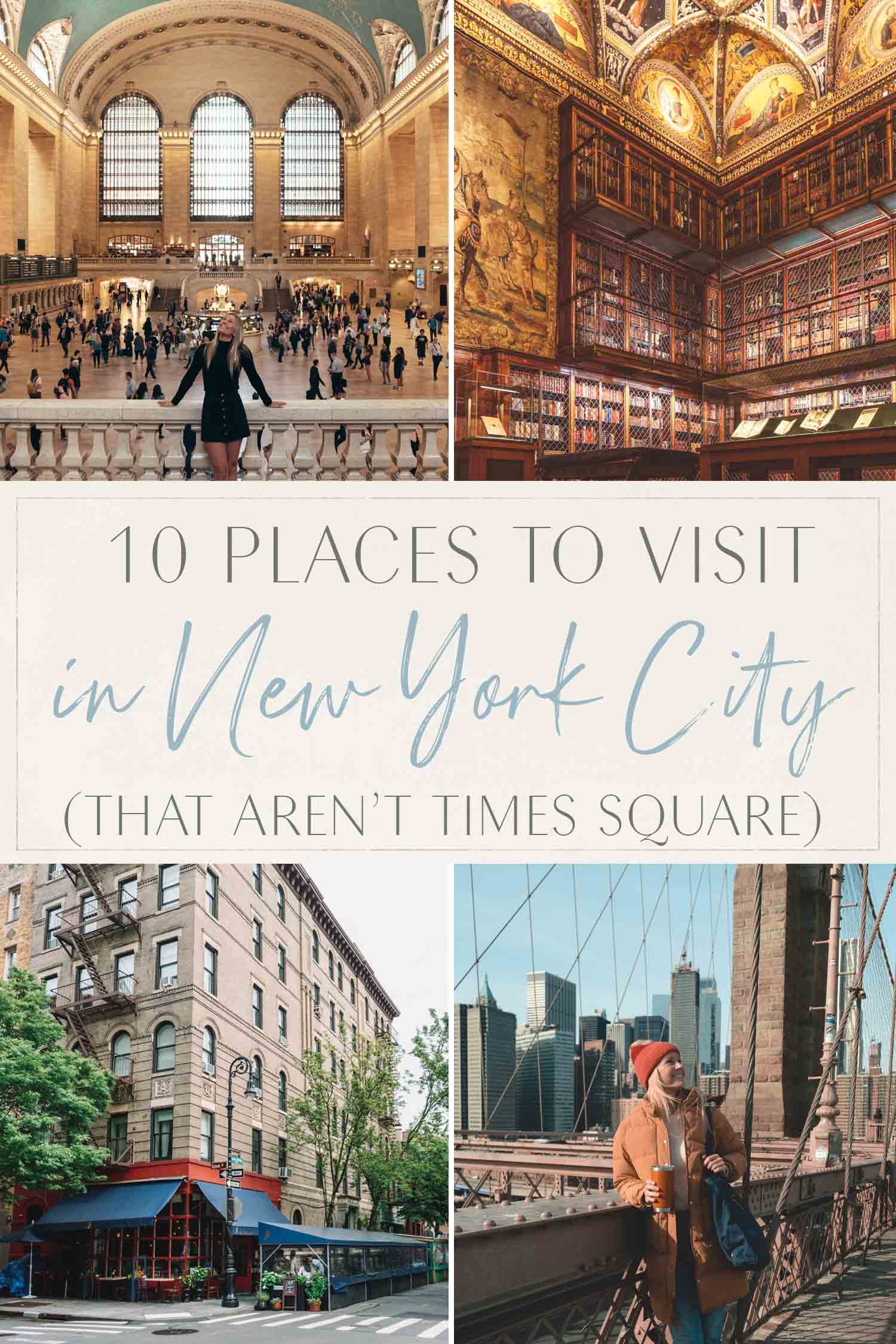
Grand Central Terminal is more than just a transportation hub; it is a civic monument and a masterclass in branding public space. Its majestic Beaux-Arts architecture, particularly the Main Concourse with its celestial ceiling and massive windows, evokes a sense of grandeur, history, and civic pride. The building’s meticulous preservation and restoration efforts over the decades speak volumes about the value placed on its legacy and aesthetic integrity.
The brand of Grand Central is built on timelessness, elegance, and connectivity. It represents a bygone era of glamorous travel while serving as a vital artery for modern commuters. Its design elements, from the iconic clock to the whispering gallery, contribute to a distinct and cherished visitor experience. The terminal successfully brandishes itself not just as a place to pass through, but as a destination in itself, hosting shops, restaurants, and events, thereby diversifying its brand offerings. Grand Central provides a compelling case study on how classic design, meticulous maintenance, and a compelling narrative can imbue a utilitarian space with profound brand resonance and an enduring legacy.
The Influence of Design and Advertising Agencies
New York City has historically been the epicenter of creative industries that shape global brands. Its streets have been home to the minds and firms responsible for some of the most iconic advertising campaigns and design innovations.
Madison Avenue: The Historic Heartbeat of Advertising
Madison Avenue needs little introduction to anyone familiar with the history of advertising. Its name became synonymous with the industry itself, a testament to its concentration of legendary advertising agencies during the “Golden Age.” While the landscape of advertising has evolved and agencies have diversified their locations, the legacy of Madison Avenue remains a powerful brand in itself, symbolizing creativity, strategy, and the relentless pursuit of consumer attention.
A walk down Madison Avenue, particularly between 42nd and 59th Streets, evokes echoes of Don Draper and the revolutionary campaigns that shaped consumer culture. Although many of the original titans have moved or merged, the street continues to host prominent firms and luxury boutiques, maintaining its aura of sophistication and influence. It serves as a historical case study in the evolution of marketing, from traditional print and broadcast to the digital age, reminding us of the foundational principles of brand storytelling and persuasion that originated here. For marketers and strategists, visiting Madison Avenue is a pilgrimage to the roots of modern advertising and a reflection on its enduring impact.
SoHo and the Evolution of Creative Districts
The neighborhood of SoHo (South of Houston Street) represents a different, yet equally vital, aspect of New York’s creative branding landscape. Once an industrial area characterized by its cast-iron architecture, SoHo transformed into a vibrant hub for artists, designers, and boutiques, creating a unique brand identity that merged art, fashion, and urban chic. Its charming cobblestone streets and distinctive buildings are a brand asset in themselves, attracting trendsetters and creative professionals.
SoHo’s evolution exemplifies how a district can develop a distinct brand through organic growth and strategic repurposing. It became synonymous with independent design, artisanal craftsmanship, and avant-garde fashion. While gentrification has altered its character, SoHo remains a testament to the power of a geographical area to cultivate a unique brand narrative, attracting specific demographics and fostering a distinct creative ecosystem. It offers insights into how physical spaces can brand themselves as incubators for design innovation and lifestyle trends.
Culinary and Lifestyle Branding: Beyond the Product
In New York City, even the most mundane experiences are opportunities for profound branding. The city’s culinary scene and fashion districts are not just about food or clothes; they are about curated experiences, compelling narratives, and the meticulous construction of lifestyle brands.
Iconic Eateries and Their Brand Narratives
New York’s dining scene is a masterclass in experiential branding. Establishments like Katz’s Delicatessen, far from being just a place to eat, offers a brand built on tradition, authenticity, and a slice of quintessential NYC history. Its “send a salami to your boy in the army” slogan, the counter service, the memorabilia-filled walls, and the sheer longevity (since 1888) all contribute to a powerful brand narrative that sells not just pastrami, but a timeless New York experience. This is a brand that thrives on heritage and unwavering consistency.
On the other end of the spectrum, a Michelin-starred restaurant meticulously crafts a brand identity around culinary innovation, exclusivity, and sensory delight. Every detail, from the interior design and tableware to the presentation of each dish and the sommelier’s expertise, is part of a cohesive brand strategy. These dining experiences demonstrate how the hospitality industry leverages environment, service, and product quality to build a distinct and memorable brand that resonates with specific desires for luxury, comfort, or unique cultural immersion.
Fashion Districts: Where Trendsetting Becomes Brand Identity
New York is one of the world’s fashion capitals, and its fashion districts are fertile ground for studying brand identity and trendsetting. Fifth Avenue, with its flagship luxury boutiques (like Bergdorf Goodman, Saks Fifth Avenue, Louis Vuitton), embodies haute couture branding. These stores are not just retail outlets; they are opulent brand temples designed to convey exclusivity, prestige, and aspirational lifestyle. Their window displays are theatrical productions, their interiors are meticulously designed to enhance the perception of luxury, and their service is unparalleled.
Conversely, areas like the historical Garment District (though much changed) represent the engine room of fashion branding, where ideas are conceived, designs are developed, and trends are manufactured. Even today, the presence of showrooms, fabric suppliers, and design studios speaks to the city’s role in shaping global fashion brands. These districts provide a macro view of how an entire industry builds its brand through innovation, trend forecasting, and the strategic positioning of countless individual fashion houses, each with its own distinct identity.
In conclusion, New York City is an extraordinary crucible of brand development, a place where every street, building, and experience offers a rich tapestry of marketing insights and design inspiration. From the bold statements of Times Square to the subtle elegance of cultural institutions, and from the historic branding of Madison Avenue to the curated experiences of its iconic eateries, the city is an endless source of lessons in crafting enduring identities. For those eager to deepen their understanding of brand strategy, corporate identity, and compelling design, New York City is not just a destination to visit, but a dynamic, living textbook waiting to be explored. View your next visit through this unique lens, and you’ll discover a profound appreciation for the deliberate art and science behind the city’s iconic landscapes and unforgettable experiences.
aViewFromTheCave is a participant in the Amazon Services LLC Associates Program, an affiliate advertising program designed to provide a means for sites to earn advertising fees by advertising and linking to Amazon.com. Amazon, the Amazon logo, AmazonSupply, and the AmazonSupply logo are trademarks of Amazon.com, Inc. or its affiliates. As an Amazon Associate we earn affiliate commissions from qualifying purchases.