
Los Angeles is more than just a sprawling metropolis; it is a meticulously crafted global brand, an enduring symbol of ambition, innovation, and diverse cultural narratives. When visitors embark on a journey to explore its myriad attractions, they are not merely touring geographical locations; they are immersing themselves in the very fabric of the “Los Angeles” brand identity. This article delves into how the city’s most iconic destinations function as strategic brand assets, shaping perceptions, engaging audiences, and continually reinforcing L.A.’s unique position on the world stage. We will explore how these places contribute to the city’s corporate identity, drive its marketing efforts, and embody its distinctive design ethos.
Hollywood’s Enduring Legacy: The Dream Factory’s Brand Core
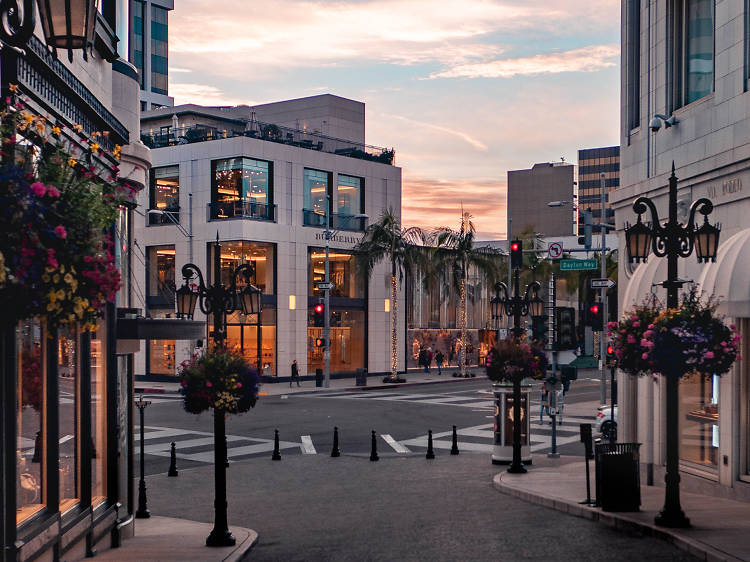
Hollywood stands as the undeniable epicenter of Los Angeles’s brand. It is the birthplace of global entertainment, a corporate identity built on fantasy, glamour, and the relentless pursuit of dreams. Visiting Hollywood is an act of engaging with the very source code of the city’s most powerful brand narrative.
The Walk of Fame & TCL Chinese Theatre: Tangible Symbols of Aspiration
The Hollywood Walk of Fame, with its star-studded sidewalks, and the historic TCL Chinese Theatre, renowned for its celebrity handprints and footprints, are not just tourist attractions; they are physical manifestations of Hollywood’s enduring brand promise. These locations tangibly connect visitors to the legendary figures who have shaped cinematic history. The very act of walking among these stars or comparing one’s hand to that of a screen icon reinforces the aspirational branding of Hollywood – a place where dreams are realized, and legacies are cemented. From a marketing perspective, these sites are self-perpetuating content generators, inviting millions to capture and share their own connection to the brand, amplifying its reach globally.
Universal Studios Hollywood: A Branded Experience Park
Universal Studios Hollywood exemplifies how entertainment giants extend their corporate brand into physical, immersive spaces. It’s not just a theme park; it’s a living advertisement for Universal’s vast cinematic universe. Every ride, show, and themed area is meticulously designed to transport guests into the stories and characters that define the studio’s brand. This experiential marketing strategy allows visitors to “live the movies,” fostering a deep emotional connection that transcends passive consumption. The park’s design, from its studio tours to its detailed sets, embodies a cohesive brand identity that is both authentic to its cinematic roots and thrillingly contemporary. It’s a masterclass in turning intellectual property into an engaging, multi-sensory brand experience.
The Hollywood Sign: An Iconic Global Brand Symbol
Perched majestically above the city, the Hollywood Sign transcends its literal function to become an iconic, globally recognized symbol of Los Angeles itself. More than just nine white letters, it embodies the city’s brand promise of glamour, opportunity, and the allure of the entertainment industry. Its consistent presence in films, television shows, and advertising has made it an instantly recognizable brand logo, signifying aspiration and a certain lifestyle. The pilgrimage to view it from Griffith Observatory or the various viewpoints is driven by a desire to connect with this powerful symbol, to capture a piece of the magic it represents. Its simple yet commanding design is a testament to effective visual branding, instantly communicating the essence of Hollywood’s corporate identity to a worldwide audience.
Coastal Charisma: Lifestyle and Leisure Branding
Beyond the glitz of Hollywood, Los Angeles carves out another distinct brand identity along its expansive coastline: one of relaxed luxury, active lifestyles, and diverse bohemian spirit. These coastal locales are vital in presenting a multifaceted “L.A. brand” that caters to different desires and preferences.
Santa Monica Pier & Beach: The Quintessential Southern California Brand
The Santa Monica Pier and its expansive beach are the epitome of the quintessential Southern California brand experience. It exudes an atmosphere of laid-back leisure, family-friendly fun, and sun-drenched accessibility. The pier, with its iconic Ferris wheel and amusement park rides, represents a playful, nostalgic corporate identity, inviting visitors to embrace a carefree vacation mindset. From a marketing standpoint, images of Santa Monica’s golden sands and vibrant pier are shorthand for the “California dream,” universally recognized and instantly appealing. Its design prioritizes open spaces, ocean views, and public amenities, reinforcing a brand message of inclusivity and accessible enjoyment for everyone.
Venice Beach Boardwalk: A Counter-Culture Brand Identity
Just south of Santa Monica, the Venice Beach Boardwalk offers a striking contrast, presenting a unique counter-culture brand identity. This eclectic stretch is a testament to diversity, artistry, and an unfiltered, raw L.A. vibe. From street performers and artists to muscle beach enthusiasts, Venice champions a brand of individuality and unconventional expression. Its visual design is chaotic yet compelling, a mosaic of vibrant murals, unique storefronts, and a constant flow of humanity. This destination appeals to a segment of the audience looking for an edgier, more authentic “LA experience,” demonstrating how the city’s overall brand encompasses a spectrum of sub-brands, each with its own distinct marketing appeal.
Malibu’s Brand of Exclusivity and Natural Beauty
Malibu, with its stunning coastal drives, pristine beaches, and celebrity residences, cultivates a premium, aspirational brand of exclusivity and natural beauty. Unlike the accessible charm of Santa Monica or the bohemian spirit of Venice, Malibu’s brand positioning is about understated luxury, privacy, and breathtaking natural landscapes. Visiting Malibu is to engage with a lifestyle brand that signifies success, tranquility, and a connection to nature, often enjoyed by a more affluent demographic. Its marketing is subtle, often relying on word-of-mouth and aspirational imagery rather than overt promotions. The design ethos here is one of harmony with nature, where luxury homes blend into the dramatic cliffs and ocean vistas, reinforcing its unique corporate identity as a serene escape within a bustling metropolis.
Cultural Institutions: Branding LA as a Hub of Arts and Innovation
Los Angeles has strategically invested in positioning itself as a major global cultural capital, a brand that extends far beyond its entertainment roots. Its world-class museums and cultural centers are central to this corporate identity, showcasing the city’s commitment to arts, architecture, and intellectual engagement.
The Getty Center: A Brand of Sophistication and Architectural Excellence
The Getty Center is a monumental example of branding through architectural sophistication, art, and an unparalleled visitor experience. Perched atop a hill with panoramic views, its pristine white design by Richard Meier immediately communicates a brand of elegance, intellectual pursuit, and serene beauty. The Getty’s brand strategy is multi-layered: it’s a repository of invaluable art, a testament to philanthropic vision, and a marvel of modern architecture. Its marketing emphasizes not just its collections but the entire holistic experience – from its gardens to its vistas – positioning itself as a destination for cultural enrichment and aesthetic pleasure. The careful design of its spaces encourages contemplation and appreciation, reinforcing its corporate identity as a beacon of cultural excellence.
LACMA (Los Angeles County Museum of Art): Branding LA as an Accessible Art Destination
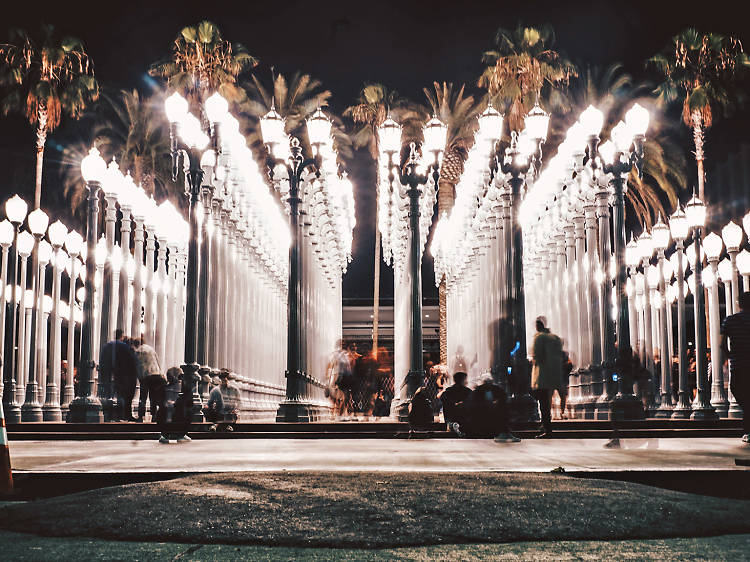
The Los Angeles County Museum of Art (LACMA) plays a crucial role in branding L.A. as an accessible and diverse global art hub. Its vast collection spanning centuries and cultures, combined with its iconic “Urban Light” installation, positions it as a dynamic and welcoming institution. “Urban Light” itself has become an indelible part of L.A.’s visual brand, a widely photographed landmark that signals the city’s commitment to public art and design. LACMA’s marketing strategy often highlights its broad appeal, community engagement, and thought-provoking exhibitions, aiming to dismantle the perception of art museums as exclusive spaces. Its corporate identity is built on fostering connection and dialogue through art, making high culture approachable for all Angelenos and visitors.
The Broad: Modern Art and a Bold Brand Strategy
The Broad museum in Downtown L.A. represents a bold and innovative approach to cultural branding. With its striking “veil-and-vault” architecture by Diller Scofidio + Renfro, it immediately communicates a contemporary and forward-thinking corporate identity. Its most disruptive brand strategy, however, is offering free general admission, a move that dramatically enhances accessibility and positions it as a populist institution for modern art. This strategy has proven immensely successful in generating buzz, attracting diverse audiences, and firmly establishing The Broad as a must-visit cultural landmark. Its marketing leverages its highly Instagrammable exhibitions and unique architectural design, transforming art into a shareable, engaging brand experience that appeals to a younger, digitally native demographic.
Architectural Marvels & Urban Landscapes: Crafting an Urban Brand Identity
Los Angeles’s urban fabric, from its futuristic concert halls to its revitalized downtown core, speaks volumes about its evolving brand identity. These architectural and urban planning achievements brand the city as a center for innovation, design, and thoughtful community development.
Walt Disney Concert Hall: A Striking Architectural Brand Statement
The Walt Disney Concert Hall, designed by Frank Gehry, is more than just a performance venue; it is a striking architectural brand statement that signals Los Angeles’s ambition in design and cultural arts. Its deconstructivist stainless steel façade is instantly recognizable, making it an icon that communicates a modern, dynamic corporate identity for the city. From a branding perspective, its unique design attracts visitors globally, who come not just for the music but to experience the building itself. It positions L.A. at the forefront of contemporary architecture, demonstrating a willingness to embrace bold, innovative design as part of its urban aesthetic and cultural marketing.
Downtown LA’s Resurgence: Rebranding the City Center
The revitalization of Downtown LA (DTLA) represents a powerful rebranding initiative for the city center. Once seen as merely a business district, areas like Grand Park, Pershing Square, and the Historic Core are now vibrant cultural and residential hubs. This transformation has crafted a new urban brand identity for DTLA—one of walkability, cultural engagement, and a dynamic urban experience. The redesign of public spaces, the adaptive reuse of historic buildings, and the influx of new businesses have collectively marketed DTLA as a desirable place to live, work, and visit. It showcases the city’s capacity for urban renewal, demonstrating a corporate identity that is both forward-looking and respectful of its historical roots.
Griffith Observatory: Science, Stunning Views, and a Romantic Brand Image
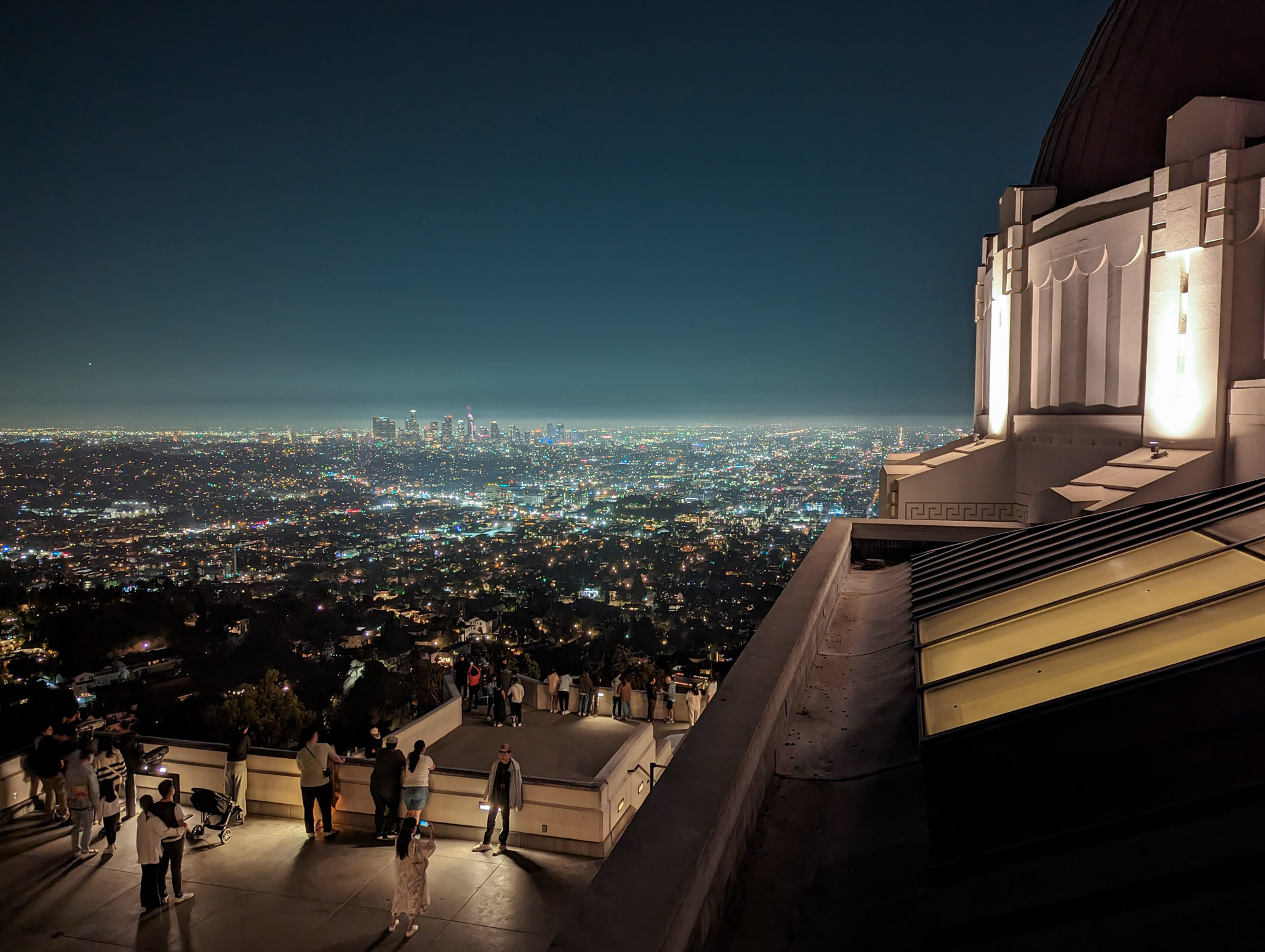
Griffith Observatory offers a unique blend of scientific exploration, breathtaking vistas, and a romantic brand image for Los Angeles. Its iconic domes and Art Deco architecture contribute to a classic L.A. aesthetic, while its exhibits brand the city as a place of intellectual curiosity and celestial wonder. However, its most powerful brand asset might be the unparalleled panoramic views of the Los Angeles basin, the Hollywood Sign, and the Pacific Ocean. These views provide a perfect backdrop for the city’s branding as a place of endless horizons and cinematic beauty. The observatory itself has been featured in countless films, further cementing its corporate identity as a place of both scientific discovery and dreamlike romance, making it a critical site for experiencing the aspirational brand of L.A.
The Future of LA’s Brand: Digital Engagement and Personal Storytelling
The brand of Los Angeles is not static; it is continually shaped by new technologies, evolving visitor expectations, and a commitment to future values. The way people engage with and share their experiences in L.A. is becoming increasingly central to its brand evolution.
Social Media as Brand Amplification
In the digital age, visitors to Los Angeles become active co-creators and amplifiers of its brand through social media. Every picture shared from the Santa Monica Pier, every selfie with the Hollywood Sign, and every video clip from a hidden gem acts as organic marketing, reaching global audiences. The city’s brand strategy increasingly recognizes the power of user-generated content, encouraging visitors to share their personalized L.A. stories. This decentralization of marketing allows the brand to feel more authentic and relatable, showcasing the city through a myriad of individual perspectives and experiences.
Experiential Marketing through Local Events
Los Angeles excels in experiential marketing, utilizing a calendar full of local events, festivals, pop-ups, and unique activations to create memorable brand moments. From the diverse food festivals that celebrate L.A.’s culinary brand to exclusive art installations and outdoor concerts, these temporary experiences contribute significantly to the city’s dynamic corporate identity. They offer visitors unique opportunities to engage with the city’s culture in real-time, creating immersive brand touchpoints that go beyond traditional sightseeing. These events are strategically designed to generate buzz, encourage participation, and solidify L.A.’s brand as a vibrant, ever-evolving cultural hub.
Sustainable Tourism as a Brand Value
As global consciousness shifts towards environmental responsibility, Los Angeles is increasingly integrating sustainable tourism into its brand values. Promoting eco-friendly travel options, preserving natural spaces like its numerous parks and hiking trails, and encouraging responsible visitor behavior all contribute to enhancing L.A.’s image as a responsible global city. This commitment to sustainability strengthens its corporate identity, appealing to a demographic that values ethical consumption and environmental stewardship. By branding itself as a green destination, L.A. is future-proofing its appeal and aligning with the growing demand for travel that positively impacts both local communities and the planet.
Conclusion
Visiting Los Angeles is an immersive journey into a multifaceted global brand. Each iconic location, from the cinematic allure of Hollywood to the artistic grandeur of The Getty Center and the relaxed vibes of Santa Monica, serves as a distinct facet of the city’s corporate identity. These places are not just points on a map; they are carefully curated brand experiences, designed to engage, inspire, and leave an indelible impression. Understanding “where to visit in Los Angeles” through a branding lens reveals the strategic thought behind its urban design, its marketing narratives, and its enduring appeal as a destination that continuously reinvents itself while holding steadfast to its core identity as the city of dreams, innovation, and boundless possibility.
aViewFromTheCave is a participant in the Amazon Services LLC Associates Program, an affiliate advertising program designed to provide a means for sites to earn advertising fees by advertising and linking to Amazon.com. Amazon, the Amazon logo, AmazonSupply, and the AmazonSupply logo are trademarks of Amazon.com, Inc. or its affiliates. As an Amazon Associate we earn affiliate commissions from qualifying purchases.