
Orlando, Florida, synonymous with magic, thrills, and unforgettable family vacations, beckons millions of visitors each year. While the allure of its world-renowned theme parks and attractions is undeniable, navigating a trip to this global tourism hub can quickly become a significant financial undertaking. For the astute traveler, “what to see in Orlando” isn’t merely a question of choosing destinations; it’s a strategic inquiry into how to maximize value, optimize spending, and ensure that every dollar invested translates into an unparalleled experience. This article delves into Orlando through a financial lens, guiding you to make savvy decisions that enhance your visit without compromising your financial well-being.

Strategic Budgeting for Orlando’s World-Class Attractions
The cornerstone of any successful Orlando trip, especially one focused on financial prudence, is a well-defined budget. Before you even book a flight, understanding the true cost of your desired attractions and how to strategically allocate funds is paramount. Orlando is home to an incredible array of parks and experiences, each with its own pricing structure and potential for additional expenses.
Navigating Theme Park Ticketing: Bundles, Passes, and Discounts
The most significant portion of your Orlando budget will likely be dedicated to theme park tickets. Walt Disney World Resort and Universal Orlando Resort offer a variety of ticketing options, from single-day, single-park tickets to multi-day, multi-park passes.
- Multi-Day vs. Single-Day: Generally, the per-day cost decreases significantly with multi-day tickets. If you plan to spend several days at the parks, a multi-day pass is almost always more cost-effective.
- Park Hopper Options: While appealing for flexibility, “Park Hopper” add-ons, allowing entry to multiple parks in one day, increase the base ticket price. Evaluate if the time saved commuting justifies the added expense, especially if traveling with young children who might tire quickly.
- Annual Passes: For frequent visitors or those planning extended stays (e.g., two weeks or more), an annual pass might surprisingly offer better value than multiple multi-day tickets. Calculate the break-even point based on your planned visits.
- Official Discounts and Authorized Resellers: Always check for official discounts offered by Disney or Universal directly. Also, explore reputable, authorized ticket resellers (like Undercover Tourist or AAA) which often provide slight discounts below gate prices. Beware of unofficial or heavily discounted offers that seem too good to be true, as they often are.
- Bundles and Vacation Packages: Many resorts and travel agencies offer hotel and ticket packages. While convenient, always itemize the costs to ensure you’re truly saving money compared to booking separately. Sometimes, the convenience comes with a premium.
Factoring In Hidden Costs: Parking, Genie+, and Express Passes
Beyond the sticker price of admission, Orlando’s theme parks come with a host of ancillary costs that can quickly inflate your budget if not anticipated.
- Parking Fees: Unless you’re staying at an on-site resort with complimentary transportation or utilizing a service, daily parking at Disney and Universal parks can range from $25-$30 per day. Factor this into your transportation budget.
- Queue-Skipping Services (Genie+, Universal Express Pass): Disney’s Genie+ and Universal’s Express Pass offer ways to bypass regular lines for popular attractions, saving valuable time. However, these services come at an additional daily cost per person (ranging from $15-$35+ per person per day for Genie+; Universal Express Pass can be significantly more, especially during peak times). While they enhance the experience, they are a significant extra investment that needs to be budgeted for explicitly. Evaluate if the value of saved time outweighs the financial outlay for your group.
- Locker Rentals: For water parks or attractions where personal items are not allowed, locker rentals are a necessary, albeit small, expense.
- Stroller/Wheelchair Rentals: If you need these, factor in their daily rental costs, which can add up over multiple days.
Setting a Realistic Budget: A Foundation for Fun
Beyond tickets and ancillary park costs, a comprehensive budget must include food, merchandise, transportation (outside of parking), and miscellaneous expenses. Over-estimating costs by even a small margin can prevent stress later. Build in a contingency fund (10-15% of your total budget) for unexpected splurges or unforeseen circumstances. This proactive financial planning transforms a potentially stressful trip into a financially secure adventure.
Smart Spending within the Parks and Beyond
Once your budget is set, the next challenge is smart spending during your trip. Orlando offers countless opportunities to open your wallet, but strategic choices can help you enjoy all the magic without overspending.
Culinary Choices: From Quick Service Savings to Signature Dining Splurges
Food is an integral part of the Orlando experience, and also a major budget component.
- Pack Snacks and Drinks: Theme park food and beverages are notoriously expensive. Bringing your own bottled water, snacks, and even some non-perishable lunch items can lead to substantial savings, especially for families. Most parks allow outside food and non-alcoholic beverages (check specific park rules).
- Quick Service vs. Table Service: Opting for quick-service (counter-service) meals more often than table-service restaurants can drastically reduce food costs. Quick service meals are generally quicker and more affordable.
- Character Dining: While an iconic experience, character dining is a premium cost. If it’s a must-do, budget for it, but consider it an occasional splurge rather than a daily occurrence.
- Off-Park Dining: Exploring restaurants outside the immediate theme park vicinity often yields better value and a wider variety of cuisines. Look for local eateries frequented by residents for authentic and affordable options.
- Hotel Breakfast: If your accommodation offers complimentary breakfast, take full advantage. If not, consider buying breakfast items (cereal, pastries, fruit) to eat in your room before heading out.
Souvenirs vs. Experiences: Where to Allocate Your Dollars
The temptation to buy souvenirs is strong, but prioritizing what truly brings value can save you money.
- Strategic Souvenir Shopping: Decide beforehand on a souvenir budget. Encourage kids to pick one special item rather than multiple small ones. Look for unique items that truly represent a memory, rather than generic merchandise. Sometimes, a high-quality photo or a small, meaningful pin holds more long-term value than a bulky toy.
- Focus on Experiences: Instead of spending on physical goods, consider putting those dollars towards an experience, like a special dessert party, a unique tour, or an evening fireworks cruise. These create lasting memories that often outlast the novelty of a physical souvenir.
- Skip the Impulse Buys: Walk away from a tempting item and consider it for an hour. Often, the urge to buy will pass, or you’ll realize it doesn’t align with your budget or desire for lasting value.
Strategic Shopping for Essentials: Preparing Before You Go
Many items sold at a premium inside the parks can be purchased for a fraction of the cost elsewhere.
- Sunscreen and Rain Ponchos: Buy these at a local pharmacy or grocery store outside the parks before you go. You’ll pay significantly more inside.
- Comfortable Shoes: This isn’t just about saving money, it’s about saving your feet! Investing in good walking shoes beforehand prevents discomfort and potential impulse buys of expensive footwear in the parks due to pain.
- Portable Chargers: Keeping your phone charged for photos, park apps, and communication is vital. Portable power banks are much cheaper outside the parks.
Unlocking Value: Free and Low-Cost Orlando Experiences
Orlando isn’t just about high-cost theme parks. There’s a wealth of free and low-cost activities that can provide immense enjoyment, offer a change of pace, and stretch your vacation budget further. Integrating these into your itinerary is a smart financial move.
Discovering Orlando’s Natural Beauty and Cultural Gems
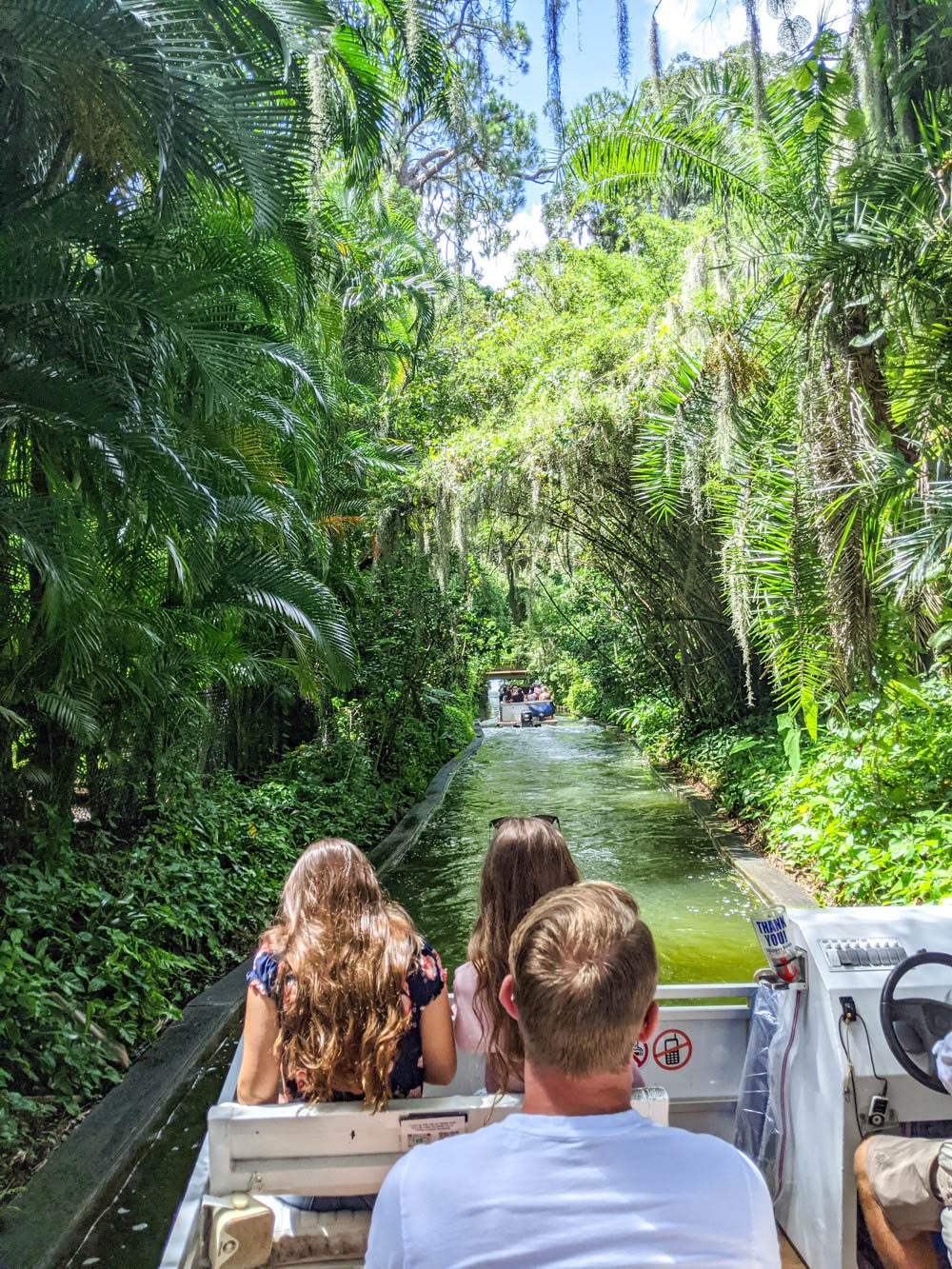
Take a break from the crowds and explore other facets of Orlando that don’t demand a theme park ticket.
- Disney Springs / Universal CityWalk: These entertainment districts offer free admission, parking (usually free during the day or after certain hours), and a vibrant atmosphere with live music, shopping, and dining. While dining costs money, simply strolling, window shopping, and enjoying the ambiance is free.
- Lake Eola Park: Located in downtown Orlando, this beautiful park offers swan boat rentals (low cost), a walking path, a playground, and often hosts free events and farmers’ markets on weekends. It’s a serene escape.
- Winter Park: Just north of Orlando, this charming town boasts Rollins College’s beautiful campus (free to stroll), the Charles Hosmer Morse Museum of American Art (nominal fee), and the Scenic Boat Tour (affordable, offers unique views). Stroll Park Avenue for window shopping and people-watching.
- Local Parks and Gardens: Orlando and its surrounding areas are home to numerous public parks and botanical gardens, many with free admission, offering opportunities for picnics, playgrounds, and enjoying Florida’s natural flora.
- Art Galleries and Museums: While some require admission, many local art galleries have free entry, offering a cultural diversion.
Leveraging Local Deals and Discount Platforms
Before your trip, research local coupon books, tourism websites, and discount platforms specific to Orlando.
- Groupon/LivingSocial: Look for deals on restaurants, spas, shows, and lesser-known attractions.
- Visit Orlando Website: This official tourism site often features special offers and discounts for various attractions and activities.
- Restaurant.com: Purchase discounted gift certificates for local restaurants.
- Attraction Combos: Sometimes, smaller attractions offer combo tickets that provide a discount when purchased together.
Maximizing Resort Amenities and Non-Park Days
If you’ve invested in a resort stay, ensure you’re getting the most for your money.
- Pool Time: Dedicate at least half a day or a full day to enjoying your resort’s pool complex. Many Orlando resorts have elaborate pools, water slides, and splash pads that are attractions in themselves.
- Resort Activities: Many resorts offer complimentary activities, from movie nights and scavenger hunts to crafting sessions and live entertainment. Check your resort’s schedule.
- Relaxation: Sometimes, the best use of a non-park day (and a smart financial move) is simply to relax, recharge, and enjoy the amenities you’ve already paid for, preventing burnout and the temptation for impulse spending.
Optimizing Travel Logistics: Accommodation and Transportation as Investments
The financial implications of your choices for where to stay and how to get around Orlando are substantial. Viewing these decisions as strategic investments in your overall trip value can lead to significant savings and comfort.
On-Site vs. Off-Site Accommodations: A Cost-Benefit Analysis
The choice between staying at a Disney or Universal resort versus an off-site hotel or vacation rental is a classic Orlando dilemma with significant financial ramifications.
- On-Site Perks (Disney/Universal Resorts): These often include complimentary transportation to parks, early park entry, package delivery, and proximity. While generally more expensive per night, the value of these perks (reduced transportation costs, extra park time, convenience) can sometimes offset the higher room rate, especially if you plan to solely visit those parks.
- Off-Site Value: Off-site hotels, particularly those along International Drive or in Kissimmee, often offer significantly lower nightly rates, more spacious rooms, and sometimes complimentary breakfast. This can be a substantial saving, especially for larger families or longer stays. However, you’ll need to budget for transportation (rental car, rideshare, or hotel shuttle if available).
- Vacation Rentals (Airbnb, VRBO): For families or groups, a vacation home with multiple bedrooms, a private pool, and a kitchen can be incredibly cost-effective. The ability to cook your own meals provides massive savings on food and offers a home-away-from-home feel. Factor in cleaning fees, resort fees, and potential pool heating costs.
Transportation Tactics: Rideshare, Rentals, and Resort Shuttles
How you get around Orlando directly impacts your budget and time.
- Rental Car: Offers maximum flexibility and is often ideal for off-site stays or if you plan to visit attractions beyond the main theme parks. Factor in the rental cost, gas, and daily parking fees at parks.
- Rideshare (Uber/Lyft): Convenient for short distances or for avoiding parking hassles. Costs can add up quickly for daily park commutes or longer trips. Dynamic pricing during peak times can lead to unexpected surges.
- Resort Shuttles: Many off-site hotels offer complimentary shuttle services to the major parks. While a cost-saver, these often operate on limited schedules, which can restrict your park entry/exit times.
- On-Site Transportation: If staying at Disney or Universal resorts, their extensive (and free) bus, monorail, skyliner, or boat services are a major perk, eliminating the need for a rental car or rideshares for park visits.
Travel Hacking: Points, Miles, and Credit Card Rewards
For the truly financially savvy, leveraging travel rewards can significantly reduce the cash outlay for an Orlando trip.
- Credit Card Sign-Up Bonuses: Many travel credit cards offer substantial sign-up bonuses in points or miles, enough for free flights or several nights in a hotel. Plan ahead to meet spending requirements.
- Loyalty Programs: Consistently using a specific airline or hotel chain’s loyalty program can earn you free flights or nights.
- Strategic Spending: Use credit cards that offer bonus points on categories like travel, dining, or groceries for everyday spending to accumulate rewards faster.
The Long-Term Value of Your Orlando Adventure: Memories and Financial Wisdom
Ultimately, a trip to Orlando is an investment, not just in fun, but in memories and, for the financially conscious, in practical wisdom. “What to see in Orlando” becomes a journey not only through magical lands but also through careful planning, smart choices, and maximizing return on investment.
Beyond the Piggy Bank: The Educational Value of Travel Planning
Engaging in detailed financial planning for an Orlando trip can be an invaluable learning experience. It teaches budgeting, prioritizing needs vs. wants, researching value, and understanding the true cost of experiences. For families, it’s an excellent opportunity to teach children about money management and the rewards of thoughtful saving.
Creating Lasting Memories Without Breaking the Bank
The most cherished memories from an Orlando vacation rarely hinge on the most expensive purchases. They come from shared laughter, breathtaking moments, surprising discoveries, and the joy of being together. By strategically managing your finances, you empower yourself to focus on these priceless experiences, ensuring your budget enhances rather than detracts from the magic.

Applying Orlando Financial Lessons to Future Ventures
The skills honed while financially navigating Orlando—diligent research, strategic allocation of resources, and a keen eye for value—are transferable to all aspects of personal finance. Whether it’s planning for a major purchase, investing, or budgeting for everyday life, the lessons learned from maximizing your financial return on an Orlando adventure will serve you well for years to come.
In conclusion, seeing Orlando through a financial lens transforms the planning process from a daunting task into an empowering exercise. By embracing strategic budgeting, smart spending, and a focus on value, you can ensure your investment in an Orlando trip yields not just magical memories, but also significant financial wisdom.
aViewFromTheCave is a participant in the Amazon Services LLC Associates Program, an affiliate advertising program designed to provide a means for sites to earn advertising fees by advertising and linking to Amazon.com. Amazon, the Amazon logo, AmazonSupply, and the AmazonSupply logo are trademarks of Amazon.com, Inc. or its affiliates. As an Amazon Associate we earn affiliate commissions from qualifying purchases.