
In the world of personal finance, we often become obsessed with the “big numbers.” We track our total net worth, the balance in our checking accounts, or the price of a single share of a popular stock. However, raw numbers are often decontextualized. A person earning $200,000 a year who spends $195,000 is objectively in a more precarious position than someone earning $60,000 who spends $40,000. To truly understand financial health and the timeline for independence, we must look at the math of relativity.
Specifically, we must ask: what is the percentage? The percentages within your budget, your debt profile, and your investment portfolio are the most accurate predictors of your long-term wealth. This article explores the critical percentages that define financial success and how mastering these ratios can accelerate your journey to financial freedom.

The Core Metric: Understanding the Savings Rate Percentage
The most important number in your financial life is not your salary; it is your savings rate. This is the percentage of your disposable income that remains after all expenses are paid. While many people focus on “making more,” the savings rate determines how much of that effort actually translates into lasting wealth.
Defining Your Savings Rate
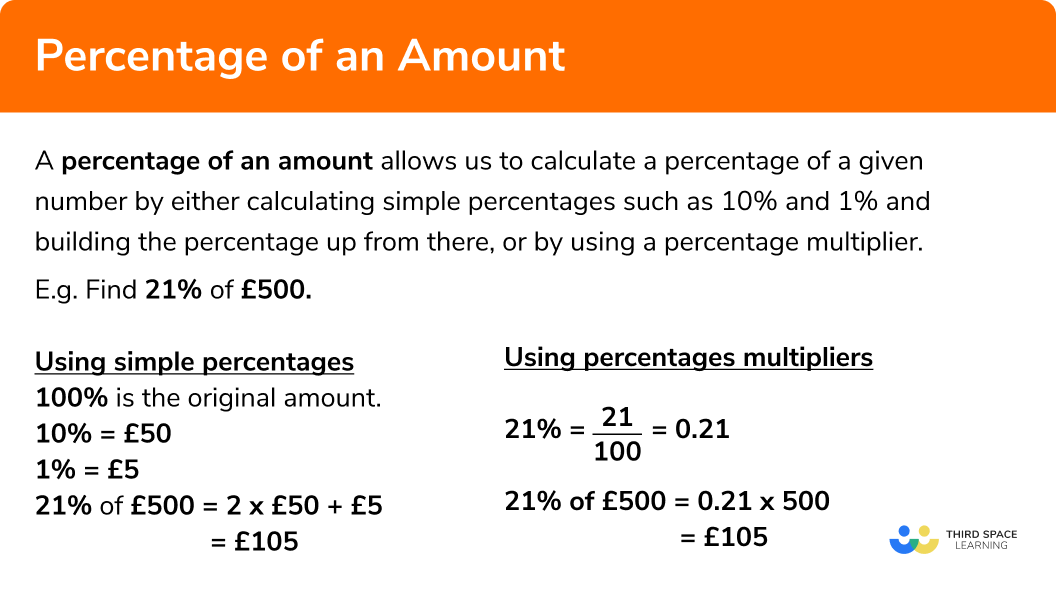
To calculate your savings rate, you take your total monthly savings (including retirement contributions) and divide it by your after-tax income. For example, if you take home $5,000 and save $1,000, your savings rate is 20%. This percentage is the engine of your financial vehicle. A high income with a 0% savings rate is a car with a massive engine but no fuel; you might look fast standing still, but you aren’t going anywhere.
Why 20% Is the Gold Standard (and Why It Might Not Be Enough)
For decades, financial planners have suggested a 10% to 15% savings rate. In the modern economy, however, the “20% rule”—often popularized by the 50/30/20 budget—has become the gold standard. This framework allocates 50% of income to needs, 30% to wants, and 20% to savings and debt repayment.
However, for those seeking “Financial Independence, Retire Early” (FIRE), 20% is often viewed as a minimum. The math is simple: if you save 10% of your income, it takes nine years of work to save for one year of living expenses. If you save 50%, every year you work pays for one year of freedom. The percentage you choose dictates the literal date of your retirement.
The Impact of “Lifestyle Creep” on Your Percentages
One of the greatest threats to a healthy savings percentage is lifestyle creep. As professionals earn raises, their spending often increases proportionally. If your salary increases by 10% and your spending also increases by 10%, your savings amount goes up, but your savings percentage remains stagnant. To reach financial freedom faster, one must aim to keep spending flat while increasing the percentage of every raise that goes toward investments.
The Debt-to-Income Ratio: The Percentage That Defines Your Borrowing Power
While the savings rate tracks what you keep, the Debt-to-Income (DTI) ratio tracks what you owe in relation to what you earn. This percentage is the primary metric used by lenders to determine your creditworthiness, but it is also a vital internal health check for your personal “business.”
How Lenders View Your Financial Health
Lenders typically look for a DTI ratio of 36% or lower. This means that your total monthly debt payments—including your mortgage, car loans, and credit cards—should not exceed 36% of your gross monthly income. When this percentage creeps higher, you are viewed as high-risk. More importantly, a high DTI means a significant portion of your labor is being used to pay for your past rather than fund your future.
The Nuance of the Credit Utilization Percentage
Within the realm of debt, the “utilization ratio” is another critical percentage. This is the amount of revolving credit you are using compared to your total limit. Experts suggest keeping this below 30% to maintain a high credit score. However, from a wealth-building perspective, the goal should always be 0%. Paying interest on consumer debt is a “negative percentage” that compounds against you, effectively canceling out the gains you might be making in the stock market.
Strategies to Lower the DTI Percentage
Lowering your DTI percentage can be achieved through two levers: increasing gross income or aggressively paying down the principal on loans. In a high-interest-rate environment, focusing on the “percentage cost” of debt is essential. If you have a credit card with a 24% interest rate and a savings account earning 4%, every dollar put toward the debt provides a “guaranteed return” of 24%. In this scenario, the debt percentage is the most important number to attack.
Portfolio Allocation: The Percentages of Risk and Reward
Once you have mastered your savings rate and controlled your debt, the next question is where to put that money. This is where asset allocation comes into play. Asset allocation is the process of deciding what percentage of your portfolio goes into different categories, such as stocks, bonds, real estate, or cash.
The 60/40 Split and Modern Alternatives
Historically, the 60% stock and 40% bond split was the standard for a balanced portfolio. The idea was that the 60% in stocks would provide growth, while the 40% in bonds would provide a “cushion” during market downturns. However, as lifespans increase and bond yields fluctuate, many investors are moving toward more aggressive percentages, such as 80/20 or even 100% equities for younger individuals. The specific percentage allocation should reflect your “time horizon”—how many years until you need the money.
Calculating Your Risk Tolerance in Percentages
Risk tolerance isn’t just a feeling; it can be quantified. If your portfolio is 100% in the S&P 500 and the market drops by 30% (a common occurrence in bear markets), can you handle seeing your net worth drop by that same percentage? If the answer is no, your allocation percentage needs to be adjusted toward more stable assets. Understanding the “downside percentage” you can tolerate is the key to staying invested long enough to reap the “upside percentage.”
The Role of Diversification Percentages
A healthy portfolio also looks at sector percentages. For example, if 50% of your net worth is tied up in a single tech stock, you are not diversified; you are gambling on a single entity. Professional investors often limit any single stock position to 5% or 10% of their total portfolio. By managing these internal percentages, you protect yourself against the total loss of any single asset class.
The 4% Rule: The Percentage of Safe Withdrawal in Retirement
The ultimate goal of tracking all these percentages is to reach a point where you no longer need to work for money. But how do you know when you’ve reached that point? The answer lies in a famous financial metric known as the 4% Rule.
The Origin of the 4% Rule
Derived from the Trinity Study, the 4% Rule suggests that an investor can safely withdraw 4% of their initial portfolio balance (adjusted for inflation each year) for 30 years without running out of money. This percentage effectively turns your “pot of money” into a self-sustaining salary. If you have $1 million, a 4% withdrawal rate gives you $40,000 a year.
Adjusting the Percentage for Inflation and Longevity
In recent years, some economists have argued that the 4% rule is too optimistic given current market valuations and longer life expectancies, suggesting a “safer” withdrawal rate might be 3% or 3.5%. Conversely, in booming markets, some might feel comfortable with 5%. The core takeaway is that your financial freedom is defined by a withdrawal percentage, not a flat dollar amount. When your annual expenses are less than or equal to roughly 4% of your total invested assets, you have reached financial independence.
The “Sequence of Returns” Risk
The most dangerous time for an investor is the first few years of retirement. If the market drops by 20% in your first year of retirement and you still withdraw your 4%, you are depleting a much larger percentage of your remaining capital. This is known as the sequence of returns risk. Managing this requires keeping a small percentage of your portfolio (perhaps 5-10%) in highly liquid cash or short-term bonds to avoid selling stocks during a market dip.
Maximizing Your Financial Percentages for Long-Term Growth
Success in money is less about the intensity of your efforts and more about the consistency of your ratios. By shifting your focus from “How much do I have?” to “What are my percentages?”, you gain a much clearer picture of your financial trajectory.
The Power of Compound Interest Percentages
Albert Einstein supposedly called compound interest the eighth wonder of the world. The “Rule of 72” is a quick way to see this in action. Divide 72 by your annual interest rate percentage to see how many years it takes for your money to double. At a 7% return, your money doubles every 10.2 years. At 10%, it doubles every 7.2 years. These small differences in percentage points result in hundreds of thousands of dollars in difference over a 30-year career.

Turning Percentages into Actionable Goals
To take control of your financial future, start by auditing your current percentages today:
- Calculate your savings rate: Are you above the 20% mark?
- Calculate your DTI: Is it below 36%?
- Review your allocation: Does your stock-to-bond percentage match your age and risk tolerance?
- Project your withdrawal: How close are your annual expenses to being 4% of your current nest egg?
When you master the percentages, the dollar amounts take care of themselves. Wealth is not just about the size of the harvest; it is about the percentage of seeds you choose to replant for the next season. By optimizing these critical ratios, you transform money from a source of stress into a tool for ultimate personal freedom.
aViewFromTheCave is a participant in the Amazon Services LLC Associates Program, an affiliate advertising program designed to provide a means for sites to earn advertising fees by advertising and linking to Amazon.com. Amazon, the Amazon logo, AmazonSupply, and the AmazonSupply logo are trademarks of Amazon.com, Inc. or its affiliates. As an Amazon Associate we earn affiliate commissions from qualifying purchases.