
Tax season can often feel like a formidable annual pilgrimage for many, evoking feelings of anxiety, confusion, or even dread. Yet, understanding and fulfilling your tax obligations is a fundamental aspect of personal finance, impacting everything from your annual budget to your long-term financial health. Far from being an insurmountable challenge, filing taxes is a structured process that, with the right information and approach, can be navigated efficiently and accurately.
This comprehensive guide is designed to demystify the tax filing process for individuals. We’ll break down the essential steps, highlight critical considerations, and empower you with the knowledge to approach tax season with confidence. Whether you’re a first-time filer, self-employed, or simply looking to refine your approach, mastering the art of tax filing is a vital skill in managing your money effectively.
Understanding Your Tax Filing Obligations
Before you even begin gathering documents, it’s crucial to understand why and how you are obligated to file taxes. This foundational knowledge sets the stage for a smoother process.
Who Needs to File?
Not everyone is required to file a federal income tax return, but a vast majority of working adults are. The requirement generally depends on your gross income, filing status (single, married filing jointly, head of household, etc.), age, and whether you are claimed as a dependent. For instance, if your gross income exceeds a certain threshold, or if you had net earnings from self-employment of $400 or more, you almost certainly need to file. Even if your income is below the filing threshold, you might still want to file to receive a tax refund, especially if you had taxes withheld from your paychecks or qualify for refundable tax credits like the Earned Income Tax Credit.
Key Deadlines and Penalties
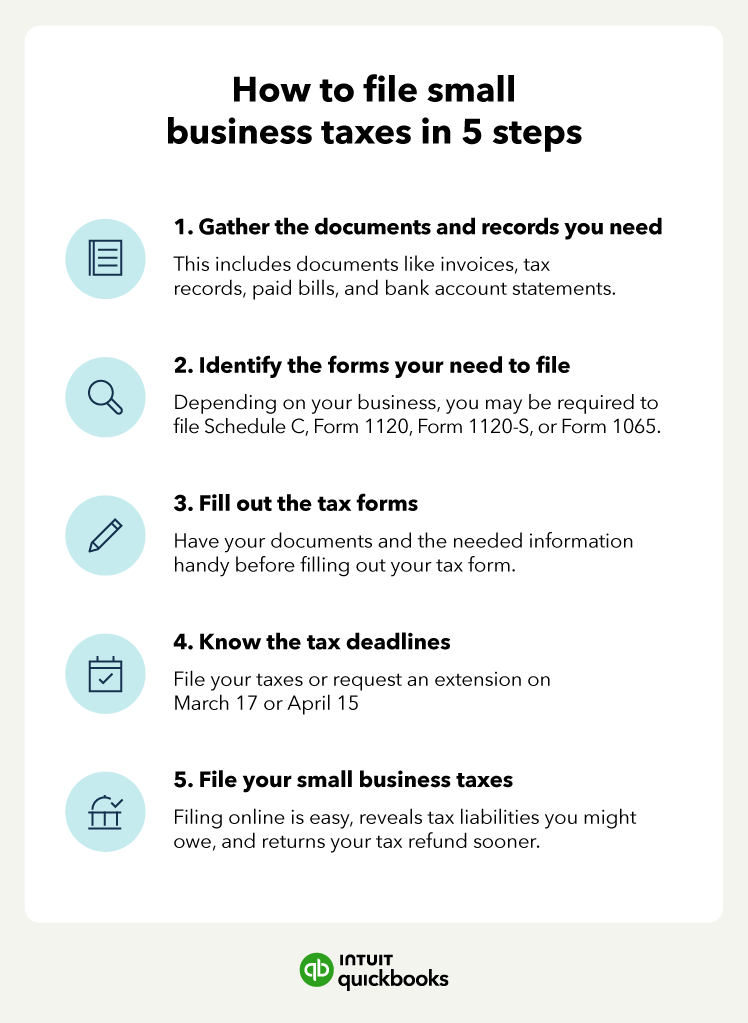
Tax season revolves around critical deadlines. For most individual filers in the United States, the primary deadline to file federal income tax returns and pay any taxes owed is April 15th (or the next business day if April 15th falls on a weekend or holiday). However, specific situations, like being a victim of a natural disaster or living abroad, might grant you an automatic extension.
Missing the filing deadline, especially if you owe taxes, can result in significant penalties. The Failure to File Penalty is typically 5% of the unpaid taxes for each month or part of a month that a tax return is late, capped at 25%. There’s also a Failure to Pay Penalty, usually 0.5% of the unpaid taxes for each month or part of a month the taxes remain unpaid, also capped at 25%. Interest also accrues on underpayments. If you can’t file on time, you can request an extension, which gives you an additional six months to file (typically until October 15th), but not an extension to pay any taxes owed. It’s imperative to pay an estimate of your taxes by the April deadline to avoid penalties.
Different Types of Filers
The complexity of your tax situation often depends on your income sources and employment status.
- W-2 Employees: The most common type, these individuals receive a W-2 form from their employer detailing their wages and taxes withheld. Their filing is often straightforward.
- Self-Employed Individuals/Independent Contractors: These filers receive 1099 forms (e.g., 1099-NEC for non-employee compensation or 1099-K for third-party payment network transactions). They are responsible for paying self-employment taxes (Social Security and Medicare) in addition to income tax, and often need to make estimated tax payments quarterly throughout the year. They also have the benefit of deducting business expenses.
- Investors: Individuals with investment income from stocks, bonds, or mutual funds will receive various 1099 forms (e.g., 1099-DIV for dividends, 1099-INT for interest, 1099-B for proceeds from broker and barter exchange transactions). Capital gains and losses must be reported.
- Retirees: Those receiving Social Security benefits, pension income, or distributions from retirement accounts (like 401(k)s or IRAs) will have specific reporting requirements, often involving forms like SSA-1099 or 1099-R.
Gathering Your Essential Documents
The cornerstone of an accurate tax return is comprehensive documentation. Starting early to collect these documents can prevent last-minute stress and ensure no deductions or credits are missed.
Income Statements
These forms report all your taxable income for the year.
- Form W-2 (Wage and Tax Statement): Received from employers, this form shows your annual wages and the amount of federal, state, and local taxes withheld.
- Form 1099-NEC (Nonemployee Compensation): If you did freelance work or were an independent contractor, you’ll receive this form from clients who paid you $600 or more.
- Form 1099-K (Payment Card and Third-Party Network Transactions): If you received payments through platforms like PayPal, Venmo, or credit card processors for goods/services, you might receive this.
- Form 1099-INT (Interest Income): For interest earned from banks, credit unions, or investment accounts.
- Form 1099-DIV (Dividends and Distributions): For dividends earned from stocks and mutual funds.
- Form 1099-B (Proceeds From Broker and Barter Exchange Transactions): Reports capital gains or losses from selling investments.
- Form 1099-R (Distributions From Pensions, Annuities, Retirement or Profit-Sharing Plans, IRAs, Insurance Contracts, etc.): For income received from retirement accounts.
- Form SSA-1099 (Social Security Benefit Statement): Reports Social Security benefits received.
- Records of Cash Income: If you have income not reported on a W-2 or 1099, such as tips or cash payments for services, you must keep meticulous records yourself.
Deduction and Credit Documentation
To reduce your taxable income or your tax liability directly, you’ll need records for any deductions or credits you plan to claim.
- Mortgage Interest Statement (Form 1098): For homeowners, reports mortgage interest paid.
- Student Loan Interest Statement (Form 1098-E): Reports interest paid on student loans.
- Tuition Statement (Form 1098-T): For education expenses, crucial for education credits.
- Child Care Expenses: Receipts or statements from childcare providers, including their tax ID.
- Medical Expense Records: Bills and receipts for unreimbursed medical expenses.
- Charitable Contributions: Receipts or acknowledgment letters for donations to qualified charities.
- Business Expense Records (for self-employed): Detailed records of all deductible business expenses, such as home office expenses, mileage, supplies, and professional development.
- IRA Contributions: Records of contributions made to traditional or Roth IRAs.
Other Relevant Financial Statements
- Last Year’s Tax Return: A useful reference for prior-year income, deductions, and carryovers.
- Identity Protection PIN (IP PIN): If you received one from the IRS, it’s essential for e-filing.
Choosing Your Filing Method
Once you have your documents in hand, the next step is to decide how you want to prepare and submit your return. Each method offers distinct advantages depending on your comfort level with tax forms and the complexity of your financial situation.
Online Tax Software
For many, online tax software is the most popular and accessible option. Platforms like TurboTax, H&R Block Tax Software, TaxAct, and FreeTaxUSA guide you through the process with a user-friendly interface, asking simple questions and populating the correct forms. They also offer robust error-checking and often allow you to e-file directly to the IRS and state tax agencies.
- Pros: Convenience, often cheaper than a professional, step-by-step guidance, good for most common tax situations.
- Cons: Can be overwhelming for very complex returns, may require some understanding to answer specific questions accurately.

Professional Tax Preparers
If your tax situation is complex (e.g., multiple businesses, foreign income, significant investment activity), or if you simply prefer professional assurance, a tax preparer is an excellent choice. This includes Certified Public Accountants (CPAs), Enrolled Agents (EAs), or other tax professionals. They can help identify all applicable deductions and credits, ensure compliance, and even represent you before the IRS if needed.
- Pros: Expert advice, reduces stress, suitable for complex returns, minimizes errors.
- Cons: Can be more expensive, requires sharing sensitive financial information.
Manual Filing (Paper Forms)
While less common now, you can still download and print official IRS forms from the IRS website, fill them out manually, and mail them in. This method is generally recommended only for those with very simple returns or those who prefer the tactile process.
- Pros: No software needed, complete control over every line item.
- Cons: Time-consuming, prone to manual errors, slower refund processing.
Free Filing Options
The IRS offers several options for free tax preparation and filing:
- IRS Free File Program: If your adjusted gross income (AGI) is below a certain threshold (which changes annually), you can use free tax software provided by IRS partners. The IRS Free File website directs you to participating providers.
- Free File Fillable Forms: For taxpayers of any income level who are comfortable doing their own tax calculations, this option provides electronic versions of IRS paper forms.
- Volunteer Income Tax Assistance (VITA) and Tax Counseling for the Elderly (TCE): These programs offer free tax help to qualified individuals, including those with low to moderate income, the elderly, persons with disabilities, and limited English-speaking taxpayers. Volunteers are IRS-certified.
Step-by-Step Through the Filing Process
Regardless of the method you choose, the general flow of filing your taxes follows a predictable pattern.
Inputting Income and Personal Information
The first phase involves entering all your personal details (name, address, Social Security number, filing status, dependents) and all your income as reported on your W-2s, 1099s, and any other income records. Accuracy here is paramount, as discrepancies can trigger IRS notices.
Identifying Deductions and Credits
This is where smart tax planning pays off.
- Deductions reduce your taxable income. You can choose to take the standard deduction (a fixed amount based on your filing status, adjusted for inflation annually) or itemize deductions (such as mortgage interest, state and local taxes, medical expenses, and charitable contributions). You should choose whichever results in a lower taxable income.
- Credits directly reduce your tax liability dollar-for-dollar. Examples include the Child Tax Credit, Earned Income Tax Credit, education credits, and credits for dependent care. Some credits are refundable, meaning you could receive money back even if you owe no tax.
Tax software will guide you through questions to help identify applicable deductions and credits. If using a professional, they will handle this analysis for you.
Reviewing Your Return for Accuracy
Before hitting submit, dedicate ample time to review your entire return. Check for:
- Correct spelling of names and Social Security numbers.
- Accurate income figures from all sources.
- Correct filing status and number of dependents.
- All applicable deductions and credits claimed.
- Bank account information for direct deposit of refunds (if applicable).
A careful review can prevent costly errors and delays.
Submitting Your Return and Payment/Refund
Most people e-file their federal and state returns. Electronic filing is faster, more secure, and significantly reduces errors. You’ll receive an acknowledgment that the IRS (and your state, if applicable) has received your return.
- If you owe taxes: You can pay electronically directly from your bank account, by credit card (through a third-party processor), or by mailing a check or money order with Form 1040-V (Payment Voucher).
- If you are due a refund: The fastest way to receive it is through direct deposit to your bank account.
Post-Filing Considerations
Your tax responsibilities don’t necessarily end the moment you click “submit.” There are a few important steps to take after filing.
What to Do if You Owe More or Are Owed a Refund
If you owe taxes, ensure your payment is made by the April deadline to avoid penalties and interest. If you are due a refund, track its status using the IRS’s “Where’s My Refund?” tool, usually available 24 hours after e-filing or 4 weeks after mailing your return. Refunds generally arrive within 21 days for e-filed returns with direct deposit.
Record Keeping Best Practices
After filing, always keep copies of your tax return and all supporting documents (W-2s, 1099s, receipts for deductions) for at least three years from the date you filed your original return or two years from the date you paid the tax, whichever is later. The IRS can audit your return within this period. For certain situations, like reporting worthless securities or bad debt deductions, the period extends to seven years.
Amending a Previously Filed Return
If you discover an error after filing, you can file an amended return using Form 1040-X, Amended U.S. Individual Income Tax Return. You usually have three years from the date you filed your original return or two years from the date you paid the tax (whichever is later) to file an amended return.
Planning for Next Year’s Taxes
Tax filing isn’t just an annual chore; it’s an opportunity for financial planning. Reviewing your current year’s return can help you identify strategies for the next:
- Adjusting Withholding: If you received a large refund, you might be overpaying throughout the year. Adjust your W-4 with your employer to have less tax withheld, putting more money in your pocket each paycheck. Conversely, if you owed a lot, consider increasing withholding to avoid a large tax bill next year.
- Estimated Payments: Self-employed individuals should ensure they are making accurate quarterly estimated tax payments to avoid underpayment penalties.
- Retirement Contributions: Maximize contributions to IRAs, 401(k)s, or HSAs to potentially reduce your taxable income.
- Tax-Loss Harvesting: For investors, consider selling investments at a loss to offset capital gains.
- Record Keeping Throughout the Year: Don’t wait until tax season to gather documents. Keep an organized system for income, expenses, and deduction-related receipts throughout the year.
By approaching tax filing with a clear understanding of your obligations, diligent preparation, and strategic planning, you can transform it from a daunting task into an integral part of your financial empowerment. It’s an annual check-up for your financial health, offering insights and opportunities to optimize your money management for the years to come.
aViewFromTheCave is a participant in the Amazon Services LLC Associates Program, an affiliate advertising program designed to provide a means for sites to earn advertising fees by advertising and linking to Amazon.com. Amazon, the Amazon logo, AmazonSupply, and the AmazonSupply logo are trademarks of Amazon.com, Inc. or its affiliates. As an Amazon Associate we earn affiliate commissions from qualifying purchases.