
For many, tax season evokes a unique blend of anxiety and bewilderment. The intricate web of federal and state regulations, coupled with the constant evolution of tax codes, can make filing an overwhelming task. Fortunately, modern tax software has emerged as an indispensable financial tool, simplifying the process and empowering individuals and businesses to navigate their tax obligations with greater confidence and accuracy. But with a myriad of options flooding the market, how does one discern which software truly stands out? The answer, as with many financial decisions, isn’t a one-size-fits-all solution. The “best” tax software is inherently subjective, depending entirely on your unique financial situation, the complexity of your income and expenses, and your comfort level with a DIY approach.

This comprehensive guide aims to demystify the selection process, providing you with the insights needed to choose a tax preparation solution that aligns perfectly with your financial needs, maximizes your potential savings, and ensures impeccable compliance.
Understanding Your Tax Filing Needs: A Crucial First Step
Before diving into specific software recommendations, the most critical preliminary step is to honestly assess your own financial landscape. This self-evaluation will serve as a compass, guiding you toward software solutions best equipped to handle your particular circumstances.
Personal vs. Business Filers
The fundamental distinction lies between personal and business finance. If your income primarily comes from a W-2 job, with perhaps some interest or dividend income, your needs are vastly different from a freelancer, gig worker, or small business owner managing numerous 1099s, business expenses, and potentially quarterly estimated taxes. Personal finance software typically excels at guiding you through standard deductions, common credits, and straightforward income reporting. Business-centric versions, on the other hand, offer robust features for Schedule C (Profit or Loss From Business), expense tracking, depreciation calculations, and even payroll integration, which are vital for accurate business financial reporting.
Complexity of Your Financial Situation
Your financial life dictates the sophistication level required from your tax software.
- Simple Filers: If you have a straightforward W-2 income, take the standard deduction, and have no dependents or complex investments, many free or low-cost options will suffice.
- Mid-Range Filers: Homeowners, those with investments (stocks, bonds, mutual funds), education credits, medical expenses, or charitable contributions often benefit from software that supports itemized deductions and imports various financial forms.
- Complex Filers: Individuals with rental properties, foreign income, cryptocurrency transactions, significant capital gains/losses, stock options, or those experiencing major life changes (marriage, divorce, birth of a child, retirement) require software with advanced capabilities, extensive form support, and often access to professional tax advice.
Comfort with Technology and DIY Approach
While all modern tax software aims for user-friendliness, there’s a spectrum of technical comfort among users. Some prefer highly guided, interview-style interfaces that explain every step in plain language, minimizing the chance of error. Others, who are more financially savvy or tech-proficient, might prefer direct form input or a more streamlined experience. Consider whether you want comprehensive hand-holding or a tool that simply facilitates your existing knowledge.
State Filing Requirements
Don’t overlook state taxes. Most tax software packages offer federal filing as standard, but state filing often comes as an add-on or a separate fee. If you live in a state with income tax, or if you’ve earned income in multiple states, ensure your chosen software seamlessly integrates federal and state calculations to avoid duplication of effort and potential errors.
Essential Features of Top-Tier Tax Software
Once you’ve clearly defined your needs, you can evaluate software based on critical features that contribute to financial accuracy, efficiency, and peace of mind.
User Interface and Ease of Use
An intuitive interface is paramount. The best tax software guides you through the process with clear prompts, simple language, and logical flow. Look for features like:
- Guided Interviews: Step-by-step questions that lead you through relevant sections.
- Data Import Capabilities: The ability to automatically import W-2s, 1099s, investment statements, and even previous year’s tax data streamlines the process and reduces manual input errors.
- Help and Support: Readily available explanations for complex topics, FAQs, and search functions.
- Mobile Accessibility: For those who prefer managing their finances on the go.
Accuracy and Audit Support
The core purpose of tax software is to ensure accurate filing. Top-tier programs offer:
- Error Checks: Automated reviews to catch common mistakes and omissions.
- Audit Risk Assessment: Some software provides insights into factors that might trigger an audit, allowing you to review and adjust if necessary.
- Audit Guidance/Assistance: Should the IRS or state tax authority contact you, many premium packages offer resources, advice, or even direct assistance from tax professionals. This financial safeguard can be invaluable.
- Accuracy Guarantees: Many providers offer guarantees that their calculations are correct, reimbursing users for penalties due to software errors.
Deduction Maximization Tools
A key financial benefit of using tax software is its ability to help you uncover and claim eligible deductions and credits, directly impacting your refund or tax liability. Look for:
- Automated Deduction Finders: Software that prompts you for potential deductions based on your inputs and financial history.
- “What If” Scenarios: Tools that allow you to model different financial choices (e.g., contributing more to an IRA) to see their impact on your tax outcome.
- Tax Planning Resources: Articles, videos, and calculators that provide insights into year-round financial strategies to reduce your tax burden.
Cost and Value Proposition
Tax software comes at various price points, from completely free to hundreds of dollars for comprehensive business versions.
- Free Versions: Often suitable for simple filers with W-2 income and standard deductions.
- Tiered Pricing: Most providers offer tiered packages (Deluxe, Premier, Self-Employed) with escalating features and costs. Carefully evaluate what features are included at each level, particularly regarding state filings and access to human tax experts.
- Long-Term Value: Consider the investment. Paying more for software that identifies significant deductions or prevents costly errors can easily outweigh the upfront cost.
Security and Data Privacy
Entrusting your sensitive financial information to software requires absolute confidence in its security measures.
- Encryption: Robust encryption protocols (e.g., SSL, TLS) to protect data in transit and at rest.
- Multi-Factor Authentication (MFA): An essential layer of security for logging into your account.
- Data Handling Policies: Clear statements on how your personal and financial data is used, stored, and shared. Reputable companies prioritize user privacy.
Leading Tax Software Options for Diverse Financial Scenarios
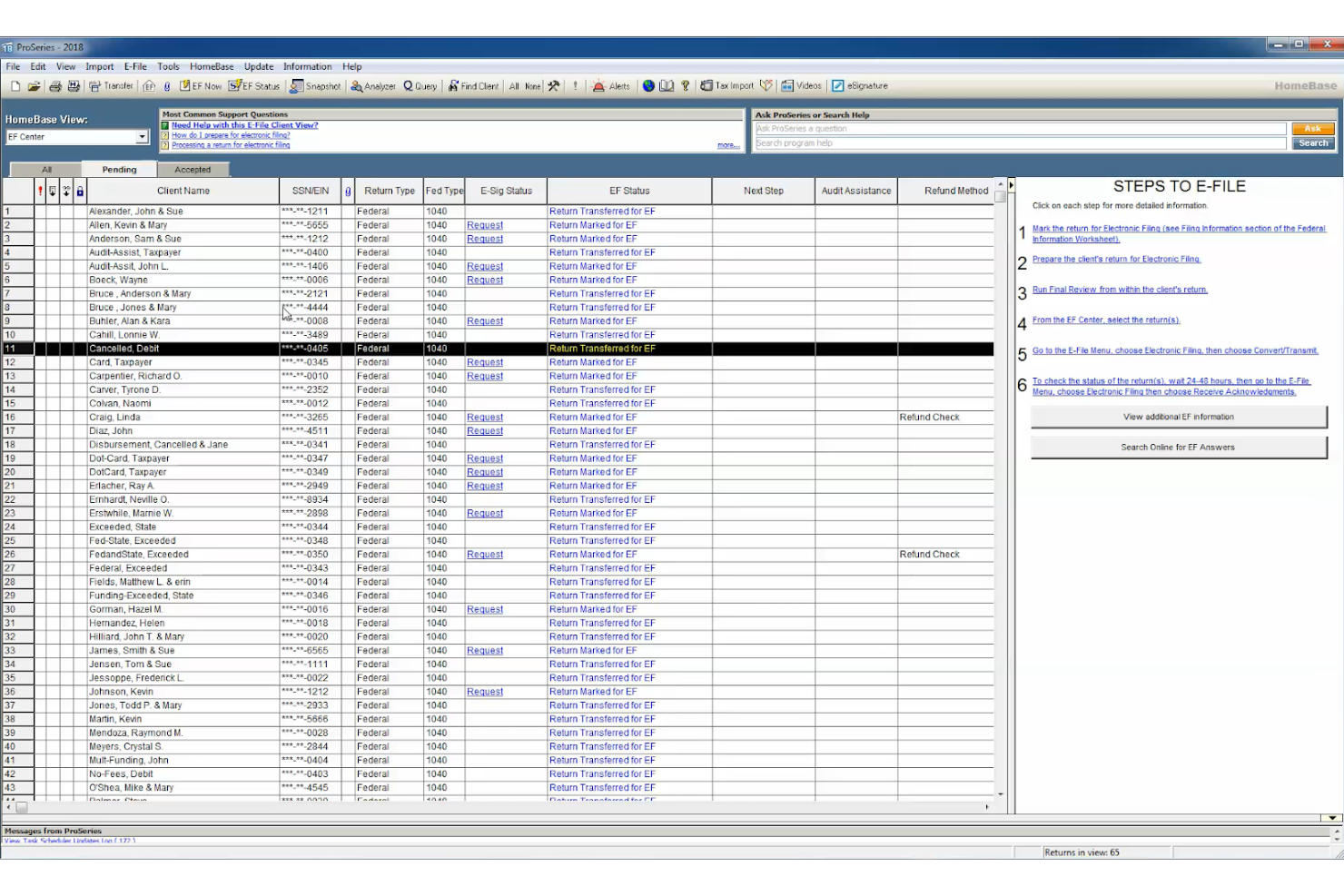
Based on the criteria above, here’s a look at some of the top contenders and their ideal users:
Best for Simple Filers: TurboTax Free Edition, H&R Block Free, FreeTaxUSA
These options are excellent for individuals with straightforward W-2 income, basic deductions, and no complex investments. They offer intuitive interfaces and reliable federal e-filing. FreeTaxUSA often provides free federal and a low-cost state filing option, making it a budget-friendly choice without sacrificing core functionality for basic returns.
Best for Mid-Range Filers: TurboTax Deluxe/Premier, H&R Block Deluxe/Premium, TaxAct Premier
These packages cater to homeowners (mortgage interest, property taxes), those with investments (stocks, mutual funds, capital gains/losses), and individuals who itemize deductions. They provide more forms, comprehensive guidance, and often include one state filing. TurboTax Premier is particularly strong for investors and rental property owners, offering detailed guidance on related deductions.
Best for Self-Employed & Small Business Owners: TurboTax Self-Employed, H&R Block Self-Employed, TaxSlayer Premium/Self-Employed
For freelancers, gig workers, independent contractors, and small business owners, these versions are indispensable. They excel at handling Schedule C income and expenses, helping you track deductions like home office expenses, business mileage, and supplies. They also often provide tools for estimating quarterly taxes, a crucial aspect of business financial management.
Best for Cost-Conscious Filers (with some complexity): TaxSlayer Classic, FreeTaxUSA Deluxe
If you have a slightly more complex return but want to keep costs down, TaxSlayer and FreeTaxUSA offer excellent value. TaxSlayer provides access to all major forms and deductions at a lower price point than competitors, making it a good choice for those familiar with tax concepts. FreeTaxUSA Deluxe offers additional audit support and live chat for a small fee, enhancing its value proposition.
Maximizing Your Tax Savings and Ensuring Compliance with Software
Choosing the right software is just the first step. To truly optimize your financial outcome and ensure compliance, you must actively engage with its capabilities.
Leveraging Software’s AI and Guidance
Many advanced tax software solutions incorporate AI-driven prompts and algorithms designed to spot potential deductions or credits you might overlook. Actively respond to these prompts, provide accurate information, and take advantage of any educational resources offered. The software can often analyze your inputted financial data and suggest tax-saving strategies you might not have considered.
The Importance of Review and Verification
Even with the most sophisticated software, human oversight remains critical. Before filing, meticulously review all entries, especially imported data, to ensure accuracy. Understand how your income, deductions, and credits were calculated. The software provides the tools, but you are ultimately responsible for the information submitted to the IRS. A thorough review can prevent costly errors and potential audit flags.
When to Consider Professional Assistance
While tax software is incredibly powerful, it’s not always a substitute for a human tax professional. For highly complex financial situations, significant life changes, or if you simply prefer the peace of mind, consider a hybrid approach. Many software providers now offer direct access to tax experts (e.g., TurboTax Live, H&R Block Tax Pro Review) who can review your return or even prepare it for you using the software, blending the convenience of digital tools with expert human financial advice.
The Future Landscape of Tax Preparation Tools
The evolution of tax software is continuous, promising even greater financial efficiency and insight in the years to come.
AI and Predictive Analytics
Expect increasingly sophisticated AI that can not only identify deductions but also offer personalized tax planning advice throughout the year. This could include predictive analytics on your likely tax burden, suggestions for optimizing investment strategies for tax purposes, or even real-time alerts on new tax laws that might affect your financial decisions.
Enhanced Integration with Financial Platforms
The future points toward seamless, real-time integration with all your financial accounts – banks, investment portfolios, payroll systems, and even spending trackers. This will minimize manual data entry, enhance accuracy, and provide a holistic view of your financial health, making tax preparation a natural extension of year-round financial management.
Simplification and Proactive Tax Management
Governments and tax agencies are exploring ways to simplify filing, potentially leading to pre-filled returns or more streamlined processes. Simultaneously, tax software will likely become more proactive, offering continuous tax optimization advice rather than just an end-of-year calculation. This shift could transform tax season from a dreaded annual event into an ongoing aspect of smart financial planning.

Conclusion
Choosing the best tax software is a pivotal financial decision that can significantly impact your refund, tax liability, and overall peace of mind. By thoroughly understanding your personal and business financial situation, prioritizing key features like ease of use, accuracy guarantees, and deduction maximization, and carefully comparing the leading options, you can select a tool that not only simplifies the filing process but also empowers you to achieve greater financial clarity and security. Remember, the goal is not just to file, but to file smartly, maximizing your financial advantages within the bounds of tax law.
aViewFromTheCave is a participant in the Amazon Services LLC Associates Program, an affiliate advertising program designed to provide a means for sites to earn advertising fees by advertising and linking to Amazon.com. Amazon, the Amazon logo, AmazonSupply, and the AmazonSupply logo are trademarks of Amazon.com, Inc. or its affiliates. As an Amazon Associate we earn affiliate commissions from qualifying purchases.