
Every year, the arrival of tax season can feel like an unavoidable financial chore, a looming deadline that demands meticulous attention to detail and a thorough understanding of an ever-evolving tax code. For many, the complexity can be daunting, leading to stress, potential errors, and even missed opportunities for significant savings. Fortunately, the digital age has brought forth powerful financial tools designed to demystify this process, making it accessible, efficient, and even empowering for the average taxpayer. Among these, TurboTax stands out as a leading platform, transforming the arduous task of tax preparation into a guided, user-friendly experience.

This guide will walk you through the journey of filing your taxes on TurboTax, framing it not just as a technical walkthrough, but as an essential component of sound personal financial management. We’ll explore how this financial tool integrates into your broader financial landscape, helping you navigate the complexities of income, deductions, and credits to ensure you meet your obligations accurately and, ideally, maximize your financial return or minimize your liability. Embracing a digital solution like TurboTax isn’t merely about convenience; it’s about leveraging intelligent financial software to achieve greater accuracy, confidence, and control over your annual tax responsibilities.
Understanding the Landscape of Tax Filing and TurboTax’s Role
The world of tax preparation has undergone a profound transformation, shifting from manual calculations and endless paper forms to sophisticated digital platforms. This evolution has democratized tax filing, making it accessible to millions who might otherwise struggle with the intricacies of the U.S. tax system. TurboTax has been at the forefront of this revolution, positioning itself as an indispensable financial tool for individuals and small businesses alike.
The Modern Shift to Digital Tax Preparation
Gone are the days when a shoebox full of receipts and a hefty instruction manual were the standard for tax preparation. The internet and advancements in financial software have ushered in an era of digital convenience. Online tax software offers several critical advantages: guided interviews that translate complex tax questions into simple language, automatic calculations that virtually eliminate mathematical errors, and direct e-filing capabilities that streamline the submission process to the IRS. This shift represents a significant leap forward in personal finance, empowering individuals to take charge of their tax obligations with unprecedented ease and accuracy.
Why TurboTax Stands Out as a Financial Tool
TurboTax distinguishes itself through its intuitive design, comprehensive coverage, and robust support. As a financial tool, it excels in simplifying complex tax scenarios through a question-and-answer format, making it feel less like filling out forms and more like a conversation with a knowledgeable tax expert. Its various product tiers cater to a wide spectrum of financial situations, from simple W-2 income to intricate investments, self-employment, and rental properties. Beyond just filing, TurboTax offers features like expense tracking, audit support, and year-round tax planning insights, truly positioning itself as an integrated financial management solution that extends beyond the tax season deadline. It acts as a digital financial assistant, guiding users towards optimal financial outcomes by highlighting eligible deductions and credits they might otherwise overlook.
Identifying Your Tax Filing Needs (Simple vs. Complex)
Before diving into the software, it’s crucial to assess your personal financial situation. Are your taxes relatively straightforward, involving just a W-2 and perhaps some student loan interest? Or do you have a more complex profile with freelance income, multiple investments, a home mortgage, and dependents? Understanding your complexity level will directly influence which TurboTax product is best suited for your needs. Simple filers might qualify for free options, while those with investments or self-employment income will require more advanced versions, each designed to optimize specific financial outcomes. This initial assessment is a vital step in ensuring you select a financial tool that can adequately address all facets of your income and deductions.
Preparing for Your TurboTax Journey: Gathering Essential Financial Documents
Successful tax filing, regardless of the tool, hinges on meticulous preparation. Before you even log into TurboTax, gathering all necessary financial documents is paramount. This proactive step not only streamlines the input process but also minimizes the chances of errors or omissions that could impact your refund or liability. Think of this as laying the financial groundwork for a successful tax season.
Income Documentation (W-2s, 1099s, etc.)
Your income sources are the foundation of your tax return. You’ll need documents detailing all earnings received throughout the year. This typically includes Form W-2s from employers, detailing wages, tips, and other compensation. For those with non-employee compensation, such as freelancers, contractors, or gig workers, various Form 1099s (e.g., 1099-NEC for nonemployee compensation, 1099-MISC for miscellaneous income, 1099-K for payment card transactions) will be critical. Additionally, look for 1099-INT for interest income, 1099-DIV for dividend income, and 1099-G for certain government payments like unemployment compensation. Consolidating these ensures all taxable income is accurately reported.
Deduction and Credit Information (Mortgage Interest, Student Loan Interest, Childcare, Charitable Contributions)
Maximizing your financial return often involves taking advantage of eligible deductions and credits. These can significantly reduce your taxable income or directly lower your tax bill. Key documents to gather include Form 1098 for mortgage interest paid, Form 1098-E for student loan interest, and Form 1098-T for tuition statements. For families, records of childcare expenses are vital for the Child and Dependent Care Credit. If you itemize, receipts or statements for charitable contributions, medical expenses, and state and local taxes paid will be essential. Every eligible deduction or credit identified translates directly into improved personal finance outcomes for the year.
Investment and Other Income Records (K-1s, Schedule D)
If you have investments, further documentation will be required. Form 1099-B reports proceeds from brokerage and barter exchange transactions. Partnership income, S corporation income, and estate or trust income are reported on Schedule K-1. For those who sold stock, real estate, or other assets, detailed records of purchase dates, purchase prices, and sale prices are necessary to calculate capital gains or losses accurately for Schedule D. Thoroughly documenting these ensures proper reporting of capital gains and losses, a critical aspect of investment finance.
Prior Year’s Tax Returns (For Comparison and Carryovers)
Having access to your previous year’s tax return is invaluable. It serves as a financial blueprint, offering insights into carryover deductions (like capital loss carryovers or net operating loss carryovers), reminding you of recurring deductions, and providing a quick reference for personal information. TurboTax can often import this information, further streamlining the process and maintaining consistency in your financial reporting.
Navigating the TurboTax Platform: A Step-by-Step Walkthrough
Once your documents are in hand, it’s time to engage with TurboTax. The platform is designed to guide you through each stage, but understanding the general flow will enhance your experience and confidence in this powerful financial tool.
Choosing the Right TurboTax Product (Free, Deluxe, Premier, Self-Employed)
TurboTax offers various versions tailored to different financial complexities.
- TurboTax Free Edition: Ideal for simple returns (W-2 income, limited deductions).
- TurboTax Deluxe: Best for homeowners, those with charitable donations, and individuals seeking to maximize common deductions.
- TurboTax Premier: Geared towards investors and rental property owners, covering stocks, bonds, mutual funds, and rental income/expenses.
- TurboTax Self-Employed: Designed for freelancers, independent contractors, and small business owners, handling business income and expenses (Schedule C).
Selecting the appropriate version ensures you have access to all necessary forms and features without overpaying for unnecessary ones.
Setting Up Your Account and Initial Data Entry
Your journey begins by creating a TurboTax account or logging into an existing one. The platform will then prompt you to enter basic personal information: name, Social Security number, address, and filing status (single, married filing jointly, etc.). If you filed with TurboTax previously, much of this might auto-populate, a testament to its seamless financial integration. This initial setup is quick but vital for establishing the framework of your tax return.
Inputting Income and Deductions with Guided Assistance
This is where TurboTax truly shines as a financial tool. The software uses a step-by-step interview process, asking simple questions about your financial life. You’ll be prompted to input information from your W-2s, 1099s, and other income documents. For deductions and credits, TurboTax will ask targeted questions to identify eligibility, explaining what information it needs. For example, when you indicate you own a home, it will guide you to enter mortgage interest from Form 1098. Its intuitive interface and extensive help sections make this process remarkably straightforward, translating complex tax jargon into understandable queries.
Reviewing Your Return for Accuracy and Optimization
Before filing, TurboTax provides a comprehensive review of your return. This crucial step allows you to catch any potential errors and ensures all your financial data has been entered correctly. The software will often highlight areas where additional deductions or credits might apply, acting as a final financial advisor to optimize your outcome. It also checks for common errors that could trigger an IRS flag, offering peace of mind. Take your time here; a thorough review can prevent costly mistakes and ensure you’ve maximized your refund or minimized your liability.
The E-filing Process: Submitting Your Return with Confidence
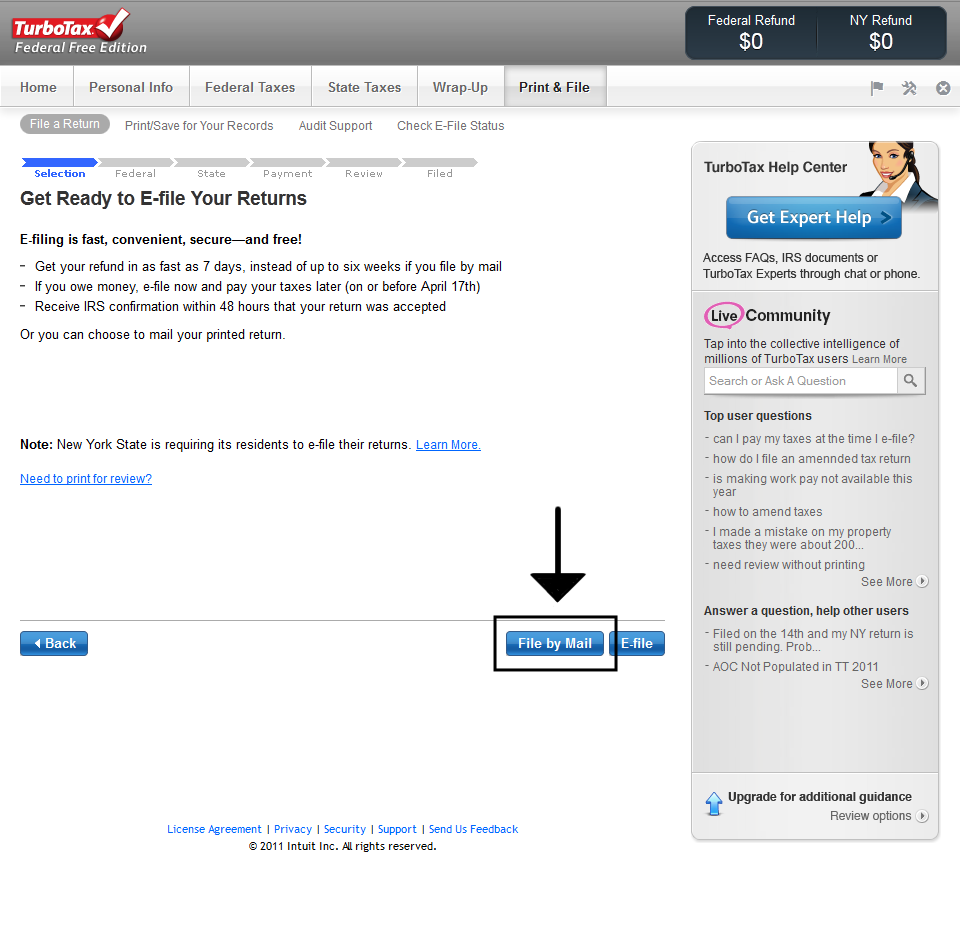
Once satisfied with your review, TurboTax facilitates the electronic filing (e-filing) of your return directly to the IRS and relevant state tax authorities. This digital submission is secure and typically much faster than mailing a paper return. You’ll receive confirmation when your return has been accepted by the tax agencies, providing tangible proof that your annual financial obligation has been met. For those anticipating a refund, e-filing also often results in quicker processing and direct deposit of funds, further demonstrating the financial efficiency of the platform.
Maximizing Your Financial Outcome: Tips for Smart Tax Filing with TurboTax
Filing taxes isn’t just about compliance; it’s an opportunity for financial optimization. TurboTax, as a sophisticated financial tool, offers various avenues to ensure you’re making the most of your tax situation.
Leveraging Deductions and Credits You Might Miss
Many taxpayers leave money on the table simply because they’re unaware of eligible deductions or credits. TurboTax’s guided interview is designed to prompt you about common ones, but it’s still beneficial to have a general understanding. Did you pay student loan interest? Contribute to an IRA? Incur significant medical expenses? Pay for energy-efficient home improvements? Each of these can lead to tax savings. Actively thinking about your financial activities throughout the year can help you recall these opportunities when prompted by TurboTax.
Understanding Tax Implications of Life Changes (Marriage, Home Purchase, New Child)
Major life events have significant financial and tax implications. Getting married, buying a home, having a child, or starting a business can drastically change your filing status, deductions, and credits. TurboTax is adept at integrating these changes, but being aware of their potential impact allows you to input information accurately and strategically. For instance, a new child typically means eligibility for the Child Tax Credit, a substantial financial benefit. A new home purchase brings deductions for mortgage interest and property taxes. Proactive financial planning around these events is key.
When to Seek Professional Guidance (Even with TurboTax)
While TurboTax is incredibly powerful, there are instances where professional tax advice may still be beneficial. If you have extremely complex financial situations—such as multi-state income, international investments, intricate business structures, or significant trust funds—a human expert can provide tailored insights beyond what even the most advanced software can offer. TurboTax does offer access to tax experts for review or full service, bridging the gap between DIY and professional assistance. This hybrid approach ensures that you leverage both the efficiency of the software and the nuanced understanding of a financial professional when needed.
The Importance of Record Keeping Beyond Filing Day
Your tax obligations don’t end on April 15th. Maintaining meticulous financial records throughout the year is crucial for future tax seasons and potential audits. Keep digital or physical copies of all income statements, receipts for deductions, and filed tax returns for at least three to seven years, as recommended by the IRS. Good record-keeping is the backbone of sound personal finance, providing a clear audit trail and simplifying future tax preparation.
Post-Filing Best Practices and Future Financial Planning
Successfully filing your taxes with TurboTax is a significant financial achievement, but it’s also an opportunity to look ahead. What you do after filing, and how you prepare for the next cycle, can significantly impact your long-term financial health.
What to Do After You’ve Filed (Confirmation, Refunds, Payments)
After e-filing, you’ll receive confirmation from TurboTax that your return was submitted, followed by an official acceptance notification from the IRS (and state, if applicable). If you’re due a refund, track its status via the IRS “Where’s My Refund?” tool. If you owe taxes, ensure your payment is submitted by the deadline, either directly through TurboTax, the IRS website, or by mail. Make sure to save a copy of your completed return for your records, preferably both digitally and a physical printout. This organized approach reinforces good financial habits.
Organizing Your Records for the Next Tax Season
Don’t wait until next January to start gathering documents. Establish a system now: a dedicated folder (digital or physical) for tax-related documents. As you receive W-2s, 1099s, mortgage statements, and receipts for charitable donations or business expenses throughout the year, file them immediately. This simple habit drastically reduces stress and saves time when the next tax season rolls around, making the entire financial process smoother.
Proactive Strategies for Year-Round Tax Planning
Effective personal finance involves year-round tax planning, not just annual preparation. Consider adjusting your W-4 withholding with your employer to avoid a large refund (which means you overpaid the government interest-free) or a large tax bill. Explore contributions to tax-advantaged accounts like 401(k)s, IRAs, or HSAs. If you’re self-employed, estimate and pay quarterly taxes to avoid penalties. TurboTax can provide year-end tax planning tools or estimates to help you make informed financial decisions before the year closes.

Leveraging TurboTax’s Tools for Ongoing Financial Insight
Beyond filing, TurboTax sometimes offers additional features or integrations that can provide ongoing financial insights. This could include access to financial calculators, tax estimators, or even connections to budgeting tools. Explore these resources to maintain a holistic view of your financial health, ensuring that your tax strategy is always aligned with your broader personal finance goals. Utilizing these ongoing tools transforms TurboTax from a seasonal filing utility into a more consistent financial partner.
By embracing TurboTax, you’re not just completing a mandatory task; you’re actively managing a crucial aspect of your personal finance with greater confidence and efficiency. This empowers you to navigate the complexities of tax season, secure in the knowledge that you’ve utilized a powerful financial tool to meet your obligations accurately and optimally.
aViewFromTheCave is a participant in the Amazon Services LLC Associates Program, an affiliate advertising program designed to provide a means for sites to earn advertising fees by advertising and linking to Amazon.com. Amazon, the Amazon logo, AmazonSupply, and the AmazonSupply logo are trademarks of Amazon.com, Inc. or its affiliates. As an Amazon Associate we earn affiliate commissions from qualifying purchases.