
Tesla, Inc. has carved out an almost mythical status in the modern economy, transcending its origins as a mere electric vehicle manufacturer to become a symbol of innovation, disruption, and future-forward thinking. For many, the question “how much are Tesla?” extends far beyond the sticker price of a Model 3 or a Powerwall. It delves into the intricate financial landscape surrounding the company’s products, its stock, and its broader economic impact. This article will meticulously unpack the financial dimensions of Tesla, providing an insightful and engaging exploration into the costs of ownership, investment opportunities, and the company’s profound influence on global financial markets and consumer spending.
The Tangible Cost: Pricing Tesla Vehicles
At the core of many inquiries about Tesla lies the fundamental question of how much it costs to acquire one of their vehicles. Tesla’s innovative direct-to-consumer sales model and its continuous product evolution mean that pricing can be dynamic, influenced by model configurations, technological advancements, and regional incentives.
Model Lineup and Base Pricing
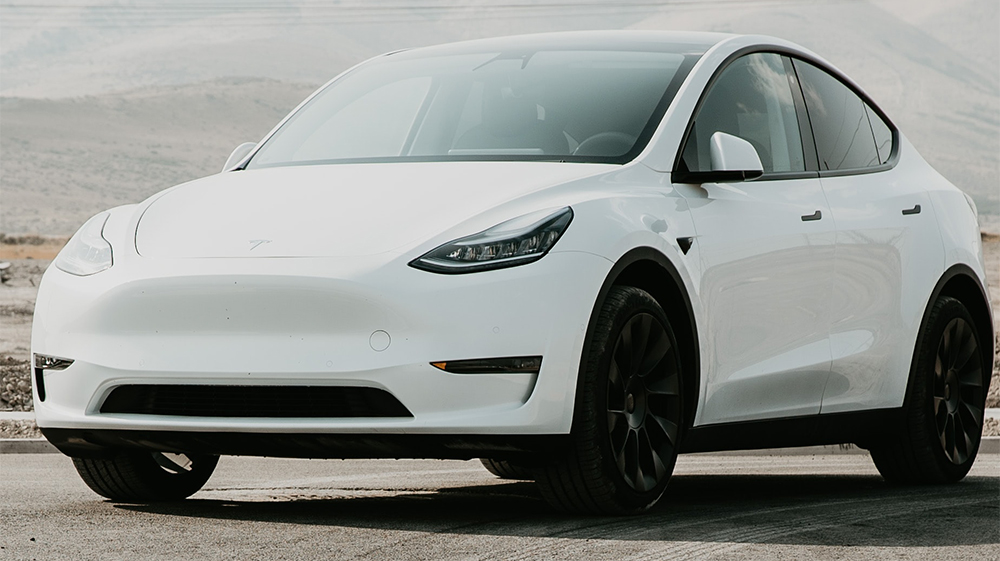
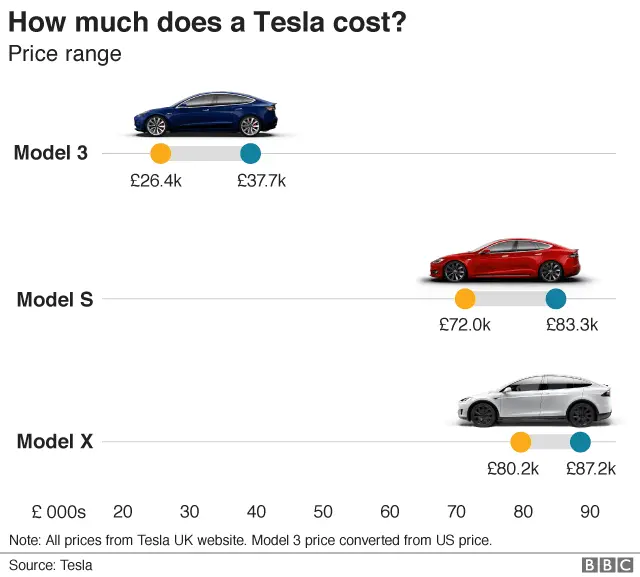
Tesla’s vehicle portfolio has expanded significantly since its early days, now offering a range of options designed to cater to diverse consumer needs and budgets. The entry point typically begins with the Model 3 sedan, known for its balance of performance, range, and relative affordability within the luxury EV segment. Following this is the Model Y, an SUV variant that shares much of the Model 3’s platform but offers greater utility and passenger space, generally commanding a slightly higher base price. For those seeking greater luxury, performance, and range, the flagship Model S sedan and Model X SUV represent the pinnacle of Tesla’s automotive engineering, with significantly higher starting prices that reflect their premium positioning, advanced features, and larger battery capacities.
These base prices are, however, just the starting point. They reflect the most fundamental configuration of each vehicle, often without many of the advanced features and customizations that define the Tesla experience.
Customization, Upgrades, and Autonomy Features
The true financial picture of a Tesla purchase often emerges once customization options are factored in. Buyers can select from various paint colors, wheel designs, and interior finishes, each adding incremental costs. More significantly, performance upgrades, such as “Long Range” or “Performance” variants, involve substantial price increases due to larger batteries, more powerful motors, and enhanced handling capabilities.
Perhaps the most significant financial consideration beyond the base model is the suite of autonomous driving features. Tesla offers its “Enhanced Autopilot” and “Full Self-Driving (FSD) Capability” as optional add-ons, which are among the most expensive upgrades. FSD, in particular, represents a substantial investment, reflecting Tesla’s ambitious vision for autonomous transportation. While these features promise future capabilities and convenience, they significantly elevate the total purchase price, requiring buyers to weigh the upfront cost against the perceived value and future utility. The pricing of these software features can also fluctuate, reflecting ongoing development and perceived market value.
Understanding Tax Credits and Incentives
The financial outlay for a Tesla can be significantly mitigated by various tax credits and incentives, although their availability and magnitude are subject to change based on government policies. Federal tax credits, while historically substantial for early EV adopters, have seen various phases, with some manufacturers, including Tesla, eventually “phasing out” of eligibility as they sell a certain number of qualifying vehicles. However, new legislation, such as the Inflation Reduction Act in the United States, has reshaped these incentives, introducing new criteria related to battery component sourcing and vehicle assembly, which can impact Tesla’s eligibility and the final benefit to the consumer.
Beyond federal incentives, many state and local governments offer their own programs, including sales tax exemptions, rebates, reduced vehicle registration fees, and preferential access to HOV lanes. These regional incentives can vary widely and play a crucial role in lowering the effective purchase price of a Tesla. Prospective buyers must diligently research the specific federal, state, and local incentives available at the time of purchase, as these can make a difference of several thousands of dollars, significantly altering the “how much” equation.
Beyond the Sticker Price: Total Cost of Tesla Ownership
The financial journey with a Tesla doesn’t end after the initial purchase. Understanding the total cost of ownership (TCO) involves evaluating ongoing expenses such as fuel, maintenance, insurance, and the often-overlooked aspect of depreciation or resale value.
Fuel Savings vs. Charging Costs
One of the most compelling financial arguments for owning an EV, including a Tesla, is the potential for significant “fuel” savings. Electricity is generally cheaper per mile than gasoline, especially when charging at home during off-peak hours. Owners with solar panels can further reduce charging costs, potentially approaching zero depending on their energy production and consumption patterns.
However, “fueling” an EV also comes with its own set of costs. Public Supercharging, while convenient, can be more expensive than home charging, though still generally cheaper than premium gasoline. The frequency of long-distance travel and reliance on public charging networks will directly impact these costs. Additionally, there’s the upfront investment in home charging infrastructure, such as a Wall Connector, which can add hundreds of dollars to the initial setup, although this is often a one-time expense. When calculating the financial benefits, owners must consider their driving habits, electricity rates, and charging preferences to accurately gauge potential savings.
Maintenance and Insurance Considerations
Tesla vehicles are renowned for their minimalist design and advanced technology, which translates into a different maintenance profile compared to traditional internal combustion engine (ICE) cars. EVs have fewer moving parts—no oil changes, spark plugs, or complex exhaust systems—leading to potentially lower routine maintenance costs over the vehicle’s lifespan. However, specific EV components, like battery health checks or specialized software diagnostics, can incur costs. Tires, given the instant torque and heavier weight of EVs, may wear faster, requiring more frequent replacement.
Insurance is another critical financial consideration. Tesla vehicles, being high-tech, often have higher repair costs for specialized components, potentially leading to higher insurance premiums. Factors such as the vehicle’s market value, the cost of parts, and the technology involved in collision avoidance and repairs all contribute to insurance rates. Furthermore, specific models and an owner’s driving history and location will significantly influence the final premium. Some Tesla owners also opt for Tesla’s proprietary insurance, which leverages real-time driving data to offer personalized rates, potentially providing savings for safe drivers.
Resale Value and Depreciation Trends
The resale value of a vehicle is a significant component of its total cost of ownership. Historically, EVs have sometimes faced faster depreciation than comparable ICE vehicles, partly due to evolving battery technology and range anxiety. However, Tesla’s strong brand, over-the-air software updates that can add features and improve performance, and the growing demand for EVs have often placed its vehicles in a favorable position regarding resale value.
Tesla’s unique position in the market, coupled with its software-defined architecture, means that older models can receive updates that enhance their functionality, potentially mitigating some depreciation. The demand for used Teslas remains robust, reflecting the brand’s desirability and the increasing acceptance of electric mobility. Nevertheless, factors like battery degradation over time, the introduction of newer models with superior technology, and general market dynamics will always play a role in determining how well a Tesla retains its value.
Tesla as an Investment: The Stock Market Perspective

Beyond the purchase of its vehicles, “how much are Tesla” also refers to the financial valuation of the company itself, particularly its stock (TSLA). Investing in Tesla stock is a different financial equation altogether, involving market sentiment, future growth prospects, and a high degree of volatility.
Decoding TSLA Stock Valuation
Tesla’s stock (TSLA) has been one of the most talked-about and volatile equities in recent history. Its valuation often transcends traditional metrics, with investors placing significant weight on its future growth potential, technological leadership, and visionary CEO, Elon Musk. The company is valued not just on current vehicle sales or profitability but also on its ambitions in AI, autonomous driving, energy storage, and robotics. This “growth stock” characteristic means its price-to-earnings (P/E) ratio has often been exceptionally high compared to traditional automakers, reflecting market expectations for exponential future earnings. Analysts often use discounted cash flow models and comparative valuations against tech giants rather than traditional automotive industry benchmarks to assess TSLA’s worth.
Growth Potential vs. Market Volatility
Investing in TSLA offers substantial growth potential, driven by global electrification trends, battery technology advancements, and Tesla’s expansion into new markets and product categories. Its leadership in EV technology, coupled with a robust Supercharger network and vertically integrated energy solutions, positions it strongly for long-term growth. The company’s ability to innovate and scale production rapidly is a key driver of investor confidence.
However, this potential comes hand-in-hand with significant market volatility. TSLA is known for its dramatic price swings, often influenced by quarterly earnings reports, production milestones, regulatory changes, and tweets from Elon Musk. This volatility makes it a high-risk, high-reward investment. Investors must have a high tolerance for risk and a long-term perspective to navigate the frequent ups and downs of the stock. Macroeconomic factors, interest rate changes, and geopolitical events also play a role in its performance.
Shareholder Value and Future Outlook
Tesla’s management and board are continuously focused on maximizing shareholder value, often through aggressive growth strategies, cost reductions, and technological breakthroughs. The company’s expansion into AI (e.g., Optimus robot, FSD), energy storage (e.g., Megapack, Powerwall), and potentially even new forms of transportation (e.g., Cybertruck, semi-trucks) all represent avenues for future revenue and profit growth.
The future outlook for Tesla’s stock is tied to its ability to maintain its technological edge, scale manufacturing globally, and successfully diversify its revenue streams beyond vehicle sales. The competitive landscape is intensifying, with traditional automakers and new EV startups vying for market share. Tesla’s continued success in navigating these challenges, executing its ambitious plans, and achieving sustained profitability will dictate its long-term shareholder value and whether its “how much” continues to grow.
The Broader Financial Impact of Tesla
Tesla’s influence extends far beyond the direct costs of its products or the valuation of its stock. The company has exerted a profound financial impact on various industries, global economies, and even individual financial planning.
Driving Innovation and Market Competition
Tesla’s aggressive push into electric vehicles forced traditional automakers to accelerate their own EV development, leading to billions of dollars in R&D investment across the industry. This competitive pressure has financially stimulated innovation in battery technology, charging infrastructure, and software integration, creating new markets and job opportunities. The financial incentive to develop competitive EVs has reshaped investment strategies within the automotive sector, shifting capital towards electric and autonomous technologies. This ripple effect benefits consumers by offering more choices and potentially lower costs for EVs in the long run due to increased economies of scale and competition.
Supply Chain Economics and Job Creation
Tesla’s operations, particularly its Gigafactories in the US, Europe, and Asia, have a substantial financial impact on local economies through job creation and supply chain development. These facilities require vast investments in land, construction, and equipment, creating thousands of manufacturing and ancillary jobs. Furthermore, Tesla’s demand for raw materials (lithium, nickel, cobalt) and advanced components (chips, battery cells) drives investment and innovation in mining, chemical processing, and electronics manufacturing sectors globally. This creates a complex financial ecosystem, with economic benefits extending to a multitude of suppliers and service providers. The company’s commitment to vertical integration also means significant financial investments in developing its own battery technology and production capabilities.
Influence on Renewable Energy and Grid Infrastructure Investment
Tesla’s energy division, with products like Powerwall, Powerpack, and Megapack, is driving significant financial investment in renewable energy and grid infrastructure. By providing scalable energy storage solutions, Tesla helps stabilize grids, integrate intermittent renewable energy sources (like solar and wind), and reduce reliance on fossil fuels. This encourages financial institutions and governments to invest more in renewable energy projects and smart grid technologies. The adoption of Tesla’s energy solutions by businesses and utilities signals a broader financial commitment to a sustainable energy future, creating new markets for energy services and infrastructure development. The financial shift towards decentralized energy solutions, facilitated by products like the Powerwall, empowers homeowners and businesses to manage their energy consumption and potentially reduce utility costs, impacting their personal finances.
Financial Planning for a Tesla Purchase or Investment
For individuals considering a Tesla, whether as a purchase or an investment, prudent financial planning is paramount. Understanding the nuances of financing, budgeting, and portfolio diversification can optimize the financial benefits and mitigate risks.
Financing Options and Loan Considerations
Purchasing a Tesla often involves securing financing. Tesla itself offers competitive financing rates through its network of partner banks, simplifying the process for buyers. Traditional banks and credit unions also provide auto loans, and comparing interest rates and terms is crucial to finding the most cost-effective solution. The credit score of the buyer, the loan term, and the down payment amount will significantly influence monthly payments and the total interest paid over the life of the loan. For businesses, leasing options or fleet financing may be more financially advantageous, offering tax benefits and greater flexibility. Understanding the total cost of borrowing and its impact on your personal budget is essential before committing to a purchase.
Budgeting for Electric Vehicle Integration
Beyond the car payment, budgeting for a Tesla involves considering several factors. As discussed, home charging infrastructure is an initial expense. Electricity costs for charging, while potentially lower than gasoline, need to be factored into monthly utility bills. Higher insurance premiums, especially for younger drivers or those with less-than-perfect driving records, must be anticipated. While maintenance is generally lower, budgeting for tire replacements and occasional specialized service is wise. Planning for potential software upgrades or accessory purchases can also be part of a comprehensive EV budget. For individuals making the switch from ICE vehicles, it’s a recalibration of their transportation budget, shifting from gas and traditional maintenance to electricity and technology-focused upkeep.
Diversifying Investment Portfolios
For those considering investing in TSLA stock, diversification is a fundamental principle of sound financial planning. While Tesla offers exciting growth potential, its inherent volatility means it should ideally be part of a broader, diversified investment portfolio. A well-diversified portfolio spreads risk across various asset classes, industries, and geographies, reducing the impact of any single stock’s performance on overall wealth. An investment in TSLA should align with an individual’s risk tolerance, financial goals, and overall asset allocation strategy. Consulting with a financial advisor can help integrate high-growth, high-volatility stocks like TSLA into a balanced portfolio that supports long-term financial objectives.
Ultimately, the question “how much are Tesla” invites a multi-faceted financial exploration. From the direct costs of its cutting-edge vehicles and the long-term expenses of ownership, to the dynamic valuation of its stock and its transformative impact on global finance, Tesla represents a complex and compelling financial narrative. Understanding these various dimensions is key to making informed decisions, whether as a consumer, an investor, or a participant in the evolving global economy.
aViewFromTheCave is a participant in the Amazon Services LLC Associates Program, an affiliate advertising program designed to provide a means for sites to earn advertising fees by advertising and linking to Amazon.com. Amazon, the Amazon logo, AmazonSupply, and the AmazonSupply logo are trademarks of Amazon.com, Inc. or its affiliates. As an Amazon Associate we earn affiliate commissions from qualifying purchases.