
The allure of a Tesla automobile extends far beyond its futuristic design and cutting-edge technology. For many prospective buyers, the primary question revolves around the financial commitment involved. Owning a Tesla is often seen as a significant investment, and understanding its true cost requires looking beyond the initial sticker price. From various models and optional upgrades to the long-term implications of ownership, this article delves into the financial intricacies of acquiring and maintaining a Tesla, helping you make an informed decision within your personal finance strategy.
Decoding Tesla’s Pricing Structure
Tesla’s transparent, direct-to-consumer sales model offers a relatively straightforward pricing structure, yet the final cost can vary significantly based on model selection, optional features, and regional market dynamics. Understanding these layers is the first step in budgeting for your potential electric vehicle.
Model-Specific Base Pricing
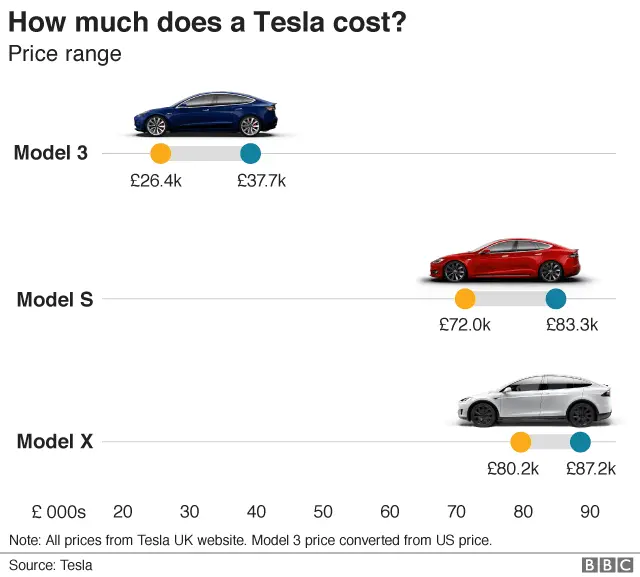
Tesla offers a range of vehicles, each catering to different needs and budgets, from the more accessible Model 3 to the premium Model S and X, and the innovative Cybertruck. The base price is the starting point, representing the standard configuration without any add-ons.
- Tesla Model 3: Often considered Tesla’s entry-level sedan, the Model 3 typically starts in the mid-$30,000 to low-$40,000 range for its Rear-Wheel Drive variant. Performance and Long Range versions naturally command higher prices, pushing into the $40,000-$50,000+ bracket.
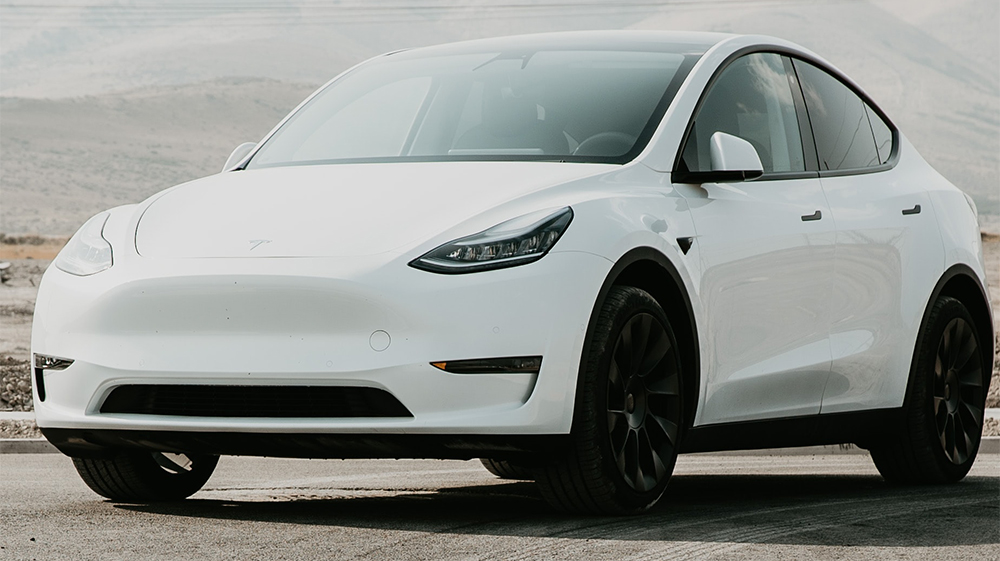
- Tesla Model Y: The compact SUV variant, the Model Y, shares much of its platform with the Model 3. Its base price usually begins in the low-to-mid $40,000s, with Long Range and Performance variants extending into the $50,000-$60,000+ range.
- Tesla Model S: As the flagship luxury sedan, the Model S represents a significant leap in price. Base models typically start in the mid-$70,000 to low-$80,000s, with the high-performance Plaid variant easily exceeding $90,000.
- Tesla Model X: The Model X, a luxury SUV known for its falcon-wing doors, mirrors the premium pricing of the Model S. Base models often start in the mid-$80,000 to low-$90,000 range, with the Plaid version also surpassing $100,000.
- Tesla Cybertruck: The revolutionary Cybertruck, available in various configurations (Rear-Wheel Drive, All-Wheel Drive, Cyberbeast), has a starting price range from approximately $60,000 up to $100,000+, depending on the variant and its release date market adjustments.
It’s crucial to note that these figures are approximate and subject to change based on Tesla’s frequent price adjustments, market demand, and production costs. Always check Tesla’s official website for the most current pricing.
Optional Upgrades and Feature Additions
Beyond the base model, a significant portion of a Tesla’s final price comes from selecting various upgrades. These optional features enhance performance, aesthetics, or technological capabilities, directly impacting your overall financial outlay.
- Full Self-Driving (FSD) Capability: This is arguably the most expensive software upgrade, often adding $8,000 to $15,000+ to the vehicle’s price. While offering advanced driver-assistance features, the “full self-driving” moniker is still a developing promise, and its financial return on investment is a subject of ongoing debate for many buyers.
- Premium Interior and Trim: While many Tesla models include a premium interior as standard, higher-tier options or specific trim upgrades can add to the cost.
- Wheel and Tire Packages: Upgraded wheel sizes and designs not only enhance the vehicle’s aesthetics but also add to the purchase price, often ranging from $1,500 to $2,500.
- Exterior Paint Colors: Beyond the standard pearl white or black, specialized colors like Midnight Silver Metallic, Deep Blue Metallic, or Red Multi-Coat can add $1,000 to $2,500+.
- Performance Upgrades: For models like the Model 3 or Model Y, an optional “Acceleration Boost” can be purchased after delivery via a software update, costing around $2,000, offering quicker 0-60 mph times.
Careful consideration of these options is vital for financial planning. Prioritizing features that genuinely add value to your driving experience or improve resale potential is a sound financial strategy.
Regional Variations and Market Dynamics
The cost of a Tesla isn’t uniform globally or even nationally. Regional variations play a significant role due to local taxes, import duties, and market demand.
- Sales Tax and Registration Fees: These vary significantly by state or country and are added on top of the vehicle’s purchase price. For a $50,000 car, sales tax alone could add several thousand dollars.
- Import Duties and Tariffs: For international markets, import duties can substantially inflate the price of a Tesla. This is a key reason why Teslas may cost more in certain European or Asian markets compared to the U.S.
- Local Market Demand and Supply: While Tesla maintains direct pricing, market dynamics can indirectly affect prices. For instance, temporary surges in demand might see prices stabilize at the higher end of their range or even increase.
Prospective buyers should always factor in all local fees and taxes when calculating the true “out-the-door” cost of a Tesla.
Beyond the Sticker Price: Understanding Total Cost of Ownership (TCO)
The initial purchase price is merely the first chapter in the financial story of owning a Tesla. A comprehensive understanding requires evaluating the Total Cost of Ownership (TCO), which includes ongoing expenses and potential savings over the vehicle’s lifespan. This perspective is crucial for sound personal financial planning.
Charging Costs vs. Fuel Savings
One of the most compelling financial arguments for an EV like a Tesla is the potential for significant fuel savings. However, electricity isn’t free, and charging costs vary.
- Home Charging: The most economical way to charge a Tesla is often at home, leveraging lower residential electricity rates. The cost per mile depends on your local electricity rate and the specific Tesla model’s efficiency. For example, if electricity costs $0.15 per kWh and your Tesla gets 4 miles per kWh, your cost is $0.0375 per mile. Compared to gasoline at $3.50/gallon for a car getting 30 MPG ($0.116 per mile), the savings are substantial. Installing a Level 2 charger (like Tesla Wall Connector) might incur an upfront cost of $500-$1,500 for equipment and installation.
- Supercharging Network: Tesla’s proprietary Supercharger network offers rapid charging convenience, but at a higher per-kWh rate than home charging. While more expensive, it’s generally still more affordable than gasoline on a per-mile basis, especially for long-distance travel. Rates vary by location and time of day.
- Public Charging Stations: Third-party charging networks also exist, with varying pricing models (per kWh, per minute, or session fees). These can sometimes be more expensive than Superchargers.
Over several years, the cumulative savings on “fuel” can amount to thousands of dollars, making a substantial dent in the higher upfront cost of the vehicle.
Maintenance and Insurance Implications
Electric vehicles, including Teslas, generally boast lower routine maintenance costs compared to internal combustion engine (ICE) cars due to fewer moving parts. However, insurance can be a different story.
- Maintenance: Teslas don’t require oil changes, spark plug replacements, or complex transmission servicing. Routine maintenance typically involves tire rotations, brake checks (regenerative braking reduces wear), cabin air filter replacements, and occasional wiper blade changes. This often translates to lower scheduled service costs, a distinct financial advantage. However, specialized EV components, if they do fail (e.g., battery, motors), can be expensive to replace, though they are usually covered by comprehensive warranties for several years.
- Insurance: Insuring a Tesla can be more expensive than a comparable ICE vehicle. Several factors contribute to this:
- Higher Purchase Price: More expensive cars generally cost more to insure.
- Advanced Technology: Repairing complex EV systems, large battery packs, and sophisticated sensor arrays (for Autopilot/FSD) can be costly, increasing potential claim values.
- Performance: Many Teslas offer impressive acceleration, which can sometimes lead to higher premiums.
- Parts Availability: Specialized Tesla body parts might take longer or cost more to source in some regions.
Tesla offers its own insurance in some states, which claims to be more affordable by leveraging real-time driving data, a feature that might appeal to some but raises privacy concerns for others.
Government Incentives and Tax Credits
To encourage EV adoption, many governments offer financial incentives that can significantly reduce the net cost of a Tesla.
- Federal Tax Credits (U.S.): The U.S. federal government has offered tax credits for new EV purchases, though eligibility criteria (e.g., battery component sourcing, vehicle price caps) and available amounts have changed frequently. Tesla’s eligibility for these credits has fluctuated, so checking current IRS guidelines is critical. These credits are non-refundable, meaning you must have sufficient tax liability to claim the full amount.
- State and Local Incentives: Many states offer their own rebates, tax credits, or non-monetary benefits (like HOV lane access) for EV owners. These can range from hundreds to thousands of dollars and further reduce the effective purchase price.
- International Incentives: Similar programs exist in various countries, with some offering significant purchase grants or tax exemptions. Researching these thoroughly is a key part of financial planning for a Tesla.
These incentives can turn a seemingly high upfront cost into a more manageable one, making a Tesla a more financially viable option for many households.
Depreciation and Resale Value
Understanding how a Tesla depreciates is vital for long-term financial planning, especially if you plan to sell or trade in the vehicle in the future.
- EV Depreciation Trends: Historically, EVs have sometimes experienced higher depreciation than comparable ICE vehicles, partly due to rapidly evolving technology and battery concerns. However, Tesla’s strong brand, consistent software updates, and robust demand have often mitigated this, allowing them to hold their value relatively well, especially compared to other EV manufacturers.
- Market Demand: Tesla’s popularity and brand loyalty contribute positively to its resale value. Certain models, like the Model 3 and Model Y, tend to hold their value particularly well due to high demand.
- Software Updates: Unlike traditional cars, Teslas receive over-the-air software updates that can add new features, improve performance, and even extend battery life, which can help maintain their appeal and value over time.
- Battery Degradation: While a concern, modern Tesla batteries are designed for longevity, and degradation over typical ownership periods is often less severe than anticipated, having a manageable impact on resale value.
Assessing current market trends for used Teslas provides a more realistic picture of the vehicle’s long-term financial performance.
Financing Your Tesla: Options and Considerations
Once you’ve calculated the total cost, the next financial step is determining how to pay for it. Tesla offers various financing pathways, and choosing the right one requires careful consideration of your personal financial situation and goals.
Lease vs. Buy: A Financial Comparison
The age-old dilemma of leasing versus buying holds particular weight for EVs, given their rapid technological advancements.
- Leasing a Tesla:
- Pros: Lower monthly payments, lower upfront costs, ability to drive a new Tesla every few years (benefiting from newer technology and improved battery range), vehicle is typically under warranty for the entire lease term.
- Cons: No ownership equity, mileage restrictions (excess mileage fees can be costly), no customization allowed, total cost over the long term can be higher if you perpetually lease. At the end of the lease, you don’t own the asset.
- Financial Consideration: Leasing is often preferred by those who want predictable monthly expenses and the flexibility to upgrade frequently without dealing with resale.
- Buying a Tesla (Loan or Cash):
- Pros: Ownership equity (the car is an asset), no mileage restrictions, full customization rights, potential for long-term savings once the loan is paid off, potential to benefit from strong resale value.
- Cons: Higher monthly payments (if financed), higher upfront costs (down payment), responsible for all maintenance and repairs after warranty, depreciation risk.
- Financial Consideration: Buying is suitable for those who plan to keep the car for many years, want to build equity, or view the purchase as a long-term investment in transportation.
Loan Options and Interest Rates
If buying, securing favorable loan terms is paramount to managing the total financial outlay.
- Tesla Financing: Tesla offers its own financing options, often partnering with various banks. Applying through Tesla can streamline the purchase process.
- Traditional Auto Loans: Banks, credit unions, and other financial institutions offer competitive auto loans. It’s wise to shop around and get pre-approved before finalizing your purchase, as a lower interest rate can save thousands over the life of the loan.
- Interest Rates: These depend on your credit score, the loan term, and prevailing market rates. Even a small percentage difference can significantly impact your total interest paid. For example, on a $60,000 loan over 60 months, a 5% APR versus a 7% APR could mean paying an extra $3,500 in interest.
The Impact of Down Payments and Trade-ins
Your initial financial contribution can heavily influence your monthly payments and total interest paid.
- Down Payment: A larger down payment reduces the amount you need to borrow, leading to lower monthly payments and less interest paid over the life of the loan. It also provides immediate equity in the vehicle.
- Trade-in Value: If you have an existing vehicle, its trade-in value can serve as a de facto down payment, reducing your overall borrowing needs. Tesla does offer trade-in appraisals, but it’s always advisable to get multiple quotes from third-party dealers or online platforms to ensure you’re getting a fair price.
Strategizing these elements is key to optimizing your financing and ensuring the Tesla purchase aligns with your broader financial goals.
The Long-Term Financial Value Proposition of a Tesla
Beyond the immediate costs and financing, a Tesla presents a unique long-term financial value proposition that extends beyond simple transportation. Evaluating this holistic value is essential for a complete financial assessment.
Fuel Savings and Environmental Benefits
While discussed under TCO, the cumulative “fuel” savings over a decade can be substantial and represent a tangible financial return. Furthermore, while hard to quantify in direct monetary terms for an individual, the reduced environmental footprint of an EV aligns with growing societal values. For many, investing in a Tesla is also an investment in a more sustainable future, which holds intrinsic value. Some regions offer financial incentives for low-emission vehicles beyond purchase, such as reduced tolls or parking fees.
Potential for Future Technology Upgrades
Unlike traditional vehicles that largely remain static after purchase, Teslas continuously evolve through over-the-air (OTA) software updates. These updates can introduce new features, enhance existing functionalities, improve performance, and even optimize battery efficiency. This constant improvement can help a Tesla retain its relevance and functionality longer than an average car, potentially extending its useful life and slowing its effective technological obsolescence. This means your “investment” keeps appreciating in software terms, even as the physical asset depreciates.

Assessing the Investment: Is a Tesla Worth the Cost?
Ultimately, the question of whether a Tesla is “worth the cost” is deeply personal and financial. It depends on individual priorities, budget, and long-term financial strategy.
- For the budget-conscious: A base Model 3 or Y, especially with available incentives, might offer a compelling blend of advanced technology, lower operating costs, and environmental benefits that justify the initial outlay.
- For the luxury buyer: The Model S or X provides a premium experience with robust performance, often competing favorably against other luxury brands when TCO is factored in.
- Beyond the numbers: The value proposition also includes intangible benefits: the joy of driving, access to cutting-edge technology, contribution to sustainable transport, and the convenience of home charging. These “returns” are not found on a balance sheet but contribute significantly to owner satisfaction.
In conclusion, the cost of a Tesla automobile is multifaceted, encompassing a fluctuating sticker price, various optional upgrades, regional adjustments, and significant long-term financial implications. By meticulously analyzing model pricing, understanding total cost of ownership factors like charging, maintenance, and insurance, and carefully considering financing options, prospective buyers can make a financially sound decision that aligns with their personal finance goals and provides long-term value. While the initial investment is substantial, the blend of innovation, lower running costs, and potential incentives often presents a compelling case for a Tesla as a forward-thinking financial choice.
aViewFromTheCave is a participant in the Amazon Services LLC Associates Program, an affiliate advertising program designed to provide a means for sites to earn advertising fees by advertising and linking to Amazon.com. Amazon, the Amazon logo, AmazonSupply, and the AmazonSupply logo are trademarks of Amazon.com, Inc. or its affiliates. As an Amazon Associate we earn affiliate commissions from qualifying purchases.