
The question “When does the soccer season end?” appears simple on the surface, but in the intricate, globally interconnected world of professional football, it’s anything but. Unlike a singular event with a fixed conclusion, the “soccer season” is a dynamic tapestry woven from hundreds of leagues, tournaments, and international competitions across every continent. From the English Premier League to Brazil’s Brasileirão, the UEFA Champions League, and the FIFA World Cup cycle, each entity operates on its own schedule, dictated by local customs, climate, international breaks, and broadcast commitments. For fans, players, coaches, and administrators alike, tracking these myriad endings is a monumental task that has been profoundly transformed by technological innovation.
In an era defined by instant information and data-driven insights, technology has become the indispensable guide through this complex landscape. No longer are fans reliant solely on weekly sports pages or sporadic television updates; instead, sophisticated algorithms, real-time data aggregation, AI-powered predictions, and immersive digital platforms now deliver unparalleled clarity on when the final whistle will blow on any given campaign. This article delves into how technology is not just answering when the soccer season ends, but fundamentally reshaping how we perceive, track, and interact with the conclusions of this global spectacle.
The Digital Footprint of Global Soccer Calendars
Understanding when “the soccer season” ends requires an appreciation for its staggering breadth and diversity. There isn’t a single, unified end date, but rather a rolling series of conclusions spanning different leagues, confederations, and national team duties. Navigating this immense volume of information manually would be impractical; here, technology steps in as the ultimate navigator, creating a digital footprint for every kick, every match, and every season finale.
The Complexity of Multi-League Schedules
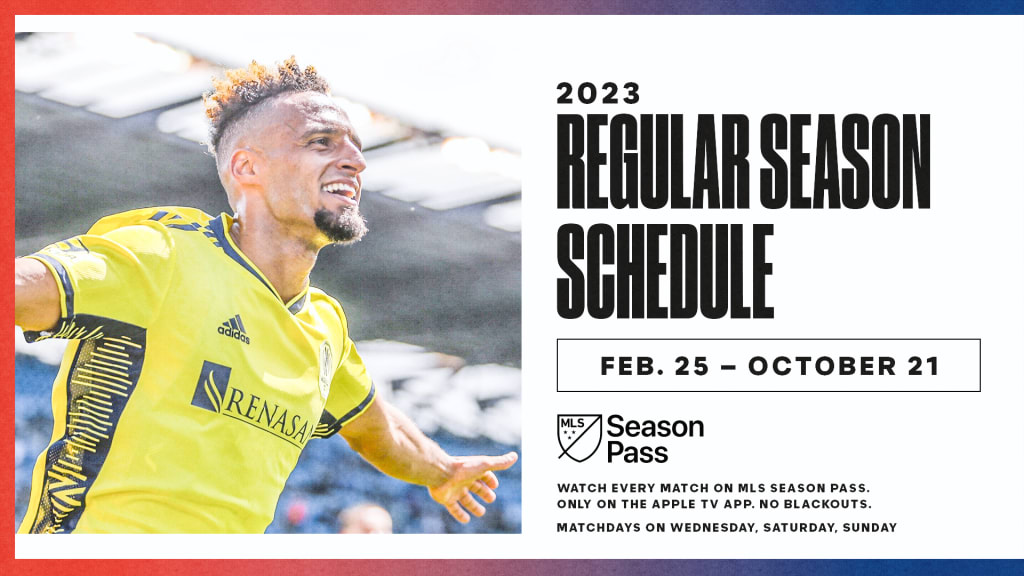
The global soccer calendar is a masterclass in scheduling complexity. Major European leagues like the Premier League, La Liga, Serie A, and Bundesliga typically run from August/September to May, concluding just before the summer transfer window opens. However, leagues in Scandinavia or North America (MLS) often operate on a spring-to-fall calendar due to climatic conditions. South American leagues might have multiple tournaments within a single calendar year. Add to this the interweaving of domestic cup competitions (FA Cup, Copa del Rey), continental club tournaments (Champions League, Copa Libertadores), and biennial or quadrennial international events (European Championship, Copa América, World Cup), and the picture becomes incredibly intricate.
Each of these competitions has its own start and end dates, often with overlapping fixtures. Determining a single “end” of the soccer season is therefore impossible; instead, technology allows us to track the numerous individual conclusions. Scheduling software and databases employed by federations and league organizers are the first line of defense, meticulously planning fixtures to minimize clashes, accommodate travel, and comply with international regulations. These systems, often proprietary and highly complex, are the backbone upon which the entire digital ecosystem of soccer information is built.
Data Aggregation and Real-time Updates
At the heart of demystifying the season’s end lies sophisticated data aggregation. Companies specializing in sports data (e.g., Opta, Sportradar, Gracenote) continuously collect, process, and distribute information from virtually every professional soccer league worldwide. This data includes fixture lists, match results, standings, player statistics, and, crucially, the precise dates of season conclusions, playoffs, and cup finals.
These aggregators utilize APIs (Application Programming Interfaces) to feed this torrent of real-time data to a vast network of consumer-facing applications. Sports news websites, dedicated league apps, fantasy sports platforms, and even smart assistants like Alexa or Google Assistant pull information from these centralized data hubs. When you ask your phone, “When does the Premier League season end?”, the answer is almost instantaneously delivered, sourced from meticulously maintained digital databases. This seamless flow of information ensures that fans, media, and betting markets are always armed with the most current schedule updates, helping them track not just the current score, but also the broader trajectory towards the season’s final moments. The reliability and speed of these aggregation services are paramount, enabling a truly global understanding of soccer’s ever-shifting landscape.
Leveraging AI and Data Analytics for Season Insights
Beyond simply tracking dates, modern technology, particularly Artificial Intelligence (AI) and advanced data analytics, is transforming how we understand and even anticipate the end of soccer seasons. These tools move beyond mere reporting to offer predictive power, deeper insights into performance, and highly personalized fan experiences.
Predictive Modeling for League Closures and Playoff Outcomes
AI and machine learning algorithms are now routinely employed to analyze vast datasets of historical match results, team form, player statistics, and even external factors like weather or travel fatigue. For example, while a league’s final matchday is fixed, the meaning of that matchday – who will be crowned champion, who will be relegated, or who will secure a playoff spot – is fluid until the very end. AI models can simulate thousands of possible outcomes based on remaining fixtures, assigning probabilities to different scenarios. This allows media outlets and dedicated sports analytics platforms to provide fans with increasingly accurate predictions for league winners, top scorers, and teams facing the drop, long before the season officially concludes.
Furthermore, in leagues with complex playoff structures (like MLS or various promotion/relegation play-offs), AI can map out the most likely paths to victory, identifying key matchups and potential upsets. This analytical depth adds another layer of engagement, allowing fans to follow their team’s journey towards the season’s critical conclusion with informed foresight, enhancing the drama and anticipation of the final weeks.
Optimizing Player Performance and Injury Management through Seasonal Data
For clubs and players, the end of a season isn’t just a date; it’s the culmination of months of intense physical and mental exertion. AI and data analytics play a crucial role in optimizing player performance throughout the season and ensuring they are in peak condition for critical matches towards the end. Wearable tech monitors heart rate, distance covered, acceleration, and impact forces during training and matches. This physiological data, combined with match performance metrics, feeds into AI models that can identify patterns related to fatigue, risk of injury, and optimal recovery times.
Coaches and sports scientists use these insights to tailor training regimes, manage player rotation, and strategically rest key individuals to ensure they’re fresh for the pivotal end-of-season fixtures. The goal is to maximize performance when it matters most, reducing the likelihood of injuries that could sideline a player for the season’s climax. This data-driven approach directly impacts how teams approach the concluding phase of their campaigns, influencing squad selection and tactical decisions right up to the final whistle.
Fan Engagement Platforms and Personalized Season Tracking
The digital revolution has brought unparalleled personalization to how fans track the soccer season. Modern sports apps and platforms leverage AI to deliver customized content based on user preferences. If you’re a fan of Manchester United, your app will prioritize news, fixtures, and analysis related to United’s progress, including their specific end-of-season schedule for the Premier League, FA Cup, and Champions League. It might even send push notifications detailing when their final match is, or when a critical playoff game is about to begin.

Beyond just schedules, these platforms use AI to curate highlights, historical data, and related articles, creating a bespoke information stream that enhances a fan’s connection to their team’s journey to the season’s conclusion. This personalized tracking doesn’t just answer “when does the season end,” but it enriches the entire narrative of the season, making the eventual conclusion all the more impactful for individual supporters.
Tech Tools Revolutionizing Fan Experience and Season Tracking
The consumer-facing technologies that allow billions to follow soccer are perhaps the most visible aspect of tech’s influence on understanding season endings. From dedicated apps to streaming services and vibrant social media communities, these tools provide unprecedented access and foster deep engagement.
Dedicated Sports Apps and Fantasy Leagues
The ubiquity of smartphones has made sports apps an essential companion for any soccer fan. Apps from ESPN, BBC Sport, OneFootball, FotMob, and official league apps offer comprehensive coverage, providing instant access to live scores, fixture lists, league tables, and detailed statistics. Crucially, these apps often feature dedicated sections for upcoming matches, including final league games or cup finals, clearly marking the end points of various competitions. Push notifications can alert users to the start of a final match, a trophy presentation, or even the official confirmation of a league’s conclusion.
Fantasy football leagues, powered by sophisticated backend systems, also provide a unique way to track the season’s end. Participants are intimately aware of match schedules, player injuries, and team form right up to the final game week, as their own success hinges on these real-world outcomes. The season finale for many means the conclusion of their fantasy league, adding another layer of personal investment in the actual soccer season’s end.
Broadcast Innovation and Digital Streaming Services
The way we consume soccer has been revolutionized by digital streaming. Platforms like DAZN, Peacock, Paramount+, ESPN+, and the various official league streaming services have democratized access to matches from around the globe. This means fans can often watch critical end-of-season games from leagues they might not otherwise have access to, regardless of geographical location.
Beyond just delivering the live feed, these platforms often integrate interactive features. Multi-camera angles, in-game statistics overlays, live chat functions, and immediate highlight packages enhance the viewing experience, especially during high-stakes season finales. Post-match analysis and instant replays allow fans to dissect every moment of the season’s conclusion, ensuring that the final whistle doesn’t mean the immediate end of engagement. The shift to digital broadcasting has made it easier than ever to tune in for those pivotal final matches that mark a season’s completion.
Social Media and Community-Driven Season Conversations
Social media platforms like X (formerly Twitter), Instagram, Facebook, and Reddit have become dynamic hubs for real-time discussion and reaction to soccer matches and season developments. As a season draws to a close, these platforms explode with fan conversations, predictions, memes, and instant reactions to results that determine championships or relegations. Clubs and leagues leverage social media to announce fixture changes, celebrate victories, and engage directly with their global fanbase about the season’s trajectory and conclusion.
Hashtags and trending topics ensure that fans are instantly aware of the major milestones and finales unfolding across the soccer world. For many, the collective experience of celebrating a league title or commiserating over relegation on social media is an integral part of understanding and experiencing the season’s end. These digital communities amplify the emotional impact of a season’s conclusion, extending the experience beyond the final whistle.
The Future of Soccer Season Scheduling and Endings in a Digital Age
As technology continues to advance, the way we experience and manage the conclusion of soccer seasons is set for further evolution. Emerging technologies promise even greater transparency, immersion, and personalization.
Blockchain for Transparent Fixture Management
The complexity of global soccer calendars sometimes leads to fixture congestion, controversial scheduling decisions, or issues with game integrity. Blockchain technology, with its inherent transparency and immutability, holds potential for revolutionizing fixture management. By recording all scheduling decisions and updates on a decentralized ledger, blockchain could provide an unalterable, publicly verifiable record of every match, every kick-off time, and every season’s end date. This could enhance trust among clubs, leagues, and fans, ensuring greater accountability and transparency in a system that is often opaque. Imagine a fan being able to verify the original scheduling of a final matchday, preventing any disputes over last-minute changes that could impact the integrity of the competition.
Immersive Technologies (VR/AR) for Season Finales
Virtual Reality (VR) and Augmented Reality (AR) offer tantalizing prospects for truly immersive fan experiences, especially around season finales. Imagine being able to “attend” a championship-deciding match from anywhere in the world, experiencing the atmosphere of the stadium in VR, feeling as if you’re right there as the trophy is lifted. AR could overlay real-time statistics, player tracking, and historical data onto your living room, bringing the drama of the final whistle directly into your personal space. These technologies could redefine what it means to “witness” the end of a season, breaking down geographical barriers and offering unparalleled levels of engagement. The emotional resonance of a season’s conclusion could be magnified tenfold through truly immersive digital experiences.

AI-Driven Personalization of Fan Content Post-Season
Once a season officially ends for a particular team or league, fan engagement doesn’t stop. AI will increasingly play a role in curating post-season content that keeps fans engaged until the next campaign begins. This could include personalized highlight reels of their favorite player’s season, in-depth statistical breakdowns tailored to their team, historical content related to past triumphs or memorable finales, or even AI-generated summaries of their team’s performance, predicting future prospects. This proactive, personalized content delivery ensures that the excitement and analysis surrounding the season’s end gracefully transitions into anticipation for the next, solidifying fan loyalty year-round.
In conclusion, “when does the soccer season end?” is a question whose answer is no longer a simple date on a calendar but a multifaceted, data-rich narrative. Technology has transformed this query from a logistical challenge into a dynamic, engaging, and highly personalized experience. From the foundational data aggregation that maps every league’s conclusion to the cutting-edge AI that predicts outcomes and the immersive platforms that deliver the drama, tech ensures that whether you’re a casual observer or a dedicated fanatic, you’re always connected to the thrilling conclusions of the beautiful game, no matter where or when they occur.
aViewFromTheCave is a participant in the Amazon Services LLC Associates Program, an affiliate advertising program designed to provide a means for sites to earn advertising fees by advertising and linking to Amazon.com. Amazon, the Amazon logo, AmazonSupply, and the AmazonSupply logo are trademarks of Amazon.com, Inc. or its affiliates. As an Amazon Associate we earn affiliate commissions from qualifying purchases.